
 한국어
한국어 English
 日本語
日本語 中文(简体)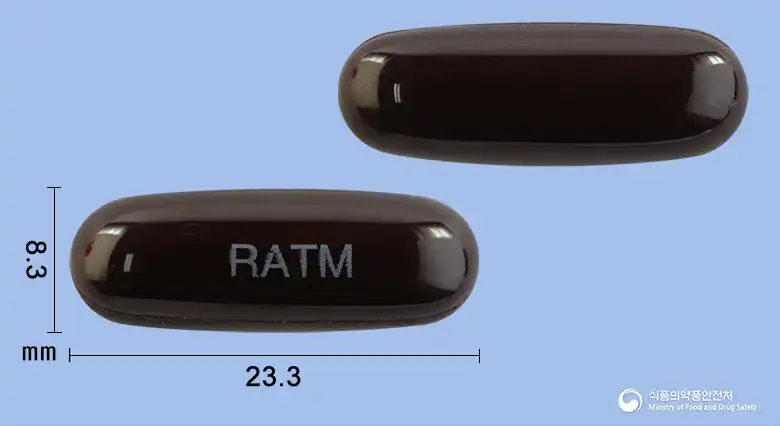
Summary
- Main use
- Prevention of bone development issues and rickets, relief of pain such as neuralgia and myalgia
- Who takes it
- Adults
- Adult dose
- Adults: Take 1 capsule at a time, 2 times a day.
Ingredients
- Thiamine Nitrate50mg / 1 capsule
- Riboflavin50mg / 1 capsule
- Nicotinamide50mg / 1 capsule
- Pyridoxine Hydrochloride50mg / 1 capsule
- Cyanocobalamin Powder 0.1%50mg / 1 capsule
- Cholecalciferol Concentrate Oil
- Zinc Oxide30mg / 1 capsule
- Manufacturer
- (주)서흥
Efficacy & effects
Prevention of bone development issues and rickets, relief of pain such as neuralgia and myalgia
- Physical fatigue
- reduced stamina
- inadequate bone development
- neuralgia
- myalgia
- arthralgia
- beriberi
- eye fatigue
- angular cheilitis
- cheilitis
- stomatitis
- glossitis
View approved original textHide original text
This medicine contains vitamins B1, B2, B6, D, and zinc, which help when experiencing physical fatigue, during pregnancy and lactation, and recovery after illness. It also provides essential nutrients during development and old age to maintain health. It especially supports normal development of bones and teeth, and is effective in preventing rickets. This medicine also aids in relieving various pains such as neuralgia, myalgia, and arthralgia, and can be used for symptoms of inflammation around the mouth such as angular cheilitis, cheilitis, stomatitis, and glossitis, as well as for eczema and dermatitis. Zinc contributes to enhancing immune function and wound healing. Therefore, this medicine is used for enhancing physical strength and improving various symptoms.
How to take
Adult dose
Adults: Take 1 capsule at a time, 2 times a day.
Precautions
This medicine should not be taken by patients with hypercalcemia or sarcoidosis, or renal diseases. Additionally, individuals allergic to this medicine or its ingredients, infants under 12 months, patients with kidney stones, and those allergic to soybean oil, peanuts should avoid taking this medicine. While taking this medicine, it is advisable not to consume phosphates, calcium salts, certain antibiotics such as tetracycline preparations, and antacids together. Also, levodopa should not be taken concurrently. Patients under medical treatment, those with hyperoxaluria, pregnant or breastfeeding women, premature or infants should consult a professional before taking this medicine. The same applies to patients with heart or circulatory problems, renal impairments, or hypoproteinemia. Patients with a history of kidney stones or metabolic disorders such as hyperlipoproteinemia, diabetic dyslipidemia, or pancreatitis should also use caution. Additionally, this medicine contains a dye known as Yellow No. 5, so those with allergies to this ingredient should use it with care. If symptoms such as nausea, vomiting, diarrhea, gastrointestinal disturbances, low blood pressure, or pulmonary edema occur during administration, the use should be discontinued immediately and a professional should be consulted. High-dose, long-term use of Pyridoxine may lead to neurological disorders, so caution is needed. High doses of vitamin B12 may result in hematological adverse reactions, so it is important to be cautious. High-dose administration may exacerbate peptic ulcers, impair glucose tolerance, cause hyperuricemia, and result in liver damage. An overdose can cause gastrointestinal symptoms, hypernatremia, congestive heart failure, and edema, so the prescribed dosage must be strictly followed. If symptoms have not improved after more than one month of use, consult a professional. This medicine must be taken according to the prescribed dosage, and it may cause urine to turn yellow, which can affect clinical test results. It is advisable to avoid consuming beverages containing tannins, such as green tea or black tea, before and after taking this medicine. Patients at risk for fat overload should monitor plasma lipid levels and adjust their dosing accordingly. If used with other lipid-lowering agents, adjustments should be made considering the total amount used. This medicine should be stored out of reach of children, protected from direct sunlight, kept in a cool, dry place, and stored in a tightly sealed container. It is important to avoid transferring it to another container for quality maintenance.
Side effects and when to seek care immediately
Serious side effects
- Pulmonary edema
- edema (severe swelling)
- sensory neuropathy
- neurological symptoms
- hematological adverse reactions
- liver damage
- congestive heart failure
Mild side effects
- Nausea
- vomiting
- diarrhea
- loose stools
- gastrointestinal disturbances
- digestive disorders
- abdominal pain
- low blood pressure
- hypernatremia
- changes in plasma lipid levels
Show 1 moreCollapse
- yellow discoloration of urine
Not everyone experiences these, and they can vary from person to person.
Interactions
Drug interactions
This medicine should not be taken with phosphates, calcium salts, oral tetracycline preparations, antacids, or levodopa. If using intravenously administered lipid agents, consult a physician or pharmacist.
Food interactions
This medicine should be avoided when taking beverages containing tannins, such as green tea and black tea, during or around the time of administration.
Storage
This medicine should be stored in a tightly sealed container to prevent exposure to air or moisture. The storage temperature should be maintained at room temperature between 1 and 30 degrees Celsius. Doing so helps maintain the effectiveness of the medication for a longer time.
Appearance and packaging
Appearance
Brownish rectangular soft capsule containing yellow viscous contents
Package unit
60 capsules/box [(10 capsules/PTP) * 6]
Questions about this medicine
No questions yet.
For anything that needs medical judgment, consult a doctor or pharmacist.