
 한국어
한국어 English
 日本語
日本語 中文(简体)
Dosage form image
Viewing nowAnguk Linagliptin Tablet 5 mg
Linagliptin 5mg
Tablet · Prescription medication
Anguk Pharmaceutical Co., Ltd.
MFDS item code 201801842 · Approved 2018.04.30
Improvement of blood sugar control in type 2 diabetes
This medication is used as an adjunct to diet and exercise to help improve blood sugar control in patients with type 2 diabetes. It can be administered alone, and in cases where blood sugar control is insufficient with monotherapy, it can be combined with Metformin. If blood sugar control remains difficult with either Metformin or Sulfonylurea monotherapy, this medication may be added to enhance treatment effects. During insulin therapy, if blood sugar control is inadequate, this medication can also be added. If adequate control is not achieved with the combination therapy of Sulfonylurea and Metformin or with Empagliflozin and Metformin, this medication is added. In summary, this medication helps improve blood sugar control at various stages of treatment for type 2 diabetes.
The recommended dose of this medication is 5 mg once daily. It can be administered regardless of meals.
This medication should not be used in individuals who are allergic to its active ingredient or other components. It should also not be given to patients with type 1 diabetes or diabetic ketoacidosis. Extra caution should be exercised when used with other medications that can cause hypoglycemia. Coadministration with insulin or Sulfonylurea may increase the risk of hypoglycemia, thus requiring dosage adjustments. There is limited experience in using this medication in patients with heart failure; hence, it should be used cautiously. Acute pancreatitis may occur while taking this medication. If severe abdominal pain persists, stop taking the medication immediately and consult a physician. Skin conditions resembling bullous pemphigoid may develop, so inform healthcare providers immediately if you experience any skin blistering or erosion. Hypoglycemia can occur when this medication is used alone or in combination with other diabetic treatments, so symptoms should be monitored carefully. Its use is not recommended for women who are pregnant or breastfeeding; a physician should be consulted before use. Safety and effectiveness in children and adolescents have not been sufficiently established, and its use is not recommended in these populations. Although it can be used in elderly patients or patients with impaired kidney and liver function without special dose adjustments, their conditions should be monitored closely. In cases of overdose, measures should be taken to prevent complete absorption of the drug in the gastrointestinal tract, symptoms should be observed, and appropriate treatment should be provided if necessary. This medication should be stored out of the reach of children and should not be transferred to another container for safety.
Urticaria, angioedema, pancreatitis, bullous pemphigoid, severe arthralgia with disability, heart failure, acute kidney injury, acute myocardial infarction, unstable angina, cardiac arrest, acute cholangitis, acute cholecystitis, cholangitis, sepsis, pneumonia, cerebral infarction, speech disturbance, Alzheimer's dementia, congestive heart failure, respiratory abnormalities accompanying cough and fever, dyspnea, asthma, difficulty breathing, chest tightness, hypertension, jaundice, severe
Not everyone experiences these, and they can vary from person to person.
This medication may be sensitive to air or moisture, so it must be stored in a tightly sealed container. It is best to maintain a storage temperature between 1 and 30 degrees Celsius at room temperature. This helps preserve the medication's efficacy and safety over time.
Round film-coated tablet that is bright red, convex on both sides, with sharp edges.
30 tablets (10 tablets/PTP x 3)
Even with the same ingredient, strength, dosage form and how it is taken can differ.
Linagliptin 5mg
Tablet · Prescription medication
Anguk Pharmaceutical Co., Ltd.
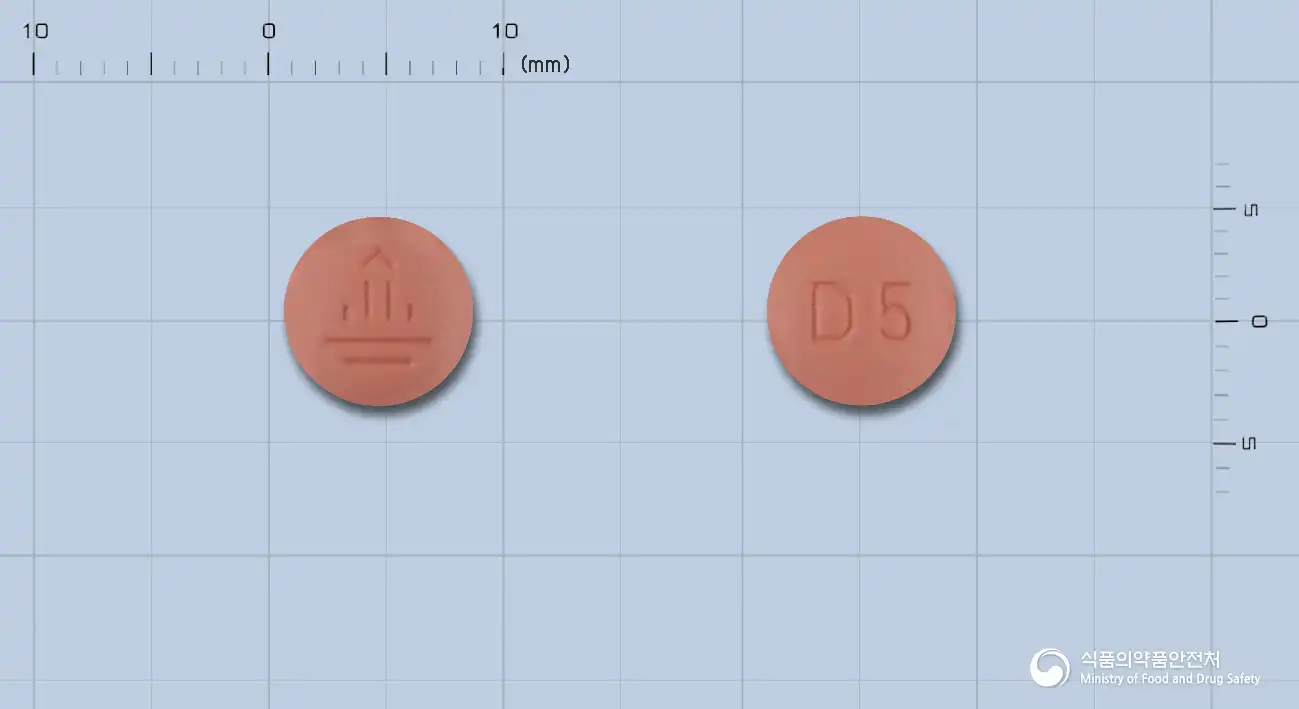
Linagliptin 5mg
Tablet · Prescription medication
Boehringer Ingelheim Korea Co., Ltd.
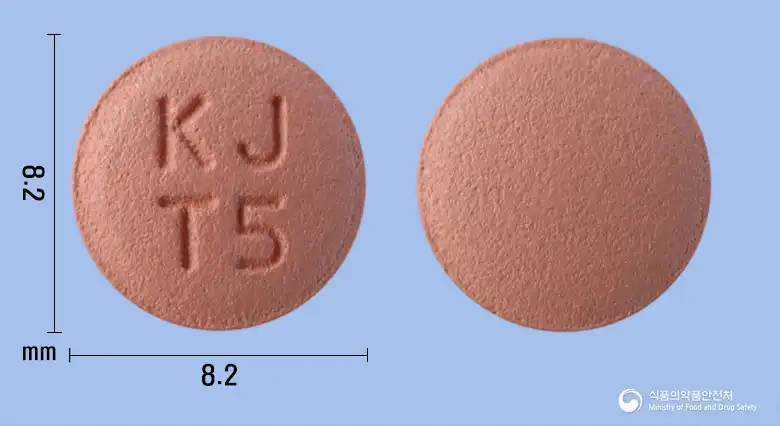
Linagliptin 5mg
Tablet · Prescription medication
International Pharmaceutical Co., Ltd.
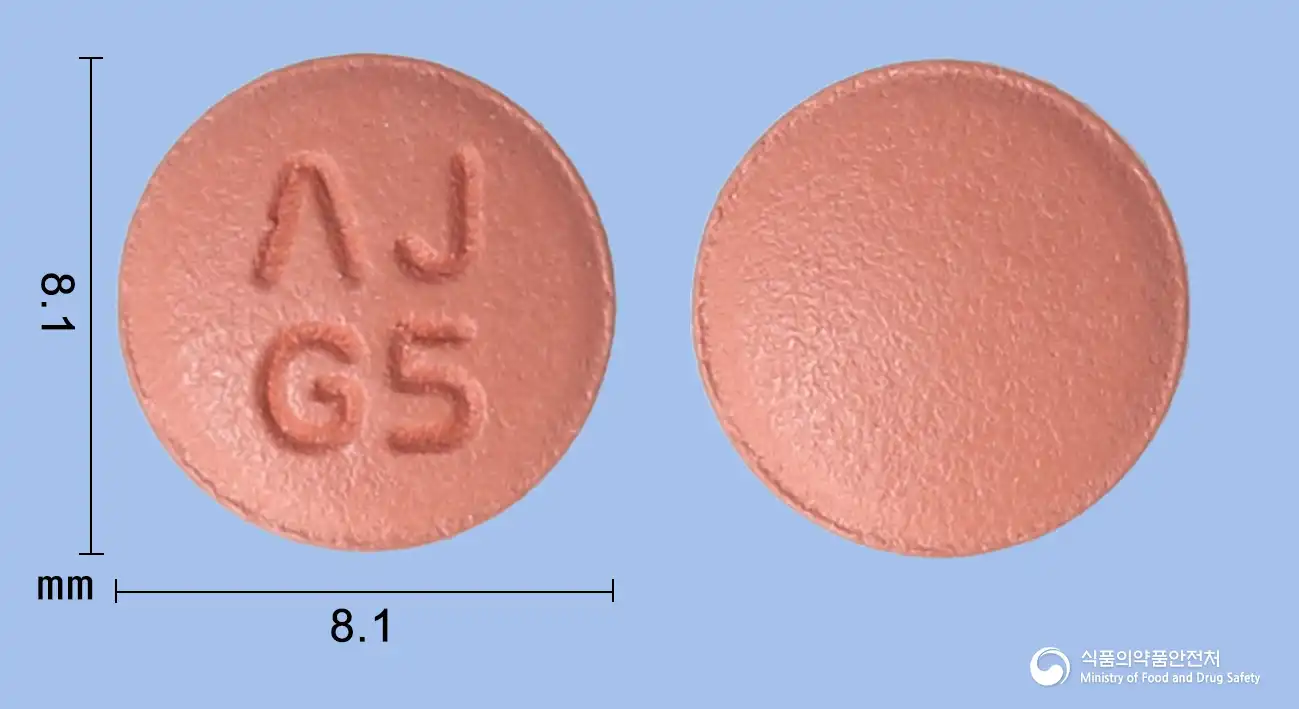
Linagliptin 5mg
Tablet · Prescription medication
Aju Pharmaceuticals Co., Ltd.
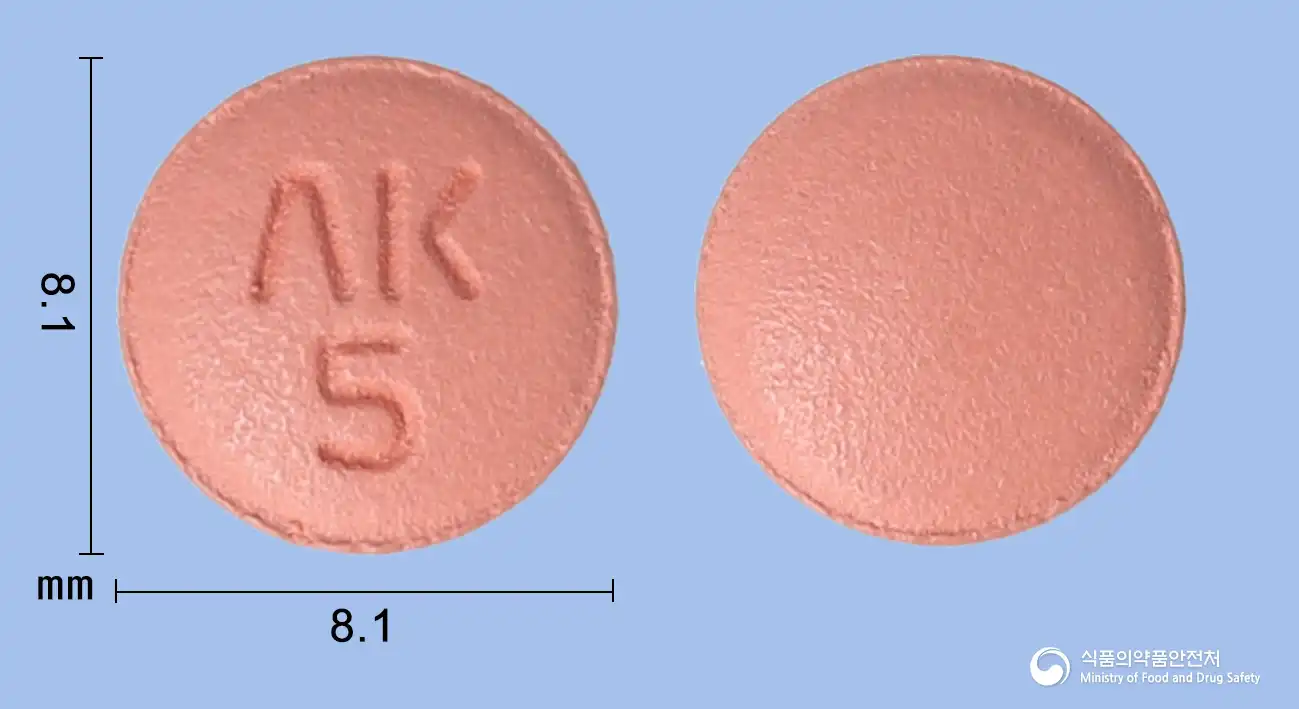
Linagliptin 5mg
Tablet · Prescription medication
Albozen Korea Co., Ltd.
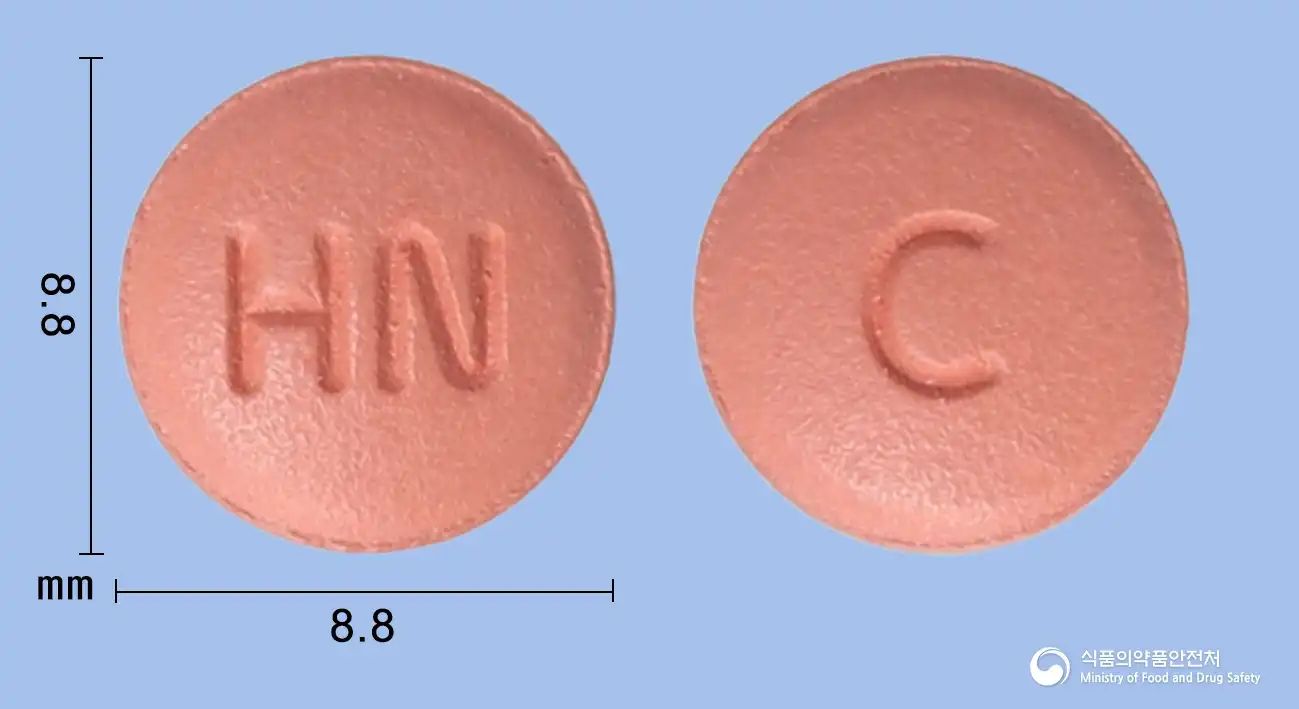
Linagliptin 5mg
Tablet · Prescription medication
Hana Pharmaceutical Co., Ltd.
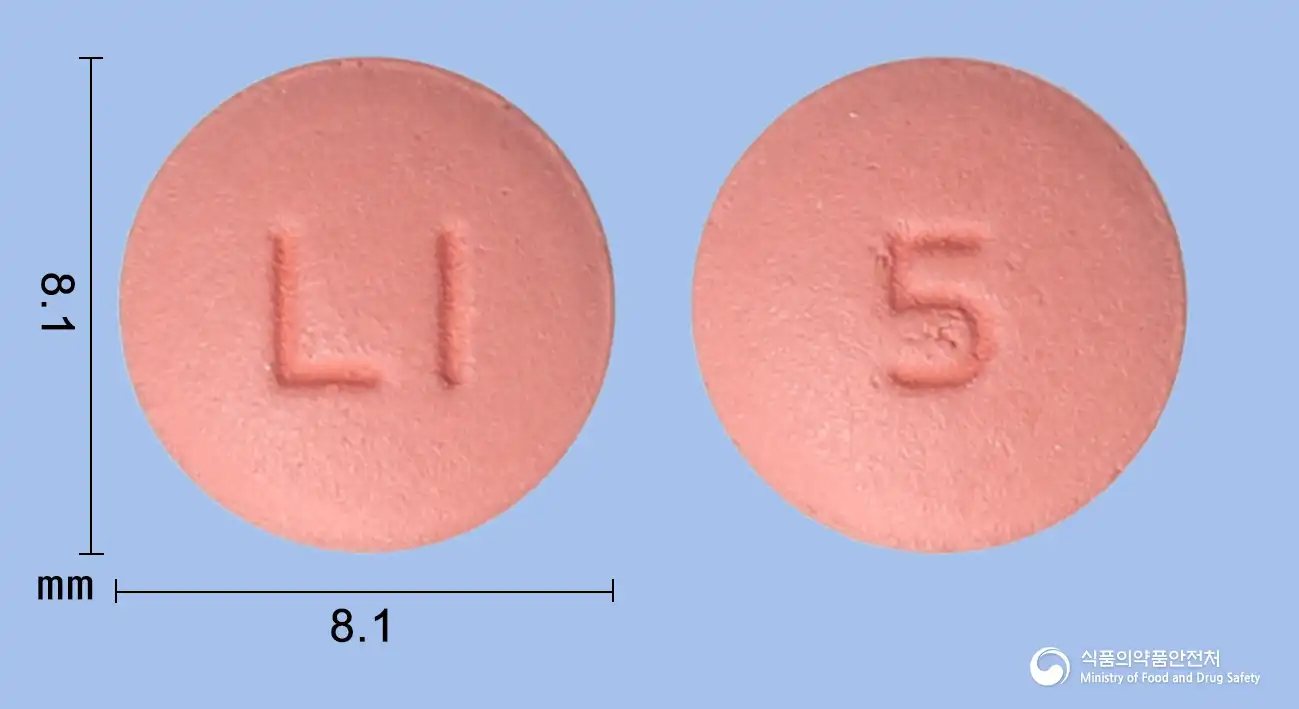
Linagliptin 5mg
Tablet · Prescription medication
Kyungdong Pharmaceutical Co., Ltd.
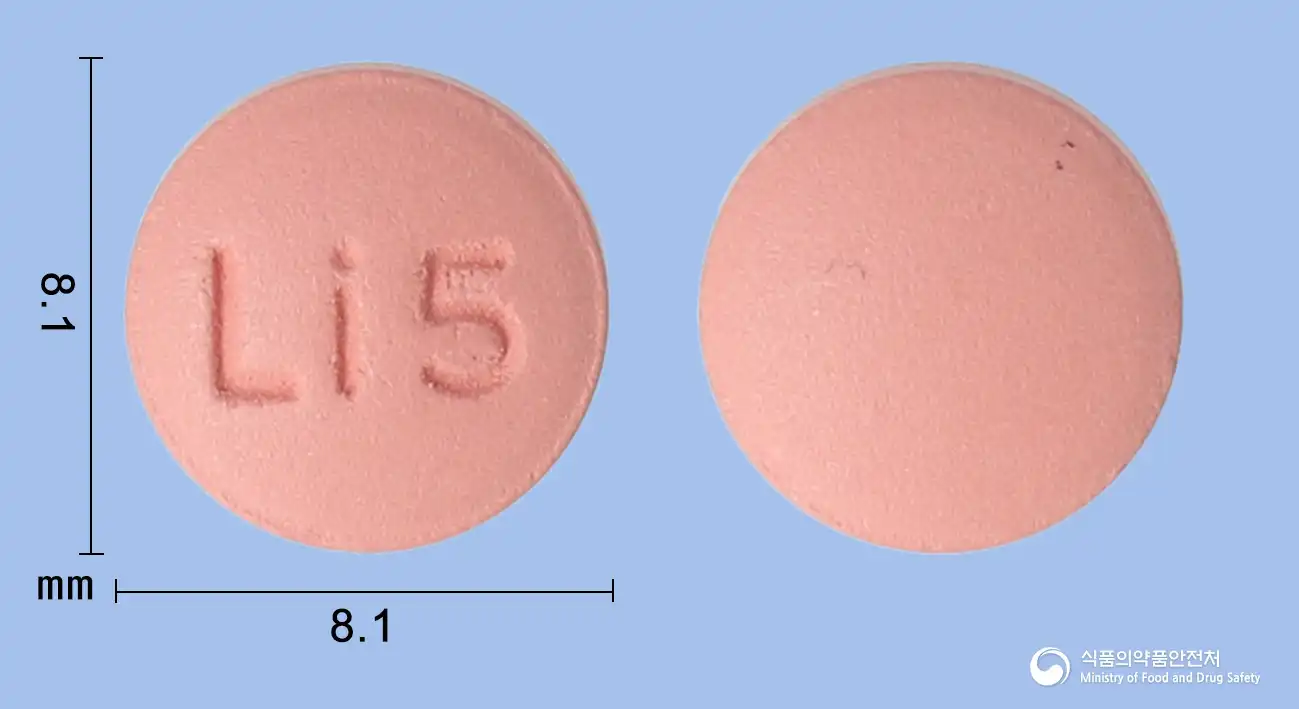
Linagliptin 5mg
Tablet · Prescription medication
Hanmi Pharmaceutical Co., Ltd.
Even with the same ingredient, the dose and directions can differ by strength and dosage form. Talk to a doctor or pharmacist before switching from a medication you are already taking.
No questions yet.
For anything that needs medical judgment, consult a doctor or pharmacist.
This drug information is based on data provided by the Korea Ministry of Food and Drug Safety.
Consult a doctor or pharmacist for accurate dosage, administration, and usage instructions.