
 한국어
한국어 English
 日本語
日本語 中文(简体)
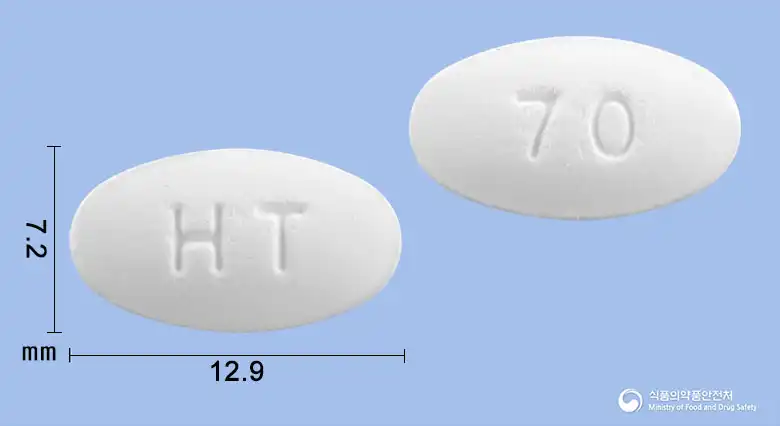 Viewing now
Alendron 70mg Tablet (Sodium Alendronate Trihydrate)
Sodium Alendronate Trihydrate 91.37mg
Tablet · Prescription medication
HanKook YuTex Pharmaceutical Co., Ltd.
MFDS item code 201801386 · Approved 2018.03.28 · Insurance code 649103900
Improvement of osteoporosis in postmenopausal women and men
This medication is used for the treatment of osteoporosis in postmenopausal women and men.
As Sodium Alendronate, take 70 mg once a week in the morning, with plenty of water at least 30 minutes before food, beverages, or other medications. This medication must be taken immediately upon waking up, and lying down for at least 30 minutes after taking is not allowed. Consuming food within 30 minutes after taking or simultaneously can decrease the drug's absorption into the body. If a dose is missed on the scheduled day, take 70 mg the next morning and return to the regular dosing schedule thereafter. However, do not take two tablets on the same day.
This medication may irritate the upper gastrointestinal mucosa and can cause problems such as esophagitis or esophageal ulcers. Therefore, those with esophageal conditions or swallowing difficulties should take special precautions. When taking this medication, it should be taken with a sufficient amount of water, and one should not lie down for at least 30 minutes after taking it. If symptoms such as pain behind the sternum, swallowing difficulties, or heartburn occur while taking it, the medication should be discontinued immediately, and a doctor should be consulted. Those with esophageal clearance disorders, unable to sit or stand upright for more than 30 minutes, have hypocalcemia, severe renal failure, are pregnant or nursing should not take this medication. In addition, those with genetic lactose intolerance should also exercise caution. Taking calcium supplements or antacids simultaneously may impair the absorption of this medication; therefore, a minimum interval of 30 minutes should be maintained. This medication can cause bone, joint, or muscle pain or gastrointestinal symptoms (abdominal pain, nausea, dyspepsia, etc.), and may rarely lead to serious esophageal damage or osteonecrosis of the jaw. With long-term use, the risk of fractures, such as femoral fractures, may increase, so it is essential to inform a doctor of any symptoms that arise. Before taking it, any mineral metabolic disorders like hypocalcemia should be treated, and adequate intake of calcium and vitamin D should be ensured. Women who are pregnant or may become pregnant should not take this medication; nursing mothers should also avoid it. Safety in children and adolescents under 18 years of age has not been established. Older adults can take this medication, but some may be more sensitive, so caution is necessary. It must be taken in the morning on an empty stomach with plenty of water, and lying down for 30 minutes after taking it should be avoided. This medication should not be chewed or sucked on, and the dosage instructions should be followed accurately. If any suspicious adverse symptoms occur while taking it, immediate consultation with a doctor is advised. This medication may interact with other drugs, so inform the physician of any medications currently taken, especially when combined with aspirin or nonsteroidal anti-inflammatory drugs, as there may be a risk of gastrointestinal irritation. In the case of overdose, inducing vomiting or dialysis is not recommended, so immediate medical attention is required for appropriate treatment. Keep this medication out of the reach of children, and it's advisable not to transfer it to another container.
Hives, angioedema, esophagitis, esophageal erosion, esophageal stricture, esophageal perforation, symptoms of hypocalcemia, peripheral edema, severe skin reactions (Stevens-Johnson syndrome, toxic epidermal necrolysis), severe edema, severe esophageal reactions, severe gastric and duodenal ulcers, localized osteonecrosis of the jaw, severe bone, joint and/or muscle pain.
Abdominal pain, nausea, dyspepsia, constipation, diarrhea, flatulence, acid reflux, esophageal ulcers, vomiting, swallowing difficulties, abdominal bloating, gastritis, musculoskeletal (bone, muscle, or joint) pain, muscle cramps, headache, dizziness, taste disturbance, rash, itching, hair loss, abdominal bloating, gastritis, gastric ulcer, gastroesophageal reflux disease, oropharyngeal ulcer, black tarry stools.
Not everyone experiences these, and they can vary from person to person.
This medication should be stored in a tightly closed container and kept away from moisture. The appropriate storage temperature is between 15 and 30 degrees Celsius.
White oval tablet
4 tablets (4 tablets/PTP pack (AluAlu)x1)
Even with the same ingredient, strength, dosage form and how it is taken can differ.
Viewing nowSodium Alendronate Trihydrate 91.37mg
Tablet · Prescription medication
HanKook YuTex Pharmaceutical Co., Ltd.
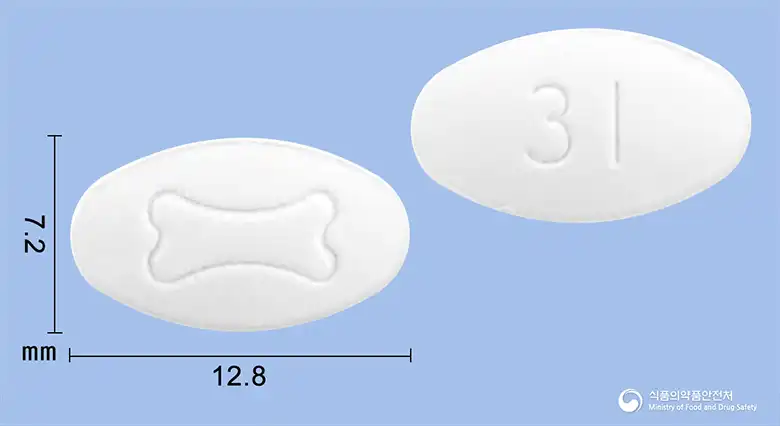
Sodium Alendronate Hydrate 91.37mg
Tablet · Prescription medication
Korea Organon Co., Ltd.
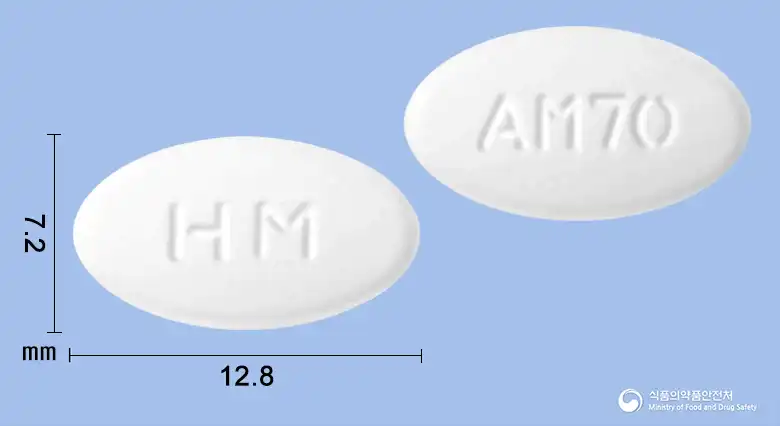
Sodium Alendronate 91.37mg
Tablet · Prescription medication
Hanmi Pharmaceutical Co., Ltd.
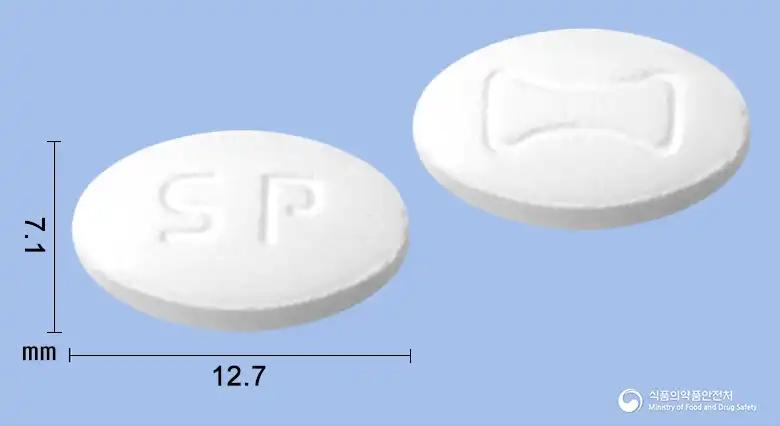
Sodium Alendronate Hydrate 91.37mg
Tablet · Prescription medication
Shinpoong Pharmaceutical Co., Ltd.
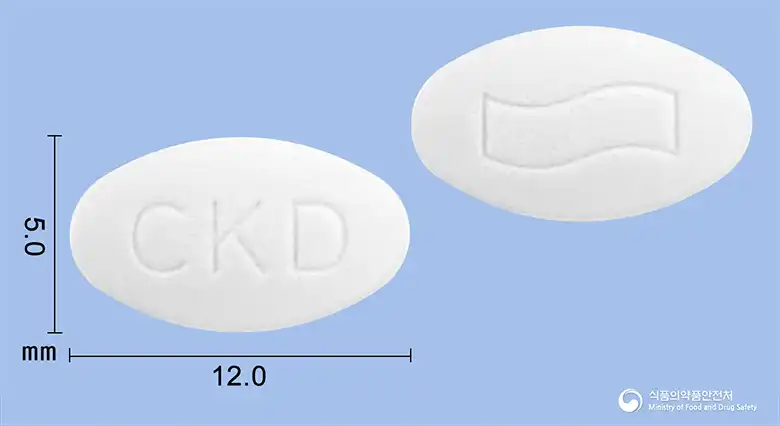
Sodium Alendronate 91.37mg
Tablet · Prescription medication
(Co., Ltd.) Jungkundang
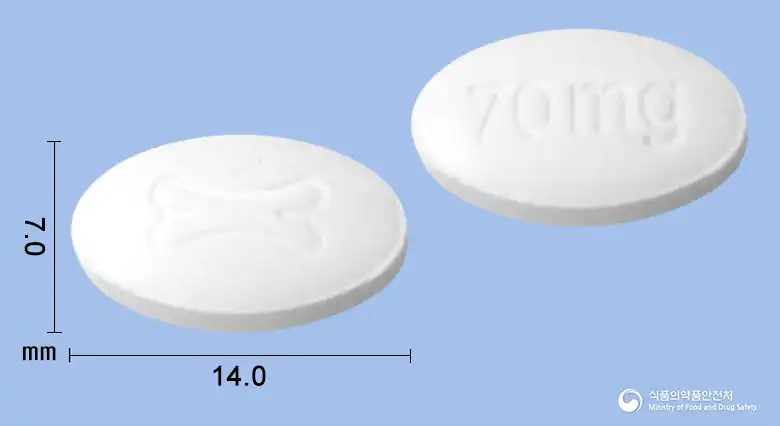
Sodium Alendronate Hydrate 91.37mg
Tablet · Prescription medication
Dongkwang Pharmaceutical Co., Ltd.
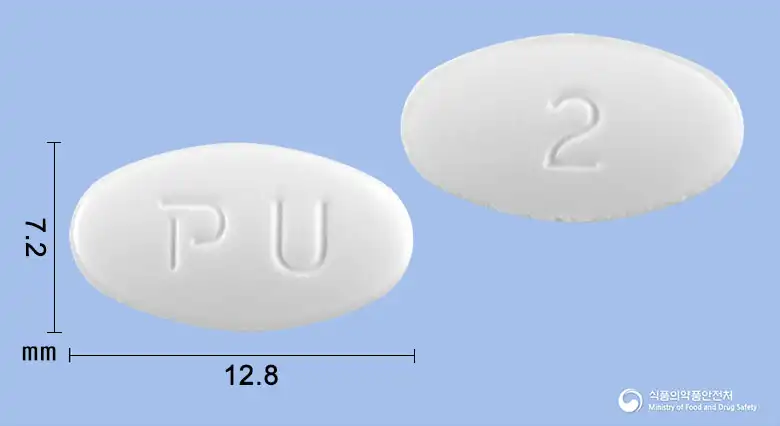
Sodium Alendronate Hydrate 91.37mg
Tablet · Prescription medication
Korea PMG Pharmaceutical Co., Ltd.
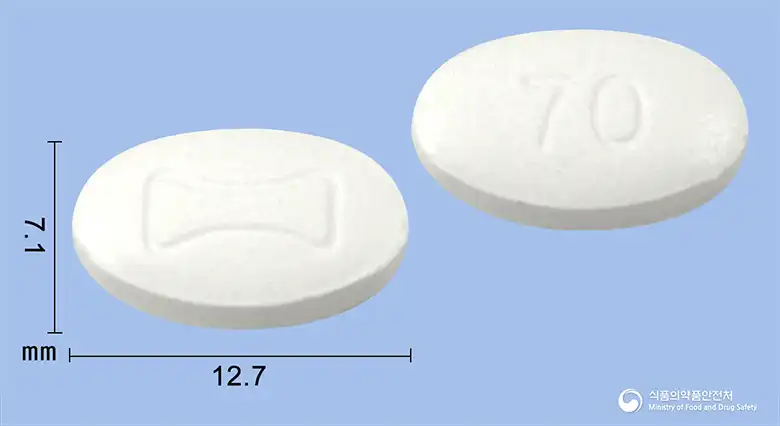
Sodium Alendronate Hydrate 91.37mg
Tablet · Prescription medication
Donggu Bio Pharmaceutical Co., Ltd.
Even with the same ingredient, the dose and directions can differ by strength and dosage form. Talk to a doctor or pharmacist before switching from a medication you are already taking.
No questions yet.
For anything that needs medical judgment, consult a doctor or pharmacist.
This drug information is based on data provided by the Korea Ministry of Food and Drug Safety.
Consult a doctor or pharmacist for accurate dosage, administration, and usage instructions.