
 한국어
한국어 English
 日本語
日本語 中文(简体)
Dosage form image
Viewing nowCombinationZerostat Plus Tablet
Losartan Potassium 50mg · Hydrochlorothiazide 12.5mg
Tablet · Prescription medication · Combination
Jeil Pharmaceutical Co., Ltd.
MFDS item code 201801381 · Approved 2018.03.28
This product's status changed to Approval withdrawn on 2025.07.24. It may no longer be sold, so consult a doctor or pharmacist before taking it.
Improvement in blood pressure control when monotherapy for hypertension is insufficient
Used for hypertension that is not adequately controlled with monotherapy.
The usual dose is 50 mg of losartan potassium / 12.5 mg of hydrochlorothiazide taken once daily. Doses exceeding 100 mg of losartan potassium / 25 mg of hydrochlorothiazide daily are not advisable. Start treatment with 50 mg of losartan potassium / 12.5 mg of hydrochlorothiazide once daily; if blood pressure is not controlled after three weeks of treatment, it can be increased up to 100 mg of losartan potassium / 25 mg of hydrochlorothiazide once daily.
There is no clinical experience with the use in children and adolescents; therefore, the combination of losartan-hydrochlorothiazide should not be administered to children and adolescents.
This medication can cause serious harm to the fetus, especially during the second and third trimesters of pregnancy, therefore, it should be discontinued immediately if pregnancy is confirmed. Patients with hypersensitivity to this medication or with certain kidney and liver diseases, electrolyte imbalance should not use it, and women who may become pregnant should avoid taking it. Patients with hypotension, kidney function decline, liver impairment, electrolyte abnormalities, hyperuricemia, gout, cerebrovascular disorders should use this medication cautiously. Due to the hydrochlorothiazide component, there may be an increased risk of skin cancer, so it is necessary to limit sun exposure and regularly check for skin changes. Dizziness, drowsiness, etc., may occur during use, so caution is needed when driving or operating machinery. This medication can affect potassium levels, so potassium supplements should not be taken arbitrarily, and regular serum electrolyte tests should be conducted. Drug interactions may occur when used together with other antihypertensives, diuretics, or medications affecting serum potassium, so consultation with a physician is necessary. This medication is not recommended for children and adolescents, and elderly patients may experience adverse reactions more frequently, so caution is needed. Ensure adequate hydration while taking this medication, and consult a doctor if excessive sweating, diarrhea, or vomiting occurs. Keep out of reach of children and store in its original container to prevent medication misuse or degradation.
Hives, severe swelling (edema), chest tightness, difficulty breathing, cold sweat, pallor, severe rash with high fever, blisters, skin peeling, pain in mucous membranes of mouth/eyes, shortness of breath or difficulty breathing, asthma attacks, respiratory abnormalities with cough + fever, yellowing of skin or eyes (jaundice), severe lethargy, sudden and very severe headache, thunderclap headache, seizures, altered consciousness, visual disturbances, paralysis, urination issues
Abdominal pain, edema/swelling, palpitations, back pain, dizziness, cough, sinusitis, upper respiratory infection, weakness/fatigue, diarrhea, nausea, headache, bronchitis, pharyngitis, chest pain, facial swelling, fever, orthostatic hypotension, syncope, angina, arrhythmia (atrial fibrillation, sinus bradycardia, tachycardia, ventricular tachycardia, ventricular fibrillation), cerebrovascular accident, hypotension, myocardial infarction, second-degree atrioventricular block, appetite loss, constipation, toothache, dry mouth, dyspepsia, flatulence, gastritis, vomiting
Not everyone experiences these, and they can vary from person to person.
This medication is sensitive to light, so it should be stored in a container that does not allow light in. Additionally, the medication should be stored at room temperature, ideally between 1 to 30 degrees Celsius.
Yellow oval film-coated tablet
30 tablets/bottle, 100 tablets/bottle
Even with the same ingredient, strength, dosage form and how it is taken can differ.
Losartan Potassium 50mg · Hydrochlorothiazide 12.5mg
Tablet · Prescription medication · Combination
Jeil Pharmaceutical Co., Ltd.
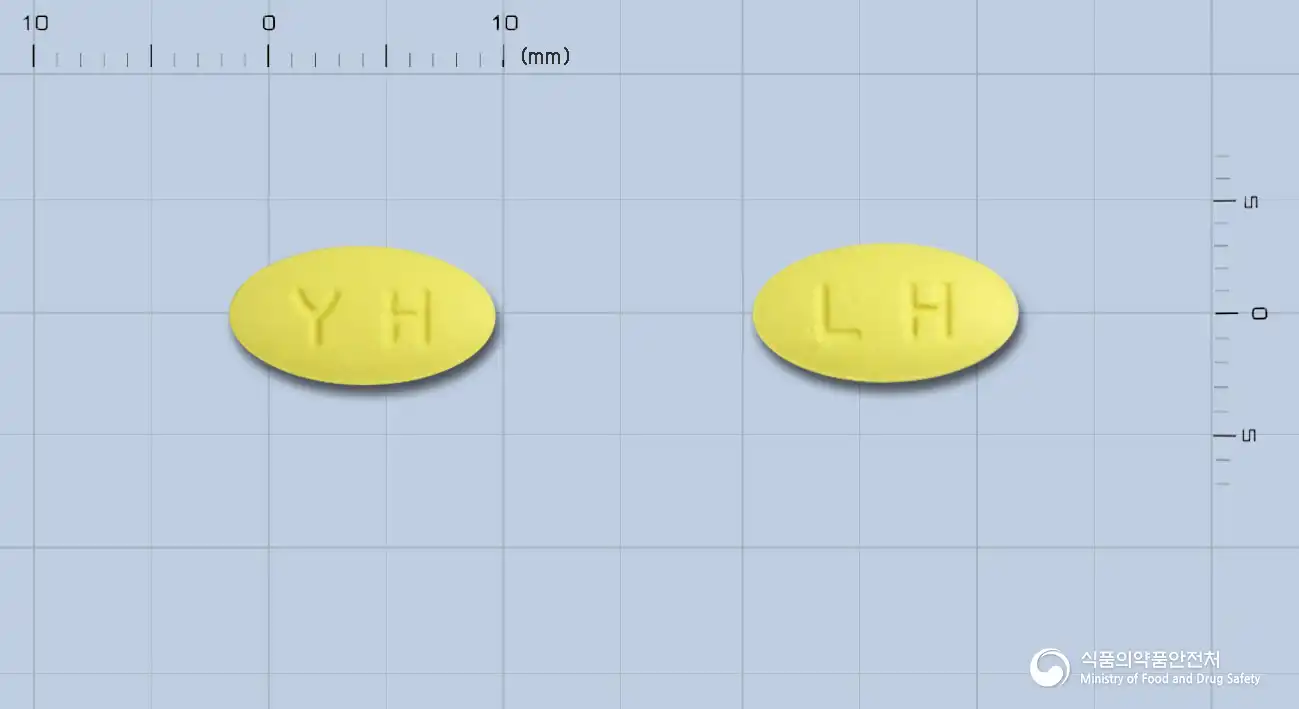 Combination
Losartan Potassium 50mg · Hydrochlorothiazide 12.5mg
Tablet · Prescription medication · Combination
(Co., Ltd.) Yuhan
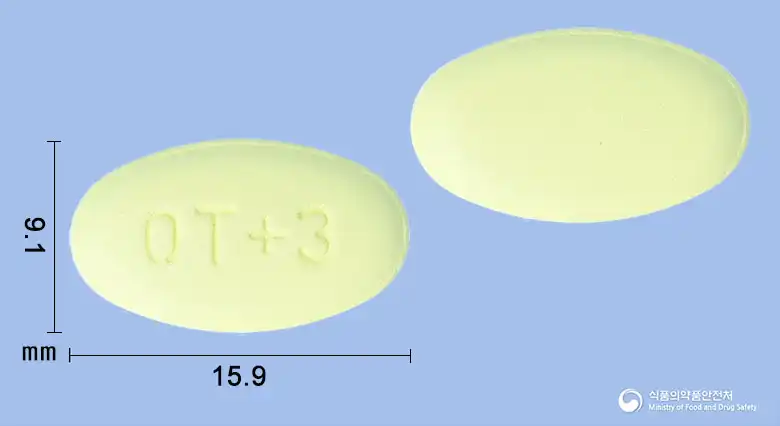 Combination
Losartan Potassium 100mg · Hydrochlorothiazide 25mg
Tablet · Prescription medication · Combination
Hanmi Pharmaceutical Co., Ltd.
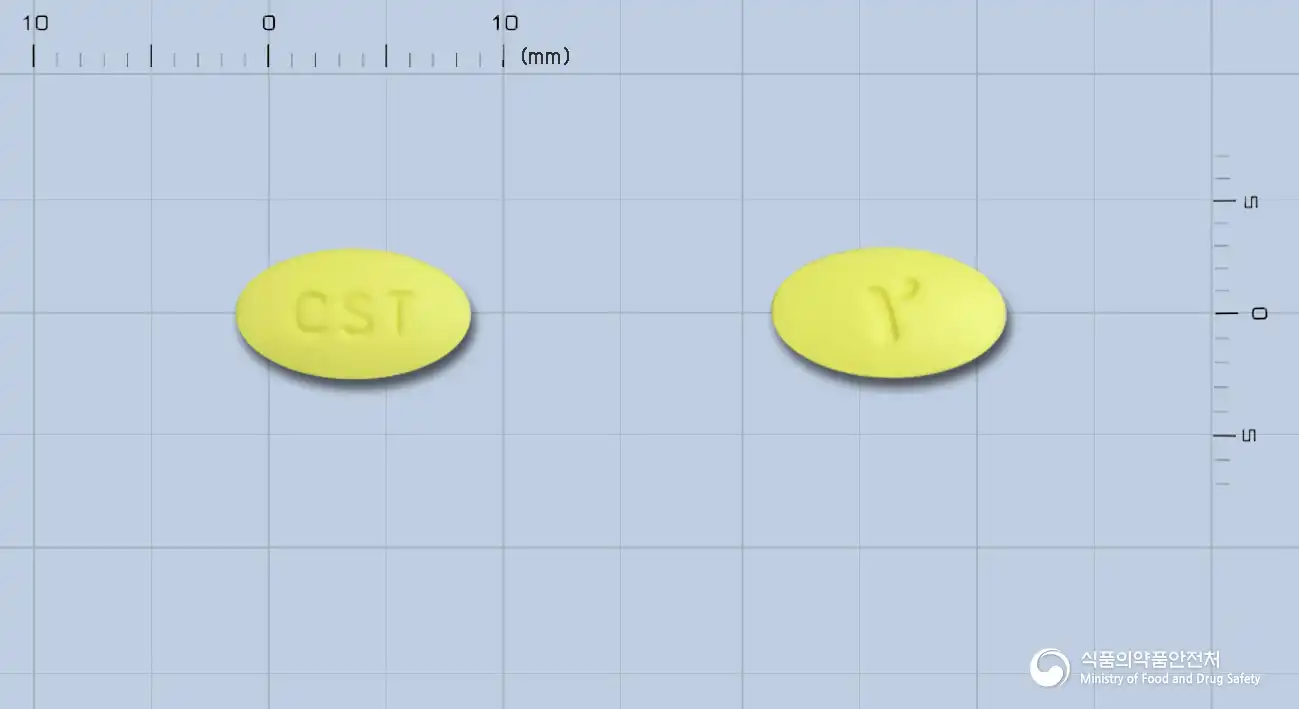 Combination
Losartan Potassium 50mg · Hydrochlorothiazide 12.5mg
Tablet · Prescription medication · Combination
(Co., Ltd. ) Yuyoung Pharmaceutical
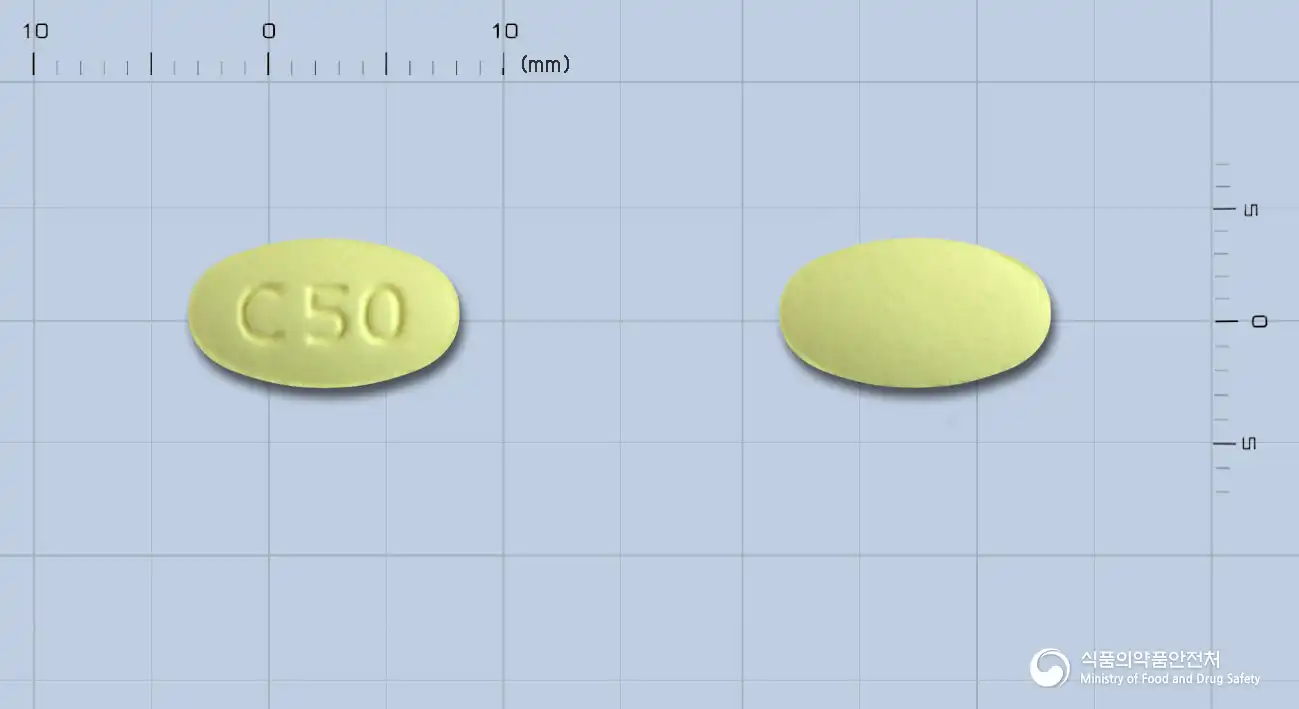 Combination
Losartan Potassium 50mg · Hydrochlorothiazide 12.5mg
Tablet · Prescription medication · Combination
Youngpoong Pharmaceutical Co., Ltd.
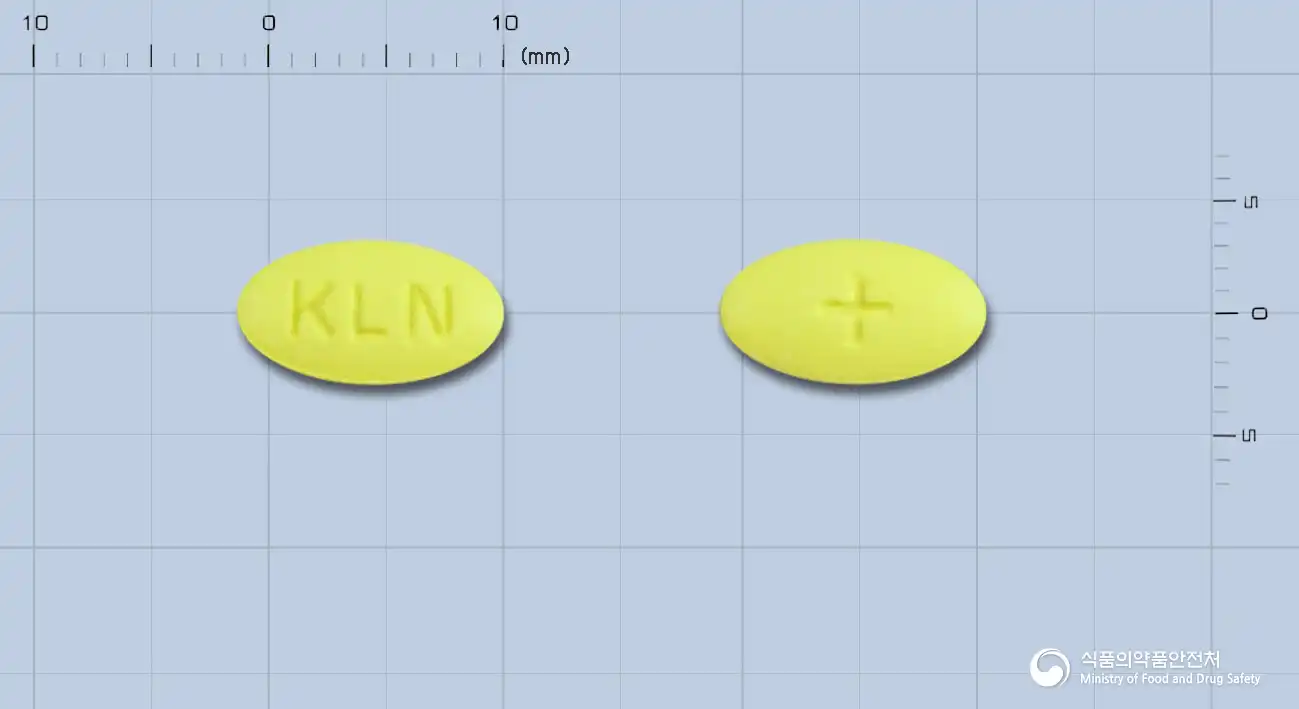 Combination
Losartan Potassium 50mg · Hydrochlorothiazide 12.5mg
Tablet · Prescription medication · Combination
Kolon Pharmaceutical Co., Ltd.
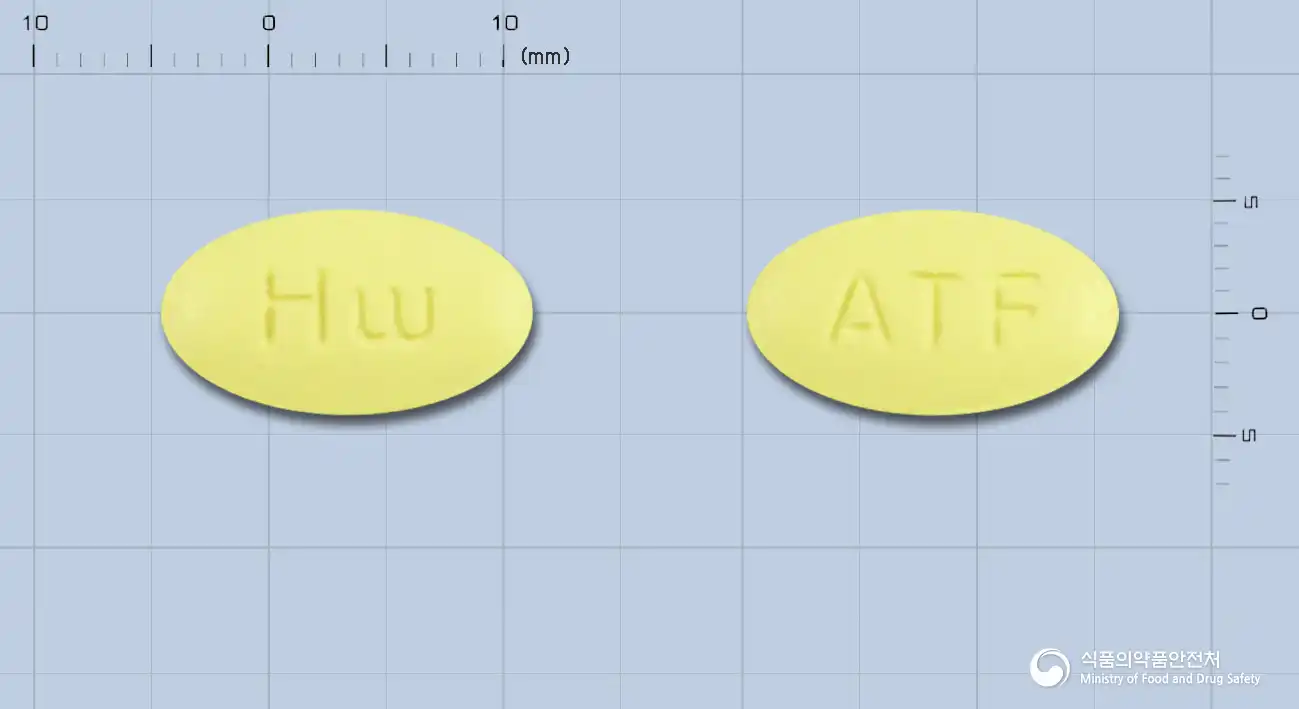 Combination
Losartan Potassium 100mg · Hydrochlorothiazide 25mg
Tablet · Prescription medication · Combination
NBK Pharmaceutical Co., Ltd.
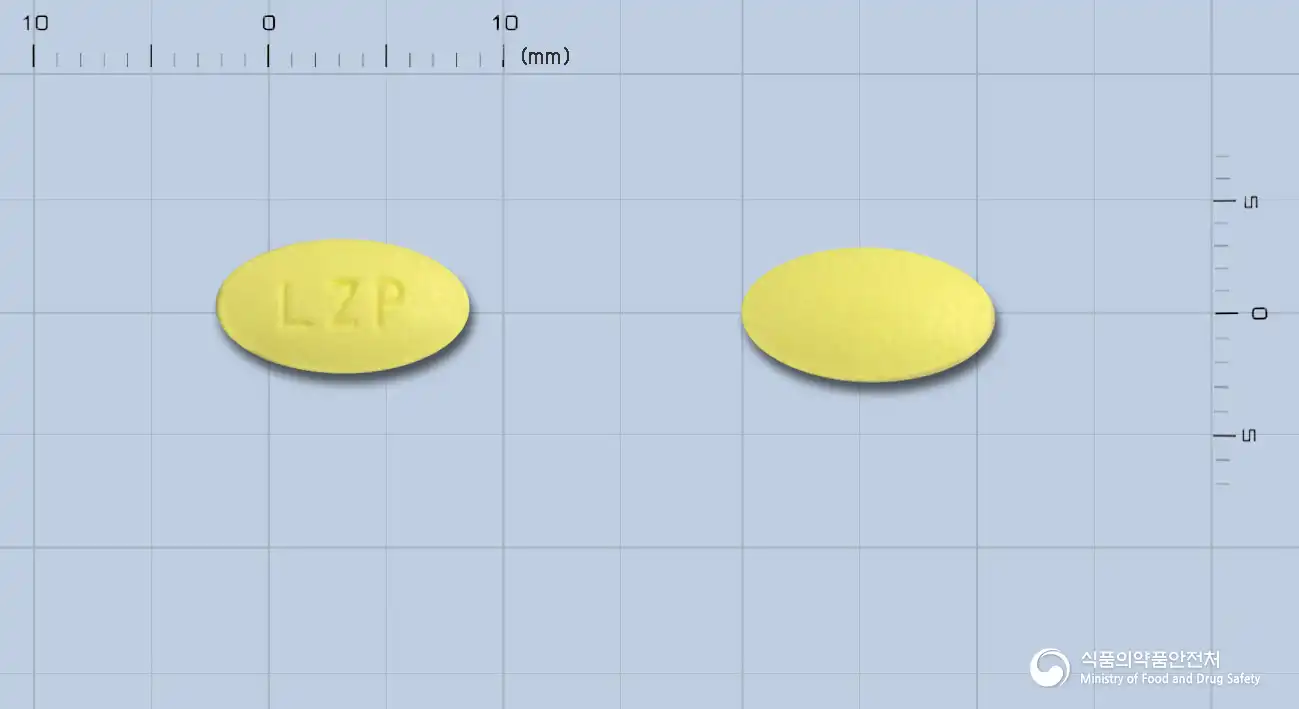 Combination
Losartan Potassium 50mg · Hydrochlorothiazide 12.5mg
Tablet · Prescription medication · Combination
Dongkwang Pharmaceutical Co., Ltd.
Even with the same ingredient, the dose and directions can differ by strength and dosage form. Talk to a doctor or pharmacist before switching from a medication you are already taking.
No questions yet.
For anything that needs medical judgment, consult a doctor or pharmacist.
This drug information is based on data provided by the Korea Ministry of Food and Drug Safety.
Consult a doctor or pharmacist for accurate dosage, administration, and usage instructions.