
 한국어
한국어 English
 日本語
日本語 中文(简体)
Dosage form image
Viewing nowAlbone (Alendronate Sodium Hydrate)
Sodium Alendronate Hydrate
Prescription medication
Medix Pharmaceutical Co., Ltd.
MFDS item code 201801230 · Approved 2018.03.20
This product's status changed to Expired on 2023.03.20. It may no longer be sold, so consult a doctor or pharmacist before taking it.
Improvement of postmenopausal osteoporosis in women and men
This medication is used to treat osteoporosis in both postmenopausal women and men. It strengthens bones weakened by osteoporosis to reduce the risk of fractures and improve bone health.
As alendronate, take 70 mg once a week in the morning at least 30 minutes before consuming food, beverages, or other medications with a sufficient amount of water (170 - 230 mL). After taking, do not lie down for at least 30 minutes and until the first food intake. Take it immediately upon waking in the morning and do not take it before bed or right before getting up. If a dose is missed on the scheduled day, take 70 mg the next morning.
This medication can irritate the stomach and esophagus, so patients with upper gastrointestinal diseases such as gastritis, esophagitis, or esophageal ulcers should be cautious when taking it. In particular, patients with issues in the esophagus or those with esophageal strictures or achalasia should not use this medication. After taking it, do not lie down for at least 30 minutes, and take it with a sufficient amount of water to reduce esophageal irritation. This medication helps in the absorption of calcium and vitamin D, so patients with calcium deficiency or hypocalcemia must correct these before treatment. Additionally, it is safe to avoid this medication in patients with severely impaired kidney function or in pregnant or breastfeeding women. If gastrointestinal symptoms occur during use, especially chest pain, dysphagia, or heartburn, the medication should be stopped immediately and medical advice should be sought. This medication may rarely cause unusual fractures in the bones during long-term use, so if pain persists, it is advisable to get an examination. If dental treatment is necessary, there is a risk of jawbone necrosis, so patients must inform their doctor and dentist and receive appropriate care before and after treatment. When taking with other medications, it should be taken with intervals from calcium supplements or antacids to avoid interference with drug absorption. It should be avoided in pregnant women, children, and adolescents under 18 years for whom safety has not been established. Elderly patients can take it, but caution is required as some may be more sensitive to the medication. Overdosing may result in gastrointestinal irritation symptoms, so milk or antacids should be taken according to the doctor's instructions, and vomiting should not be induced. This medication should be kept out of reach of children, and it should not be transferred to another container.
Hives, severe swelling (angioedema), difficulty breathing, severe esophagitis, esophageal ulcers, esophageal erosion, esophageal strictures, perforation, oral pharyngeal ulcers, gastric ulcers, duodenal ulcers, severe skin adverse reactions (Stevens-Johnson syndrome, toxic epidermal necrolysis), symptoms of hypocalcemia, systemic fatigue, severe swelling, sudden and severe headaches, lightning headache, seizures, confusion, vision disturbances, paralysis, severe swelling, urination abnormalities.
Abdominal pain, nausea, indigestion, constipation, diarrhea, flatulence, acid reflux, esophageal ulcers, vomiting, dysphagia, abdominal bloating, gastritis, musculoskeletal pain, muscle spasms, headache, dizziness, altered taste, rash and erythema, itching, hair loss, black stools, oral pharyngeal ulcers, periodontal disease, osteomyelitis including bone marrow infection, uveitis, scleritis, episcleritis, and cholesteatoma of the external ear.
Not everyone experiences these, and they can vary from person to person.
This medication may be sensitive to air or moisture, so it must be stored in a sealed container. The recommended storage temperature is between 1 to 30 degrees Celsius at room temperature. This way, the effectiveness and safety of the medication can be maintained for a long time.
White oval-shaped tablet
4 tablets/Alu-Alu
Even with the same ingredient, strength, dosage form and how it is taken can differ.
Sodium Alendronate Hydrate
Prescription medication
Medix Pharmaceutical Co., Ltd.
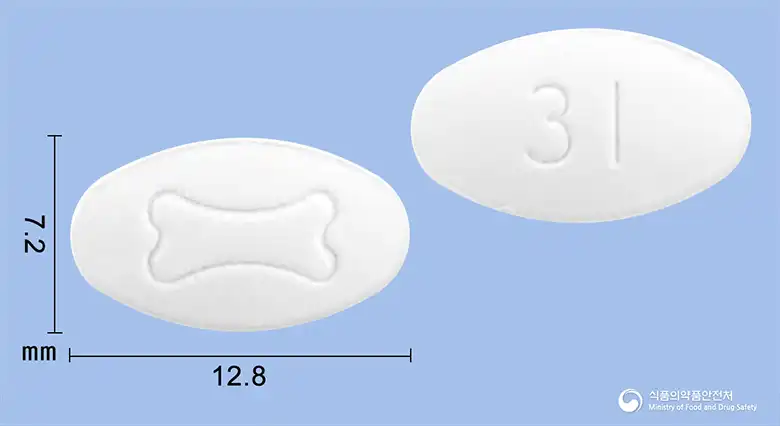
Sodium Alendronate Hydrate 91.37mg
Tablet · Prescription medication
Korea Organon Co., Ltd.
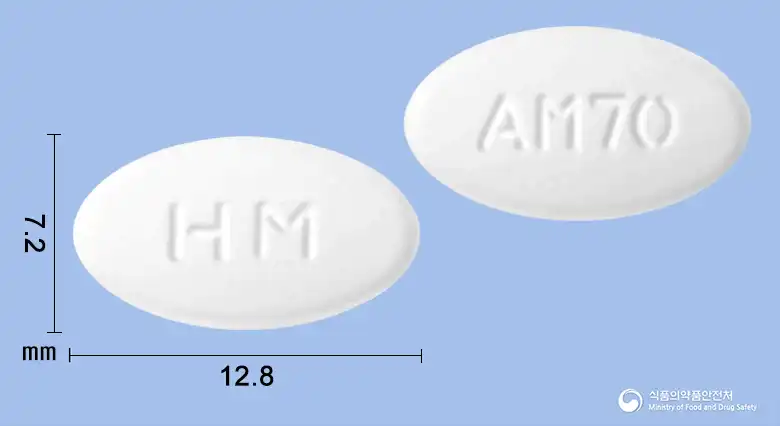
Sodium Alendronate 91.37mg
Tablet · Prescription medication
Hanmi Pharmaceutical Co., Ltd.
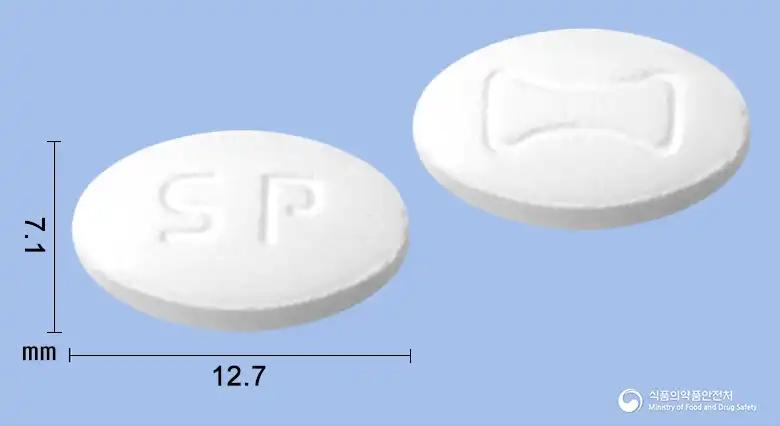
Sodium Alendronate Hydrate 91.37mg
Tablet · Prescription medication
Shinpoong Pharmaceutical Co., Ltd.
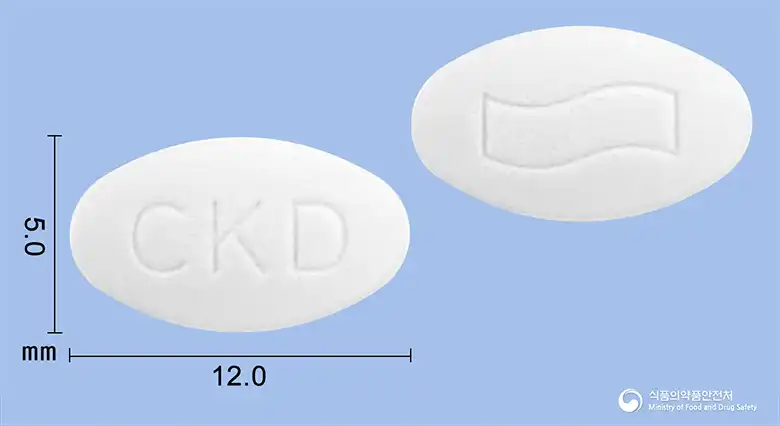
Sodium Alendronate 91.37mg
Tablet · Prescription medication
(Co., Ltd.) Jungkundang
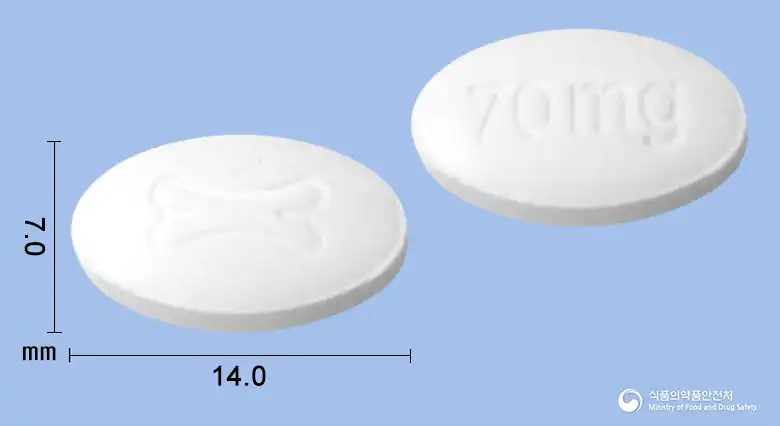
Sodium Alendronate Hydrate 91.37mg
Tablet · Prescription medication
Dongkwang Pharmaceutical Co., Ltd.
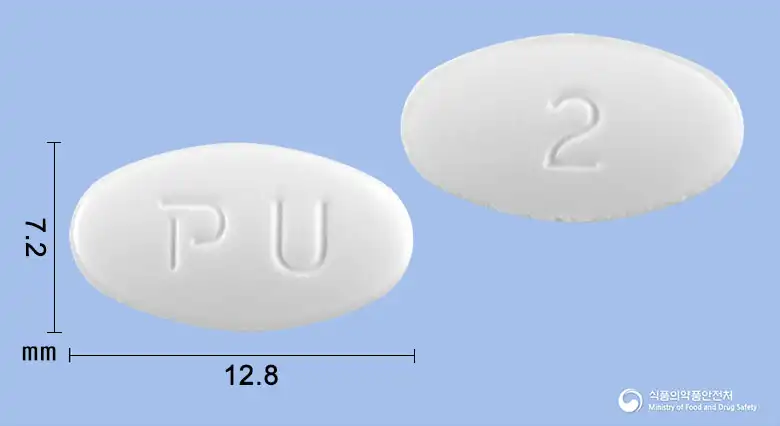
Sodium Alendronate Hydrate 91.37mg
Tablet · Prescription medication
Korea PMG Pharmaceutical Co., Ltd.
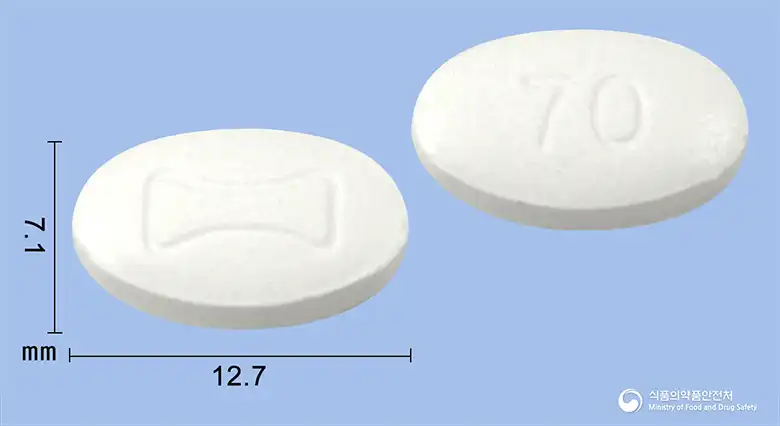
Sodium Alendronate Hydrate 91.37mg
Tablet · Prescription medication
Donggu Bio Pharmaceutical Co., Ltd.
Even with the same ingredient, the dose and directions can differ by strength and dosage form. Talk to a doctor or pharmacist before switching from a medication you are already taking.
No questions yet.
For anything that needs medical judgment, consult a doctor or pharmacist.
This drug information is based on data provided by the Korea Ministry of Food and Drug Safety.
Consult a doctor or pharmacist for accurate dosage, administration, and usage instructions.