
 한국어
 English
 日本語
 中文(简体)
 Viewing now
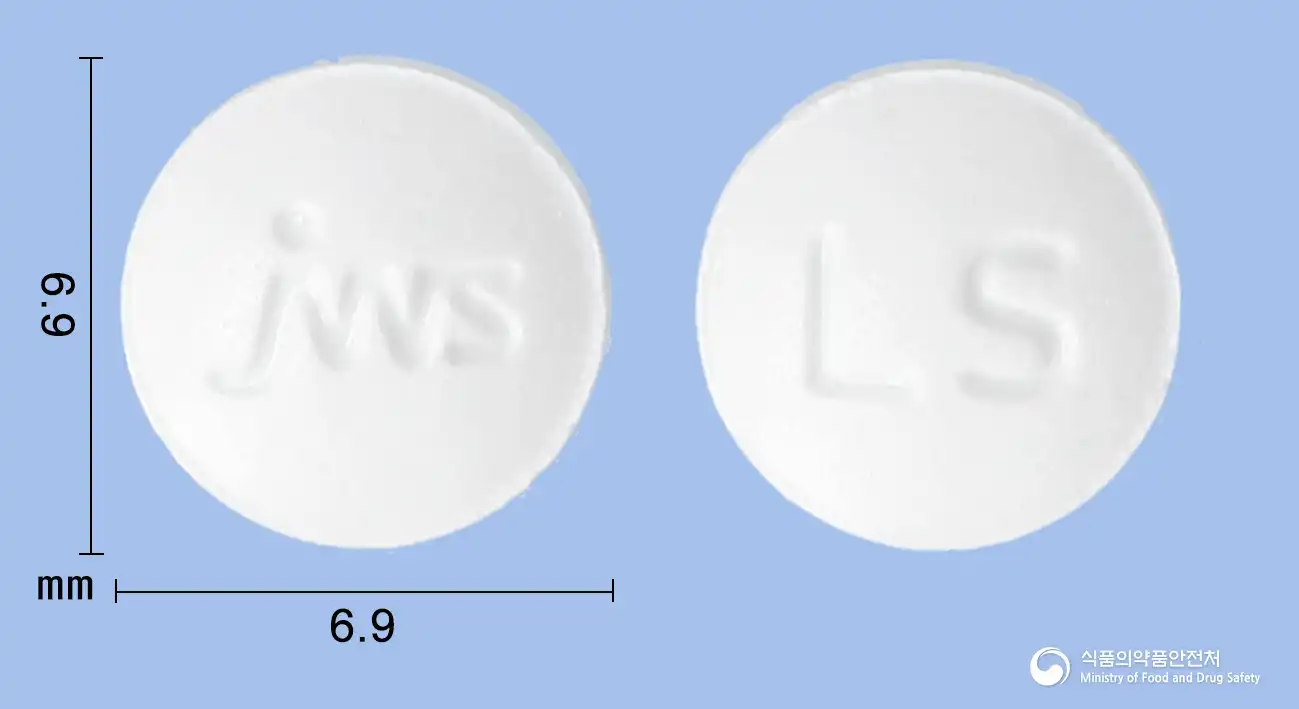
JW Shinyak Levopromazine Tablets (Levopromazine)
Levosulpiride 25mg
Tablet · Prescription medication
JW Shinyak Co., Ltd.
MFDS item code 201801180 · Approved 2018.03.15
Relief of symptoms of functional dyspepsia (such as abdominal bloating, heartburn, and nausea)
Helps alleviate symptoms such as abdominal bloating, upper abdominal discomfort, heartburn, belching, nausea, and vomiting caused by functional dyspepsia.
Adults: Administer 25 mg of levosulpiride orally 3 times daily before meals.
This medication should not be administered to women who are pregnant or potentially pregnant, or to nursing women. Patients with gastrointestinal bleeding, mechanical obstruction, perforation, etc. should not use this medication as it may stimulate gastrointestinal motility and be harmful. This medication should not be given to patients with specific tumors, such as pheochromocytoma, as it may worsen hypertension. Patients with allergy reactions to this medication or those who cannot tolerate it should avoid its use. This medication poses a risk of worsening symptoms in patients with epilepsy, manic episodes, or mania in bipolar disorder, and should not be administered in these cases. Caution is necessary for patients with breast-related diseases as symptoms may worsen due to increased prolactin secretion. Patients with hereditary lactose metabolism disorders may experience side effects due to the lactose contained in this medication, and its use should be avoided. Careful administration is necessary for patients with hypertension, children, and the elderly; in children, be particularly cautious of overdose as extrapyramidal symptoms are more likely to occur. This medication can cause side effects such as amenorrhea, excessive milk secretion, and gynecomastia due to hormone secretion abnormalities; immediate cessation of use is required if any unusual symptoms appear. Neurological side effects such as tremors, tongue twisting, and restlessness may occur, and medication should be discontinued if these symptoms appear. Prolonged use may lead to involuntary movements that can persist even after discontinuation; vigilance is required. Gastrointestinal symptoms such as dry mouth, heartburn, nausea, vomiting, diarrhea, and constipation may occur. Cardiac-related side effects such as hypertension or arrhythmia may occur, and caution is advised. Rarely, a serious side effect known as neuroleptic malignant syndrome may occur, requiring immediate cessation of medication and medical attention if symptoms such as high fever, muscle rigidity, and altered consciousness appear. Rashes or swelling may occur rarely, and usage should be stopped if these symptoms are observed. Avoid activities requiring attention, such as driving or operating machinery, while taking this medication. There may be interactions with other medications, so caution is especially needed when taking with anticholinergics, analgesics, digitalis preparations, psychiatric medications, alcohol, etc. Particular care must be taken when used with medications that have a risk of cardiac arrhythmias, and it should not be taken with medications that cause electrolyte disturbances. It is safest to avoid administration to pregnant and nursing women as the safety for the fetus and neonate has not been established. Elderly patients may have increased drug concentrations due to renal function decline, so dosage and intervals should be adjusted and attention paid to adverse reactions. This medication has antiemetic properties and may mask vomiting symptoms caused by other reasons, making symptom observation important. Animal studies have reported a reduction in reproductive function and an increase in tumor occurrence, necessitating caution with long-term use.
Not everyone experiences these, and they can vary from person to person.
This medication may be sensitive to air or moisture, so it should be stored in a tightly sealed container. It is recommended to store at room temperature between 1 and 30 degrees Celsius.
White round tablets
30 tablets/bottle, 500 tablets/bottle
Even with the same ingredient, strength, dosage form and how it is taken can differ.
Viewing nowLevosulpiride 25mg
Tablet · Prescription medication
JW Shinyak Co., Ltd.

Levosulpiride 25mg
Tablet · Prescription medication
SK Chemical Co., Ltd.

Levosulpiride 25mg
Tablet · Prescription medication
Shinpoong Pharmaceutical Co., Ltd.

Levosulpiride 25mg
Tablet · Prescription medication
Dongkwang Pharmaceutical Co., Ltd.
Levosulpiride 25mg
Tablet · Prescription medication
Il Dong Pharmaceutical Co., Ltd.

Levosulpiride 25mg
Tablet · Prescription medication
Hanoll Biopharma Co., Ltd.
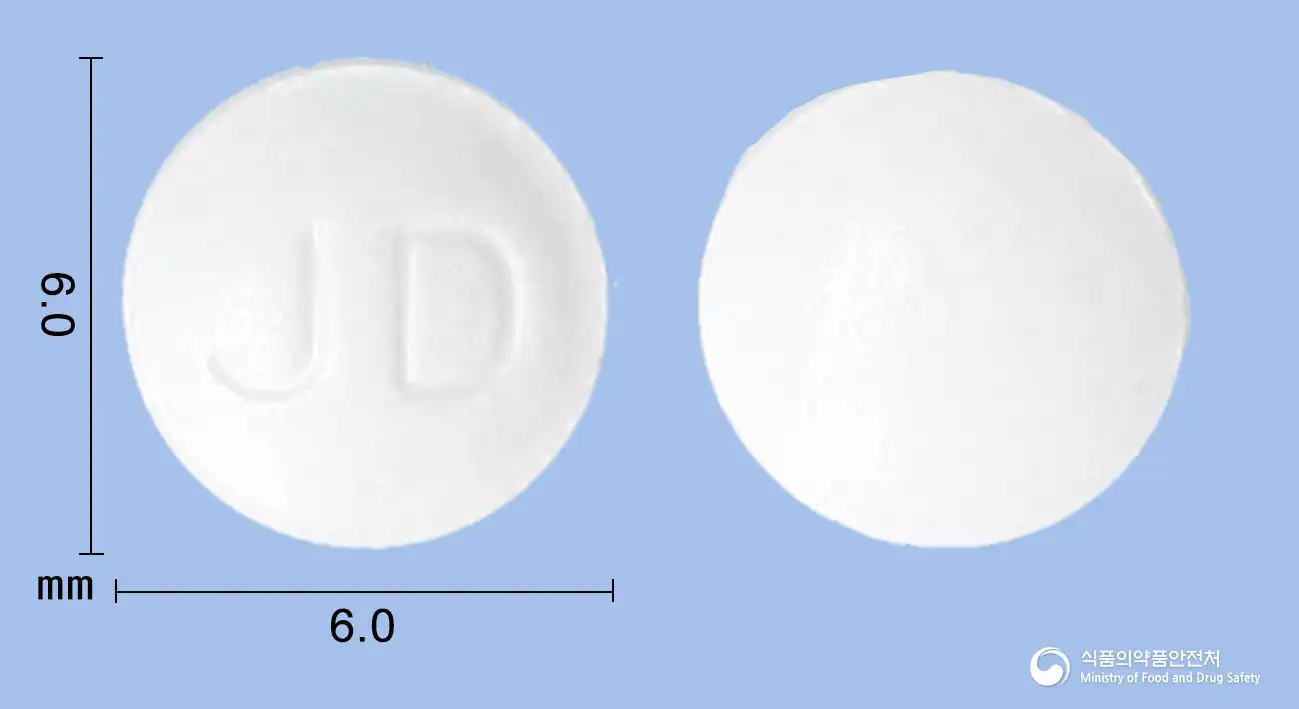
Levosulpiride 25mg
Tablet · Prescription medication
Gonil Biopharm Co., Ltd.

Levosulpiride 25mg
Tablet · Prescription medication
Bionex Co., Ltd.
Even with the same ingredient, the dose and directions can differ by strength and dosage form. Talk to a doctor or pharmacist before switching from a medication you are already taking.
No questions yet.
For anything that needs medical judgment, consult a doctor or pharmacist.
This drug information is based on data provided by the Korea Ministry of Food and Drug Safety.
Consult a doctor or pharmacist for accurate dosage, administration, and usage instructions.