
 한국어
한국어 English
 日本語
日本語 中文(简体)
Dosage form image
Viewing nowGunalendip 24 Plaster (Diclofenac Sodium)
Diclofenac Sodium 15mg
Patch · OTC medication
Kyungdong Pharmaceutical Co., Ltd.
MFDS item code 201800891 · Notified 2018.02.22
Pain relief and anti-inflammatory effects for degenerative arthritis and muscle pain.
This medication is used to relieve pain and reduce inflammation for various conditions such as degenerative arthritis, periarthritis of the shoulder, tendonitis, tendovaginitis, lateral epicondylitis (tennis elbow), muscle pain, and post-traumatic edema and pain.
Adults (ages 15 and over) should apply one patch once a day to the affected area.
This medication should not be used by individuals who have experienced allergic reactions or hypersensitivity to its ingredients. It should also not be used by individuals who have had worsened asthma symptoms or hypersensitivity reactions due to aspirin or other non-steroidal anti-inflammatory drugs (NSAIDs). Children under the age of 15 should not use this product as its safety has not been established. Pregnant women in their third trimester should avoid it as it may pose risks to the fetus and mother. During use, it should not be combined with other diclofenac preparations or NSAIDs. Individuals with bronchial asthma or infections at the site of inflammation should consult a doctor or pharmacist, as should those with chronic diseases. In early and mid-pregnancy, the safety of this medication is not fully confirmed, so it should only be used at the minimum effective dose and for the shortest duration if necessary. Nursing mothers should avoid its use as it may pass into breast milk. Elderly patients should use it cautiously due to an increased risk of cardiovascular, gastrointestinal, and renal side effects. If severe rash, redness, swelling, or blisters occur while using this medication, it should be stopped immediately and a doctor or pharmacist consulted. Rarely, allergic reactions or respiratory distress can occur after medication use; if such symptoms arise, seek immediate assistance from a healthcare professional. This medication aids in symptom relief but is not a treatment for the underlying cause, therefore consultation with a healthcare professional is necessary for long-term use. After two weeks of use, its effectiveness and side effects should be re-evaluated to decide whether to continue. It should not be applied to the eyes or mucous membranes and should be avoided on damaged skin or areas with eczema. Caution should be taken if used with a sealed bandage as side effects may worsen. If there is skin damage, temporary irritation or tingling may occur, hence caution is advised. Using it with certain antibiotics may increase seizure risk, so any unusual symptoms should be promptly treated. Overuse may lead to severe side effects such as hypotension, renal function impairment, seizures, gastrointestinal disturbances, and respiratory depression, hence caution is needed. This medication may affect renal function when used with certain diuretics, and careful monitoring of renal status is required. The risk of gastrointestinal bleeding or ulcers may increase, so individuals with a history of gastrointestinal disorders should be particularly careful, especially when used with anticoagulants, as the risk of bleeding should be monitored closely.
Not everyone experiences these, and they can vary from person to person.
This medication should not be applied or taken concurrently with diclofenac formulations or other non-steroidal anti-inflammatory drugs (NSAIDs). Patients receiving quinolone antibiotics (such as enoxacin), loop diuretics (such as furosemide), thiazide diuretics, anticoagulant medications (such as warfarin), antiplatelet agents (such as aspirin), selective serotonin reuptake inhibitors, and serotonin-norepinephrine reuptake inhibitors should consult with a doctor or pharmacist.
This medication is sensitive to light and should be stored in a container that does not allow light to enter. Additionally, when storing, it is important to maintain room temperature, ideally between 1 degree and 30 degrees Celsius, to preserve its effectiveness.
It is a transdermal patch with a colorless to transparent or light yellow viscous substance applied to a supporting material, covered with a solid backing.
10 sheets per pack
Even with the same ingredient, strength, dosage form and how it is taken can differ.
Diclofenac Sodium 15mg
Patch · OTC medication
Kyungdong Pharmaceutical Co., Ltd.
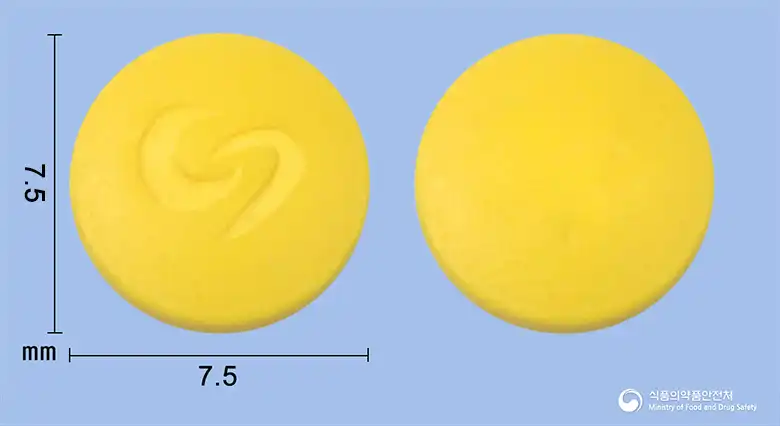
Diclofenac Sodium 25mg
Tablet · Prescription medication
Dongkwang Pharmaceutical Co., Ltd.
Diclofenac Sodium 75mg
Prescription medication
Ajou Pharmaceuticals Co., Ltd.
Diclofenac Sodium 37.5mg
Prescription medication
Hwanin Pharmaceutical Co., Ltd.
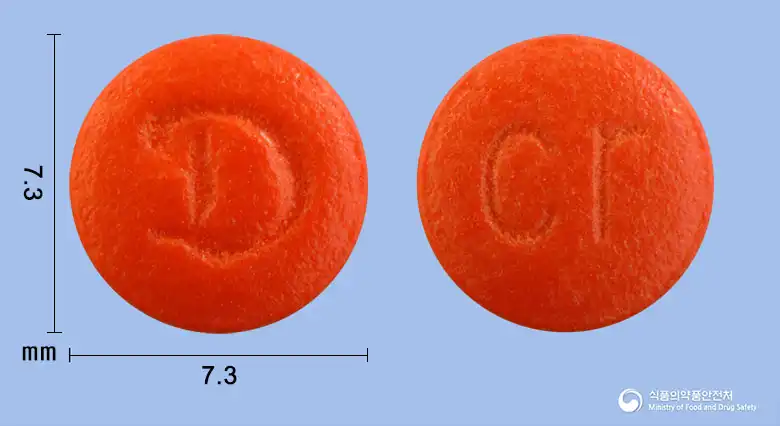
Diclofenac Sodium 25mg
Tablet · Prescription medication
GL Pharma Co., Ltd.
Diclofenac Sodium 75mg
Solution · Prescription medication
YuYoung Pharmaceutical Co., Ltd.
Diclofenac Sodium 37.5mg
Prescription medication
Daehwa Pharmaceutical Co., Ltd.
Diclofenac Sodium 37.5mg
Prescription medication
Dongkwang Pharmaceutical Co., Ltd.
Even with the same ingredient, the dose and directions can differ by strength and dosage form. Talk to a doctor or pharmacist before switching from a medication you are already taking.
No questions yet.
For anything that needs medical judgment, consult a doctor or pharmacist.
This drug information is based on data provided by the Korea Ministry of Food and Drug Safety.
Consult a doctor or pharmacist for accurate dosage, administration, and usage instructions.