
 한국어
 English
 日本語
 中文(简体)
Dosage form image
Viewing nowIsophen Syrup (Dexibuprofen)
Dexibuprofen 1.2g
Syrup · OTC medication
Korea Hyoutech Pharmaceutical Co., Ltd.
MFDS item code 201800862 · Notified 2018.02.19 · Insurance code 649103831
Relief of fever caused by acute upper respiratory tract infections
This medication is used to relieve fever caused by acute upper respiratory infections. It alleviates discomfort due to fever and helps the patient recover more comfortably.
Specific dosing instructions for adults are not provided.
Children aged 6 months or older: Take 0.4~0.6mL/kg per dose (equivalent to 5~7mg/kg of dexibuprofen) at intervals of 4~6 hours as needed, not exceeding a maximum of 4 doses daily (28mg/kg). 12 years, 43 kg or more: 18~25 mL per dose (215~300 mg), maximum daily dose 72~100 mL (860~1200 mg) 11 years, 38.0-42.9 kg: 16~25 mL per dose (190~300 mg), maximum daily dose 64~100 mL (760~1200 mg) 9-10 years, 30.0-37.9 kg: 12.5~22 mL per dose (150~265 mg), maximum daily dose 50~88mL (600~1060 mg) 6-8 years, 21.0-29.9 kg: 9~17 mL per dose (105~210 mg), maximum daily dose 36~68mL (420~840 mg) 4-5 years, 16.0-20.9 kg: 7~12 mL per dose (80~145 mg), maximum daily dose 28~48 mL (320~580 mg) 2-3 years, 12.0-15.9 kg: 5~9 mL per dose (60~110 mg), maximum daily dose 20~36 mL (240~440 mg) 12-23 months, 10.0-11.9 kg: 4~7 mL per dose (50~80 mg), maximum daily dose 16~28 mL (200~320 mg) 6-11 months, 7.9-9.9 kg: 3~6 mL per dose (40~70 mg), maximum daily dose 12~24 mL (160~280 mg) In a clinical trial (n=252) of pediatric patients with fever due to acute upper respiratory tract infection (axillary temperature 38℃ or higher), doses of 5mg/kg and 7mg/kg of this medicine showed a tendency toward a greater reduction in body temperature in the 7mg/kg group than in the 5mg/kg group; however, the difference was not statistically significant.
This medication should be consulted with a doctor or pharmacist before use by individuals who regularly consume more than 3 glasses of alcohol daily. This medication can cause gastrointestinal bleeding. It may also increase the risk of cardiovascular disease, so patients with heart diseases or risk factors should be extra cautious. If cardiovascular symptoms appear, medical consultation should be sought immediately. There is also a risk of gastrointestinal adverse reactions, so caution is especially necessary for patients with a history of gastrointestinal bleeding or ulcers, and the elderly are at greater risk. The artificial sweetener aspartame contained in this medication should not be given to patients with specific genetic disorders, such as phenylketonuria. Patients with peptic ulcers, severe blood disorders, liver failure, kidney failure, heart failure, hypertension, or history of asthma should not take this medication. Patients with hypersensitivity or allergic reactions to aspirin or other non-steroidal anti-inflammatory drugs should avoid this medication. Patients with a history of peptic ulcers or bleeding tendencies, those with poor liver or kidney function, and the elderly should use this medication with caution. Regular checks such as blood tests may be necessary while taking this medication, and if unusual symptoms occur, it should be stopped immediately and consulted with a doctor. This medication should be avoided in pregnant women, especially in late pregnancy, as it may affect the fetus, and caution is needed for breastfeeding women as well. Children and the elderly are more susceptible to adverse reactions, so it should be administered with the minimum dose carefully. This medication can interact with other non-steroidal anti-inflammatory drugs or certain medications, so inform your doctor or pharmacist if you are taking other medications. In the event of overdose, visit a medical institution immediately for gastric lavage or appropriate treatment. Lastly, this medication should be stored out of the reach of children, and care should be taken not to transfer it to other containers.
Not everyone experiences these, and they can vary from person to person.
This medication should not be used with other non-steroidal anti-inflammatory drugs, aspirin, or high doses of methotrexate. Consult with a doctor or pharmacist when using it in combination with glucocorticoids, digoxin, phenytoin, probenecid, sulfinpyrazone, sulfonylureas, diuretics, or antihypertensive agents, ACE inhibitors, furosemide, lithium, low-dose methotrexate, or coumarin anticoagulants.
This medication should be used with caution when consumed with alcohol.
This medication is sensitive to light and should be stored in a container that prevents light exposure. Additionally, it is important to store it at room temperature, between 15 to 25 degrees Celsius, to maintain its effectiveness.
A milky white suspension syrup containing a unique fragrance in an opaque white bottle
500 mL/bottle
Even with the same ingredient, strength, dosage form and how it is taken can differ.
Dexibuprofen 1.2g
Syrup · OTC medication
Korea Hyoutech Pharmaceutical Co., Ltd.
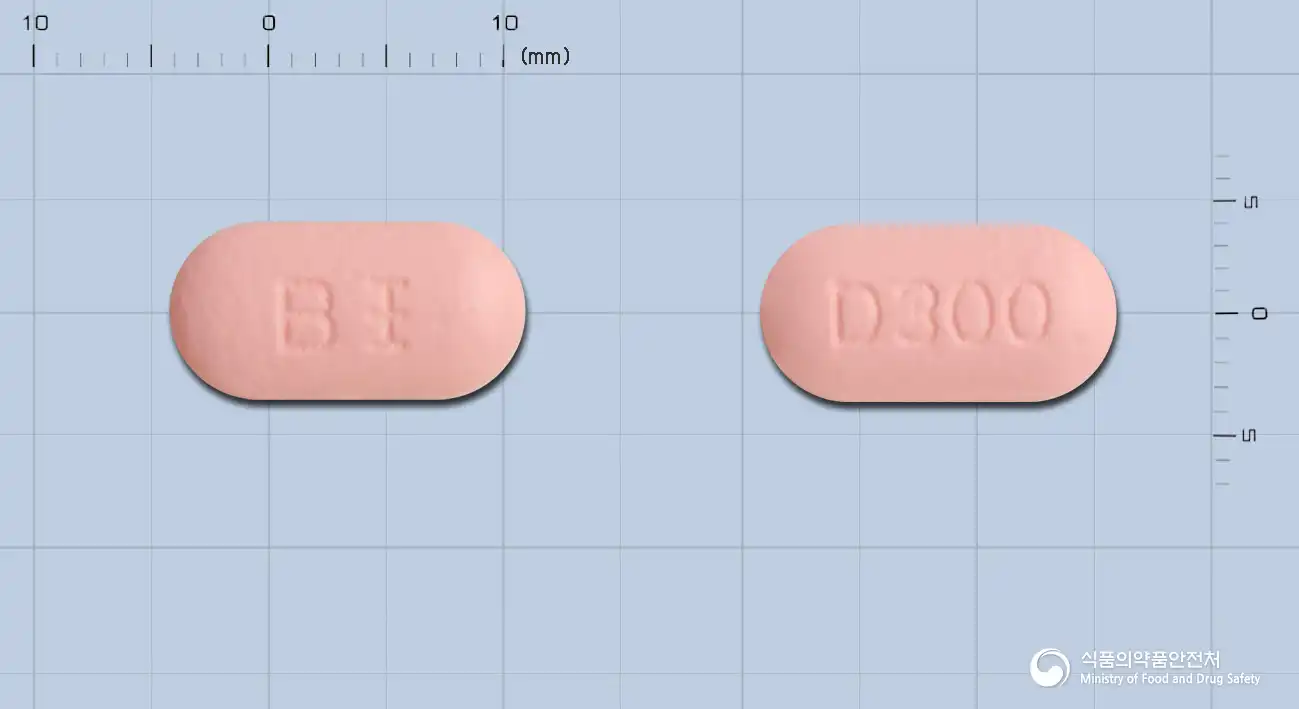
Dexibuprofen 300mg
Tablet · OTC medication
Bionex Co., Ltd.
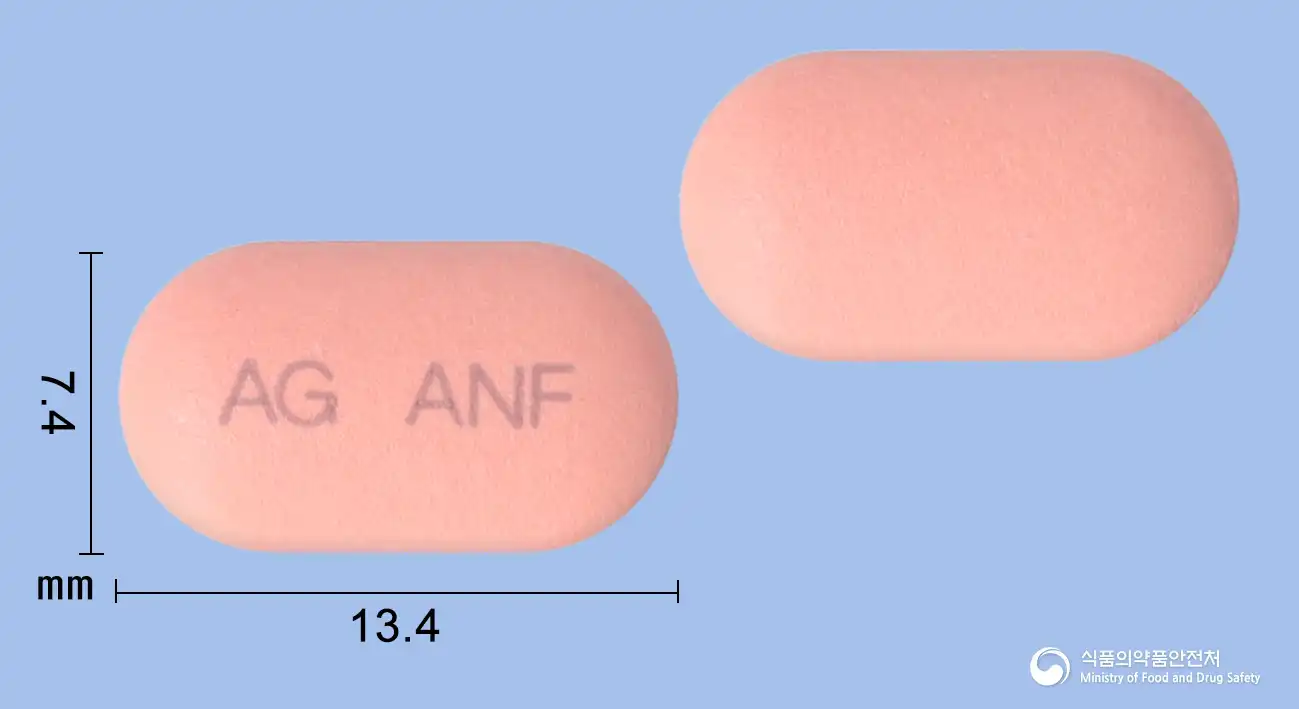
Dexibuprofen 300mg
Tablet · OTC medication
Anguk Pharmaceutical Co., Ltd.
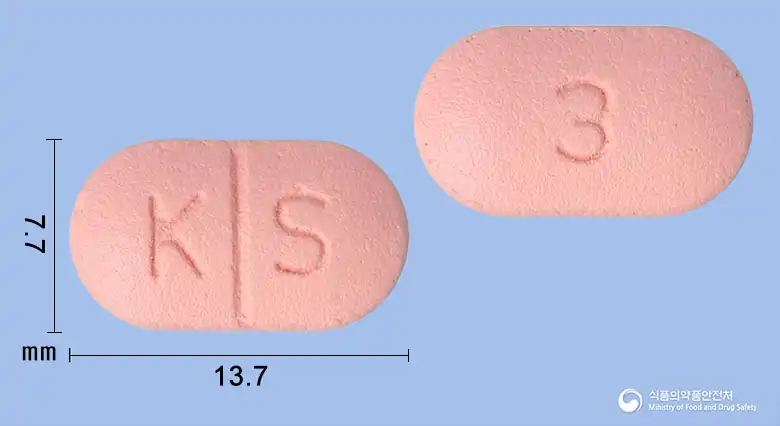
Dexibuprofen 300mg
Tablet · OTC medication
Aprogen Pharmaceuticals, Co., Ltd.
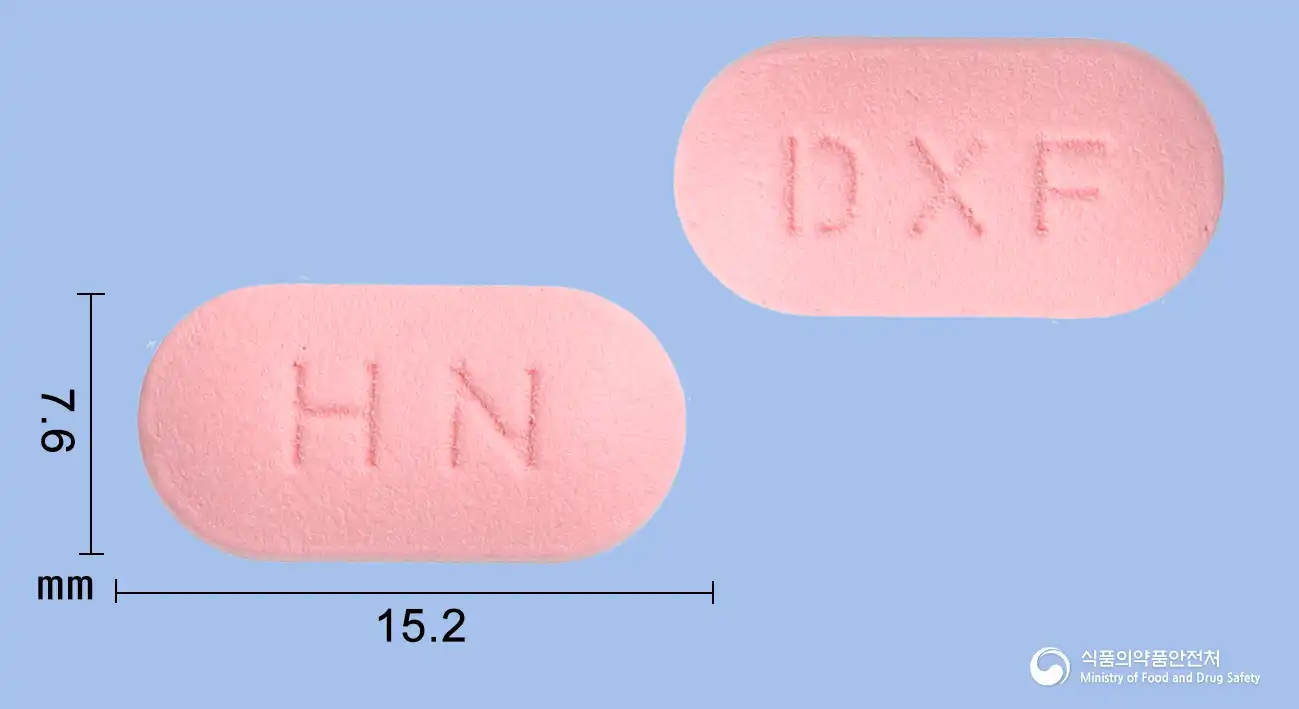
Dexibuprofen 300mg
Tablet · OTC medication
Hana Pharmaceutical Co., Ltd.
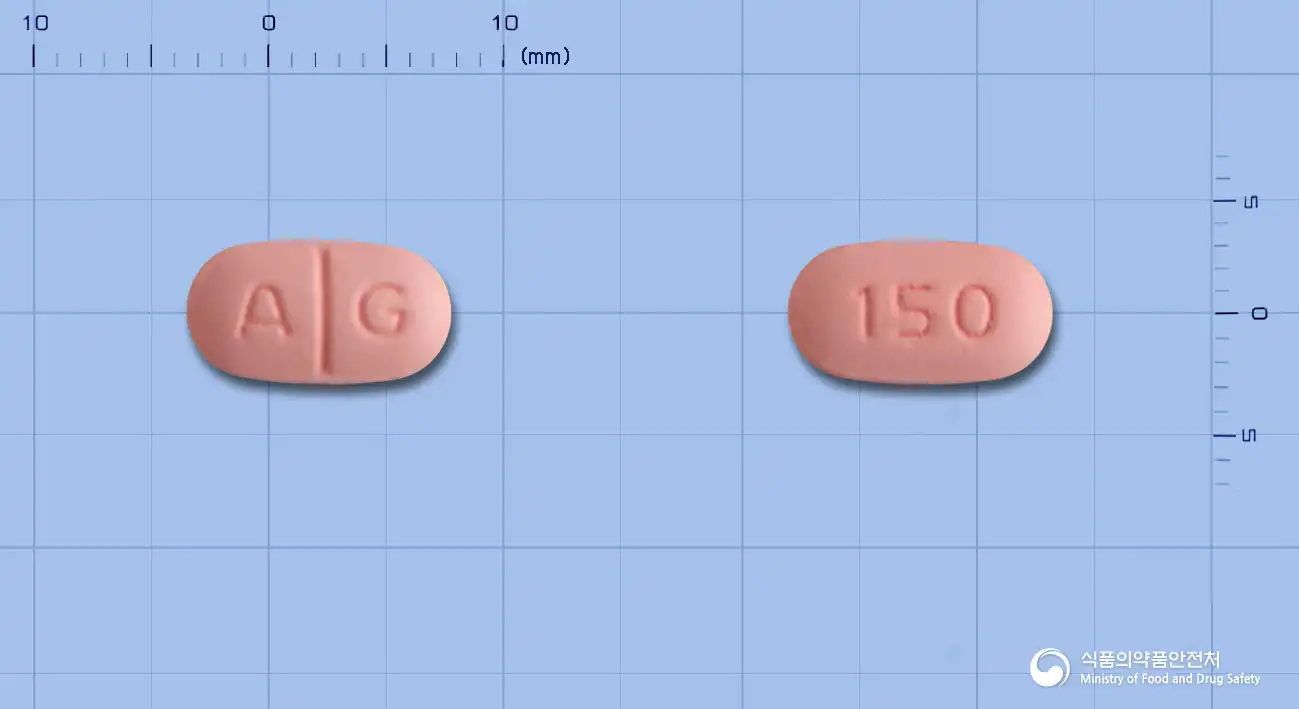
Dexibuprofen 150mg
Tablet · OTC medication
Anguk Pharm Co., Ltd.
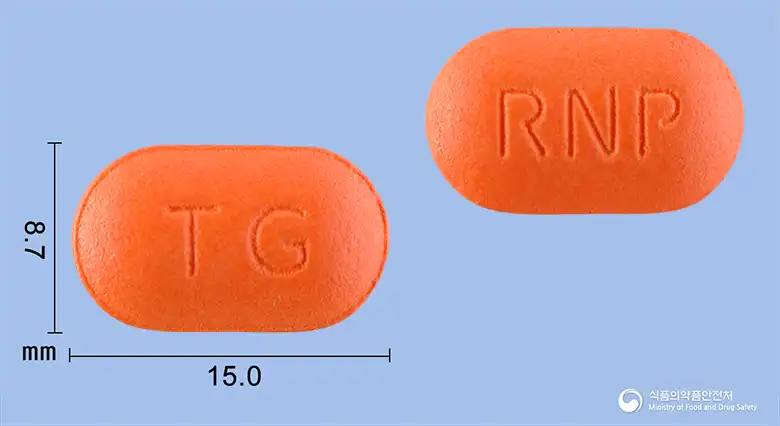
Dexibuprofen 300mg
Tablet · OTC medication
Taeguk Pharmaceutical Co., Ltd.
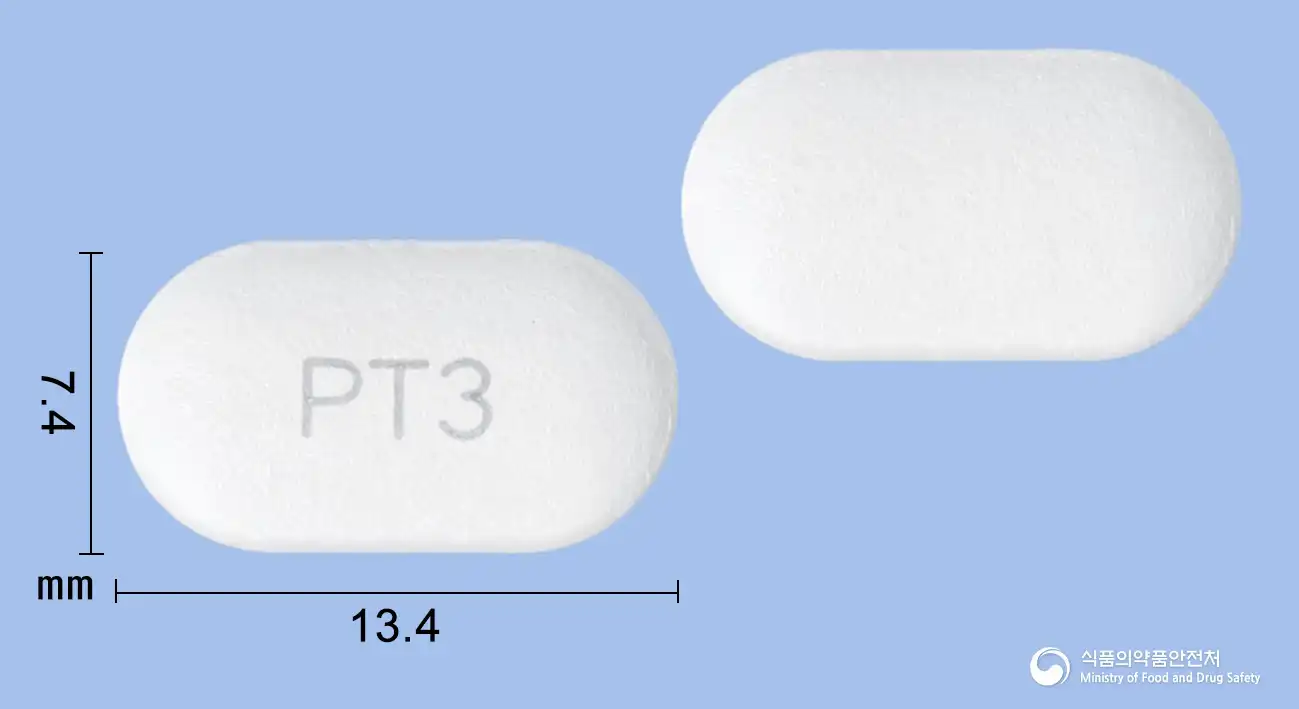
Dexibuprofen 300mg
Tablet · OTC medication
Genupharm Co., Ltd.
Even with the same ingredient, the dose and directions can differ by strength and dosage form. Talk to a doctor or pharmacist before switching from a medication you are already taking.
No questions yet.
For anything that needs medical judgment, consult a doctor or pharmacist.
This drug information is based on data provided by the Korea Ministry of Food and Drug Safety.
Consult a doctor or pharmacist for accurate dosage, administration, and usage instructions.