
 한국어
한국어 English
 日本語
日本語 中文(简体)
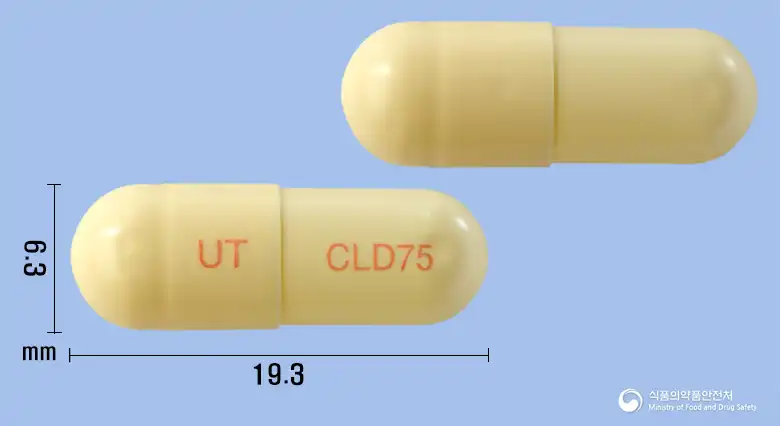 Viewing nowCombination
Clavixine Duo Capsule 75/75 mg
Clopidogrel Bisulfate 97.875mg · Aspirin 75mg
Hard capsule · Prescription medication · Combination
Korea United Pharmaceutical Co., Ltd.
MFDS item code 201800764 · Approved 2018.02.08 · Insurance code 644309220
Improvement of atherosclerotic symptoms and reduction of thromboembolic risk in acute coronary syndrome and atrial fibrillation
This medication is used in patients with acute coronary syndrome, namely those with unstable angina or non-Q wave myocardial infarction who have undergone or will undergo coronary intervention or coronary bypass surgery. It also aids in improving atherosclerotic symptoms such as cardiovascular-related death, myocardial infarction, and stroke. In atrial fibrillation patients with vascular risk factors where vitamin K antagonists are not suitable and with a low risk of bleeding, it is used to reduce the risk of atherothrombosis and thromboembolism, including stroke. Therefore, this medication is effective in reducing cardiovascular-related risks and improving symptoms.
Administer 1 capsule once daily (Aspirin/Clopidogrel 75/75 mg).
This medication prevents blood clotting to avoid thrombus formation. However, taking this medication may lengthen the time it takes to stop bleeding, so if bleeding persists for a long duration or unusual bleeding occurs, you should inform your doctor immediately. Always inform your healthcare provider that you are taking this medication before undergoing surgery or starting any new medication. Individuals with a genetic deficiency in specific enzymes (CYP2C19) may experience reduced efficacy of this medication, increasing their cardiovascular risk. Additionally, taking this medication with drugs that activate this enzyme may increase bleeding risk, so concurrent use is not recommended. Individuals who consume a large amount of alcohol daily may have a higher risk of gastrointestinal bleeding when taking this medication, so they must consult with their doctor or pharmacist. This medication should not be taken by patients with certain conditions or diseases. For example, individuals allergic to this medication or its components, those with bleeding disorders, severe liver or kidney disease, pregnant women in late pregnancy, and breastfeeding women should not be administered this medication. Patients with a history of gastrointestinal bleeding or bleeding tendencies may have an increased risk of bleeding while taking this medication, so caution is needed. Particularly, if surgery is planned, the medication should be discontinued 5-7 days before the surgery and resumed only after hemostasis has been achieved. This medication increases the risk of bleeding, so care should be taken when combined with other drugs that pose a bleeding risk, and if bleeding symptoms occur, you must inform your healthcare provider immediately. Due to the aspirin component, allergic reactions or exacerbation of asthma may occur; therefore, individuals with hypersensitivity should avoid its use. In the early and mid-stages of pregnancy, administration should be under the guidance of a doctor, and it should not be used in the late stages of pregnancy. This medication should also not be administered while breastfeeding. The safety and efficacy of this medication have not been established in children and adolescents under 18 years of age; therefore, it is not recommended for them. While taking this medication, there is a risk of bleeding, so you should monitor for any bleeding symptoms or abnormal reactions carefully, and consult a healthcare provider if any unusual symptoms occur. In case of overdose, the risk of bleeding may increase, so you must adhere to the prescribed dosage and administration. Seek medical attention immediately if any side effects or adverse reactions occur. This medication does not affect the ability to drive or operate machinery, but care should be taken regarding symptoms related to bleeding risks.
Urticaria, severe swelling (edema), chest tightness, difficulty breathing, cold sweat, paleness, severe rash with high fever, blisters, peeling skin, pain in mucous membranes of the mouth/eyes, shortness of breath or difficulty breathing, asthma attacks, cough with fever and respiratory abnormalities, yellowing of the skin or eyes (jaundice), extreme fatigue, sudden severe headache, thunderclap headache, seizures, confusion, visual disturbances, paralysis, urination
Not everyone experiences these, and they can vary from person to person.
This medication may be sensitive to air or moisture, so it must be stored in a tightly sealed container. It is important to maintain a storage temperature between 1 to 30 degrees Celsius to preserve the medication's efficacy.
A pink, oblong, film-coated tablet and a yellowish, hard capsule containing white spherical particles
Export - 30 capsules/box [10C/PTPX3], Domestic - 30 capsules/bottle
Even with the same ingredient, strength, dosage form and how it is taken can differ.
Viewing nowCombinationClopidogrel Bisulfate 97.875mg · Aspirin 75mg
Hard capsule · Prescription medication · Combination
Korea United Pharmaceutical Co., Ltd.
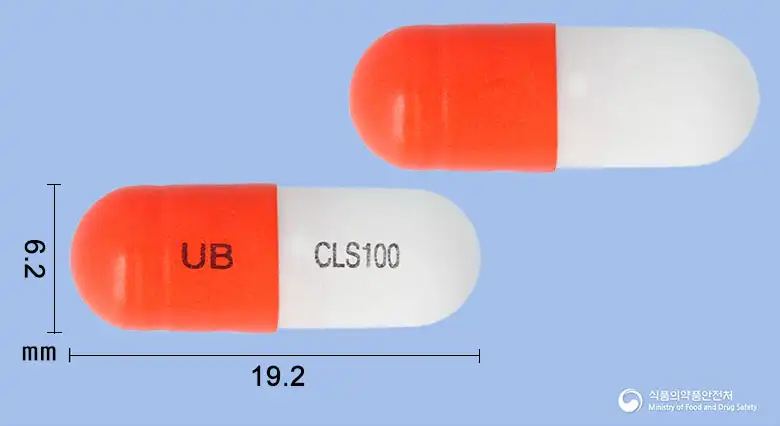 Combination
Clopidogrel Bisulfate 97.875mg · Aspirin 100mg
Hard capsule · Prescription medication · Combination
Korea Biochem Pharmaceutical Co., Ltd.
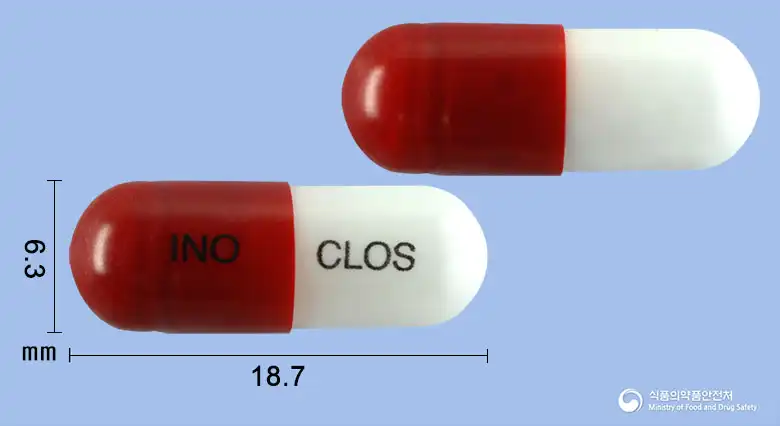 Combination
Clopidogrel Bisulfate 97.875mg · Aspirin 100mg
Hard capsule · Prescription medication · Combination
HK inno.N Co., Ltd.
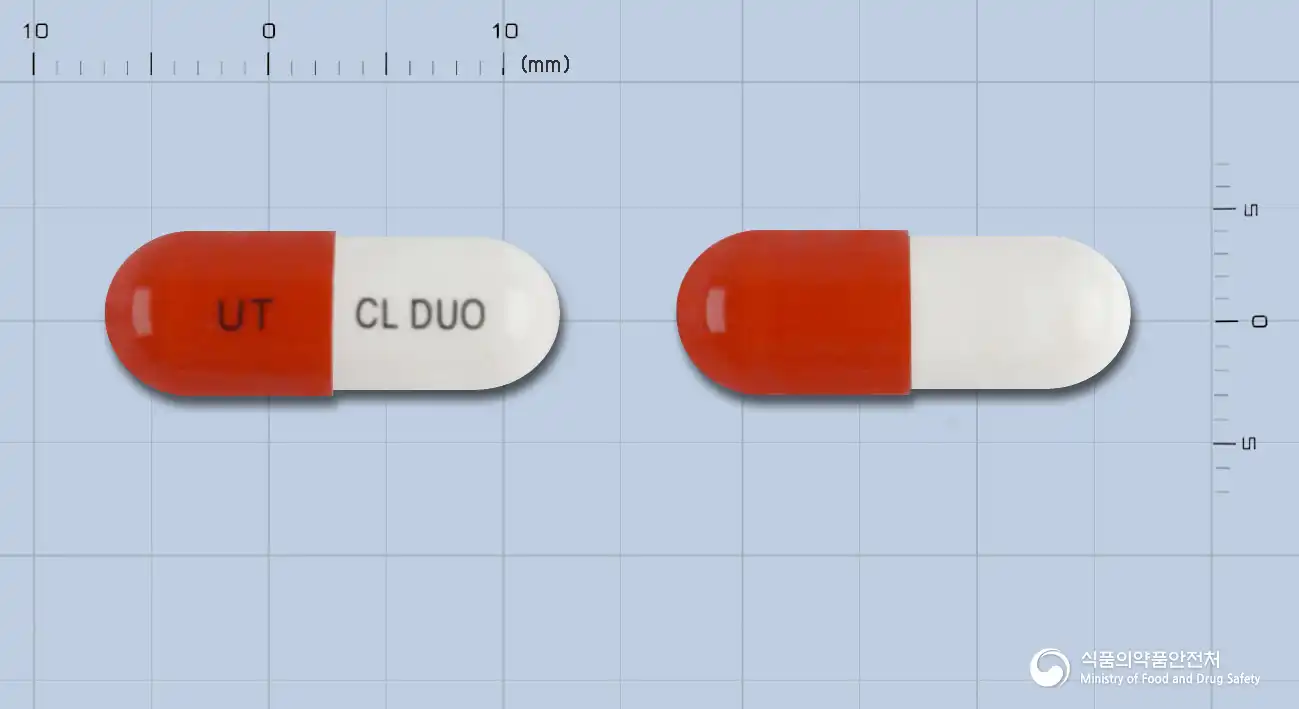 Combination
Clopidogrel Bisulfate 97.875mg · Aspirin 100mg
Hard capsule · Prescription medication · Combination
Korea United Pharm, Co., Ltd.
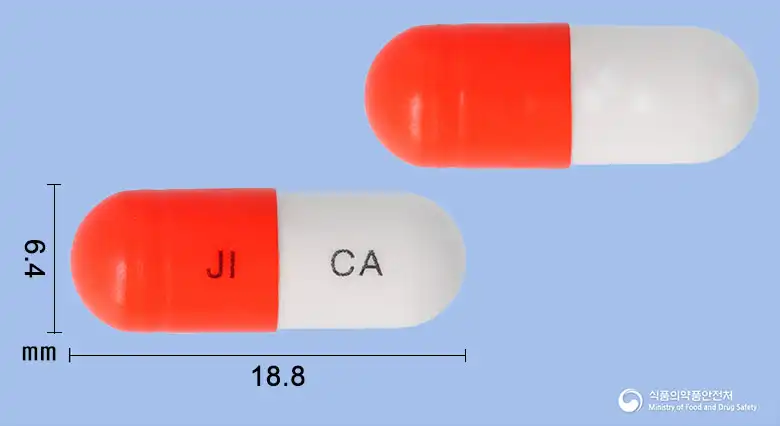 Combination
Clopidogrel Bisulfate 97.875mg · Aspirin 100mg
Hard capsule · Prescription medication · Combination
Jeil Pharmaceutical Co., Ltd.
 Combination
Aspirin 100mg · Clopidogrel Bisulfate 97.875mg
Hard capsule · Prescription medication · Combination
Myeongin Pharmaceutical Co., Ltd.
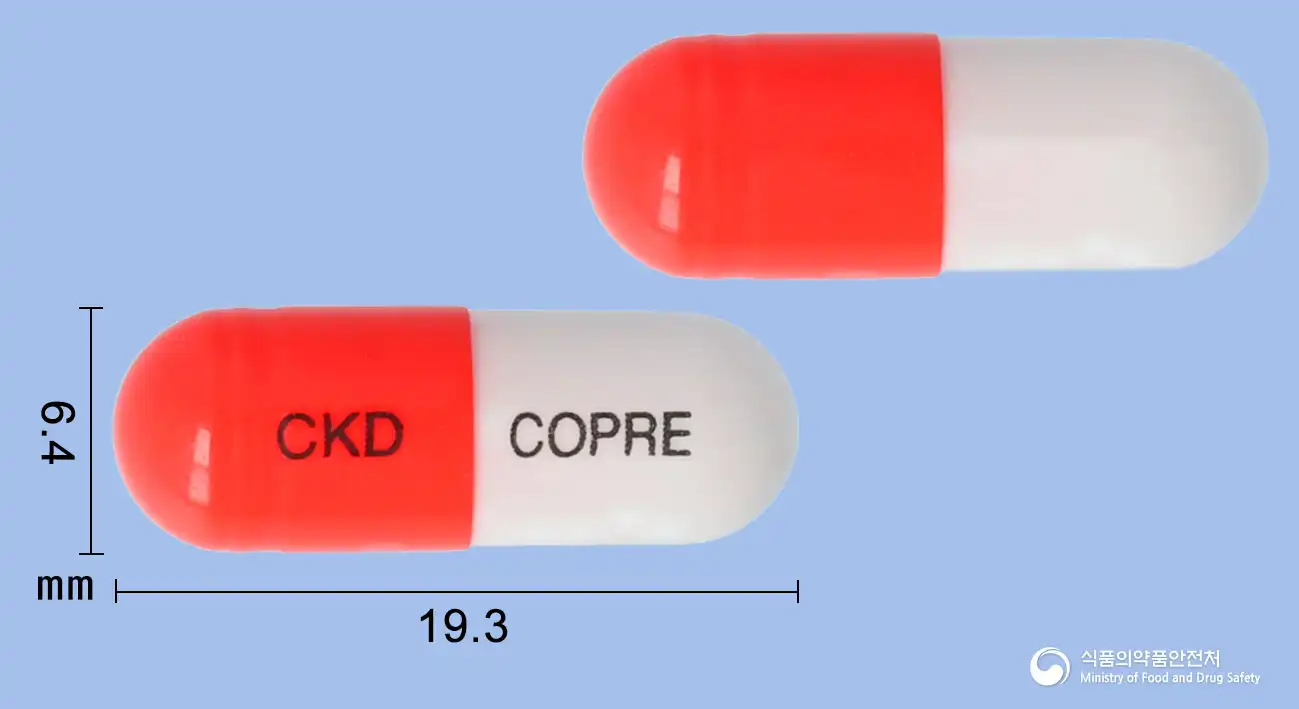 Combination
Clopidogrel Bisulfate 97.875mg · Aspirin 100mg
Hard capsule · Prescription medication · Combination
Jongkundang Co., Ltd.
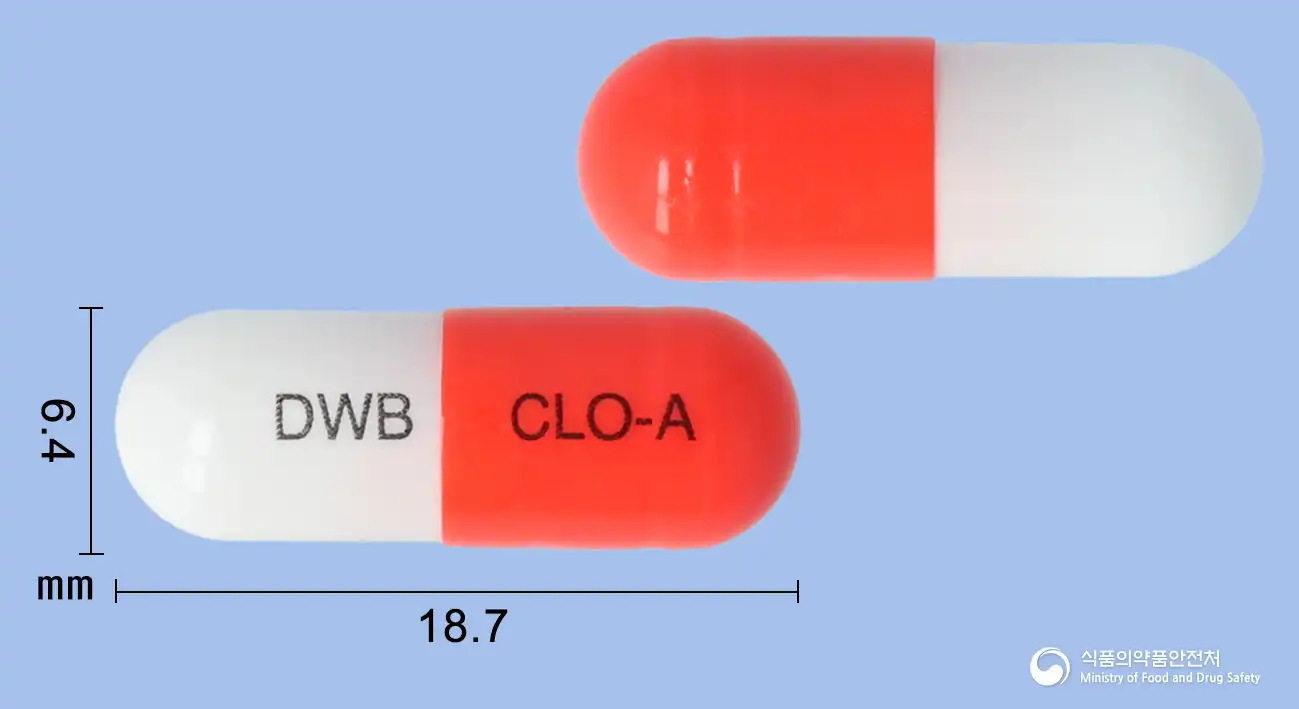 Combination
Clopidogrel Bisulfate 97.875mg · Aspirin 100mg
Hard capsule · Prescription medication · Combination
Daewoong Bio Co., Ltd.
Even with the same ingredient, the dose and directions can differ by strength and dosage form. Talk to a doctor or pharmacist before switching from a medication you are already taking.
No questions yet.
For anything that needs medical judgment, consult a doctor or pharmacist.
This drug information is based on data provided by the Korea Ministry of Food and Drug Safety.
Consult a doctor or pharmacist for accurate dosage, administration, and usage instructions.