
 한국어
 English
 日本語
 中文(简体)
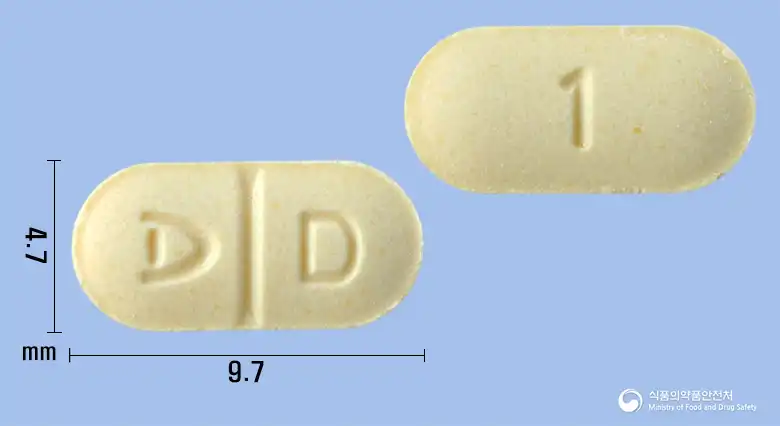 Viewing now
Dostinen Tablet 1 mg (Cabergoline)
Cabergoline 1mg
Tablet · Prescription medication
Darim Biotech Co., Ltd.
MFDS item code 201800319 · Notified 2018.01.23 · Insurance code 664602260
Treatment of hyperprolactinemia; prevention and suppression of milk secretion
This medication is used to prevent and suppress the secretion of milk in cases where a postpartum mother does not wish to breastfeed or is unable to breastfeed for medical reasons, and after stillbirth or miscarriage. Additionally, it helps treat various symptoms associated with hyperprolactinemia, such as amenorrhea, oligomenorrhea, anovulation, and galactorrhea. Symptoms caused by prolactin-secreting pituitary adenomas or idiopathic hyperprolactinemia can also be effectively managed with this medication. Therefore, this medication is used for the regulation of milk secretion and treatment of hyperprolactinemia.
This medicine is administered orally. Dopamine agonists such as this medicine are better tolerated when taken with food; therefore, for all indications, take this medicine immediately after a meal. 1. Prevention and suppression of lactation 1) Suppression of lactation: Take cabergoline 1mg once on the first day postpartum 2) Suppression of established lactation: Take cabergoline 0.25mg every 12 hours for 2 days (total 1mg) 2. Treatment of hyperprolactinemia: The recommended initial dose is cabergoline 0.5mg 1∼2 times a week (e.g., 1/2 tablet on Monday and Thursday). Gradually increase the dose by 0.5mg of cabergoline per week, preferably at monthly intervals, until the optimal therapeutic response is achieved. The usual therapeutic dose is cabergoline 1mg per week, administered within a range of 0.5mg∼2mg per week. However, the maximum dose should not exceed cabergoline 4.5mg per week or 3mg per day. Adjust the frequency of administration to once or 2 or more times per week according to the patient's medication adherence. Since tolerability with doses of cabergoline 1mg or more taken once weekly has been evaluated in only a small number of patients, divided doses are recommended when taking cabergoline 1mg or more per week. During dose escalation, evaluate the patient to determine the minimum dose that produces a therapeutic response. Monitor serum prolactin levels monthly. Once an effective therapeutic dose is reached, serum prolactin concentrations usually return to normal within 2∼4 weeks. Symptoms of hyperprolactinemia may recur after discontinuation of this medicine. In some patients, prolactin levels have been observed to remain low for several months. In follow-up of a group of women who discontinued this medicine, 23 of 29 had ovulatory cycles that continued for 6 months or longer after discontinuation.
This medication should not be used in certain patients. For example, patients with an allergy to this medication or its components, those with a history of pulmonary fibrosis, pericardial fibrosis, or retroperitoneal fibrosis, patients with severely impaired liver function, patients with preeclampsia, patients taking psychiatric medications, patients with a history of puerperal psychiatric disorders, and patients diagnosed with heart valve disease should not take this medication. Additionally, patients with impaired liver or kidney function, severe cardiovascular disease, history of gastrointestinal bleeding, or severe mental disorders who are taking antipsychotic drugs should be administered this medication with caution. Pregnant women or women who may become pregnant should also exercise caution, and patients with genetic issues such as lactose intolerance should not take this medication. This medication may have side effects, which can commonly include dizziness, headache, abdominal pain, nausea, hypotension, skin rash, hair loss, depression, and sleep disturbances. Rarely, serious side effects such as muscle weakness, allergic reactions, heart valve disease, pulmonary fibrosis may occur, so if any unusual symptoms occur, one should consult a doctor immediately. Long-term use of this medication requires regular check-ups, such as echocardiograms, and particular attention should be paid to detect signs of heart valve disease or fibrotic disorders. This medication can also cause orthostatic hypotension, so it is advisable to move slowly when standing up from a seated position, and caution is needed when driving or operating machinery. Women planning to become pregnant should stop taking this medication for at least one month beforehand, and it should be avoided during pregnancy. Breastfeeding women should not take this medication if they wish to breastfeed, as this medication suppresses milk secretion. This medication should not be taken with other dopamine antagonists or certain antibiotics, and attention should be paid to drug interactions. Safety regarding children or adolescents under 19 has not been established, and experience with the elderly is limited, so caution is advised during administration. In the event of overdose, symptoms such as vomiting, hypotension, and mental confusion may occur, so immediate contact with medical personnel is necessary, and it should be kept in a secure place out of reach of children.
Postural hypotension, vasospasm of the fingers, syncope, leg cramps, muscle weakness, hair loss, pruritus, rash, allergic skin reactions, decreased hemoglobin levels, depression, sleep disorders, aggression, hypersexuality, pathological gambling, increased libido, dizziness, lightheadedness, headache, sensory disturbances, somnolence, facial flushing, abdominal pain, dyspepsia, gastritis, nausea, constipation, vomiting, breast pain, asthenia, fatigue, myoclonus, valvular heart disease, pericarditis, pericardial effusion, palpitations, epistaxis, asymptomatic hypotensive symptoms, pleural effusion, pulmonary fibrosis, upper abdominal pain, lethargy, temporary blindness, hypersensitivity, delusions, shortness of breath, respiratory diseases, respiratory failure, liver dysfunction, edema, increased serum levels of creatine phosphokinase, nausea, discomfort in the stomach, confusion, psychosis, hallucinations
Not everyone experiences these, and they can vary from person to person.
This medication may be sensitive to light, so it should be stored in a container that protects it from light. Additionally, it is important to maintain a temperature at room temperature, that is below 25 degrees Celsius, when storing the medication. This will ensure that the effectiveness of the medication is preserved and prevent it from degrading.
Yellow oval tablet
30 tablets (10 tablets/PTP x 3)
Even with the same ingredient, strength, dosage form and how it is taken can differ.
Viewing nowCabergoline 1mg
Tablet · Prescription medication
Darim Biotech Co., Ltd.
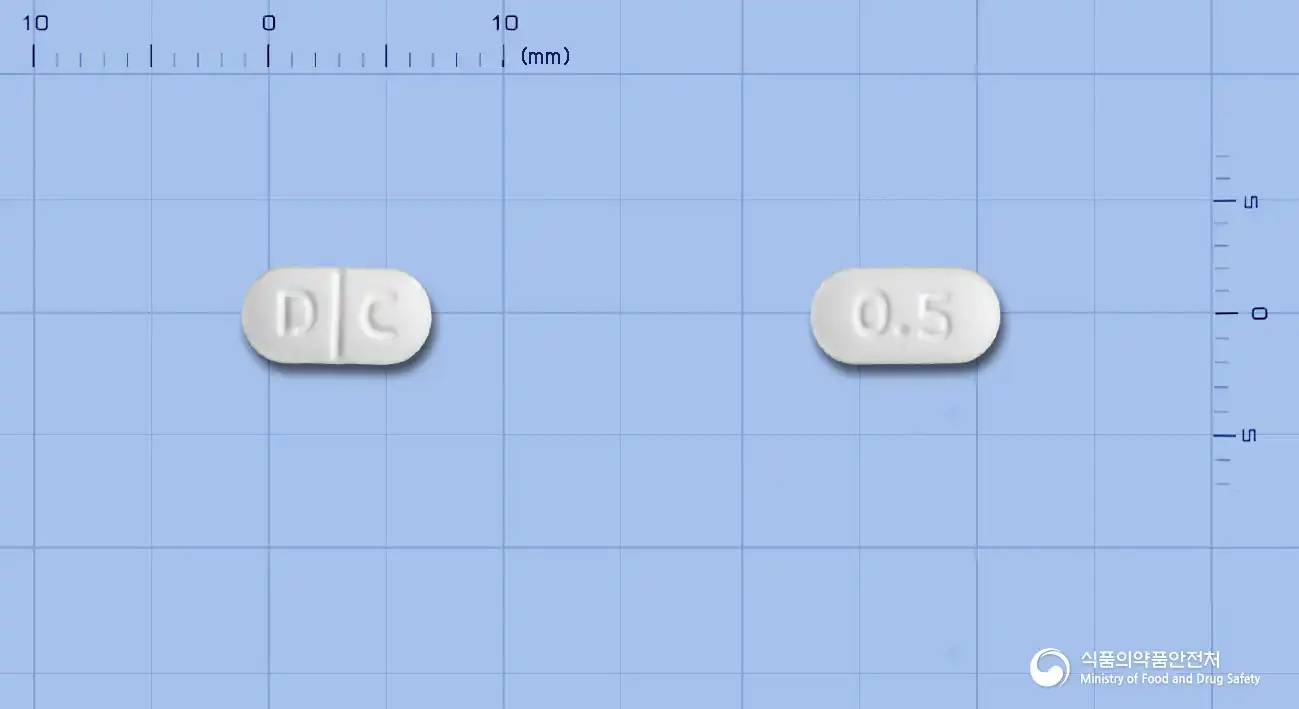
Cabergoline 0.5mg
Tablet · Prescription medication
Donggu Bio Pharmaceutical Co., Ltd.
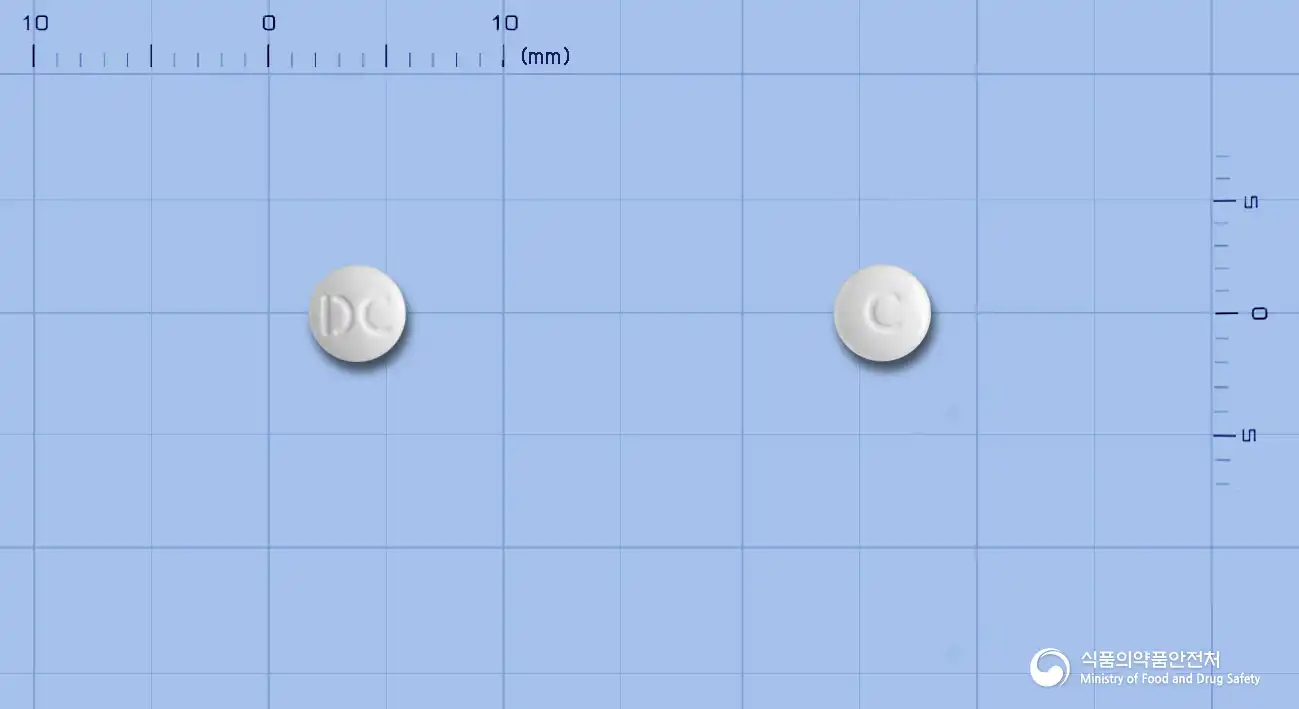
Cabergoline 0.25mg
Tablet · Prescription medication
Donggu Bio Pharmaceutical Co., Ltd.
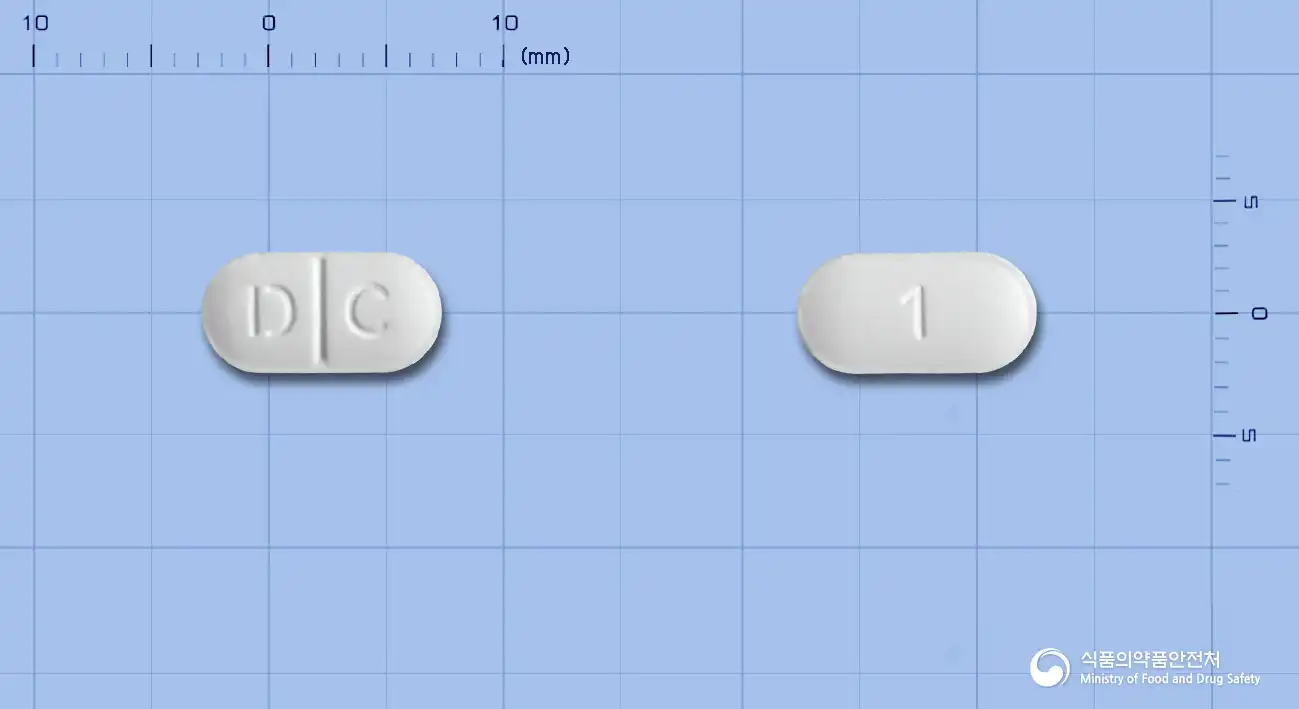
Cabergoline 1mg
Tablet · Prescription medication
Dong-gu Bio Pharmaceutical Co., Ltd.
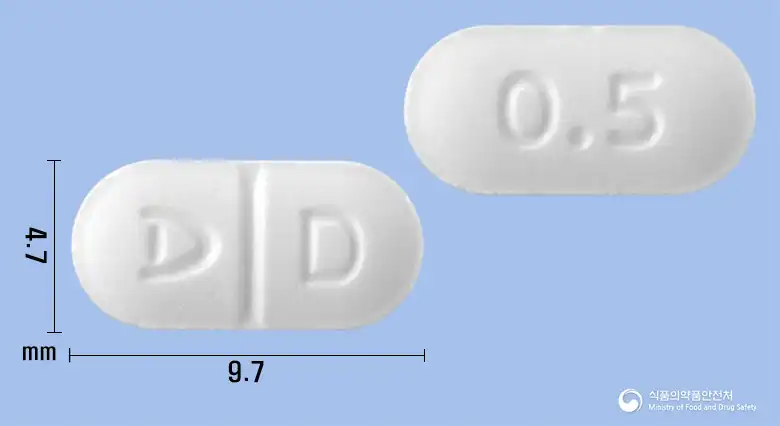
Cabergoline 0.5mg
Tablet · Prescription medication
Darim Biotech Co., Ltd.
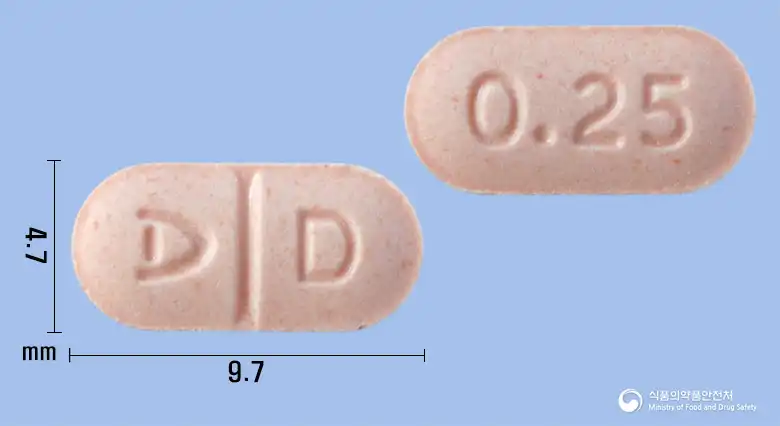
Cabergoline 0.25mg
Tablet · Prescription medication
Darim Biotech Co., Ltd.
Even with the same ingredient, the dose and directions can differ by strength and dosage form. Talk to a doctor or pharmacist before switching from a medication you are already taking.
No questions yet.
For anything that needs medical judgment, consult a doctor or pharmacist.
This drug information is based on data provided by the Korea Ministry of Food and Drug Safety.
Consult a doctor or pharmacist for accurate dosage, administration, and usage instructions.