
 한국어
 English
 日本語
 中文(简体)
 Viewing now
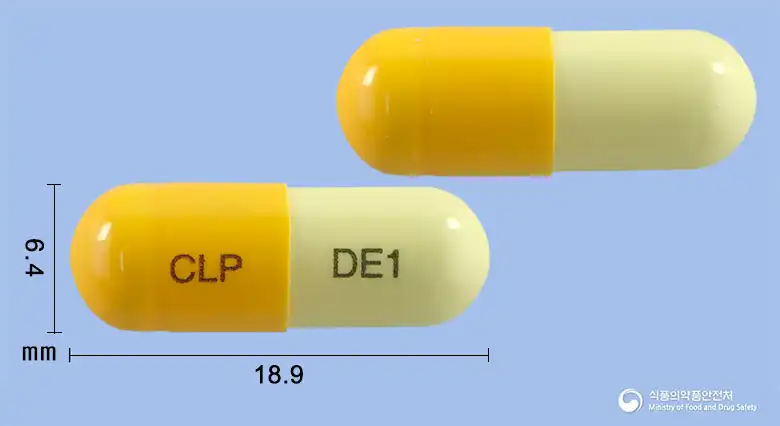
Diacel Capsule 50mg (Diacerein)
Diacerein 50mg
Hard capsule · Prescription medication
Celltrion Pharmaceutical Co., Ltd.
MFDS item code 201800300 · Approved 2018.01.23 · Insurance code 693902770
Treatment of osteoarthritis
This medication is used for the treatment of arthritis, specifically osteoarthritis, which presents with pain and movement restriction due to degenerative changes occurring in the hip and knee joints.
Adults: Administer 50∼100mg of diacerein orally in 1∼2 divided doses after meals. Dosage may be adjusted according to symptoms. For patients with a history of loose stools or diarrhea, an initial dose of 50mg once daily for the first 2-4 weeks is recommended, followed by 50mg twice daily.
This medication should not be used in patients suffering from inflammatory bowel disease. Patients with intestinal obstruction syndrome or unexplained abdominal pain should also refrain from using this medication. Avoid administering this medication if allergic to the drug, its ingredients, or other similar class medications. It is also recommended that patients with liver disease or a history of liver disease do not take this medication. The use of this medication is not recommended for children under 15 years of age. Additionally, this medication contains lactose and should not be administered to patients with lactose intolerance or certain genetic digestive disorders. Patients with a history of small intestine or colon disease should use this medication with caution. Pregnant or nursing women should also exercise caution when taking this medication. Elderly patients over 65 years should reduce the dosage used. Caution should be taken if allergic to any pigments contained in this medication. Taking this medication can cause gastrointestinal symptoms such as diarrhea, loose stools, and abdominal pain. Long-term use may lead to serious problems such as gastrointestinal bleeding, ulcers, and perforation, so caution is essential. Additionally, pigmentation of the rectal mucosa may rarely occur. If diarrhea is severe, dehydration and electrolyte imbalance may develop; consult a doctor immediately if symptoms arise. Skin irritation such as itching, rash, and eczema may frequently occur, and any unusual symptoms should be reported. Liver function abnormalities may occur, and liver enzyme levels may rise. If used long-term, it is essential to follow a doctor's instructions, and if diarrhea occurs, stop taking the medication and consult a physician. Avoid using with other laxatives. There is a risk of liver damage, so caution is advised when taking this medication alongside other medications that can affect liver function or are hepatotoxic. It is also advisable to limit alcohol consumption. Antacids containing calcium, magnesium, and aluminum, or salt may interfere with the absorption of this medication, so they should be taken at least 2 hours apart. Using this medication with diuretics can enhance diuretic effects and may lead to dehydration or hypokalemia; caution is needed. Using with cardiac glycosides increases the risk of arrhythmias, so care should be taken. It is best not to use this medication during pregnancy as it may affect fetal bone formation. Nursing mothers should also avoid this medication since it is excreted in small amounts in breast milk. In cases of overdose, severe diarrhea may occur, and electrolyte supplementation and necessary treatments should be administered.
Diarrhea, loose stools, abdominal pain, gastrointestinal disorders (bleeding, ulceration, and perforation), pigmentation of the rectal mucosa, dehydration, fluid and electrolyte imbalance, itching, rash, eczema, elevated liver enzymes in serum, hypokalemia, symptoms of liver damage, severe diarrhea
Not everyone experiences these, and they can vary from person to person.
This medication should be stored in a tightly closed container to protect it from air and moisture. It is also best to keep the medication at room temperature between 1°C and 30°C, avoiding too hot or too cold places.
A hard capsule with yellow (upper) and pale yellow (lower) shell containing a brownish-yellow content
30 capsules/bottle, 500 capsules/bottle
Even with the same ingredient, strength, dosage form and how it is taken can differ.
Viewing nowDiacerein 50mg
Hard capsule · Prescription medication
Celltrion Pharmaceutical Co., Ltd.

Diacerein 50mg
Hard capsule · Prescription medication
Myungmoon Pharmaceutical Co., Ltd.
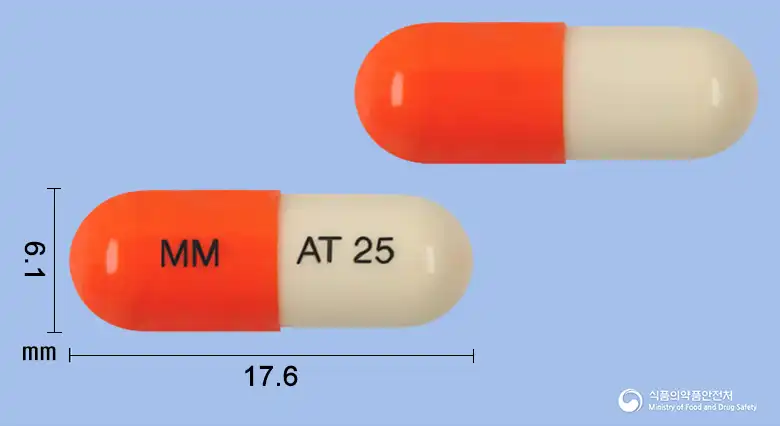
Diacerein 25mg
Hard capsule · Prescription medication
Myungmoon Pharmaceutical Co., Ltd.

Diacerein 50mg
Hard capsule · Prescription medication
Youyoung Pharmaceutical Co., Ltd.
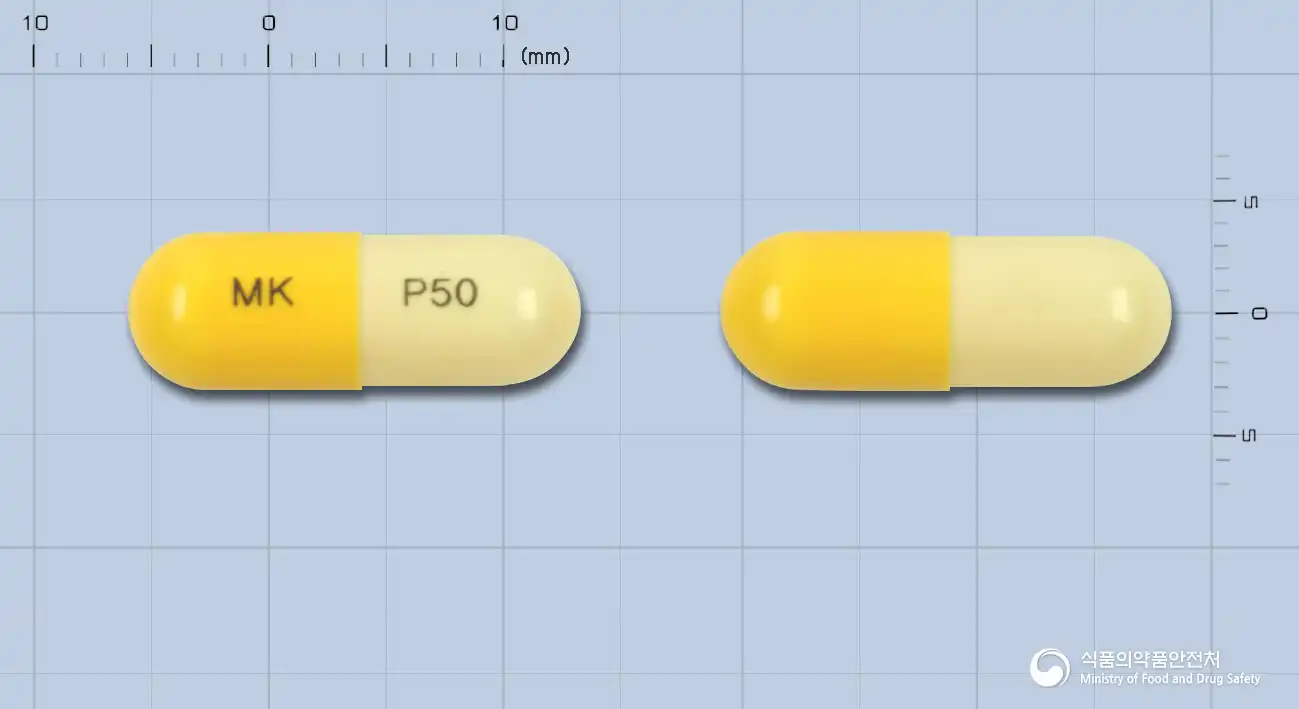
Diacerein 50mg
Hard capsule · Prescription medication
Medica Korea Co., Ltd.
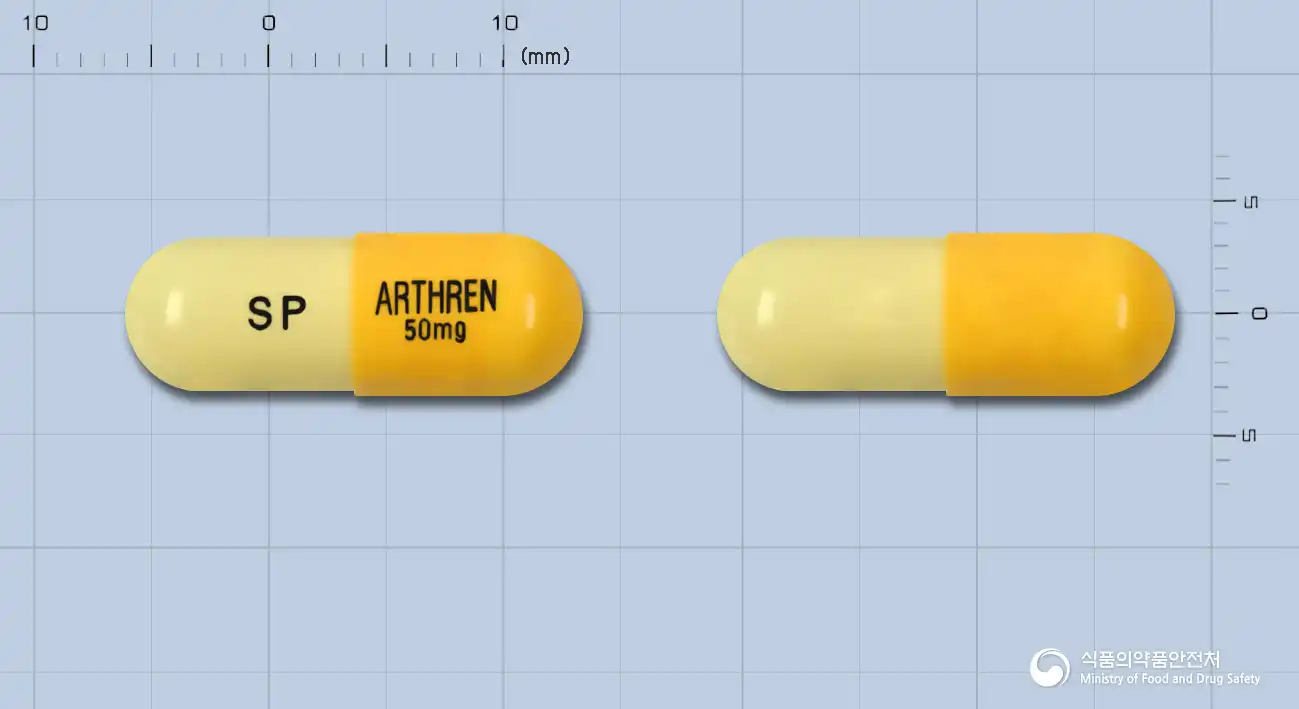
Diacerein 50mg
Hard capsule · Prescription medication
Shinpoong Pharmaceutical Co., Ltd.
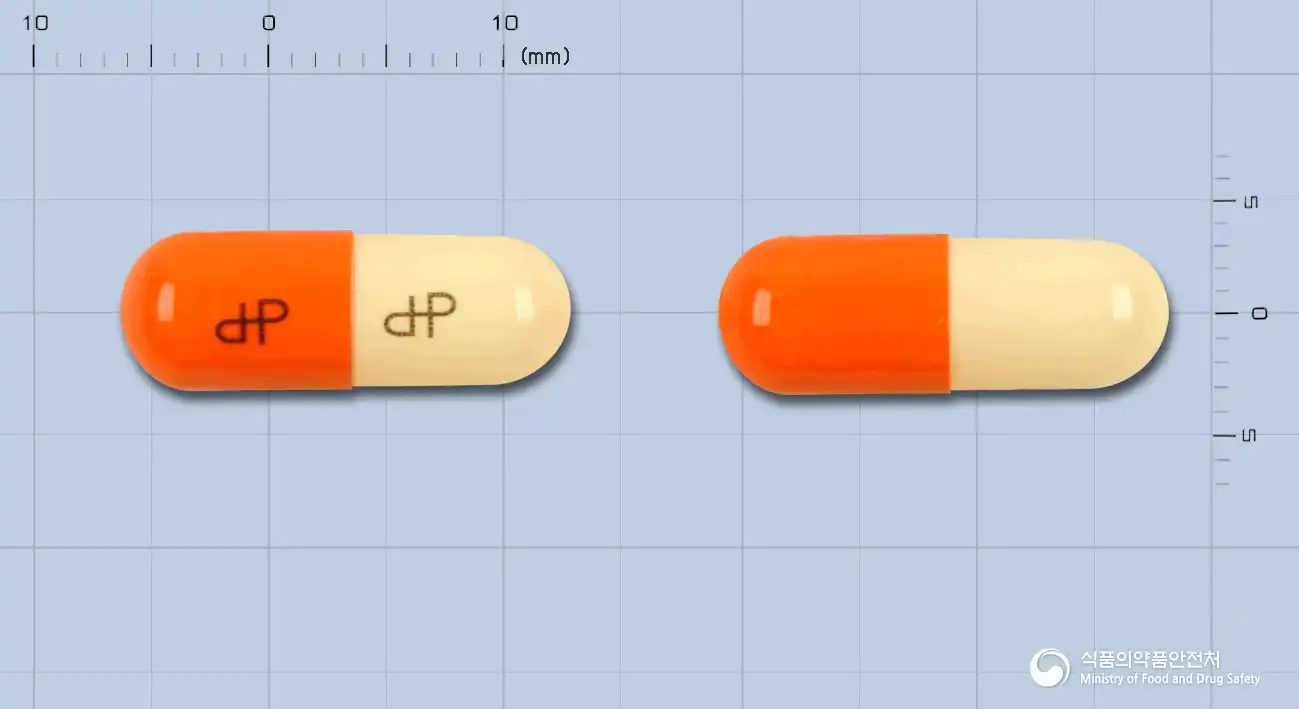
Diacerein 50mg
Hard capsule · Prescription medication
Daehwa Pharmaceutical Co., Ltd.
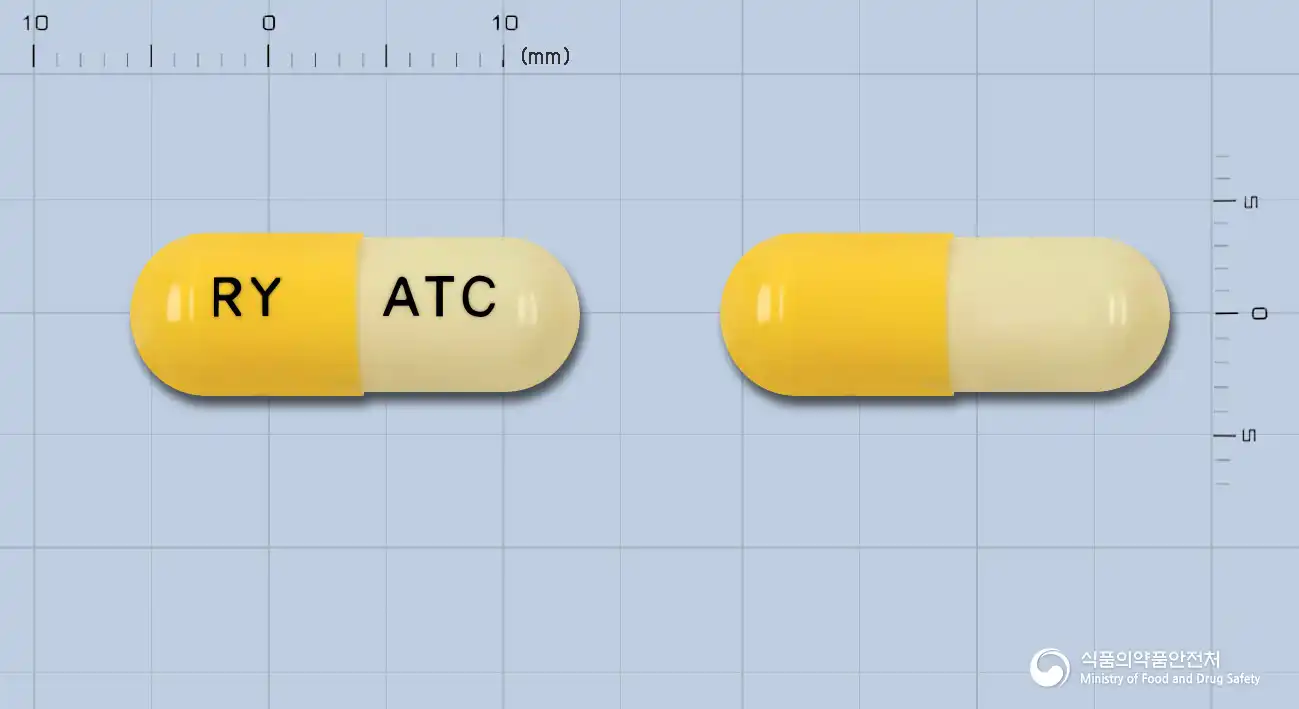
Diacerein 50mg
Hard capsule · Prescription medication
IYON Pharmaceutical Co., Ltd.
Even with the same ingredient, the dose and directions can differ by strength and dosage form. Talk to a doctor or pharmacist before switching from a medication you are already taking.
No questions yet.
For anything that needs medical judgment, consult a doctor or pharmacist.
This drug information is based on data provided by the Korea Ministry of Food and Drug Safety.
Consult a doctor or pharmacist for accurate dosage, administration, and usage instructions.