
 한국어
 English
 日本語
 中文(简体)
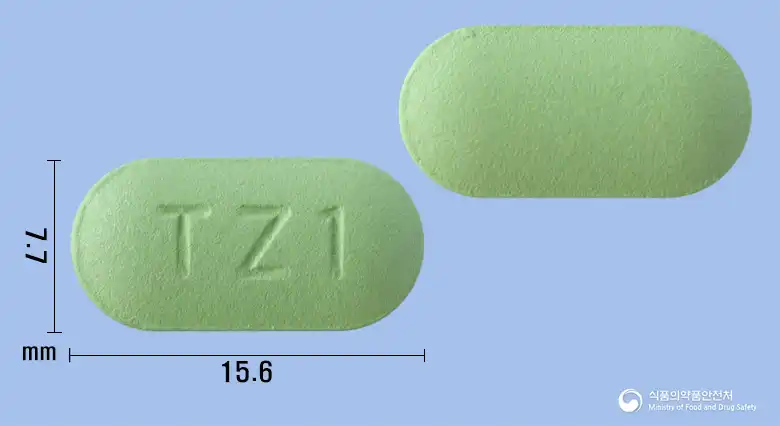 Viewing now
Neurocid Tablet (R-Alpha-Lipoic Acid Ammonium Salt)
R-Thioctic Acid Tromethamine 480mg
Tablet · Prescription medication
IntroBioPharma Co., Ltd.
MFDS item code 201800179 · Approved 2018.01.11 · Insurance code 052400610
Relief of diabetic polyneuritis
Diabetic polyneuropathy can cause pain and sensory disturbances due to nerve damage resulting from diabetes. This medication helps alleviate these symptoms of neuropathy and improves the patient's quality of life. It is used to reduce the uncomfortable symptoms of diabetic polyneuropathy and enhance nerve function.
Adults: Take 480 milligrams of thioctic acid tromethamine salt once daily with plenty of water, approximately 30 minutes before breakfast.
This medication is associated with R-Alpha-Lipoic Acid Ammonium Salt and should not be administered to patients with allergies to specific components. When taking this medication, mild side effects such as sensory disturbances, pain, headaches, constipation, and dry mouth may occur, and rare severe adverse reactions such as nephrolithiasis can also develop. Additionally, gastrointestinal issues or skin rashes, and symptoms like hypoglycemia may occur rarely, so if symptoms are severe, immediate consultation with healthcare professionals is required. Alcohol consumption may interfere with the therapeutic effect of this medication, so especially for patients with diabetic neuropathy, it is advisable to avoid alcohol. This medication may interact with drugs containing specific metal components or milk, so care should be taken regarding the timing of administration. When used with hypoglycemic medication, blood glucose levels should be checked frequently, and dosage adjustments may be necessary if required. If pregnant or breastfeeding, use should be cautious and discussed with a physician, and it should not be administered to children under the age of 18. In cases of overdose, severe toxicity symptoms may arise, so immediate medical attention should be sought if suspected. Store this medication in a sealed container to protect it from air and moisture. It is best to maintain a storage temperature between 1 degree and 30 degrees Celsius. This helps to preserve the medication's efficacy and safety for a longer period.
Not everyone experiences these, and they can vary from person to person.
This medication should be stored in a sealed container to protect it from air and moisture. It is recommended to maintain a storage temperature between 1 degree and 30 degrees Celsius. This way, the drug's efficacy and safety can be preserved for a longer time.
Pale green oblong film-coated tablet
30 tablets/bottle, 100 tablets/bottle, 300 tablets/bottle
Even with the same ingredient, strength, dosage form and how it is taken can differ.
Viewing nowR-Thioctic Acid Tromethamine 480mg
Tablet · Prescription medication
IntroBioPharma Co., Ltd.
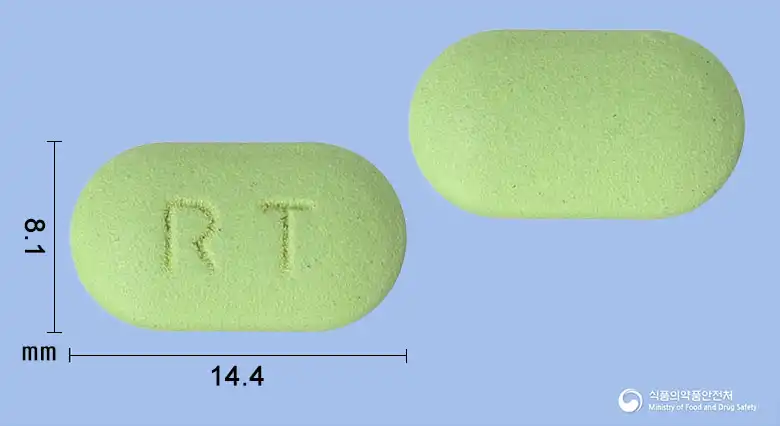
R-Thioctic Acid Tromethamine 480mg
Tablet · Prescription medication
Bukwang Pharmaceutical Co., Ltd.
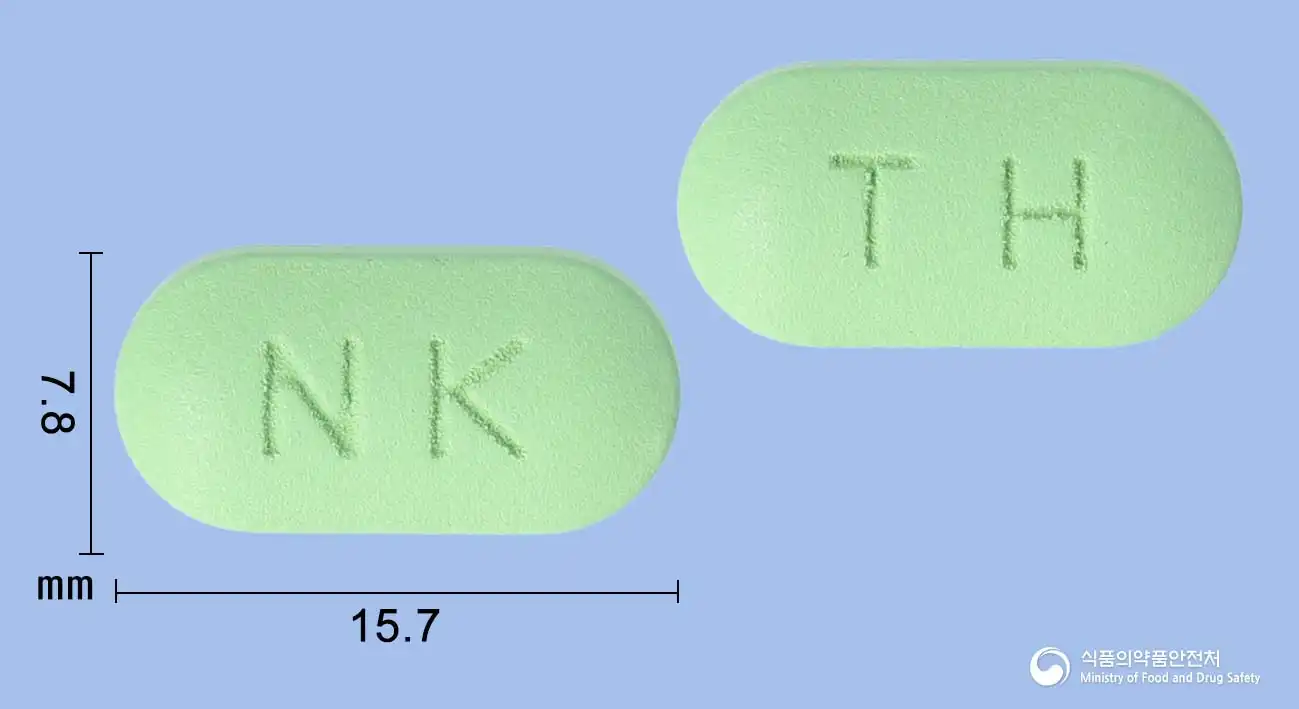
R-Thioctic Acid Tromethamine 480mg
Tablet · Prescription medication
NexPharm Korea Co., Ltd.
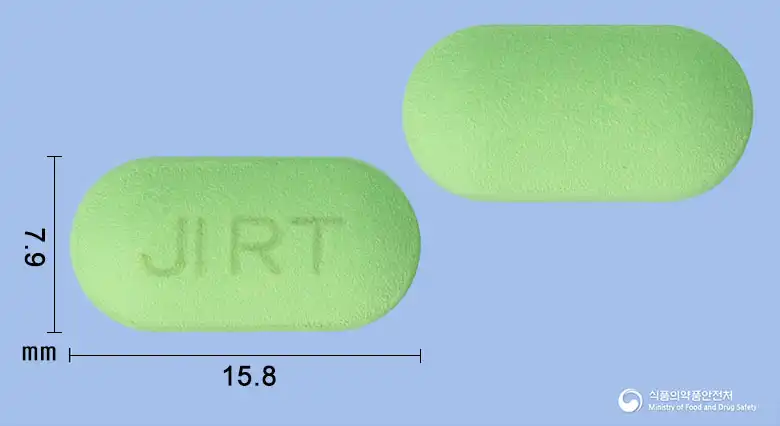
R-Thioctic Acid Tromethamine 480mg
Tablet · Prescription medication
Jeil Pharmaceutical Co., Ltd.
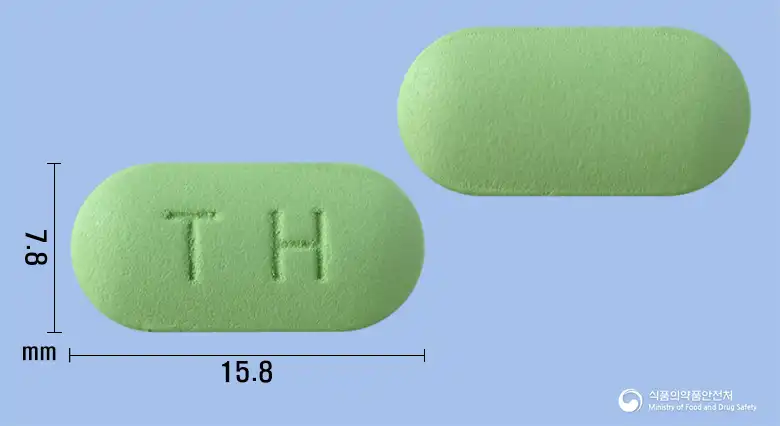
R-Thioctic Acid Tromethamine 480mg
Tablet · Prescription medication
Korea Prime Pharm, Co., Ltd.
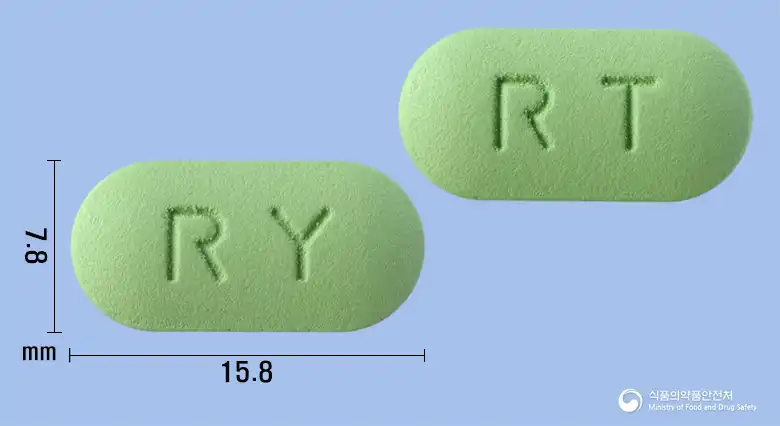
R-Thioctic Acid Tromethamine 480mg
Tablet · Prescription medication
IYON Pharmaceutical Co., Ltd.
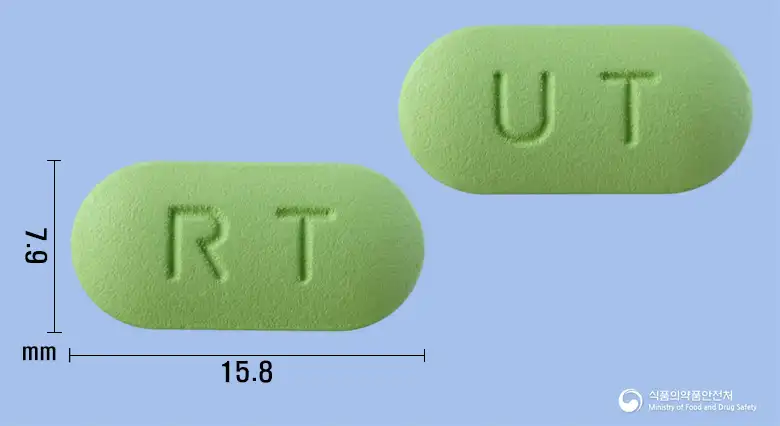
R-Thioctic Acid Tromethamine 480mg
Tablet · Prescription medication
Korea United Pharmaceutical Co., Ltd.
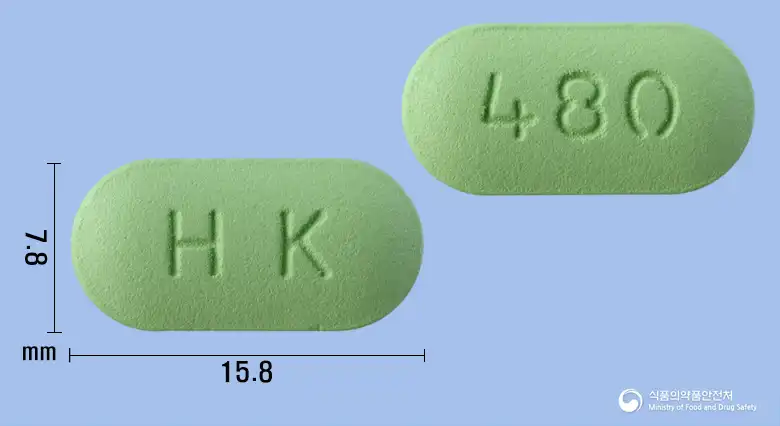
R-Thioctic Acid Tromethamine 480mg
Tablet · Prescription medication
Korea Chorus Co., Ltd.
Even with the same ingredient, the dose and directions can differ by strength and dosage form. Talk to a doctor or pharmacist before switching from a medication you are already taking.
No questions yet.
For anything that needs medical judgment, consult a doctor or pharmacist.
This drug information is based on data provided by the Korea Ministry of Food and Drug Safety.
Consult a doctor or pharmacist for accurate dosage, administration, and usage instructions.