
 한국어
 English
 日本語
 中文(简体)
Summary
- Main use
- Treatment of house dust mite allergic rhinitis and allergic asthma
- Who uses it
- Adults · Children
- Adult dosage
- Administer 1 tablet sublingually once daily. When administering this medicine for the first time, administration under the supervision of a physician experienced in allergic diseases is recommended. It is recommended that the patient be observed for at least 30 minutes so that any immediate adverse reactions can be discussed and appropriate treatment provided. This medicine is a freeze-dried sublingual tablet. Immediately after opening the blister, use dry fingers to place it under the tongue. Do not swallow for about 1 minute, and do not eat or drink for 5 minutes after administration. If the patient has interrupted treatment with this medicine for 7 days or less, treatment may be resumed. However, if the interruption exceeds 7 days, consultation with a physician is recommended before resuming treatment. The safety and efficacy of administration of this medicine for more than 18 months have not been established.
- Children's dosage
- Safety and efficacy in children 18 months or younger have not been established, therefore it is not recommended.
Ingredients
- Purified House Dust Mite Allergen Extract (Der pte)
- Purified House Dust Mite Allergen Extract (Der far)
- Importer
- Abbott Korea
Efficacy & effects
Treatment of house dust mite allergic rhinitis and allergic asthma
- Moderate allergic rhinitis
- severe allergic rhinitis
- allergic asthma
View approved original textHide original text
This medication is used to treat moderate to severe allergic rhinitis caused by house dust mites in children over 5 years and adults that is not controlled by medication. It is also effective for treating allergic asthma caused by house dust mites in adults where symptoms are not controlled by medication. In other words, it helps improve symptoms of allergic rhinitis and asthma caused by house dust mites.
Dosage and Administration
Adult dosage
Administer 1 tablet sublingually once daily. When administering this medicine for the first time, administration under the supervision of a physician experienced in allergic diseases is recommended. It is recommended that the patient be observed for at least 30 minutes so that any immediate adverse reactions can be discussed and appropriate treatment provided. This medicine is a freeze-dried sublingual tablet. Immediately after opening the blister, use dry fingers to place it under the tongue. Do not swallow for about 1 minute, and do not eat or drink for 5 minutes after administration. If the patient has interrupted treatment with this medicine for 7 days or less, treatment may be resumed. However, if the interruption exceeds 7 days, consultation with a physician is recommended before resuming treatment. The safety and efficacy of administration of this medicine for more than 18 months have not been established.
Children's dosage
Safety and efficacy in children 18 months or younger have not been established, therefore it is not recommended.
Precautions
This medication should not be administered to specific patients. For example, individuals allergic to any component of this medication, patients with significantly impaired lung function, those who have experienced a severe asthma exacerbation in the last 3 months, and asthma patients with acute respiratory infections should not use this medication. Additionally, patients with active autoimmune diseases or weakened immune systems, those with severe oral inflammation or wounds, and women who are pregnant or breastfeeding should not use this medication. When using this medication, caution is required for patients taking tricyclic antidepressants or certain antidepressants (MAOIs) and those with a history of eosinophilic esophagitis. Upon first administration, mild allergic reactions may occur in the mouth or throat, usually lasting 1 to 3 months and gradually improving. Rarely, severe allergic reactions or worsening asthma symptoms may occur; if symptoms worsen, one should consult a physician immediately. This medication is not intended for treating acute asthma attacks; if asthma symptoms suddenly worsen, immediate medical assistance is required. Do not abruptly discontinue existing asthma treatment; gradual adjustment should be done according to a physician's instructions. If a severe allergic reaction occurs, cease use immediately and seek emergency medical help, as treatments like adrenaline may be necessary. Particularly, patients with heart conditions may face greater risks from such reactions and should exercise caution. If there is inflammation or wounds in the mouth, temporarily suspend use of this medication until oral conditions improve. This medication is a treatment that exposes patients to allergens that may cause allergic symptoms, and local allergic reactions may occur; if necessary, treatment with antihistamines or other medications may be required. If symptoms related to the esophagus, such as dysphagia or indigestion, are severe or persistent, discontinue use of this medication and seek medical evaluation. It is safer for women who are pregnant or breastfeeding not to use this medication, and it is not recommended for children under 5 years due to lack of established safety and efficacy. In case of overdose, severe allergic reactions may occur, thus if any unusual symptoms develop, immediate medical attention is required. This medication should be kept out of reach of children and stored in its original container.
Side effects
- Local allergic reactions
- oropharyngeal allergic reactions
- exacerbation of asthma symptoms
- nasopharyngitis
- bronchitis
- pharyngitis
- rhinitis
- sinusitis
- laryngitis
- anaphylactic reactions
Show 90 moreCollapse
- dysgeusia
- dizziness
- paresthesia
- eye itching
- allergic conjunctivitis
- ear itching
- ear discomfort
- palpitations
- throat irritation
- asthma
- cough
- voice disorders
- dyspnea
- oropharyngeal pain
- pharyngeal edema
- nasal congestion
- nasal discomfort
- nasal edema
- pharyngeal erythema
- rhinorrhea
- sneezing
- throat tension
- tonsillar hypertrophy
- laryngeal edema
- nasal obstruction
- tracheal edema
- lip edema
- oral edema
- oral pruritus
- abdominal pain
- diarrhea
- dysphagia
- dyspepsia
- gastroesophageal reflux disease
- glossodynia
- glossitis
- lip pruritus
- oral ulcer formation
- oral pain
- tongue pruritus
- nausea
- oral discomfort
- oral mucosal erythema
- oral dysesthesia
- stomatitis
- tongue swelling
- vomiting
- dry mouth
- lip pain
- lip ulcer
- esophageal irritation
- oral mucosal blisters
- salivary gland hypertrophy
- hypersalivation
- eosinophilic esophagitis
- pruritus
- urticaria
- erythema
- angioedema
- chest discomfort
- fatigue
- malaise
- foreign body sensation
- rash
- gastritis
- esophageal pain
- gingival swelling
- lip blisters
- epistaxis
- nasal pruritus
- airway edema
- influenza
- conjunctivitis
- oral herpes
- tympanitis
- spots
- atopic dermatitis
- skin exfoliation
- facial swelling
- heat sensation
- localized edema
- thirst
- headache
- olfactory loss
- tongue paralysis
- conjunctival congestion
- conjunctival edema
- eye discomfort
- musculoskeletal chest pain
- flushing
Not everyone experiences these, and they can vary from person to person.
Storage
This medication should be stored in a sealed container to protect it from air and moisture, and kept at room temperature between 1 to 30 degrees Celsius. Storing it this way will maintain the medication's efficacy and prevent deterioration.
Appearance and packaging
Appearance
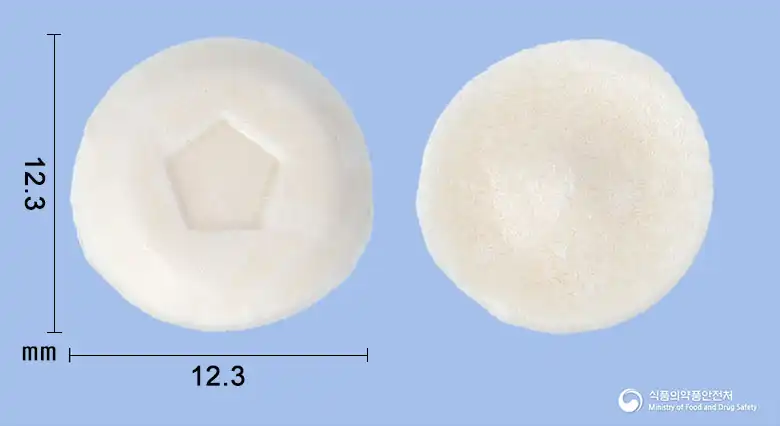
White to yellowish white, round, embossed lyophilized sublingual tablet
Package unit
30 tablets/box [(10 tablets/blister * 3)]
Questions about this medicine
No questions yet.
For anything that needs medical judgment, consult a doctor or pharmacist.