
 한국어
한국어 English
 日本語
日本語 中文(简体)
Dosage form image
Viewing nowGepopit Power Plaster (Diclofenac Sodium)
Diclofenac Sodium 15mg
Patch · OTC medication
Samjin Pharmaceutical Co., Ltd.
MFDS item code 201708500 · Notified 2017.12.21
Pain relief and anti-inflammatory effects for conditions such as osteoarthritis and muscle pain
This medication is used to alleviate pain and inflammation associated with various musculoskeletal disorders, including osteoarthritis, shoulder periarthritis, tendinitis and tenosynovitis, peritendinitis, lateral epicondylitis (tennis elbow), and muscle pain. It also helps reduce swelling and pain caused by trauma. Patients can expect pain relief and reduced inflammation through this medication, which can help improve uncomfortable symptoms in their daily lives. Therefore, it is effectively used for these symptoms.
For adults (15 years and older), apply one plaster once a day to the affected area.
This medication should not be used by individuals who have had an allergic reaction to this medication or its ingredients. Those who have experienced asthma attacks due to aspirin or other non-steroidal anti-inflammatory drugs may be at risk of severe asthma attacks if they use this medication. Children under 15 years of age should not use this medication as its safety has not been fully established. It should not be used during the last three months of pregnancy due to potential risks to the fetus and mother. The concurrent use of this medication and other non-steroidal anti-inflammatory medications should be avoided due to increased risk of side effects. Patients with bronchial asthma or inflammation accompanied by infection should consult a doctor or pharmacist before use and use with caution. When used for chronic diseases such as chronic osteoarthritis, the patient’s condition should be closely monitored for adverse reactions. There is insufficient research on its use during early and mid-pregnancy, so it should only be used when absolutely necessary and for the minimum duration and dosage. This medication can be excreted in breast milk, so it is safe for nursing mothers to avoid using it. Elderly patients are at higher risk for cardiovascular, gastrointestinal, and renal-related side effects when using this medication, so only the minimum effective dose should be used and any unusual symptoms should be monitored closely. If severe rashes, red spots, blisters, or itching occur while using this medication, it should be stopped immediately and medical advice sought. Additionally, rare allergic reactions or symptoms of angioedema and asthma may occur, so consult a specialist if these symptoms appear. This medication is symptomatic treatment that temporarily alleviates inflammation or pain and does not substitute for cause treatment. If used for more than two weeks, the efficacy and side effects need to be reevaluated. It should not be applied to the eyes or mucous membranes, nor to damaged skin or areas with eczema. Avoid using it with occlusive dressing methods as excessive absorption of the drug may lead to side effects. Caution is required when using this medication as it may cause skin irritation or tingling. There is a risk of seizures when used concurrently with certain antibiotics, so treatment should be sought immediately if seizure symptoms occur. Overuse may lead to serious side effects such as hypotension, deterioration of kidney function, seizures, gastrointestinal discomfort, and respiratory depression. Caution should be exercised as concomitant use with diuretics may worsen kidney function. There is also a risk of gastrointestinal bleeding, ulcers, and perforations, so individuals with a history of gastrointestinal disease should be especially careful. When used with drugs that affect blood clotting, bleeding symptoms should be closely monitored. This medication should be stored out of reach of children, away from direct sunlight, and in a cool, dry place. It is important to store the medication in its original container and not transfer it to another container in order to maintain its safety and efficacy.
Hives, severe swelling (angioedema), chest tightness, difficulty breathing, asthma attacks. Severe rash, blisters, skin peeling accompanied by high fever. Oral/ocular mucosal pain. Exfoliative dermatitis, Stevens-Johnson syndrome, toxic epidermal necrolysis. Skin peeling, swelling, blisters, ulceration. Yellowing of skin or eyes (jaundice). Extreme lethargy. Sudden severe headaches, thunderclap headaches, seizures, confusion, visual disturbances.
Photosensitivity reactions, skin peeling, eczema, dry skin, dermatitis, itching, redness, roughness, irritation, blister formation, pigmentation, skin irritation and tingling. Hypotension, renal failure, seizures, gastrointestinal discomfort, respiratory depression. Gastrointestinal bleeding, ulcers, perforations. Signs of bleeding. Be cautious for adverse reactions.
Not everyone experiences these, and they can vary from person to person.
Do not locally apply or take diclofenac preparations or non-steroidal anti-inflammatory drugs concomitantly with this medication. Consult a doctor or pharmacist when taking it with fluoroquinolone antibiotics, loop diuretics, thiazide diuretics, drugs that interfere with hemostasis, antiplatelet agents, selective serotonin reuptake inhibitors, and serotonin-norepinephrine reuptake inhibitors.
This medication may be sensitive to light; therefore, it should be stored in a container that blocks light. Additionally, it is best to store the medication at a temperature between 1 and 30 degrees Celsius. Storing the medication in this manner helps to maintain its efficacy and prevent deterioration.
It is a dressing that applies a colorless to pale yellow sticky substance to a support and covers it with a solid coating.
6 pieces per pack, 7 pieces per pack, 10 pieces per pack
Even with the same ingredient, strength, dosage form and how it is taken can differ.
Diclofenac Sodium 15mg
Patch · OTC medication
Samjin Pharmaceutical Co., Ltd.
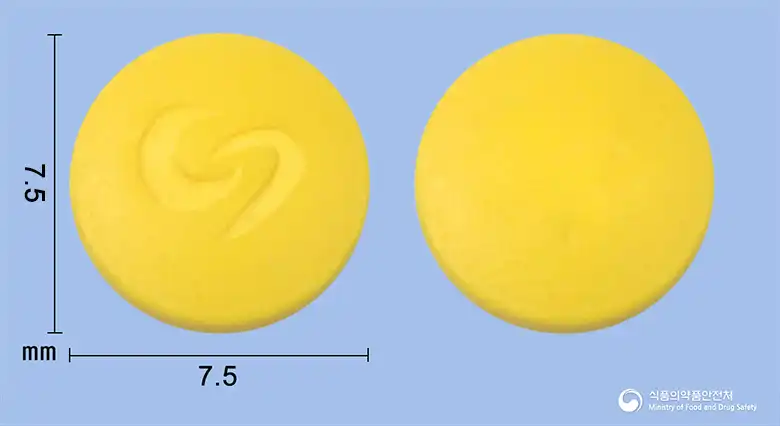
Diclofenac Sodium 25mg
Tablet · Prescription medication
Dongkwang Pharmaceutical Co., Ltd.
Diclofenac Sodium 75mg
Prescription medication
Ajou Pharmaceuticals Co., Ltd.
Diclofenac Sodium 37.5mg
Prescription medication
Hwanin Pharmaceutical Co., Ltd.
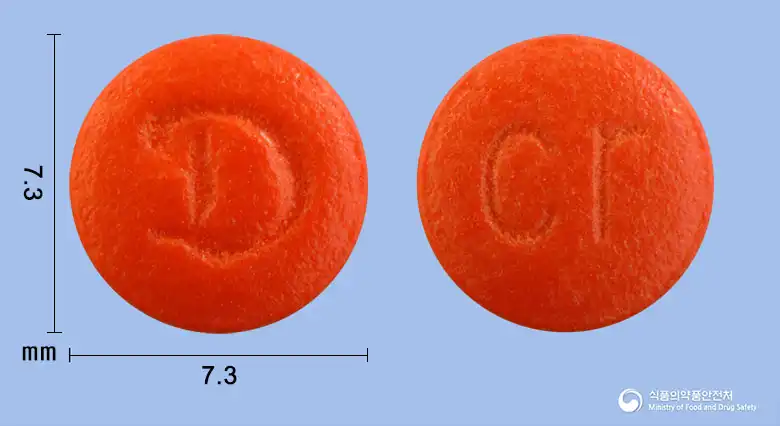
Diclofenac Sodium 25mg
Tablet · Prescription medication
GL Pharma Co., Ltd.
Diclofenac Sodium 75mg
Solution · Prescription medication
YuYoung Pharmaceutical Co., Ltd.
Diclofenac Sodium 37.5mg
Prescription medication
Daehwa Pharmaceutical Co., Ltd.
Diclofenac Sodium 37.5mg
Prescription medication
Dongkwang Pharmaceutical Co., Ltd.
Even with the same ingredient, the dose and directions can differ by strength and dosage form. Talk to a doctor or pharmacist before switching from a medication you are already taking.
No questions yet.
For anything that needs medical judgment, consult a doctor or pharmacist.
This drug information is based on data provided by the Korea Ministry of Food and Drug Safety.
Consult a doctor or pharmacist for accurate dosage, administration, and usage instructions.