
 한국어
 English
 日本語
 中文(简体)
 Viewing now
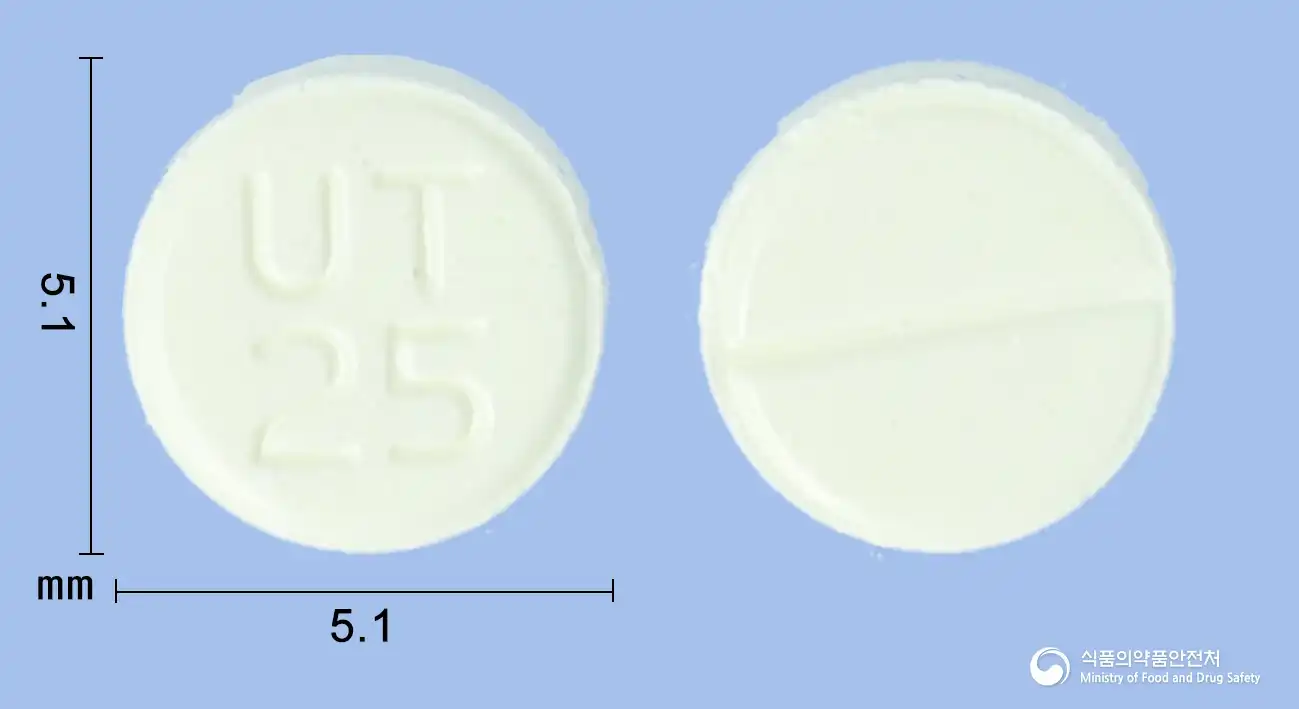
Azaprine 25 mg (Azathioprine)
Azathioprine 25mg
Tablet · Prescription medication
Korea United Pharm Inc.
MFDS item code 201708459 · Approved 2017.12.21 · Insurance code 644309210
Treatment of autoimmune diseases; suppression of rejection after kidney transplantation
This medication helps suppress possible rejection occurring after kidney transplantation, allowing the new kidney to function well. It also alleviates the symptoms of autoimmune diseases, preventing the immune system from attacking the body. Therefore, it is used for the prevention of rejection after kidney transplantation and for the treatment of autoimmune diseases.
After kidney transplantation: Administer azathioprine orally at an initial dose of 3-5mg/kg body weight per day, with a maintenance dose of 0.5-2mg/kg body weight. For creatinine clearance of 20mL/min or less, the dose should not exceed 1.5mg/kg body weight per day. Autoimmune diseases: For treatment of diseases other than chronic active arthritis, administer 2.0-2.5mg/kg body weight per day. For treatment of chronic active arthritis, administer 1.0-1.5mg/kg body weight per day. Tolerated and effective doses vary among patients; therefore, the dose should be carefully adjusted to achieve the optimal therapeutic effect. Consider discontinuing treatment if the condition has not improved after 12 weeks. Adjust the dose appropriately according to age and symptoms.
This medication should not be used in certain patients. Patients who are allergic or hypersensitive to this medication or related drugs, patients with severe liver disease, kidney disease, or bone marrow disease should not take this medication. Women who are pregnant or may become pregnant, as well as breastfeeding women, should also avoid this medication. Furthermore, patients with genetic lactose intolerance or certain enzyme deficiencies should avoid administration. This medication should be used with caution in patients with weakened bone marrow function or infections. Patients with compromised liver or kidney function, bleeding tendencies, varicella, and those taking certain medications may require dose adjustment or special monitoring. The use of this medication may increase the risk of infections, and there is a possibility of severe infections or tumor occurrence. Regular check-ups are essential as side effects such as decreased blood cell count, liver function abnormalities, pancreatitis, skin rashes, hair loss, pneumonia, and others may arise. During treatment, regular blood tests and monitoring of liver and kidney function should be performed to detect abnormal signs early and respond accordingly. Caution is necessary during long-term use as the risk of side effects may increase. This medication may interact with other drugs, so it is crucial to inform healthcare professionals about any medications being taken. Particularly, caution should be exercised when taking it with immunosuppressants, anticoagulants, specific antibiotics, and medications affecting liver function. This medication should not be used during pregnancy or breastfeeding as it may harm the fetus or newborn. If absolutely necessary, consult healthcare professionals and discontinue breastfeeding. The safety and efficacy of this medication have not been fully established in children or the elderly, and the elderly should be carefully monitored for kidney and liver function. In case of overdose, severe side effects such as nausea, vomiting, diarrhea, decreased blood cell count, and liver function abnormalities may occur, and immediate medical attention is necessary. Keep this medication out of reach of children and store it in its original container. Due to the risk of mutagenicity and carcinogenicity, regular examinations and caution are needed during long-term use.
Not everyone experiences these, and they can vary from person to person.
This medication is sensitive to air and moisture, so it must be stored in a sealed container. It is also important to avoid direct sunlight and keep it in a cool, dry room at a temperature between 1°C and 30°C.
Pale yellow round tablet
100 tablets/foil [10 tablets x 10]
Even with the same ingredient, strength, dosage form and how it is taken can differ.
Viewing nowAzathioprine 25mg
Tablet · Prescription medication
Korea United Pharm Inc.

Azathioprine 50mg
Tablet · Prescription medication
Samil Pharmaceutical Co., Ltd.

Azathioprine 50mg
Tablet · Prescription medication
Handok Teva Co., Ltd.
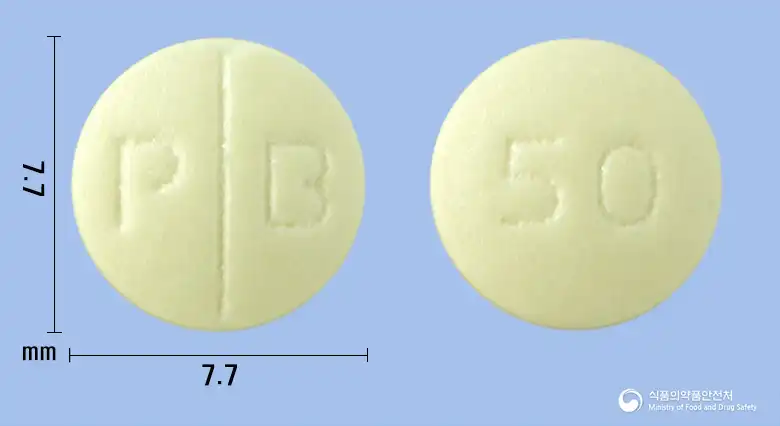
Azathioprine 50mg
Tablet · Prescription medication
Korea Pharmbio Co., Ltd.
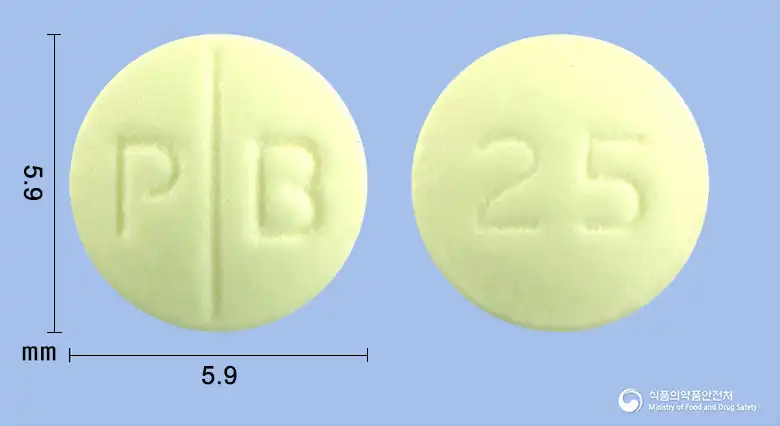
Azathioprine 25mg
Tablet · Prescription medication
Korea Pharmbio Co., Ltd.
Azathioprine 50mg
Tablet · Prescription medication
Macknulty Pharmaceutical Co., Ltd.
Azathioprine 25mg
Tablet · Prescription medication
McNulty Pharmaceutical Co., Ltd.
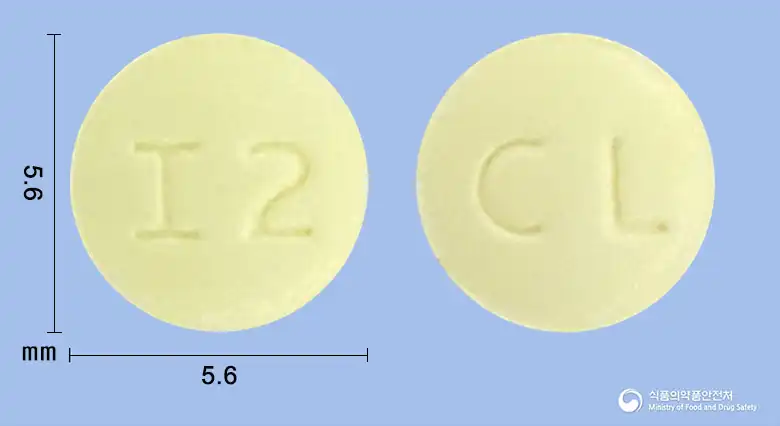
Azathioprine 25mg
Tablet · Prescription medication
Celltrion Pharmaceutical Co., Ltd.
Even with the same ingredient, the dose and directions can differ by strength and dosage form. Talk to a doctor or pharmacist before switching from a medication you are already taking.
No questions yet.
For anything that needs medical judgment, consult a doctor or pharmacist.
This drug information is based on data provided by the Korea Ministry of Food and Drug Safety.
Consult a doctor or pharmacist for accurate dosage, administration, and usage instructions.