
 한국어
한국어 English
 日本語
日本語 中文(简体)
 Viewing nowCombination
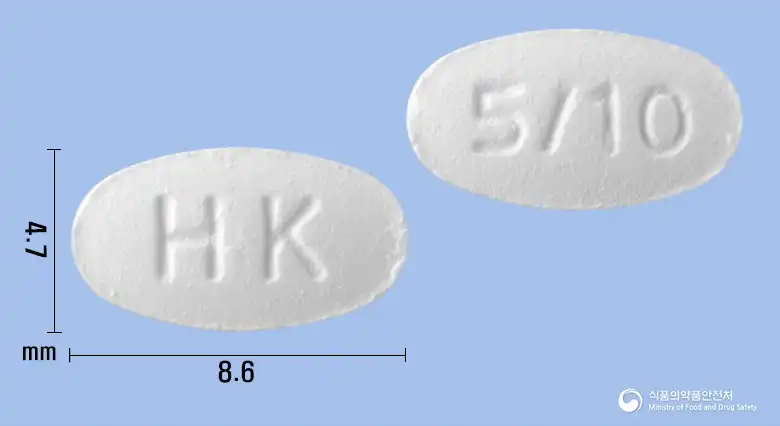
K-Duet Tablets 5/10 mg
Atorvastatin Calcium 10.36mg · Amlodipine Besylate 6.94mg
Tablet · Prescription medication · Combination
Korea Chorus Co., Ltd.
MFDS item code 201708367 · Approved 2017.12.14
Treatment for improvement of hypertension and dyslipidemia and reduction of cardiovascular risk
This medication is used for patients who need to take both amlodipine (S-Amlodipine) and atorvastatin simultaneously. Amlodipine treats hypertension and myocardial ischemia due to stable or variant angina, reducing the risk of hospitalization due to angina and the risk of coronary revascularization. Atorvastatin is effective in reducing cardiovascular disease risk, lowering the risk of myocardial infarction, stroke, revascularization procedures, and angina. It also controls cholesterol levels in patients with hypercholesterolemia and dyslipidemia and is used as an adjunct to diet. This medication helps improve vascular health and reduce the risk of cardiovascular complications.
Administer amlodipine orally once daily at a dose of 5(2.5) mg, which can be increased up to a maximum of 10(5) mg daily based on the patient's response. Adjust dosage as appropriate according to symptoms. Atorvastatin should be administered as an initial recommended dose of 10 mg once daily, and if more LDL cholesterol reduction is required, it may be started at 20 mg or 40 mg once daily. The dosage range is once daily
This medication should not be used in certain patients. For example, patients who are allergic to this medication or similar drugs, those with severe liver dysfunction, pregnant or nursing women, and those with serious heart or muscle problems should not take this medication. Additionally, patients with severely impaired kidney function, elderly patients, alcoholics, or those with a history of liver disease should use this medication with caution. In particular, those with muscle-related diseases or at high risk of muscle damage should check muscle enzyme levels before starting treatment. When taking this medication, side effects may occur, so caution is needed. The most common side effects include flushing, fatigue, edema, dizziness, headache, and indigestion. Rarely, muscle pain, liver function abnormalities, skin rash, and allergic reactions may occur, so consult a doctor immediately if any unusual symptoms arise. This medication may affect liver function, so liver function tests should be done before administration and regularly during use. Women who are pregnant or may become pregnant should not take this medication and should use appropriate contraception while on treatment. Nursing mothers should also avoid this medication. Safety in children and elderly patients has not been fully established, so special caution is necessary. In the case of overdose, severe hypotension and heart problems may occur, so seek immediate treatment at a hospital. This medication can interact with several other drugs, so if you are taking other medications, it is essential to inform your healthcare provider. Particular caution is required when taking it with certain antibiotics, antifungal agents, immunosuppressants, some antihypertensives, and anticoagulants.
Hives, angioedema, toxic epidermal necrolysis, severe edema, urinary alterations, jaundice of the skin or eyes, liver abnormalities, severe allergic reactions, generalized severe malaise, hepatitis, fulminant hepatitis, skin peeling, pain in mucous membranes of the mouth/eyes, severe skin reactions, severe rash with high fever, shortness of breath or difficulty breathing, asthma attacks, respiratory distress accompanied by cough and fever, difficulty breathing, chest tightness, severe neurological symptoms
Not everyone experiences these, and they can vary from person to person.
This medication may be sensitive to air or moisture, so it must be stored in a tightly closed container. The recommended storage temperature is room temperature maintained between 1 and 30 degrees. Proper storage helps maintain the drug's efficacy and safety for a longer period.
White oval film-coated tablet
30 tablets/bottle
Even with the same ingredient, strength, dosage form and how it is taken can differ.
Viewing nowCombinationAtorvastatin Calcium 10.36mg · Amlodipine Besylate 6.94mg
Tablet · Prescription medication · Combination
Korea Chorus Co., Ltd.
 Combination
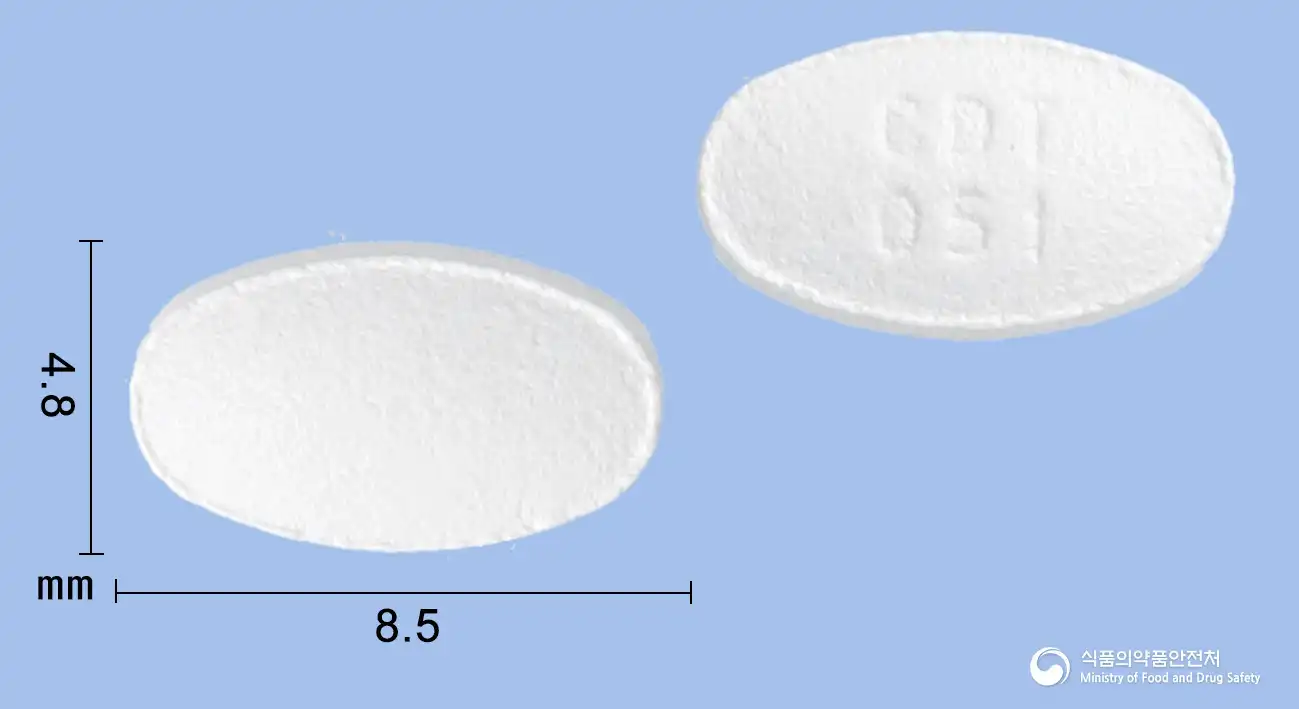
Atorvastatin Calcium Trihydrate 10.85mg · Amlodipine Besylate 6.94mg
Tablet · Prescription medication · Combination
Viatriss Korea Co., Ltd.
 Combination
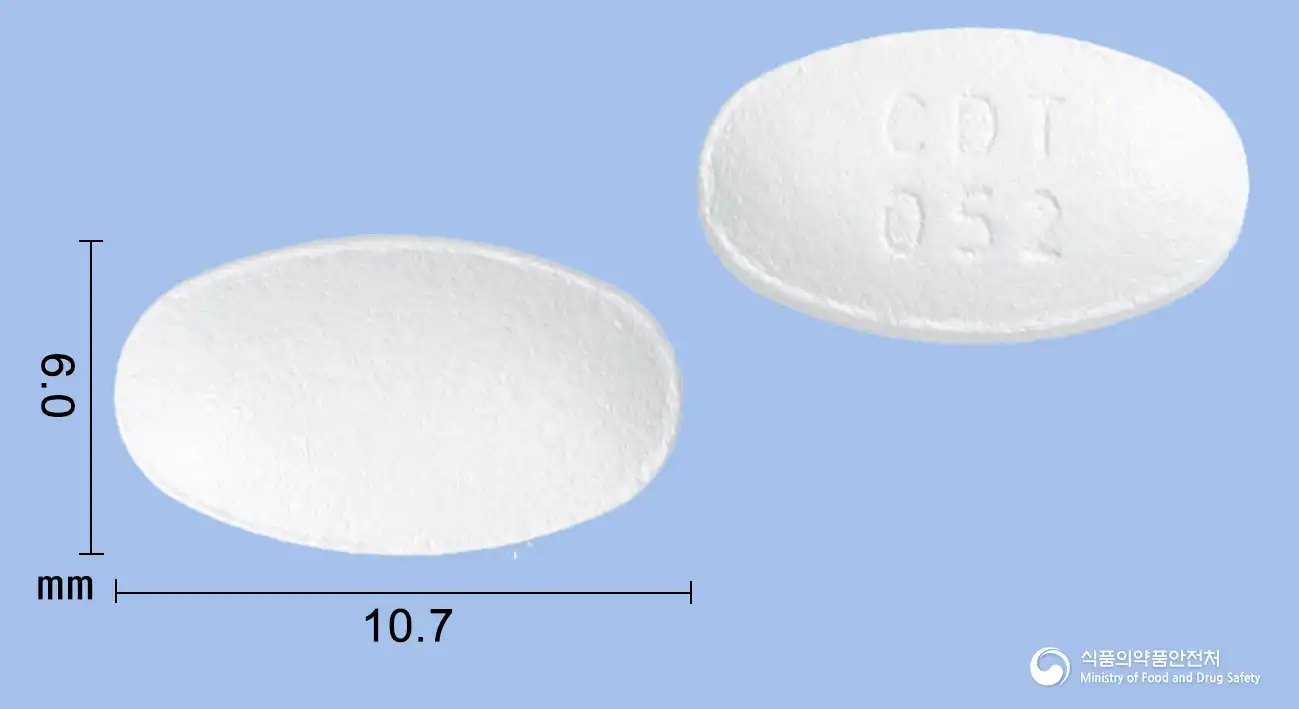
Atorvastatin Calcium Trihydrate 21.7mg · Amlodipine Besylate 6.94mg
Tablet · Prescription medication · Combination
Viatrise Korea Co., Ltd.
 Combination
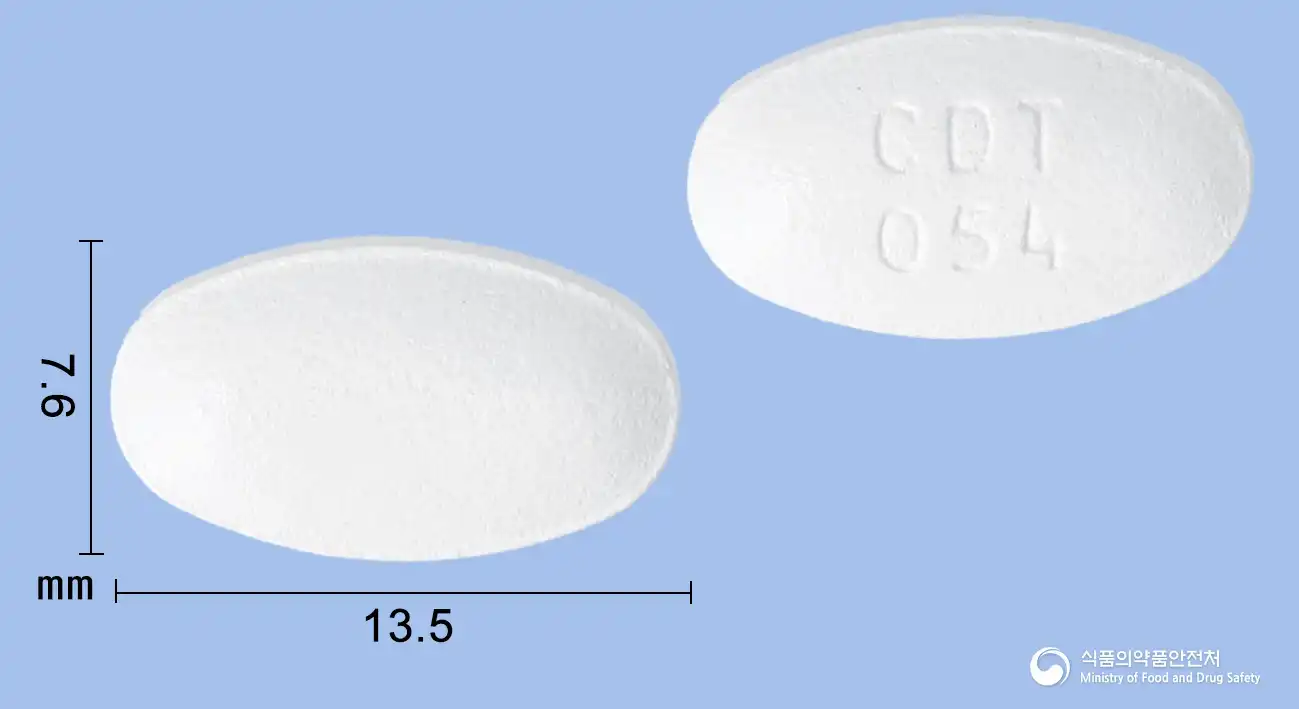
Atorvastatin Calcium Trihydrate 43.4mg · Amlodipine Besylate 6.94mg
Tablet · Prescription medication · Combination
Viatris Korea Co., Ltd.
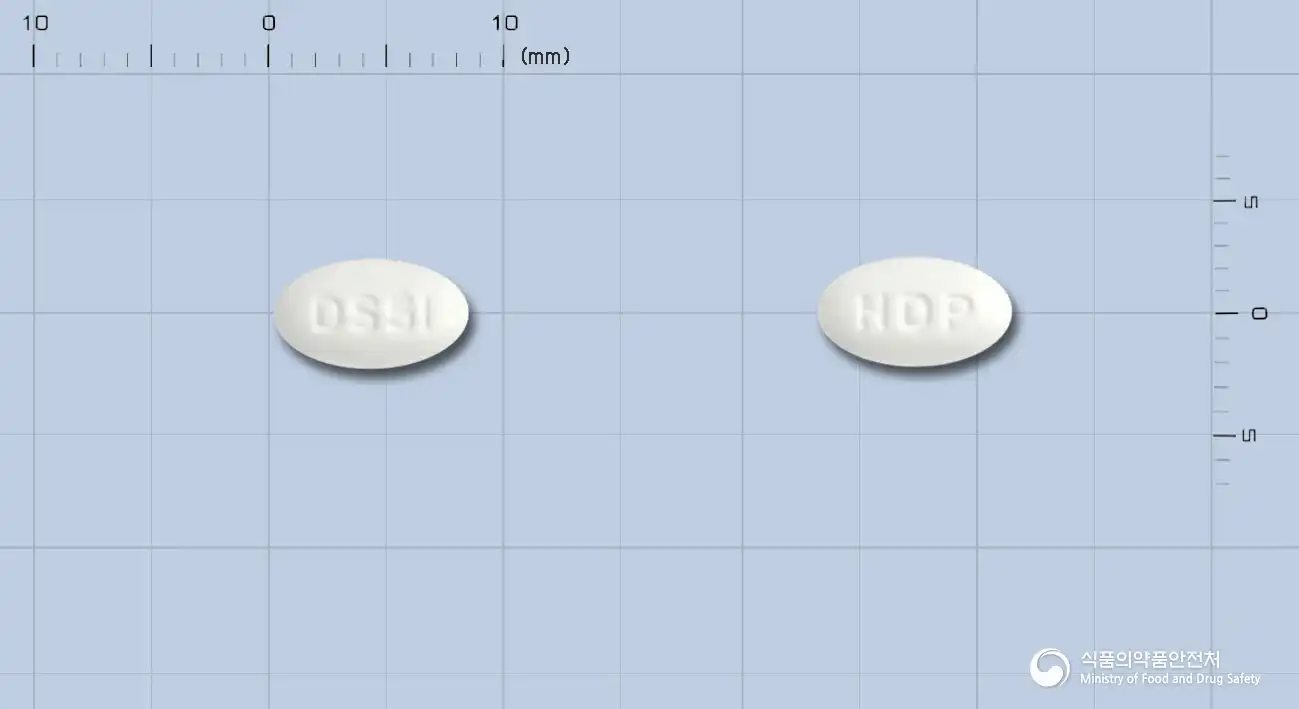 Combination
Atorvastatin Calcium Hydrate 10.85mg · Amlodipine Besylate 6.94mg
Tablet · Prescription medication · Combination
Hyundai Pharmaceutical Co., Ltd.
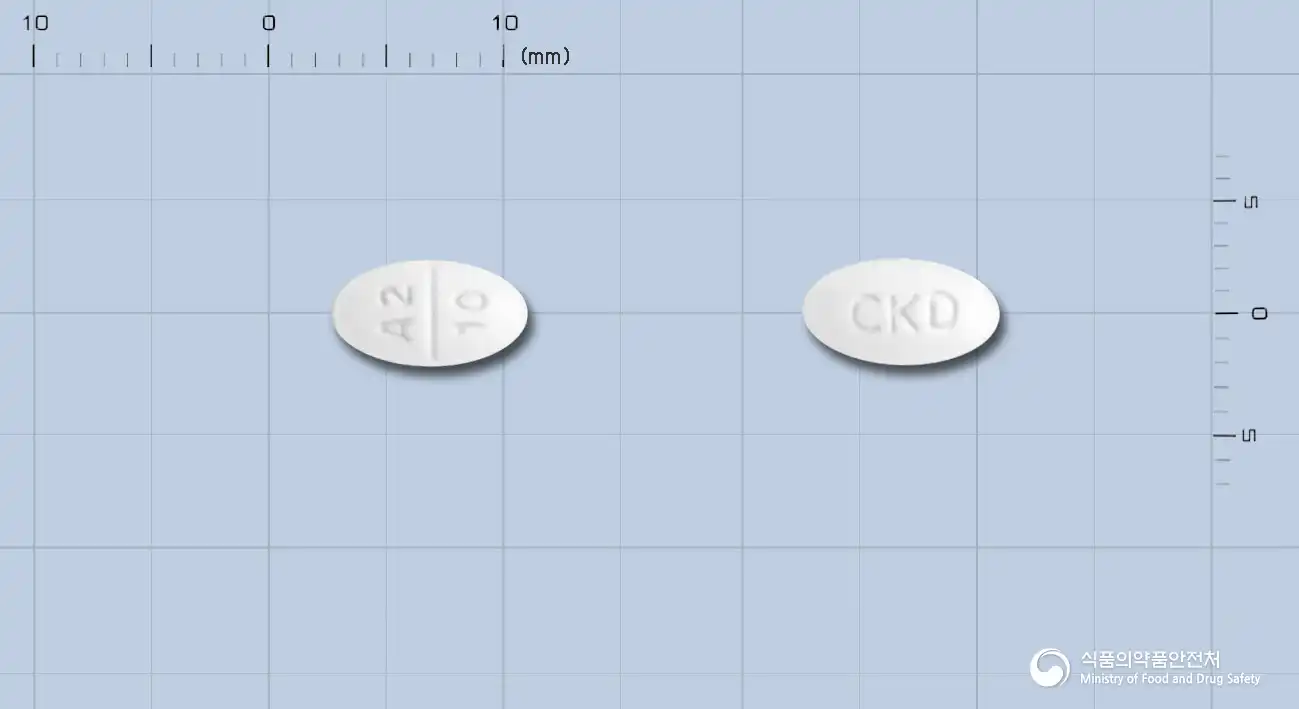 Combination
Amlodipine Besylate 6.94mg · Atorvastatin Calcium Trihydrate 10.36mg
Tablet · Prescription medication · Combination
Jongkundang Co., Ltd.
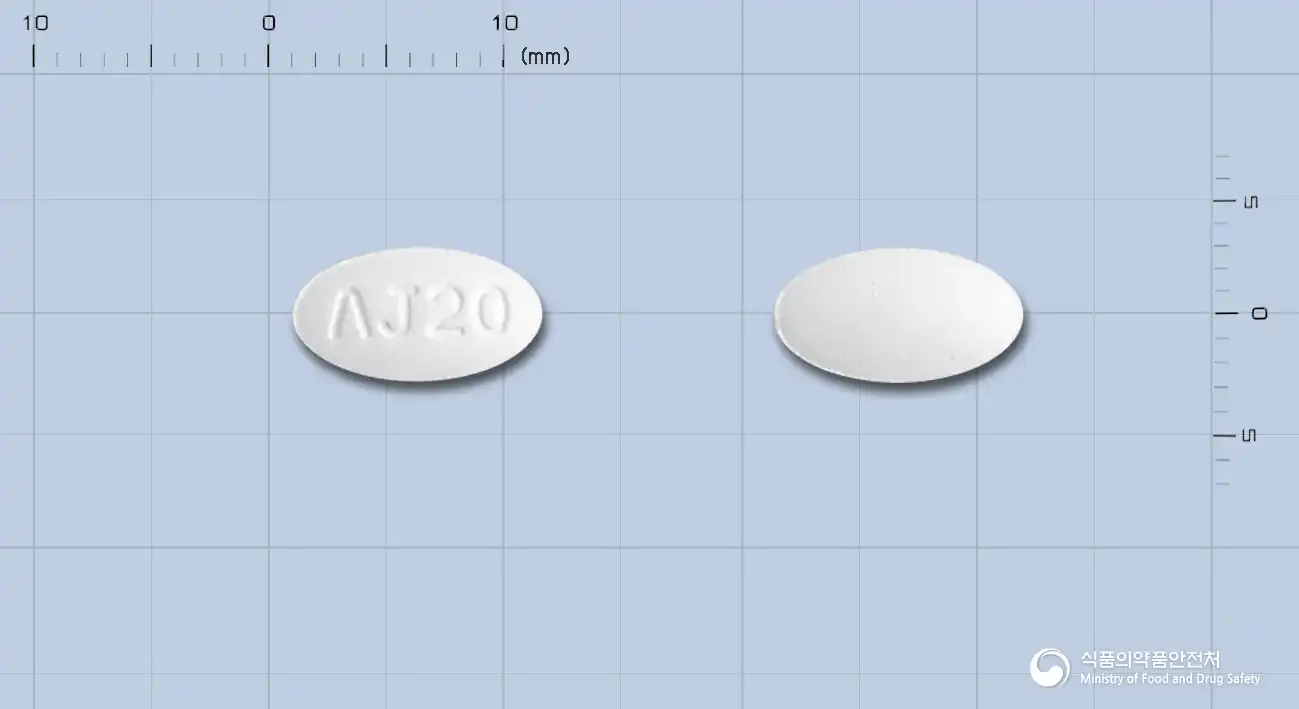 Combination
Atorvastatin Calcium 20.72mg · Amlodipine Besylate 6.94mg
Tablet · Prescription medication · Combination
Aju Pharmaceuticals Co., Ltd.
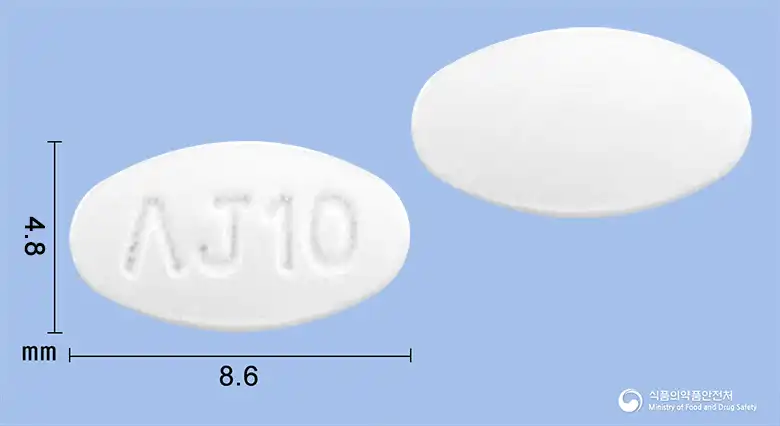 Combination
Atorvastatin Calcium 10.36mg · Amlodipine Besylate 6.94mg
Tablet · Prescription medication · Combination
Aju Pharmaceuticals Co., Ltd.
Even with the same ingredient, the dose and directions can differ by strength and dosage form. Talk to a doctor or pharmacist before switching from a medication you are already taking.
No questions yet.
For anything that needs medical judgment, consult a doctor or pharmacist.
This drug information is based on data provided by the Korea Ministry of Food and Drug Safety.
Consult a doctor or pharmacist for accurate dosage, administration, and usage instructions.