
 한국어
 English
 日本語
 中文(简体)
 Viewing now
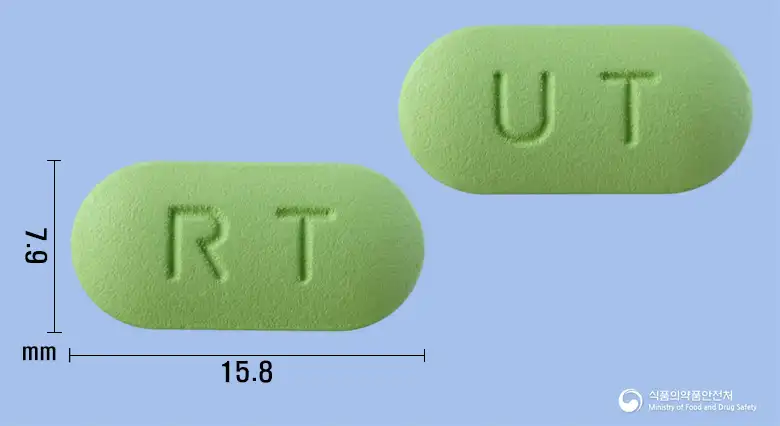
Dexima Tablet (R-Tioctric Acid Tromethamine Salt)
R-Thioctic Acid Tromethamine 480mg
Tablet · Prescription medication
Korea United Pharmaceutical Co., Ltd.
MFDS item code 201708195 · Approved 2017.11.30 · Insurance code 644309190
Relief of diabetic polyneuropathy
This medication is used to relieve symptoms caused by diabetic polyneuropathy.
Adults: Take 480 milligrams of altiopctic acid tromethamine salt once daily with plenty of water, approximately 30 minutes before breakfast.
This medication should not be used by patients who are hypersensitive to R-Tioctric Acid Tromethamine Salt. During use, symptoms such as sensory disturbances, pain, headaches, constipation, and dry mouth may occur, so caution should be exercised. Serious side effects such as kidney stones or facial swelling may occur rarely, so immediate consultation with a doctor is necessary if unusual symptoms appear. If alcohol is frequently consumed, the therapeutic effect of this medication may be diminished; therefore, it is advisable to avoid alcohol as much as possible. This medication may interfere with the absorption of drugs or foods containing certain metal components if taken together, so care should be taken with dosing times. When taken with medications that lower blood sugar, there is a risk of hypoglycemia, so blood sugar levels should be monitored frequently. Women who are pregnant or breastfeeding should consult a doctor regarding the use of this medication. It is recommended that children under 18 years of age do not use this medication. In case of overdose, severe toxicity symptoms may occur; therefore, dosage must be strictly adhered to, and immediate medical attention is required if overdose is suspected. This medication should be stored at temperatures not exceeding 30 degrees Celsius and kept in a safe place out of reach of children; transferring to other containers should be avoided.
Not everyone experiences these, and they can vary from person to person.
This medication should be stored at room temperature between 1 and 30 degrees Celsius in a container that prevents air from entering with a well-sealed lid. This ensures that the efficacy of the medication remains unchanged and it can be used safely.
Pale green film-coated tablet in an oblong shape
30 tablets per bottle
Even with the same ingredient, strength, dosage form and how it is taken can differ.
Viewing nowR-Thioctic Acid Tromethamine 480mg
Tablet · Prescription medication
Korea United Pharmaceutical Co., Ltd.
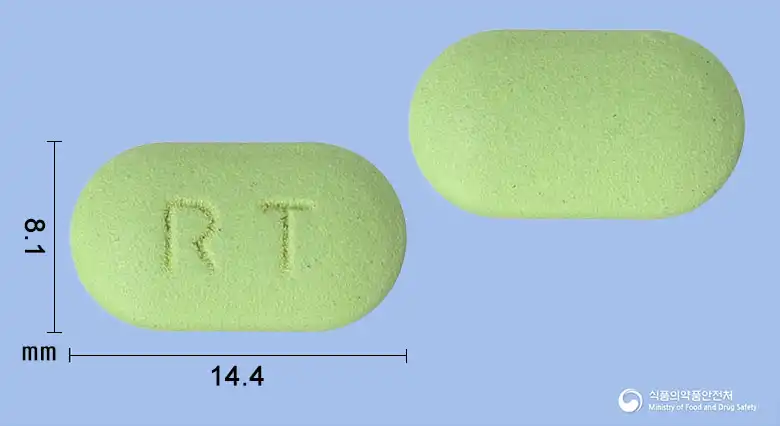
R-Thioctic Acid Tromethamine 480mg
Tablet · Prescription medication
Bukwang Pharmaceutical Co., Ltd.
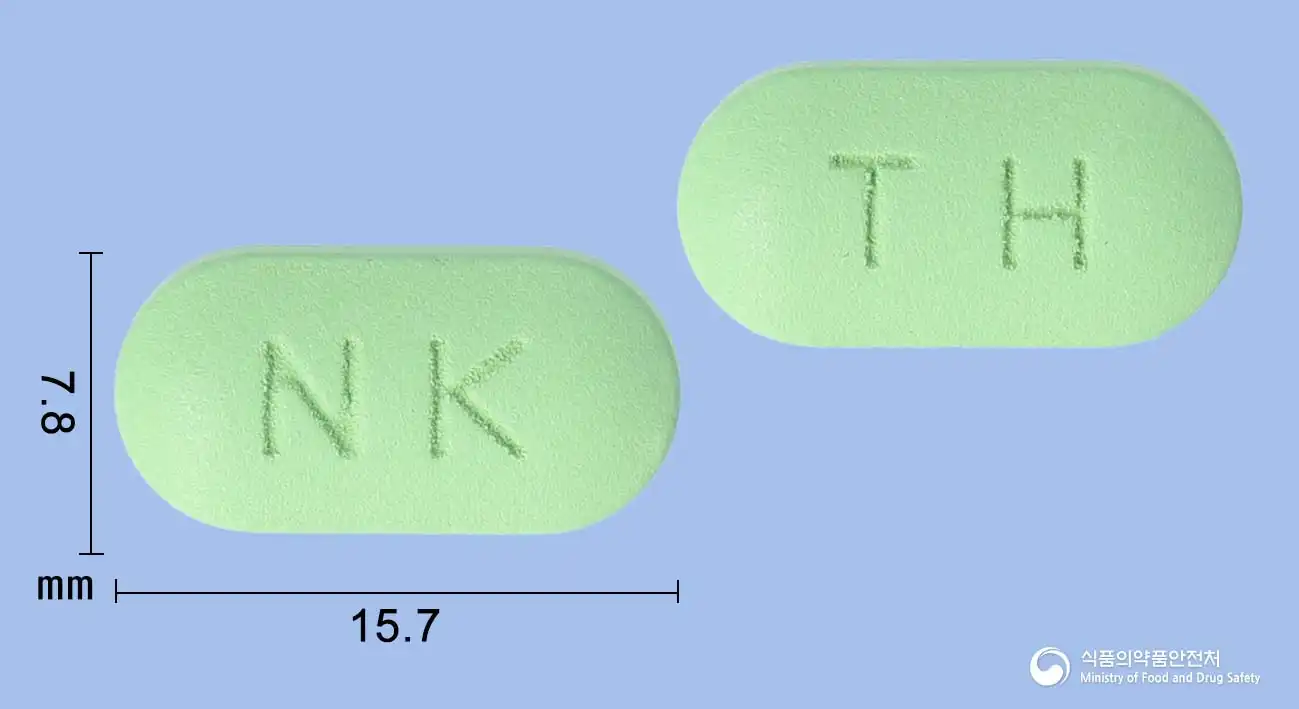
R-Thioctic Acid Tromethamine 480mg
Tablet · Prescription medication
NexPharm Korea Co., Ltd.
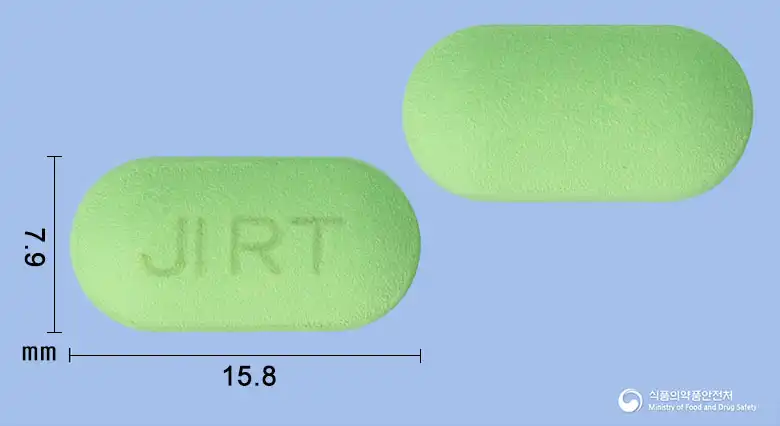
R-Thioctic Acid Tromethamine 480mg
Tablet · Prescription medication
Jeil Pharmaceutical Co., Ltd.
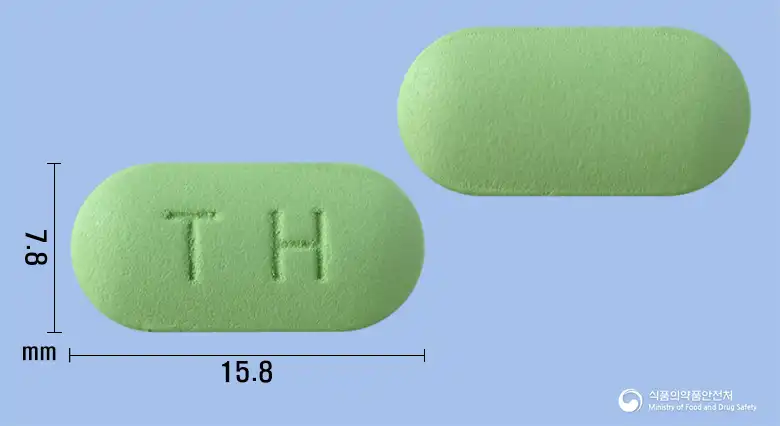
R-Thioctic Acid Tromethamine 480mg
Tablet · Prescription medication
Korea Prime Pharm, Co., Ltd.
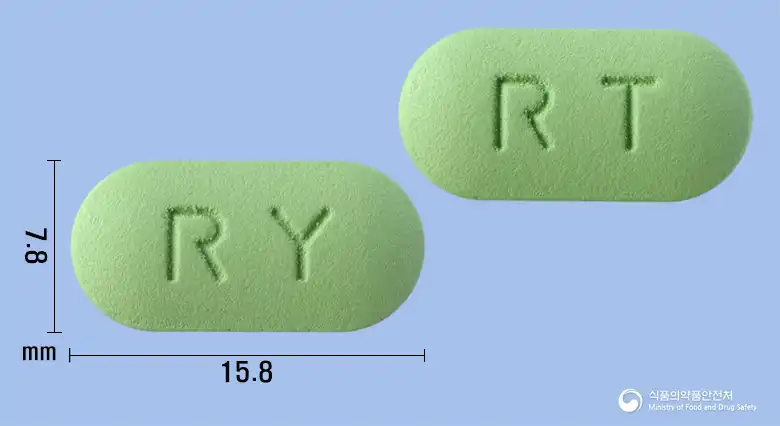
R-Thioctic Acid Tromethamine 480mg
Tablet · Prescription medication
IYON Pharmaceutical Co., Ltd.
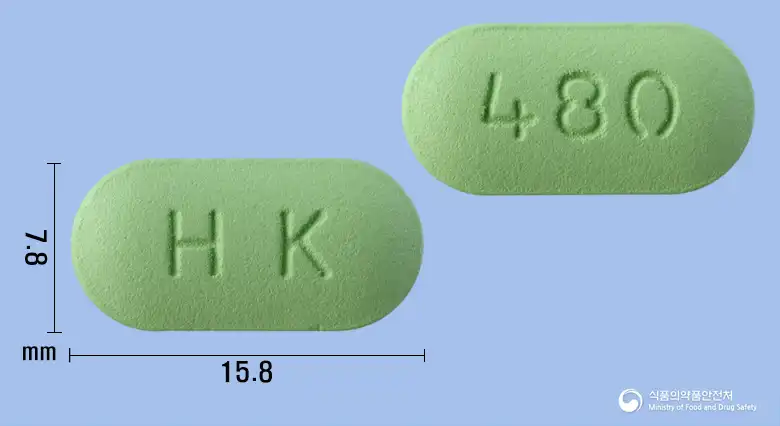
R-Thioctic Acid Tromethamine 480mg
Tablet · Prescription medication
Korea Chorus Co., Ltd.
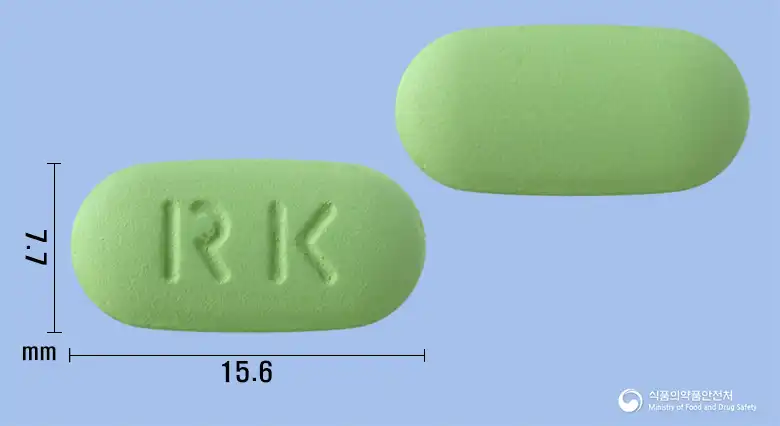
R-Thioctic Acid Tromethamine 480mg
Tablet · Prescription medication
Genewon Science Co., Ltd.
Even with the same ingredient, the dose and directions can differ by strength and dosage form. Talk to a doctor or pharmacist before switching from a medication you are already taking.
No questions yet.
For anything that needs medical judgment, consult a doctor or pharmacist.
This drug information is based on data provided by the Korea Ministry of Food and Drug Safety.
Consult a doctor or pharmacist for accurate dosage, administration, and usage instructions.