
 한국어
한국어 English
 日本語
日本語 中文(简体)
Dosage form image
Viewing nowVita C Up Injection (Ascorbic Acid)
Ascorbic Acid 500mg
Prescription medication
YouYoung Pharmaceutical Co., Ltd.
MFDS item code 201708192 · Notified 2017.11.30
Prevention and treatment of vitamin C deficiency (e.g., scurvy), effects on capillary hemorrhage and bone union promotion
This medication is effective in the prevention and treatment of vitamin C deficiency, specifically scurvy. It is also used in situations where the demand for vitamin C increases, such as during pregnancy, breastfeeding, or severe physical labor. It may aid in symptoms related to bleeding conditions like capillary hemorrhage, deficiencies due to medication, or metabolic disorders. This medication promotes bone tissue formation and bone healing in cases of fractures and is also utilized to improve pigmentation related to melasma, freckles, and post-inflammatory hyperpigmentation. Additionally, it helps alleviate symptoms of photosensitivity dermatitis. It is used to improve vitamin C deficiency in various situations and maintain health.
As ascorbic acid, 50 to 1,000 mg per day, administered subcutaneously, intramuscularly, or intravenously once to multiple times a day. Adjust dosage according to age and symptoms.
This medication may cause glass fragments to mix when cutting the ampule, so great care must be taken to avoid glass contamination during use. Particularly take extra caution when using on children or the elderly. This medication contains sodium bisulfite, which may cause allergic reactions or asthma attacks in individuals who are allergic to sulfites, so careful administration is required. It should not be administered to individuals with hypersensitivity to this medication or its components, oxalate nephropathy, thalassemia, gout, cystinuria, or G6PD deficiency. Particularly, high doses in patients with G6PD deficiency may result in hemolysis. Moreover, patients with kidney stones should not be given doses exceeding 1 gram per day. Side effects may include nausea, vomiting, diarrhea, heartburn, abdominal cramps, fatigue, flushing, headaches, and insomnia. Furthermore, exceeding a daily dose of 1 gram may acidify urine, increasing the risk of diarrhea or kidney stones. Doses over 600 mg can lead to diuretic effects. Excessive intake of ascorbic acid may lead to precipitation of oxalate, urate, or cystine in the urinary tract, causing stones. This medication is typically taken orally and injections are only used in acute situations or when oral intake is not possible. It is preferable to quickly transition to oral administration if oral intake becomes feasible. When taken with salicylates, absorption in white blood cells and platelets may be inhibited. It is advisable to avoid concurrent use with aspirin, nicotine, alcohol, certain appetite suppressants, iron supplements, antiepileptics, oral contraceptives, tetracycline antibiotics, and others, as they may affect the efficacy of this medication. During pregnancy, since its safety for the fetus is not clearly established, it should only be used when the benefits outweigh the risks, and high dose administration over 1 gram per day should be avoided. High doses may lead to scurvy in newborns, thus caution is required. This medication may affect urine glucose tests, blood hematuria tests, fecal occult blood tests, and other assessments, potentially impacting test results. Overdosing may result in diarrhea or kidney stones, and diuretic effects may appear over 600 mg, so if symptoms arise, discontinue use immediately and seek appropriate treatment. When used as an injection, temporary pain may occur at the injection site, and care should be taken to avoid nerve areas and not to repeat injections in the same site. Particularly, extreme caution is necessary when administering to newborns, premature infants, or children. If pain or blood return occurs during needle insertion, the needle should be immediately removed, and intravenous injections should be administered slowly to prevent dizziness or phlebitis from rapid infusion. Keep this medication out of reach of children, store in a dark place away from direct sunlight, and ensure it is stored in its original sealed container. Transferring to another container may risk quality degradation or misuse.
Asthma attacks, hemolysis
Not everyone experiences these, and they can vary from person to person.
This medication is sensitive to light and should be stored in a dark container to avoid sunlight exposure. It is essential to keep it refrigerated at a temperature between 2°C and 8°C to maintain its effectiveness.
A clear colorless or pale yellow injection solution in a brown vial
20mL x 10 vials
Even with the same ingredient, strength, dosage form and how it is taken can differ.
Ascorbic Acid 500mg
Prescription medication
YouYoung Pharmaceutical Co., Ltd.
Ascorbic Acid 50mg
Prescription medication
Daehan Pharmaceutical Industry Co., Ltd.
Ascorbic Acid 50mg
Injections · Prescription medication
Jeil Pharmaceutical Co., Ltd.
Ascorbic Acid 250mg
Injections · Prescription medication
Daewon Pharmaceutical Co., Ltd.
Ascorbic Acid 250mg
Injections · Prescription medication
(Company) Jeil Pharmaceutical
Ascorbic Acid 250mg
Injections · Prescription medication
Huons Co., Ltd.
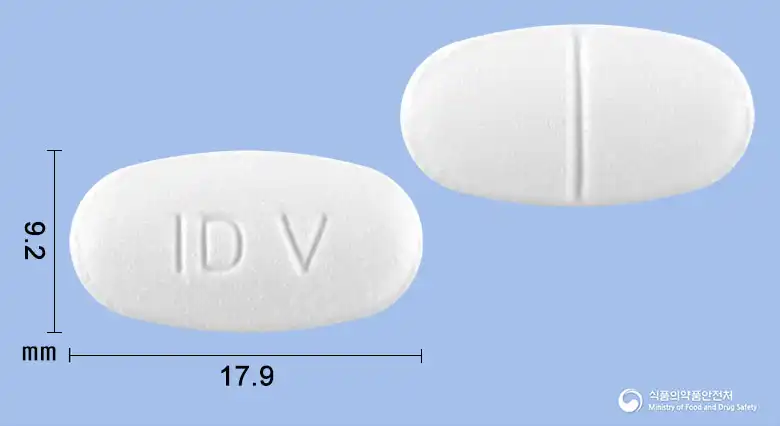
Ascorbic Acid 1031.01mg
Tablet · OTC medication
Ildong Pharmaceutical Co., Ltd.
Ascorbic Acid 500mg
Injections · Prescription medication
Aprogen Biologics Co., Ltd.
Even with the same ingredient, the dose and directions can differ by strength and dosage form. Talk to a doctor or pharmacist before switching from a medication you are already taking.
No questions yet.
For anything that needs medical judgment, consult a doctor or pharmacist.
This drug information is based on data provided by the Korea Ministry of Food and Drug Safety.
Consult a doctor or pharmacist for accurate dosage, administration, and usage instructions.