
 한국어
한국어 English
 日本語
日本語 中文(简体)
Dosage form image
Viewing nowCOVITA C Injection (Ascorbic Acid)
Ascorbic Acid 500mg
Prescription medication
Ilhwa Co., Ltd.
MFDS item code 201708097 · Notified 2017.11.28
Prevention of Vitamin C deficiency, treatment of scurvy, effects of promoting capillary bleeding and bone union
This medication is used for the prevention and treatment of Vitamin C deficiency, particularly scurvy. It also helps in cases where the demand for Vitamin C increases, such as in pregnant or breastfeeding women. It is used for bleeding symptoms associated with capillary hemorrhages, as well as Vitamin C deficiency and metabolic disorders that may occur with certain medications. It promotes bone matrix formation and union during fractures, and is effective in improving melasma, freckles, post-inflammatory pigmentation, and photosensitive dermatitis. Overall, this medication is used to improve various symptoms and diseases related to Vitamin C deficiency.
As ascorbic acid, 50 to 1,000 mg is administered subcutaneously, intramuscularly, or intravenously once or in multiple doses daily. Adjust according to age and symptoms.
Care must be taken while cutting the container when using this medication in ampoule form, as glass fragments may mix in, causing adverse reactions. Extra caution is required when used in children or the elderly. Due to the presence of sodium bisulfite, caution should be exercised when using this medication in patients with sulfite allergy or asthma, as severe cases may lead to life-threatening asthmatic attacks. This medication should not be used in patients with certain diseases. For example, patients allergic to this medication or its ingredients, those with hyperoxaluria who excrete excessive oxalate in urine, patients with thalassemia, gout, cystinuria, and those with G6PD deficiency should not take this medication due to the risk of severe side effects. Additionally, patients with oxalate stones in the kidneys should avoid taking more than 1 gram daily, as this may worsen their condition. Taking this medication may cause side effects such as nausea, vomiting, diarrhea, abdominal pain, fatigue, facial flushing, headache, and insomnia. Especially, taking more than 1 gram daily may acidify urine and increase the risk of diarrhea and kidney stones. High doses may produce diuretic effects, and hemolysis may occur in patients with G6PD deficiency. Overdose can lead to hyperoxaluria or drug precipitation in the urinary tract, so caution is necessary, and this medication is generally taken orally but may be used as an injection only in acute situations or when oral administration is not possible. This medication interacts with certain drugs, so it is recommended to avoid concurrent use with salicylates, aspirin, nicotine, alcohol, iron preparations, certain anticonvulsants, oral contraceptives, and tetracycline antibiotics, as the effects can be altered. During pregnancy, the safety for the fetus has not been fully established, so it should only be administered when necessary, and high doses exceeding 1 gram should be avoided, as there may be a risk of scurvy in newborns with high doses. This medication is also partially transferred through breast milk, but it is known to be safe for infants at standard doses. This medication can affect glucose and blood tests, as well as stool occult blood tests, so these are considerations during testing. In the case of overdose, diarrhea and kidney stones may occur, so if any symptoms appear, discontinue use and seek appropriate treatment. When used as an injection, there may be slight pain at the injection site, and it is important to use the minimum dose while rotating the injection site, with extra caution taken for newborns or infants. When administering intravenously, injecting too quickly may cause dizziness or vascular pain, so it should be injected slowly. Lastly, this medication should be stored out of reach of children, protected from direct sunlight, and kept in a dry place. Do not remove the medication from its original container, and always keep it tightly closed.
Hemolysis, asthmatic attacks, kidney stones, increased risk of diarrhea and renal oxalate stones due to overdose
Not everyone experiences these, and they can vary from person to person.
This medication is sensitive to light, so it should be stored in a container that does not allow light to pass through. It is important to keep it refrigerated between 2 to 8 degrees to maintain its efficacy.
A brown vial containing a clear colorless or pale yellow injection solution
10 vials/box [(20 mL / vial) * 10]
Even with the same ingredient, strength, dosage form and how it is taken can differ.
Ascorbic Acid 500mg
Prescription medication
Ilhwa Co., Ltd.
Ascorbic Acid 50mg
Prescription medication
Daehan Pharmaceutical Industry Co., Ltd.
Ascorbic Acid 50mg
Injections · Prescription medication
Jeil Pharmaceutical Co., Ltd.
Ascorbic Acid 250mg
Injections · Prescription medication
Daewon Pharmaceutical Co., Ltd.
Ascorbic Acid 250mg
Injections · Prescription medication
(Company) Jeil Pharmaceutical
Ascorbic Acid 250mg
Injections · Prescription medication
Huons Co., Ltd.
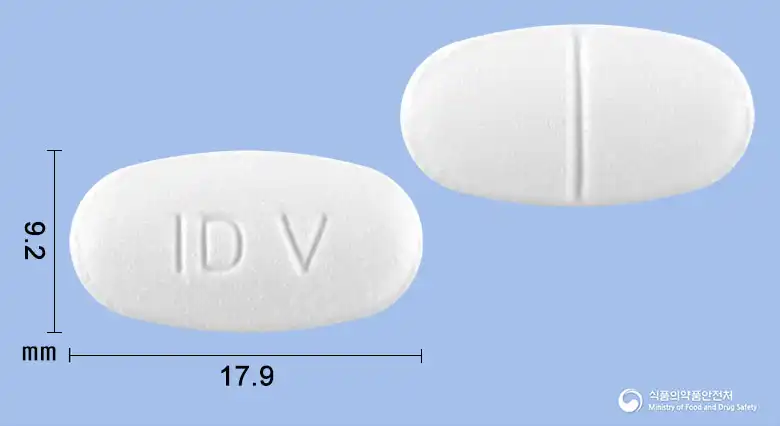
Ascorbic Acid 1031.01mg
Tablet · OTC medication
Ildong Pharmaceutical Co., Ltd.
Ascorbic Acid 500mg
Injections · Prescription medication
Aprogen Biologics Co., Ltd.
Even with the same ingredient, the dose and directions can differ by strength and dosage form. Talk to a doctor or pharmacist before switching from a medication you are already taking.
No questions yet.
For anything that needs medical judgment, consult a doctor or pharmacist.
This drug information is based on data provided by the Korea Ministry of Food and Drug Safety.
Consult a doctor or pharmacist for accurate dosage, administration, and usage instructions.