
 한국어
 English
 日本語
 中文(简体)
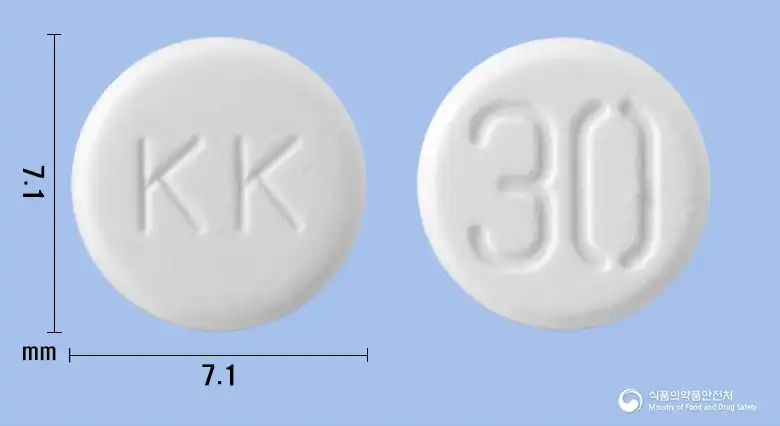 Viewing now
Kaitos Tablet 30 mg (Pioglitazone Hydrochloride)
Pioglitazone Hydrochloride 33.06mg
Tablet · Prescription medication
Genewon Science Co., Ltd.
MFDS item code 201708069 · Approved 2017.11.24 · Insurance code 671705440
Improvement of glycemic control in type 2 diabetes mellitus
This medication helps effectively control blood sugar levels in patients with type 2 diabetes. It is used as an adjunct to meal therapy and exercise therapy and can be administered alone or in combination with other hypoglycemic agents. For example, it can enhance blood sugar control when used with sulfonylureas, metformin, or insulin. Patients with type 2 diabetes should also practice nutritional counseling, weight management, and exercise therapy; these efforts are crucial for initial treatment and the maintenance of medication therapy. This medication is used to improve blood sugar control and maintain the health of patients.
This medicine is administered orally once daily, with or without food. Monotherapy may be initiated at 15 mg once daily; if the effect is insufficient, the dose may be increased to 30 mg once daily. For combination therapy, administer 15 mg once daily as well; the maximum recommended dose should not exceed 30 mg once daily.
Use is not recommended in children under 18 years of age because there is no experience with its use in this age group.
This medication is used in the treatment of type 2 diabetes and is effective in lowering blood sugar levels only when insulin is present. During treatment, some patients may experience worsening cardiac function, so if symptoms of heart failure arise, immediate medical attention should be sought. Patients with heart failure or a history of heart failure should not use this medication, and it should also not be administered to patients with active bladder cancer or a history of bladder cancer. This medication is not suitable for patients with severely impaired liver or kidney function, diabetic ketoacidosis, or type 1 diabetes. Caution is required when using this medication in conjunction with other hypoglycemic agents as the risk of hypoglycemia may increase; especially when used in combination with sulfonylureas or insulin, dose adjustments may be necessary. This medication can cause fluid retention and edema, so patients with heart disease or hypertension should use it with caution. In premenopausal women, this medication may induce ovulation, so appropriate contraceptive methods are recommended during treatment. If symptoms of liver dysfunction (fatigue, loss of appetite, jaundice, etc.) occur, immediate notification and testing by a physician are necessary. If sudden weight gain, shortness of breath, or leg swelling occurs during treatment, it may indicate signs of heart failure, and immediate medical care should be sought. This medication may lead to weight gain and increased fracture risk with prolonged use, so regular health management is recommended. Women who are pregnant or may become pregnant should not take this medication, and breastfeeding women should decide on use after consulting their physician. The safety and efficacy of this medication have not been established in children and adolescents under 18 years of age, so it is not recommended for use in these populations. In cases of overdose, there may not be specific symptoms, but appropriate treatment is necessary depending on the symptoms. This medication may interact with other drugs, so patients should inform their physician or pharmacist of any other medications they are taking. This medication should be stored out of reach of children and kept in its original container.
Congestive heart failure, excessive and rapid weight changes, shortness of breath, edema, fluid retention, edema, upper respiratory infection, headache, sinusitis, myalgia, pharyngitis, abdominal distension, weight gain, hypoglycemia, urinary tract infection, low back pain, dizziness, diarrhea, elevated serum creatine kinase, hypertension, heart failure, limb pain, chest pain, death due to cardiovascular factors, worsening of congestive heart failure, emergency room visits due to congestive heart failure, cardiovascular adverse events, increased blood glucose, ALT/AST elevation, loss of appetite, constipation, upper abdominal pain, chest pain, fatigue, weakness, indigestion, nausea, shortness of breath, itching, chest discomfort, tremors, chills, gastrointestinal disorders, abdominal pain, epigastric discomfort, numbness, muscle rigidity, discomfort in the head, increased liver enzymes, exacerbation of liver disease, hives, eczema, joint pain, knee abnormalities, arm weakness, proteinuria, increased serum creatinine, anxiety, insomnia, drowsiness, simple herpes, blurred vision, orthostatic hypotension, palpitations, stroke, sexual dysfunction, myocardial infarction, abdominal pain, heart failure, weight gain, bladder cancer, macular edema, fracture
Not everyone experiences these, and they can vary from person to person.
This medication should be stored in a container that protects it from light and air and should be kept away from moisture. The optimal storage temperature is between 15 to 30 degrees Celsius, particularly around 25 degrees Celsius.
White round tablet
30 tablets/bottle, 100 tablets/bottle
Even with the same ingredient, strength, dosage form and how it is taken can differ.
Viewing nowPioglitazone Hydrochloride 33.06mg
Tablet · Prescription medication
Genewon Science Co., Ltd.
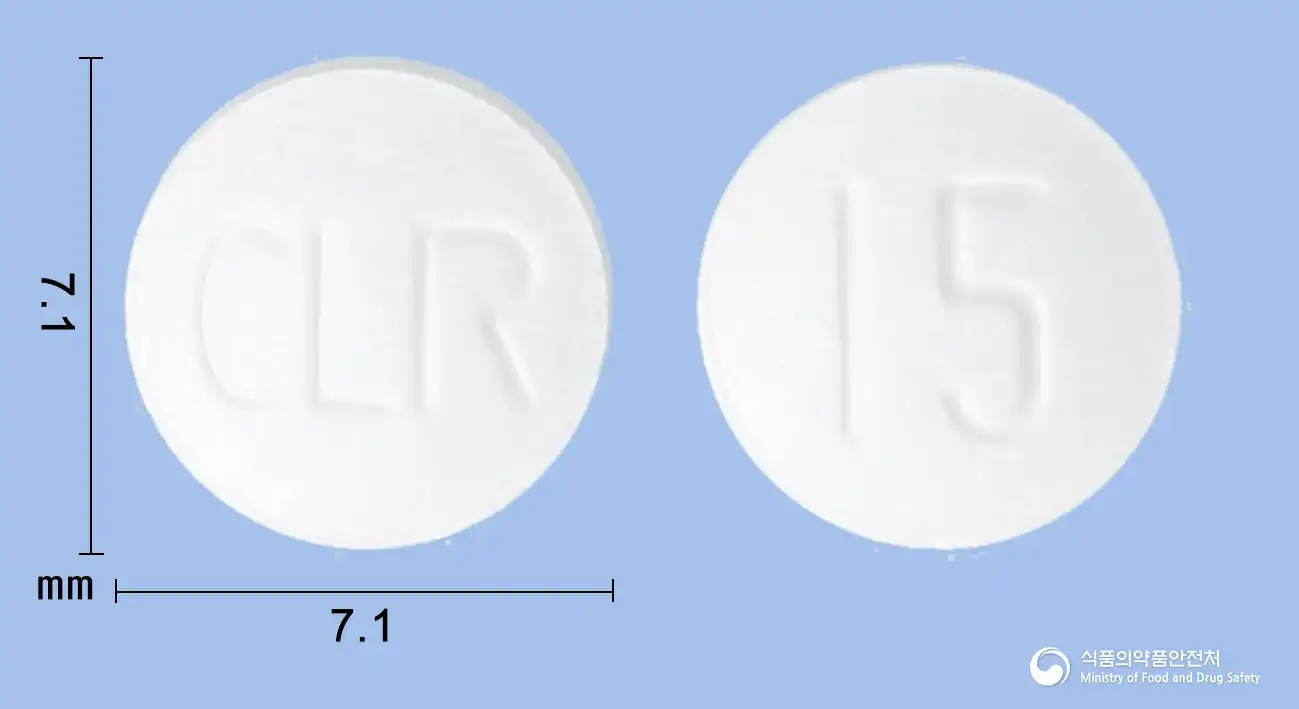
Pioglitazone Hydrochloride 16.53mg
Tablet · Prescription medication
Celltrion Pharmaceutical Co., Ltd.
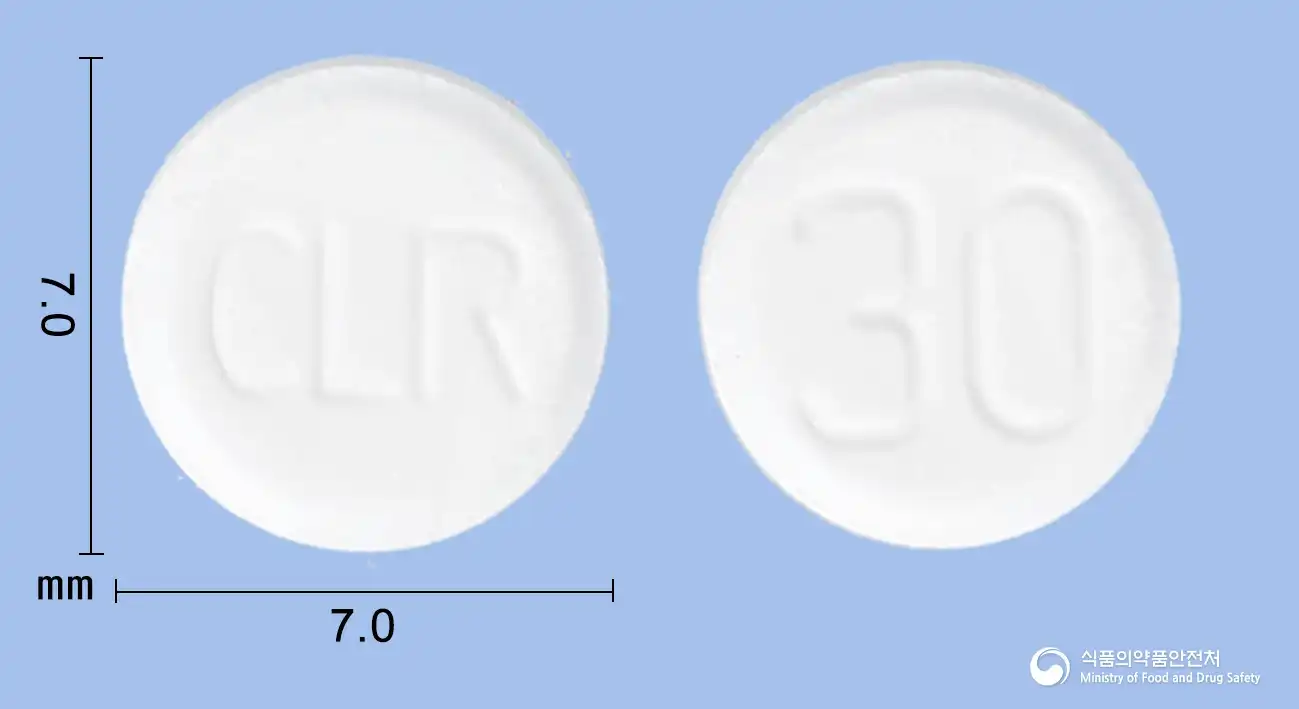
Pioglitazone Hydrochloride 33.06mg
Tablet · Prescription medication
Celltrion Pharmaceutical Co., Ltd.
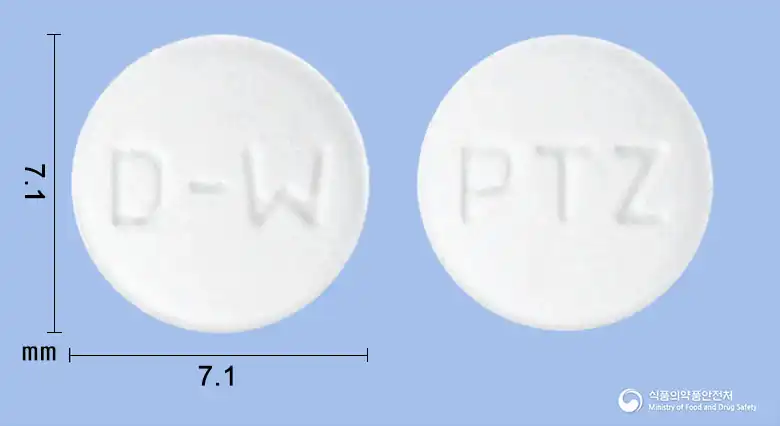
Pioglitazone Hydrochloride 16.53mg
Tablet · Prescription medication
Dongwha Pharmaceutical Co., Ltd.
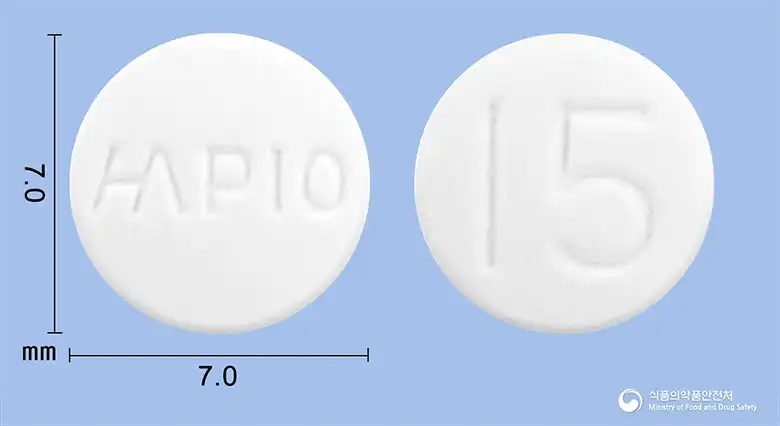
Pioglitazone Hydrochloride 16.53mg
Tablet · Prescription medication
Hanol Bio Pharma Co., Ltd.
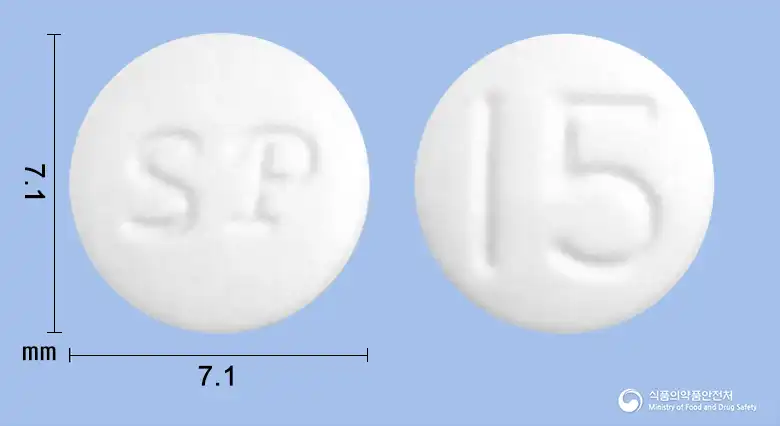
Pioglitazone Hydrochloride 16.53mg
Tablet · Prescription medication
Shinpoong Pharmaceutical Co., Ltd.
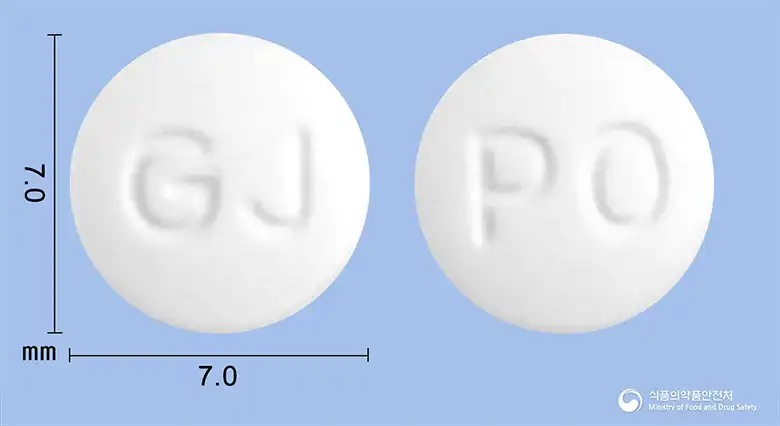
Pioglitazone Hydrochloride 16.53mg
Tablet · Prescription medication
Kujoo Pharmaceutical Co., Ltd.
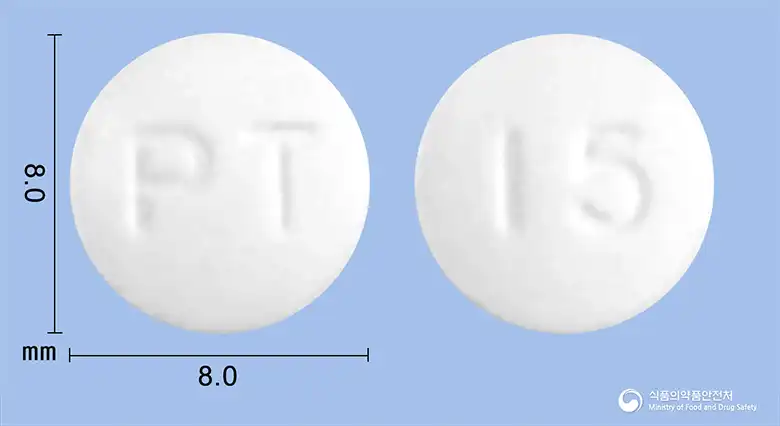
Pioglitazone Hydrochloride 16.53mg
Tablet · Prescription medication
Kyungdong Pharm Co., Ltd.
Even with the same ingredient, the dose and directions can differ by strength and dosage form. Talk to a doctor or pharmacist before switching from a medication you are already taking.
No questions yet.
For anything that needs medical judgment, consult a doctor or pharmacist.
This drug information is based on data provided by the Korea Ministry of Food and Drug Safety.
Consult a doctor or pharmacist for accurate dosage, administration, and usage instructions.