
 한국어
한국어 English
 日本語
日本語 中文(简体)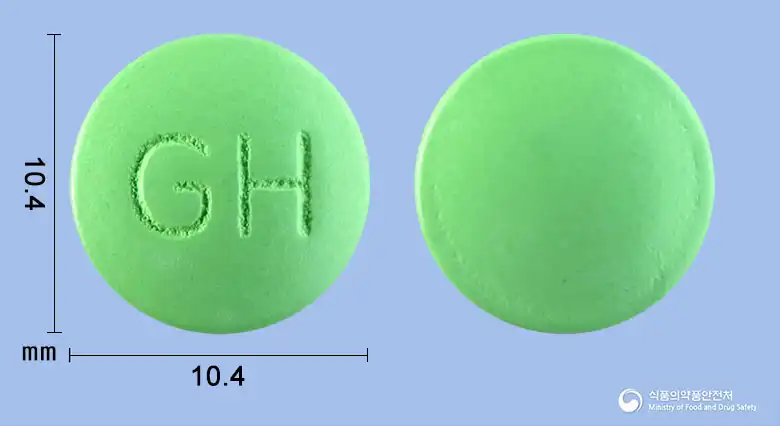
Summary
- Main use
- Relief of constipation, loss of appetite, abdominal bloating, etc.
- Who takes it
- Adults
- Adult dose
- Take 4 tablets once a day at bedtime (on an empty stomach). For the first dose, take the minimum amount and adjust the dosage gradually based on the shape and condition of the stool.
Ingredients
- Docusate Sodium10mg / 1 tablet
- Bisacodyl3mg / 1 tablet
- Sennae Fructus75mg / 1 tablet
- Glycyrrhiza Extract Powder75mg / 1 tablet
- Peony Root Extract Powder50mg / 1 tablet
- Manufacturer
- (주)한풍제약
- Manufacturer
- (유)한풍제약
Efficacy & effects
Relief of constipation, loss of appetite, abdominal bloating, etc.
- Constipation
- loss of appetite
- abdominal bloating
- abnormal fermentation in the intestines
- hemorrhoids
View approved original textHide original text
This medication is used to treat constipation. It also helps relieve symptoms such as loss of appetite, abdominal bloating, abnormal fermentation in the intestines, and hemorrhoids that may arise due to constipation. Therefore, it is used to improve constipation and the uncomfortable symptoms associated with it.
How to take
Adult dose
Take 4 tablets once a day at bedtime (on an empty stomach). For the first dose, take the minimum amount and adjust the dosage gradually based on the shape and condition of the stool.
Precautions
This medication should not be taken by patients with acute abdominal disease or intestinal obstruction, and children under 7 years of age. This medication contains lactose, so patients with lactose intolerance or specific genetic digestive disorders should not take it. It is advisable not to take this medication within 1 hour after consuming antacids or milk. Individuals with severe abdominal pain or vomiting, pregnant women or those who may be pregnant, and people taking other medications should consult a healthcare professional before use. Those on sodium-restricted diets or with allergies, and those with a history of rectal bleeding or intestinal failure should also seek advice before taking this medication. If symptoms such as skin rash, redness, itching, severe abdominal pain, diarrhea, or vomiting occur while taking this medication, stop taking it immediately and consult a healthcare professional. If abdominal discomfort or cramps occur, or if constipation does not improve after 1 week of use, stop use and consult a doctor. When taking this medication, be sure to follow the prescribed method and dosage, and caregivers should provide guidance and supervision when giving it to children. It is advisable to avoid giving this to children under 10 years of age, except in special cases. The tablet should be swallowed whole without chewing, and prolonged use may diminish effectiveness and worsen constipation, so continuous use for more than 1 week is not recommended. If long-term use of laxatives is required, it is crucial to investigate the cause of constipation. Store this medication out of reach of children, avoiding direct sunlight, and keep it tightly sealed in a cool, dry place. Transferring it to another container may pose a risk of misuse and deterioration, so it should be kept in its original container. This medication contains licorice, so patients with high blood pressure or heart or kidney diseases, and those with edema must consult a healthcare professional before use. If symptoms such as reduced urine output, swelling of the face or extremities, heaviness in the eyelids, hand stiffness, elevated blood pressure, or headache occur during use, stop taking it immediately and consult a physician. Long-term use of medications high in licorice can lead to side effects such as hypokalemia, elevated blood pressure, edema, and weight gain, so it is essential to monitor conditions through blood tests. Hypokalemia may cause muscle weakness, limb cramps, or paralysis, thus if these symptoms appear, discontinue use and consult a healthcare professional. If taken with potassium-containing preparations or certain diuretics, there is an increased risk of hypokalemia and muscle disease, so caution is advised.
Side effects and when to seek care immediately
Serious side effects
- Severe abdominal pain
- rash
- redness
- swelling of the face or extremities
- elevated blood pressure
- reduced urine output
- headaches
- myopathy
- hypokalemia
- edema
Mild side effects
- Abdominal pain
- nausea
- vomiting
- rash
- redness
- diarrhea
- abdominal discomfort
- cramps
- constipation
- headache
Show 7 moreCollapse
- swelling of the face or extremities
- heaviness of eyelids
- stiffness of hands
- weakness
- limb cramps
- paralysis
- and other symptoms
Not everyone experiences these, and they can vary from person to person.
Interactions
Drug interactions
Consult with a doctor or pharmacist if taken with potassium-containing preparations, licorice-containing preparations, glycyrrhizin or its salts, loop diuretics (furosemide, etacrynic acid), or thiazide diuretics (trichlormethiazide).
Food interactions
Do not take this medication within 1 hour after consuming antacids or milk.
Storage
This medication may be sensitive to air and moisture, therefore it should be stored in a sealed container. It is advisable to maintain a storage temperature between 1°C and 30°C room temperature. This will help preserve the medication's effectiveness for a longer time.
Appearance and packaging
Appearance
Green enteric-coated tablet
Package unit
20 tablets/box [(20 tablets/PTP × 2)]
Questions about this medicine
No questions yet.
For anything that needs medical judgment, consult a doctor or pharmacist.