
 한국어
 English
 日本語
 中文(简体)
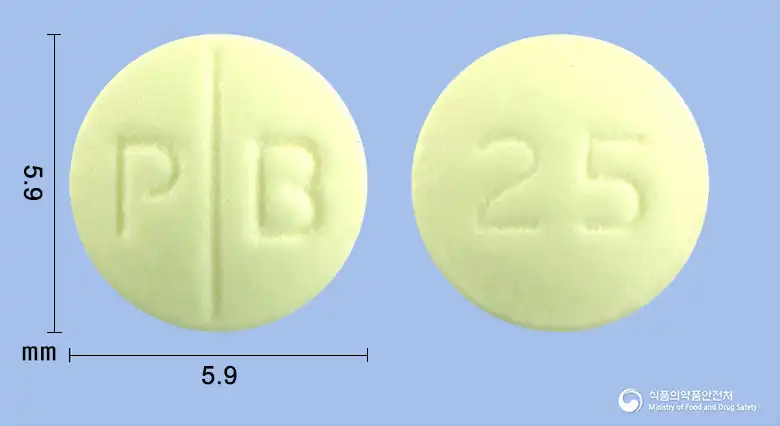 Viewing now
Azavio 25 mg Tablet (Azathioprine)
Azathioprine 25mg
Tablet · Prescription medication
Korea Pharmbio Co., Ltd.
MFDS item code 201707668 · Approved 2017.10.31 · Insurance code 659901360
Treatment of autoimmune diseases; prevention of rejection after kidney transplantation
This medication is used to suppress rejection responses that may occur after kidney transplantation and to treat autoimmune diseases.
After kidney transplantation: Administer azathioprine orally at an initial dose of 3-5 mg/kg body weight per day and a maintenance dose of 0.5-2 mg/kg body weight. For creatinine clearance of 20 mL/min or less, the dose should not exceed 1.5mg/kg body weight per day. Autoimmune diseases: For treatment of diseases other than chronic active arthritis, administer 2.0-2.5 mg/kg body weight per day. For treatment of chronic active arthritis, administer 1.0-1.5 mg/kg body weight per day. Tolerated and effective doses vary among patients; therefore, adjust the dose carefully to achieve the optimal therapeutic effect. Consider discontinuing treatment if the condition has not improved after 12 weeks. The dose may be adjusted according to age and symptoms.
This medication should not be administered to certain patients. Patients with allergies to this drug or similar drugs, rheumatoid arthritis patients who have previously taken alkylating agents, patients with severe liver, kidney, or bone marrow diseases, patients with infectious diseases or pancreatitis, patients with very low white blood cell counts, pregnant women or women who may become pregnant, and patients with genetic lactose intolerance issues should not take this drug. This drug should be used with caution in patients with suppressed bone marrow function, patients with infections, patients with bleeding tendencies, patients with liver or kidney dysfunctions, varicella patients, and patients who are currently taking certain other medications. This drug may suppress the immune system, increasing the risk of infection, and may increase the risk of developing certain cancers. Moreover, serious side effects such as decreased blood cell counts, gastrointestinal issues, liver function abnormalities, skin rashes, and interstitial pneumonia can occur, necessitating regular check-ups. Frequent blood tests should be conducted in the initial weeks after treatment begins to monitor for adverse reactions, and caution is advised as side effects may worsen with long-term use. This medication should not be administered to pregnant women or nursing mothers, and women who may become pregnant should confirm their pregnancy status. Caution is also required when administering to children or the elderly. In the event of an overdose, symptoms may include vomiting, diarrhea, decreased blood cell counts, and liver function abnormalities, requiring immediate treatment and regular check-ups. This medication may interact with other drugs; therefore, it is essential to inform the physician or pharmacist about any other medications being taken, especially when used in conjunction with immunosuppressants, anticoagulants, certain antibiotics, and other bone marrow-suppressing drugs. This medication should be kept out of the reach of children and stored securely in its original container.
Infection, progressive non-Hodgkin lymphoma, skin cancer, sarcoma, cervical cancer, hepatic splenic T-cell lymphoma, bone marrow dysfunction, leukopenia, thrombocytopenia, anemia, agranulocytosis, pancytopenia, aplastic anemia, megaloblastic anemia, erythropoiesis failure, nausea, vomiting, loss of appetite, diarrhea, pancreatitis, colitis, diverticulitis, intestinal perforation, hypersensitivity reactions, Stevens-Johnson syndrome, toxic epidermal necrolysis, drug fever, skin rash, hair loss, cholestasis, liver function deterioration, elevated liver enzymes, liver dysfunction, jaundice, non-cirrhotic portal hypertension, portal vein vascular disease, cough, dyspnea, edema, abnormal chest X-ray, decreased arterial blood oxygen partial pressure, interstitial pneumonia, chills, shivering, hypotension, infectious disease, myalgia, arthralgia, acute renal failure, acute lung disease, meningitis, fatigue, dizziness, stomatitis, glossitis, palpitations, rigidity, low blood pressure, Sweet's syndrome, nausea, throat ulcer, bruise, bleeding, leukopenia, elevated AST, elevated ALT, elevated bilirubin, renal dysfunction
Not everyone experiences these, and they can vary from person to person.
This medication should be stored in a tightly sealed container to prevent air and moisture from entering, at temperatures between 1 and 30 degrees Celsius. It is advisable to store it in a dark place, avoiding direct sunlight.
Pale yellow round film-coated tablets
30 tablets/bottle, 100 tablets/bottle, 100 tablets/box [10 tablets/PTP x 10 pieces]
Even with the same ingredient, strength, dosage form and how it is taken can differ.
Viewing nowAzathioprine 25mg
Tablet · Prescription medication
Korea Pharmbio Co., Ltd.
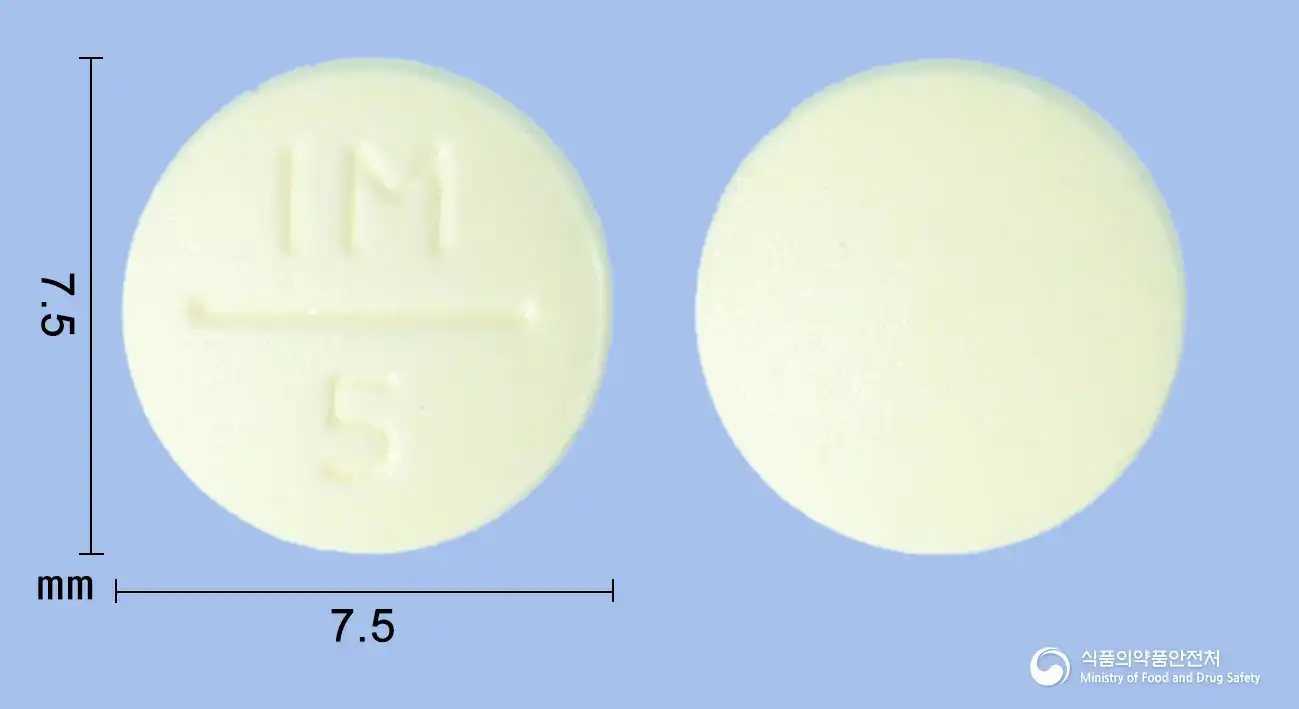
Azathioprine 50mg
Tablet · Prescription medication
Samil Pharmaceutical Co., Ltd.

Azathioprine 50mg
Tablet · Prescription medication
Handok Teva Co., Ltd.
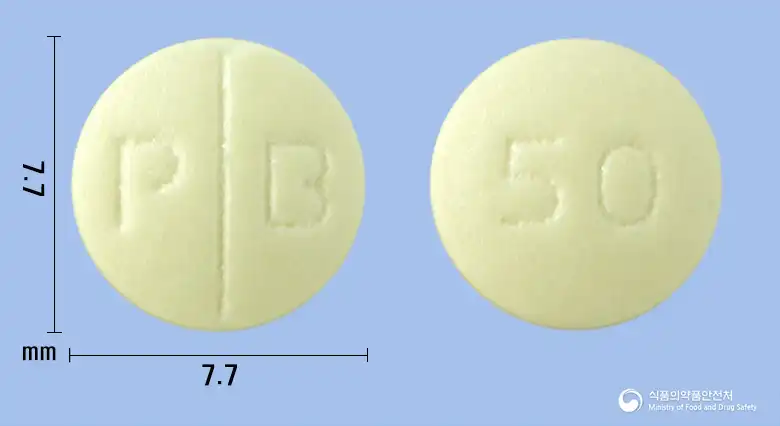
Azathioprine 50mg
Tablet · Prescription medication
Korea Pharmbio Co., Ltd.
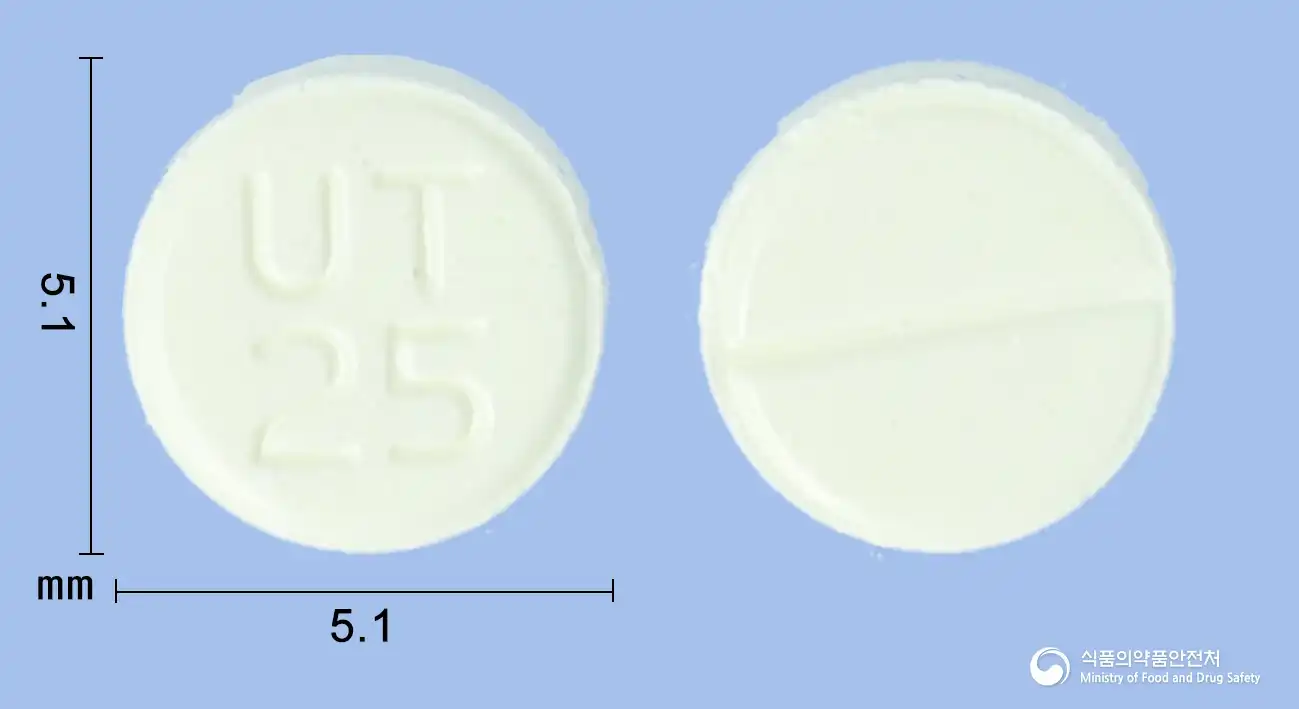
Azathioprine 25mg
Tablet · Prescription medication
Korea United Pharm Inc.
Azathioprine 50mg
Tablet · Prescription medication
Macknulty Pharmaceutical Co., Ltd.
Azathioprine 25mg
Tablet · Prescription medication
McNulty Pharmaceutical Co., Ltd.
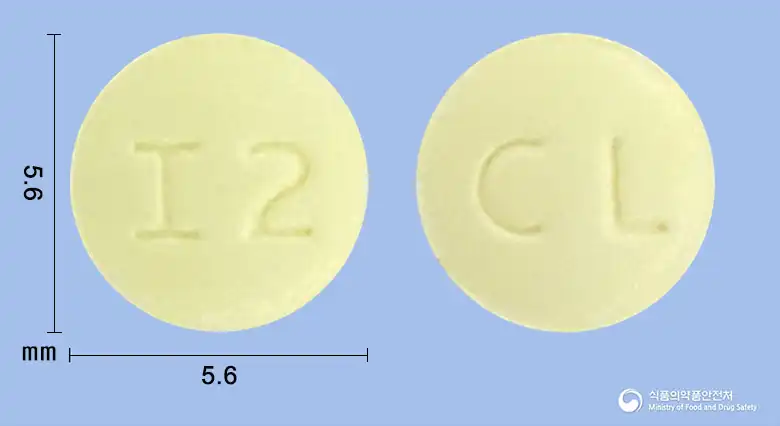
Azathioprine 25mg
Tablet · Prescription medication
Celltrion Pharmaceutical Co., Ltd.
Even with the same ingredient, the dose and directions can differ by strength and dosage form. Talk to a doctor or pharmacist before switching from a medication you are already taking.
No questions yet.
For anything that needs medical judgment, consult a doctor or pharmacist.
This drug information is based on data provided by the Korea Ministry of Food and Drug Safety.
Consult a doctor or pharmacist for accurate dosage, administration, and usage instructions.