
 한국어
 English
 日本語
 中文(简体)
 Viewing now
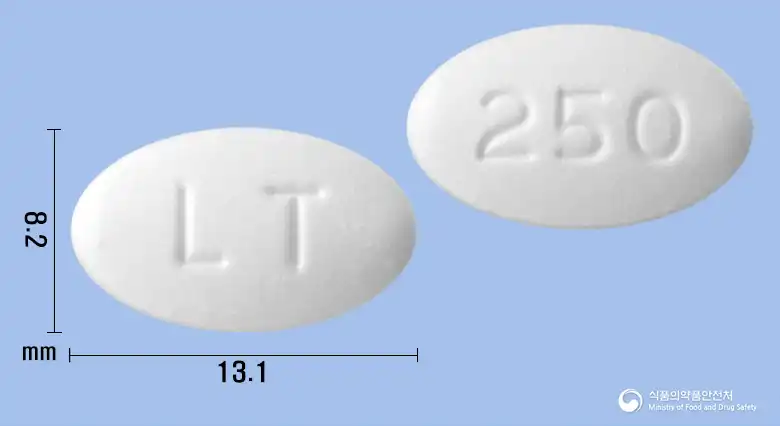
Retina Tablet 250 mg (Dovesil Calcium Hydrate)
Dobesilate Calcium Hydrate 250mg
Tablet · Prescription medication
Unimed Pharmaceutical Co., Ltd.
MFDS item code 201707637 · Approved 2017.10.30 · Insurance code 649507490
Treatment of capillary disorders (such as diabetic retinopathy), venous disorders (such as edema), and hemorrhoids
This medication is used for vascular damage caused by increased capillary rupture and permeability disorders, diabetic microangiopathy, and diabetic retinopathy, which are complications of diabetes. It is also effective for venous insufficiency, post-thrombotic syndrome, peripheral congestive edema, and hemorrhoids. This drug can improve vascular health and alleviate related symptoms.
Adults: Administer the following doses of calcium dobesilate hydrate orally. 1. Vascular damage and retinopathy: 500~1000mg daily 2. Venous disease: Administer 750mg daily for 1~3 weeks, followed by 500mg daily. Take after meals with plenty of fluids. Adjust the dose as appropriate according to age and symptoms.
This medication should not be used in patients with allergies to specific components. Additionally, this drug contains lactose, so it should not be administered to patients with genetically determined galactose intolerance, lactase deficiency, or glucose-galactose malabsorption. Caution is necessary in patients with impaired kidney function, as this drug is excreted through the kidneys; dosage adjustments may be needed for renal failure patients. Administer with caution in patients with impaired liver function; liver function tests should be reassessed if there is an increase in liver enzymes. This drug contains sodium metabisulfite, which may cause allergic reactions or asthma attacks, so individuals sensitive to sulfites should take care. While taking this medication, symptoms such as headache, abdominal pain, nausea, diarrhea, vomiting, joint pain, and muscle pain may occur. Rarely, blood-related abnormalities or severe allergic reactions may occur, so if symptoms such as fever, skin rash, or difficulty in breathing arise, notify a doctor immediately. If there are symptoms of infection, consult a doctor promptly and check status with blood tests if necessary. The influence of this medication on driving and operating machinery is unclear, so caution is advised. The use of this medication during pregnancy is limited and should be avoided when possible. This medication can be excreted in small amounts in breast milk, so it is recommended to stop breastfeeding or discontinue treatment. Safety for pediatric patients has not been sufficiently studied. There are no special precautions for the elderly, but individual conditions should be considered. This medication may affect certain clinical test results, so inform healthcare professionals of its intake during examinations. No specific symptoms have been reported for overdose, but general emergency care should be taken.
Not everyone experiences these, and they can vary from person to person.
This medication should be stored in a tightly closed container to prevent exposure to air or moisture. It is important to maintain a storage temperature between 1 and 30 degrees Celsius for effective preservation of the drug's efficacy.
White oval tablets
30 tablets/bottle, 90 tablets/bottle, 300 tablets/bottle
Even with the same ingredient, strength, dosage form and how it is taken can differ.
Viewing nowDobesilate Calcium Hydrate 250mg
Tablet · Prescription medication
Unimed Pharmaceutical Co., Ltd.
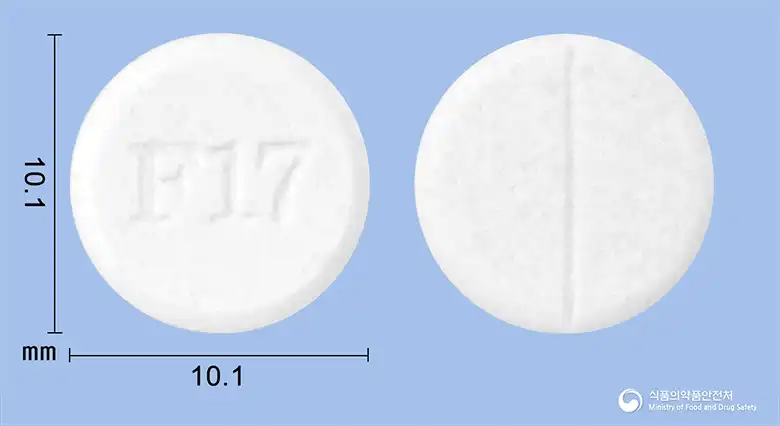
Dobesilate Calcium Hydrate 250mg
Tablet · Prescription medication
Ilseong IS Co., Ltd.
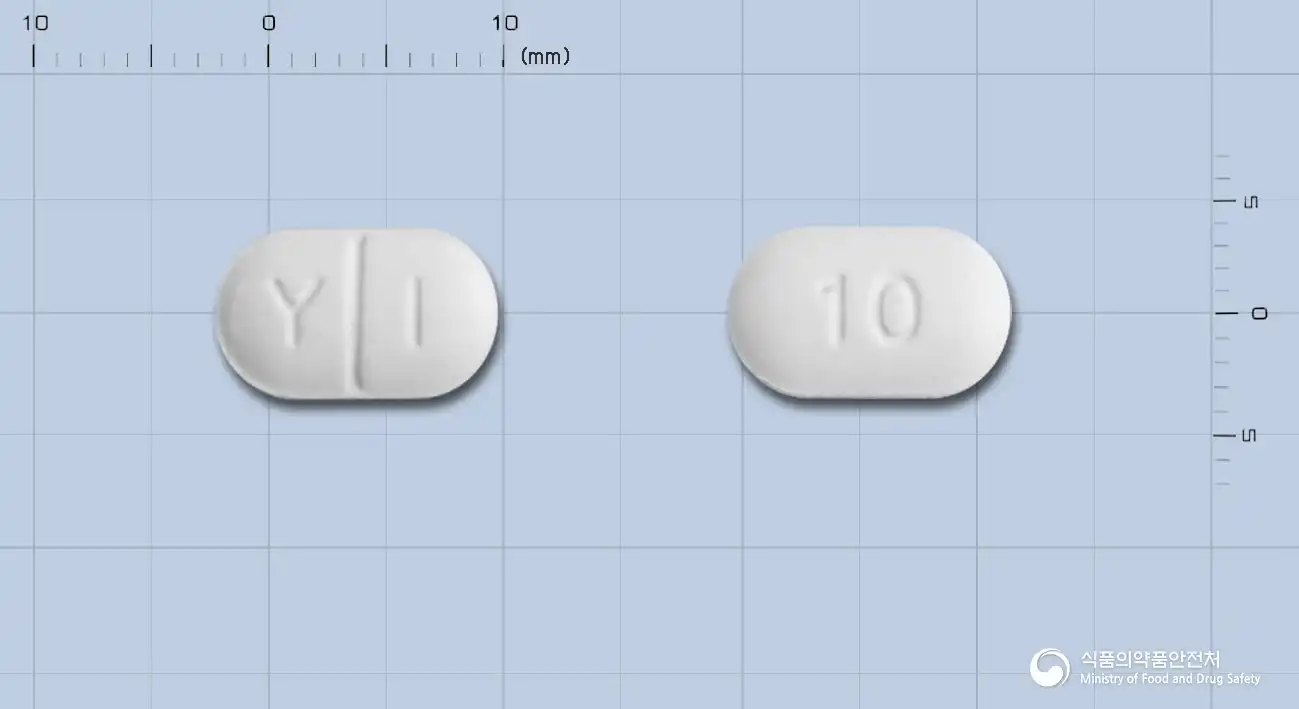
Dobesilate Calcium Hydrate 250mg
Tablet · Prescription medication
Youngil Pharmaceutical Co., Ltd.
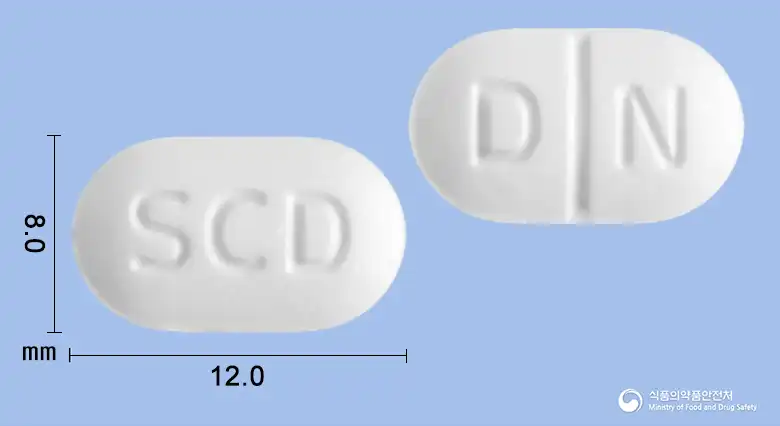
Dobesilate Calcium Hydrate 250mg
Tablet · Prescription medication
Samchundang Pharmaceutical Co., Ltd.
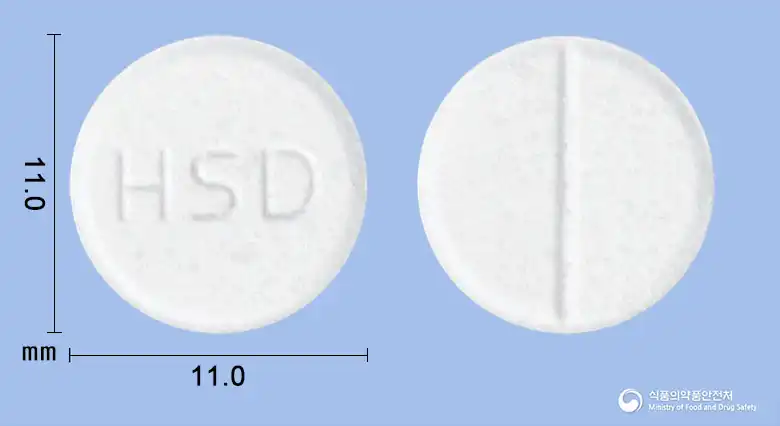
Dobesilate Calcium Hydrate 250mg
Tablet · Prescription medication
JW Pharmaceutical Co., Ltd.
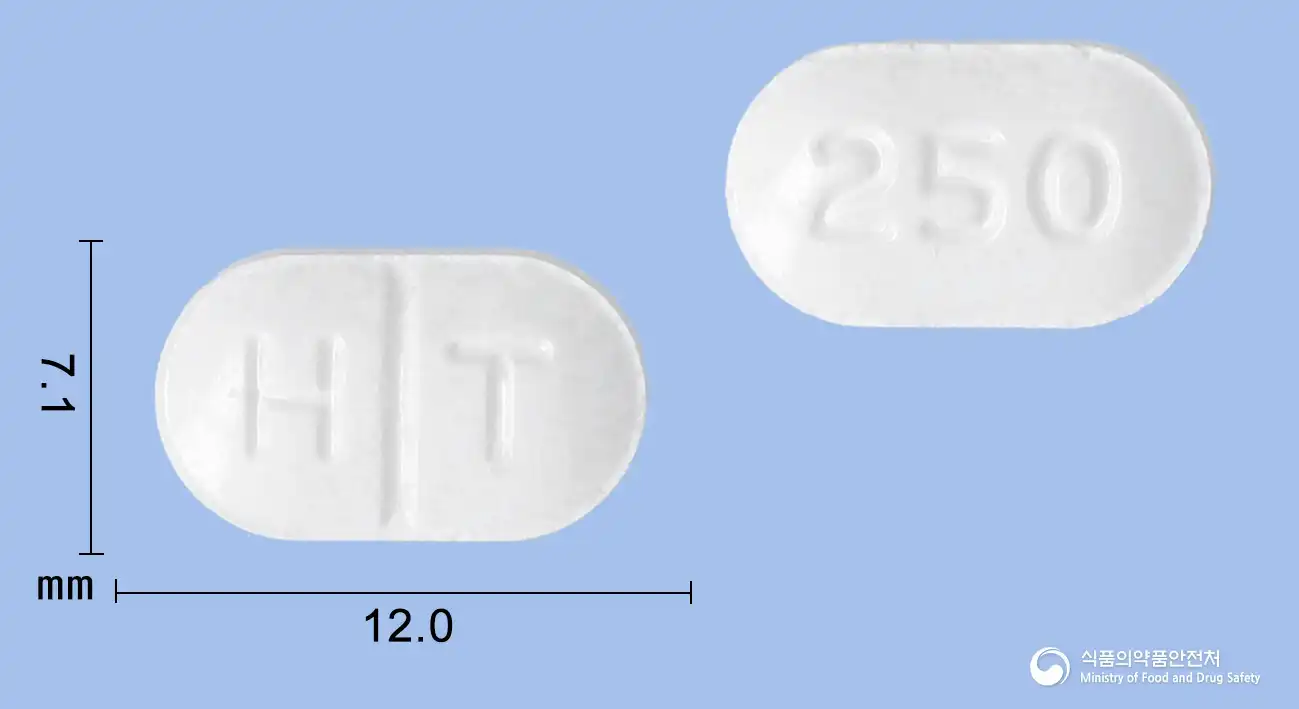
Dobesilate Calcium Hydrate 250mg
Tablet · Prescription medication
Korea Hutex Pharmaceutical Co., Ltd.
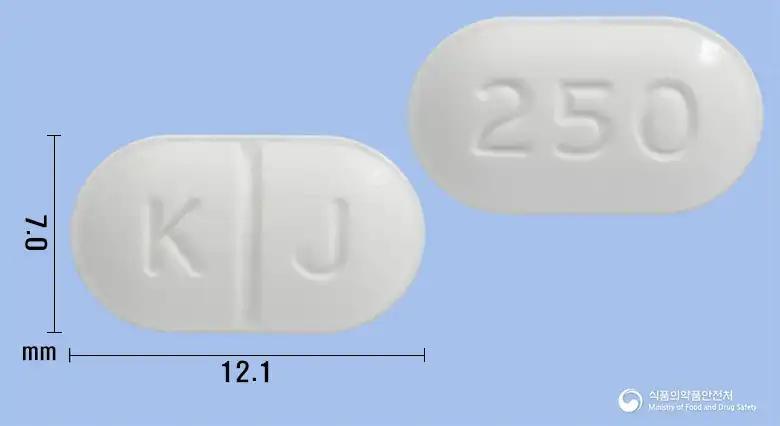
Dobesilate Calcium Hydrate 250mg
Tablet · Prescription medication
International Pharmaceutical Co., Ltd.
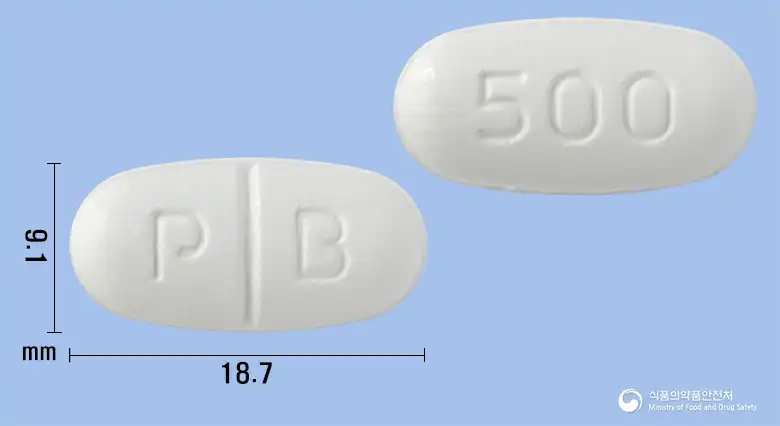
Dobesilate Calcium Hydrate 500mg
Tablet · Prescription medication
Korea Pharma Bio Co., Ltd.
Even with the same ingredient, the dose and directions can differ by strength and dosage form. Talk to a doctor or pharmacist before switching from a medication you are already taking.
No questions yet.
For anything that needs medical judgment, consult a doctor or pharmacist.
This drug information is based on data provided by the Korea Ministry of Food and Drug Safety.
Consult a doctor or pharmacist for accurate dosage, administration, and usage instructions.