
 한국어
한국어 English
 日本語
日本語 中文(简体)
 Viewing now
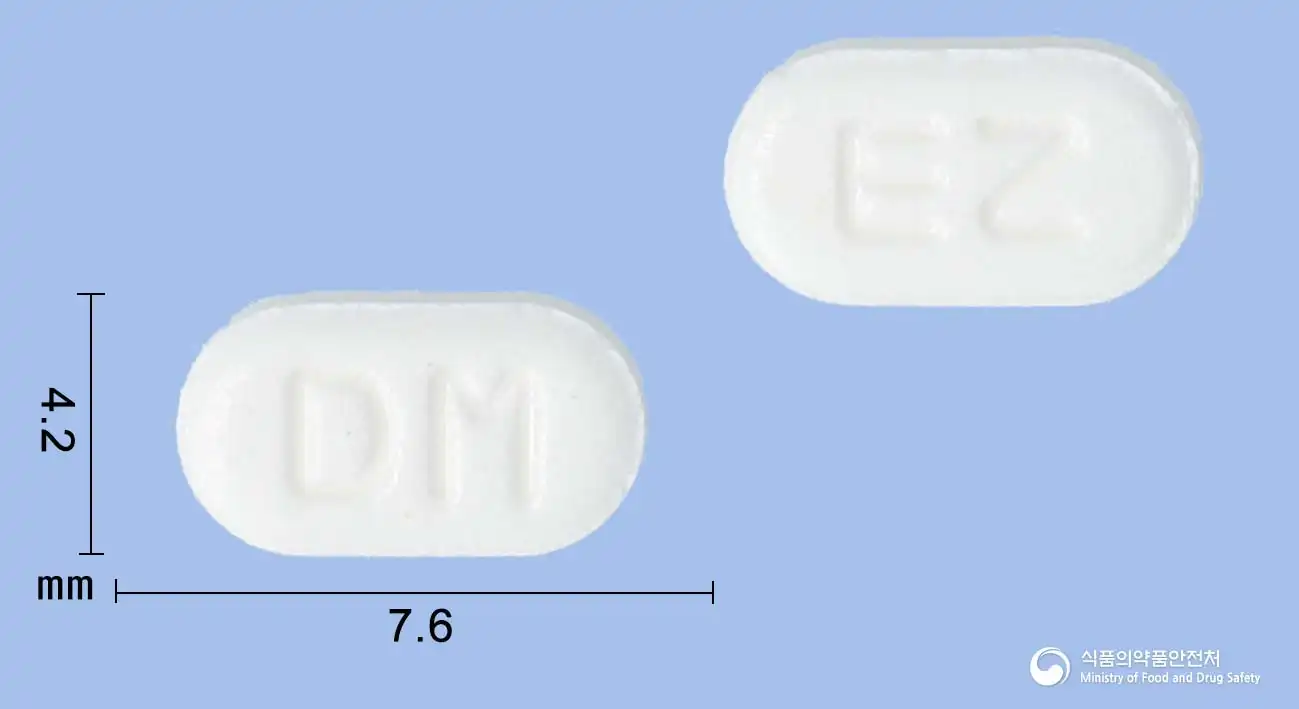
Nuitrol Tablet 10 mg (Ezetimibe)
Ezetimibe 10mg
Tablet · Prescription medication
Dasan Pharmaceutical Co., Ltd.
MFDS item code 201707536 · Approved 2017.10.20 · Insurance code 647204590
Reduction of cholesterol in hypercholesterolemia and sitosterolemia, and inhibition of atherosclerosis risk
This medication is used in patients with primary hypercholesterolemia, mixed hyperlipidemia, homozygous familial hypercholesterolemia, and homozygous sitosterolemia. It can be administered in conjunction with dietary therapy to lower blood lipid levels such as total cholesterol and low-density lipoprotein cholesterol (LDL-C), apolipoprotein B. In particular, it effectively controls blood lipids when combined with other medications such as HMG-CoA reductase inhibitors or fenofibrate. This medication helps to reduce the risk of atherosclerotic vascular disease caused by dyslipidemia and should be used together with proper dietary management and non-drug treatments. Before treatment, it is essential to evaluate and manage lipid levels and secondary causes closely. This medication is used to improve blood lipid levels in the treatment of hypercholesterolemia and related diseases.
The recommended dosage is 10 mg once daily, taken regardless of meals. In cases where it is administered together with HMG-CoA reductase inhibitors, treatment should start with the recommended initial dose of the HMG-CoA reductase inhibitor alongside this medication, and if the patient is already receiving a high dose of the HMG-CoA reductase inhibitor, this medication should be added while maintaining the dose of the HMG-CoA reductase inhibitor. In cases combined with fenofibrate, take it at 160 mg once daily or 200 mg once daily.
This medication should not be used in patients with an allergy to any of its components. Patients with active liver disease or persistent liver dysfunction should not use this medication in conjunction with certain lipid-lowering agents (statins). Women who are pregnant or breastfeeding should not take this medication alongside statins or fenofibrate. Especially women of childbearing potential should be cautious in using this medication and such drugs, and should consult with their doctor adequately. Patients with gallbladder disease, severe liver dysfunction, or severe renal dysfunction should not take this medication with fenofibrate. This medication contains lactose, so patients with genetic problems such as lactose intolerance should not use it. Patients with moderate to severe liver dysfunction should use this medication cautiously and have regular liver function tests. This medication is generally safe, but can cause side effects such as headache, abdominal pain, diarrhea, fatigue, muscle pain, so any unusual symptoms should be communicated to healthcare professionals. If muscle pain or weakness is felt, it should be reported to a doctor immediately, and in severe cases, discontinuation of the drug may be necessary. Patients with impaired renal function can take this medication, but dosage adjustments or caution may be needed in cases of severe renal impairment. When used with other medications, interactions may occur, so it is essential to inform your doctor or pharmacist of all medications you are taking. Particularly, caution is needed when used with cholestyramine, fibrates, cyclosporine, and anticoagulants. Women who are pregnant or planning to become pregnant, and those who are breastfeeding must consult their doctor before taking this medication. In pediatric or elderly patients, it should be administered carefully according to dosage; not recommended for children under 6 years old. In case of overdose, seek medical attention immediately for appropriate treatment. Store this medication out of the reach of children and do not transfer it to other containers.
Hives, severe swelling (edema), tightness in the chest, difficulty breathing, cold sweat, paleness, severe rash accompanied by fever, blisters, skin peeling, pain in mouth/eyes mucosa, yellowing of skin or eyes (jaundice), extreme fatigue throughout the body, sudden and very severe headache, thunderclap headache, seizures, confusion, visual disturbances, paralysis, significantly reduced urine output, severe swelling throughout the body with increased blood pressure, anaphylaxis
Not everyone experiences these, and they can vary from person to person.
This medication is sensitive to air and moisture, so it must be stored in a tightly closed container. Additionally, it is advisable to store the medication at room temperature, not too hot or cold, ideally between 1 to 30 degrees Celsius.
White to nearly white rectangular tablets
30 tablets (10 tablets/PTP x 3)
Even with the same ingredient, strength, dosage form and how it is taken can differ.
Viewing nowEzetimibe 10mg
Tablet · Prescription medication
Dasan Pharmaceutical Co., Ltd.
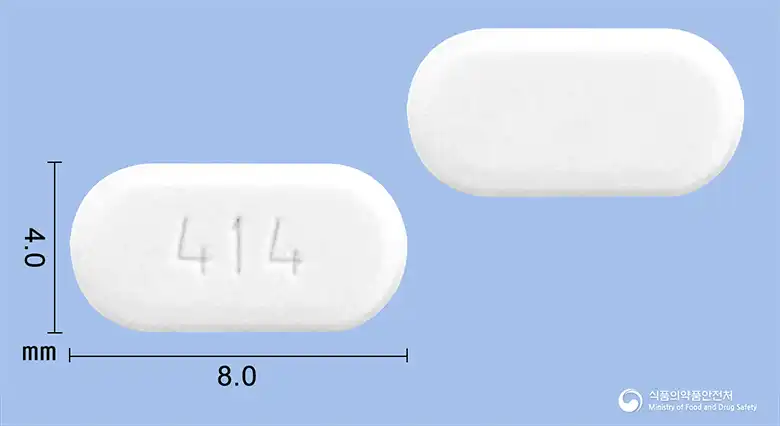
Ezetimibe 10mg
Tablet · Prescription medication
Korea Organon Co., Ltd.
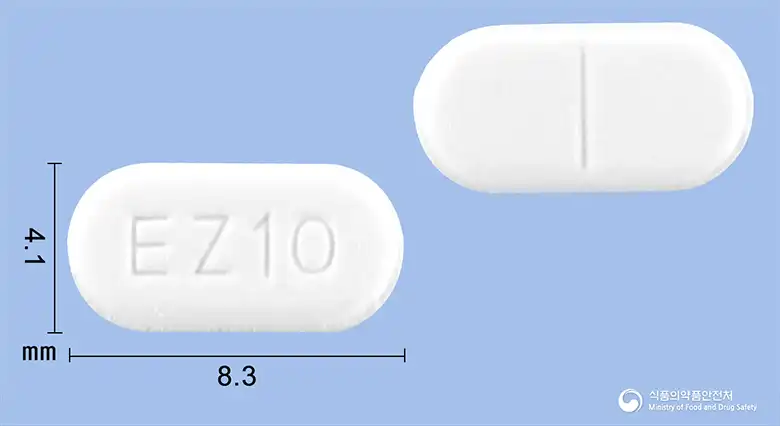
Ezetimibe 10mg
Tablet · Prescription medication
Hanmi Pharmaceutical Co., Ltd.
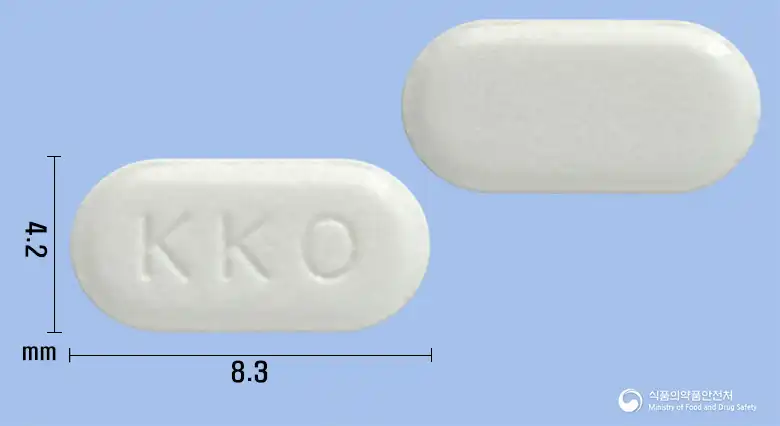
Ezetimibe 10mg
Tablet · Prescription medication
Genewon Science Co., Ltd.
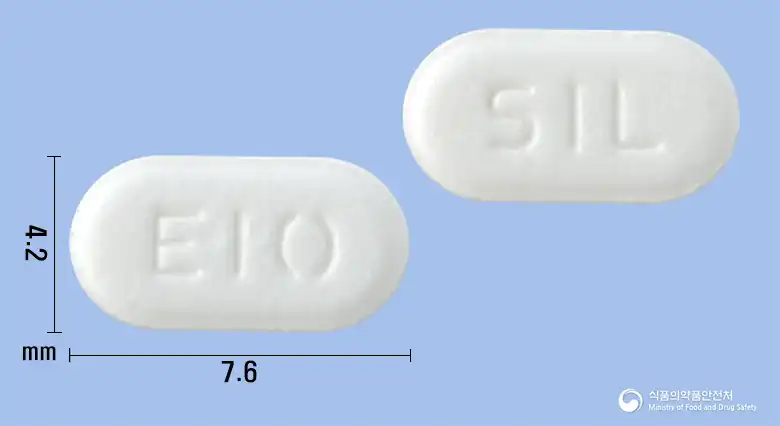
Ezetimibe 10mg
Tablet · Prescription medication
Shin Il Pharmaceutical Co., Ltd.
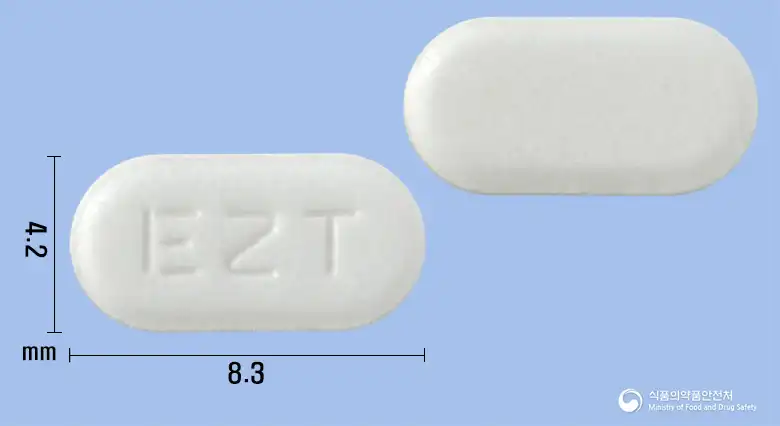
Ezetimibe 10mg
Tablet · Prescription medication
Korea Hutech Pharmaceutical Co., Ltd.
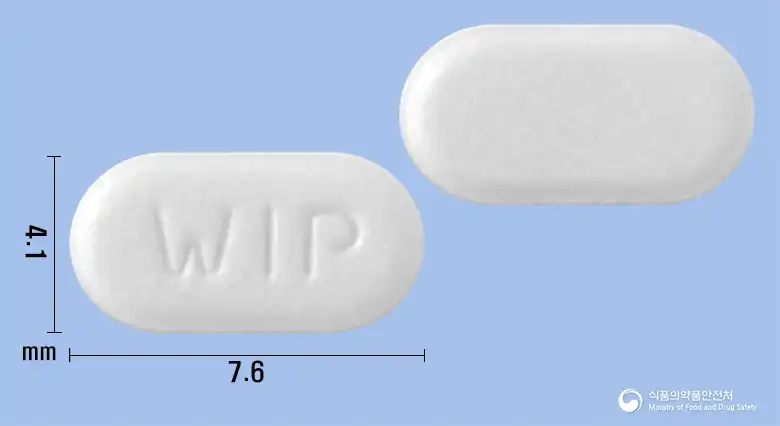
Ezetimibe 10mg
Tablet · Prescription medication
Hwanin Pharmaceutical Co., Ltd.
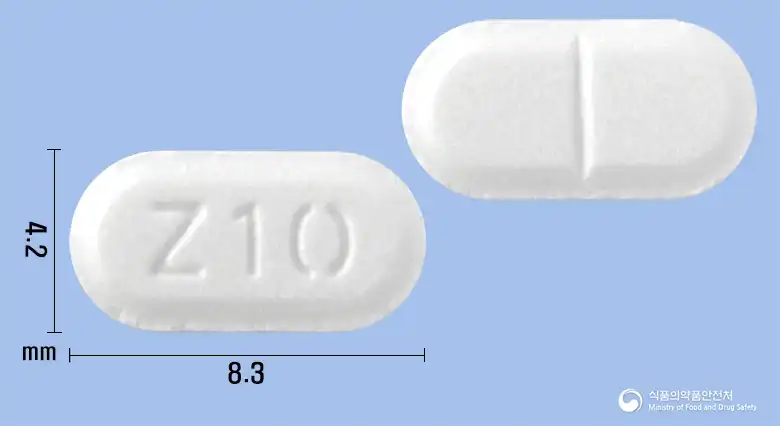
Ezetimibe 10mg
Tablet · Prescription medication
Jinyang Pharmaceutical Co., Ltd.
Even with the same ingredient, the dose and directions can differ by strength and dosage form. Talk to a doctor or pharmacist before switching from a medication you are already taking.
No questions yet.
For anything that needs medical judgment, consult a doctor or pharmacist.
This drug information is based on data provided by the Korea Ministry of Food and Drug Safety.
Consult a doctor or pharmacist for accurate dosage, administration, and usage instructions.