
 한국어
한국어 English
 日本語
日本語 中文(简体)
 Viewing now
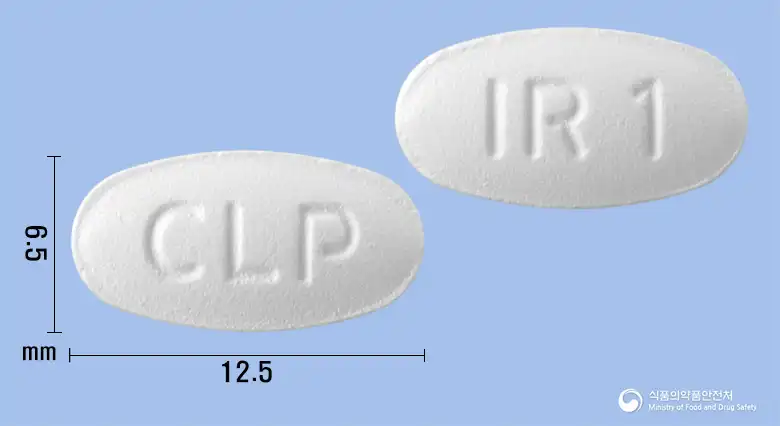
Selprovel Tablet 150 mg (Irbesartan)
Irbesartan 150mg
Tablet · Prescription medication
Celltrion Pharmaceutical Co., Ltd.
MFDS item code 201707330 · Approved 2017.09.29 · Insurance code 693902660
Improvement of hypertension in essential hypertension and diabetic nephropathy
This medication is used to lower blood pressure in patients with essential hypertension, and to slow the progression of nephropathy in patients with type 2 diabetes who have hypertension.
Essential hypertension: Administer 150 mg orally once daily as irbesartan; the dose may be increased to 300 mg if the effect is insufficient. Generally, blood pressure control over 24 hours is better with 150 mg than with 75 mg once daily. In special cases (early treatment, dialysis patients, or elderly patients over 75 years), 75 mg may be considered.
This medication can cause serious harm to the fetus if taken during pregnancy, especially in the second and third trimesters, so it should not be taken by women who are pregnant or may become pregnant. People who are allergic to this medication or its components, patients with severe liver impairment, genetically lactose intolerant individuals, and patients with certain kidney diseases should not take this medication. Elderly patients, patients with hyperkalemia, those with liver impairment, heart disease, or poor kidney function should be particularly cautious when taking this medication, and blood pressure, kidney function, and electrolyte levels should be monitored frequently. Common side effects include upper respiratory tract infections, headaches, muscle pain, dizziness, fatigue, diarrhea, and coughing, but they are usually mild and temporary. Serious side effects can include angioedema, hyperkalemia, shock, renal failure, liver dysfunction, hypoglycemia, and rhabdomyolysis, and immediate medical attention should be sought if these symptoms occur. This medication may interact with other blood pressure medications, diuretics, potassium supplements, lithium, and non-steroidal anti-inflammatory drugs, so any other medications being taken must be disclosed, and caution is advised when used in combination. It is preferable for pregnant or breastfeeding women not to take this medication, and breastfeeding should be discontinued if this medication is taken. Safety and efficacy in pediatric patients have not yet been established, so it should not be used in children. Overdose may lead to symptoms such as hypotension and tachycardia, requiring immediate medical evaluation and treatment. This medication should be stored out of reach of children, and transferring it to another container is not advisable for quality maintenance. Be cautious of dizziness or fatigue while driving or operating machinery during the use of this medication.
Not everyone experiences these, and they can vary from person to person.
This medication should be stored in a tightly closed container to prevent air and moisture ingress, preferably in a cool, dry place below 30 degrees Celsius. Proper storage will help maintain the medication's effectiveness over time.
White or almost white, oval-shaped, biconvex film-coated tablet
30 tablets/bottle, 100 tablets/bottle
Even with the same ingredient, strength, dosage form and how it is taken can differ.
Viewing nowIrbesartan 150mg
Tablet · Prescription medication
Celltrion Pharmaceutical Co., Ltd.
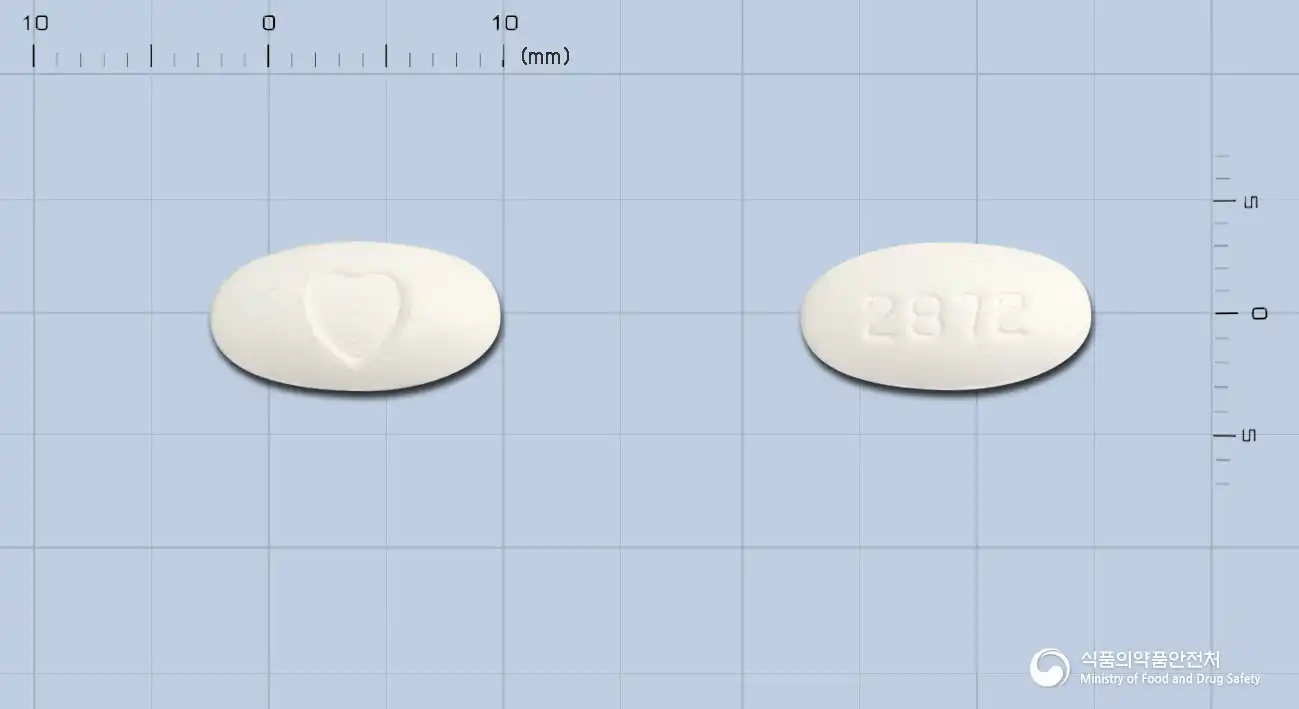
Irbesartan 150mg
Tablet · Prescription medication
Handok Co., Ltd.
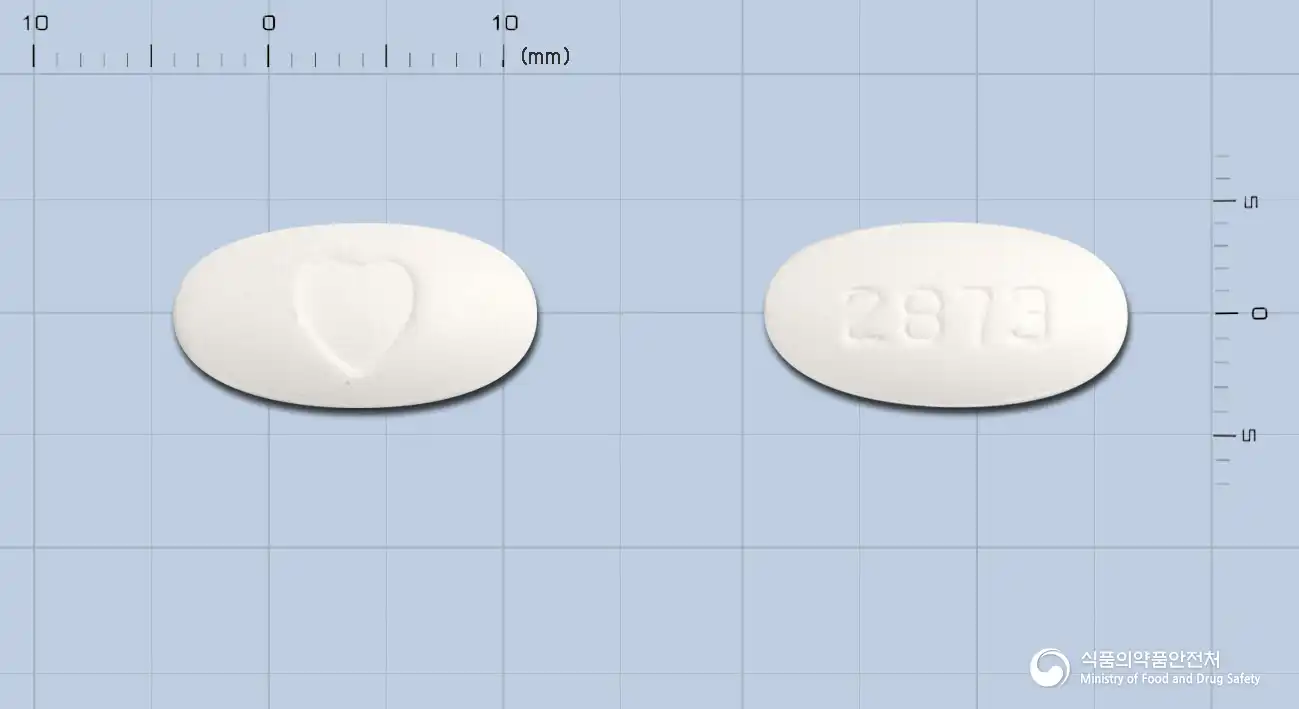
Irbesartan 300mg
Tablet · Prescription medication
Handok Co., Ltd.
Irbesartan 150mg
Tablet · Prescription medication
Hanwha Pharmaceutical Co., Ltd.
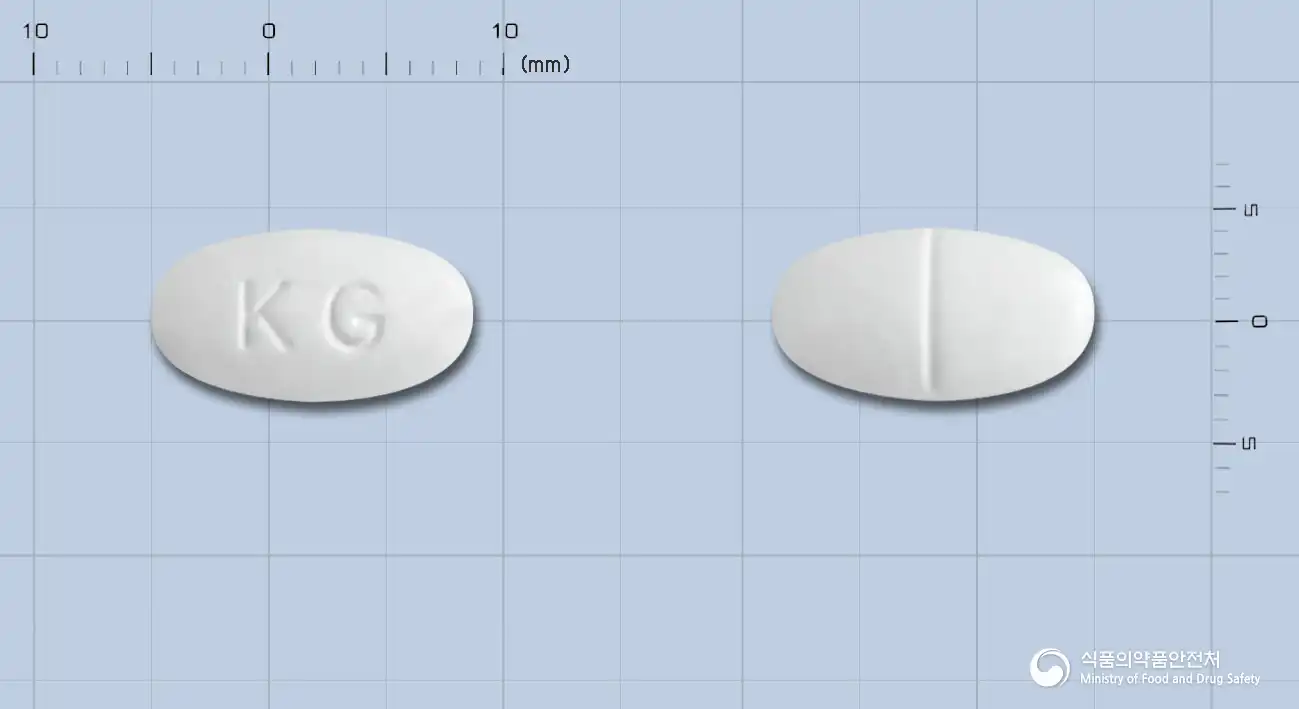
Irbesartan 150mg
Tablet · Prescription medication
Kips Biopharma Co., Ltd.
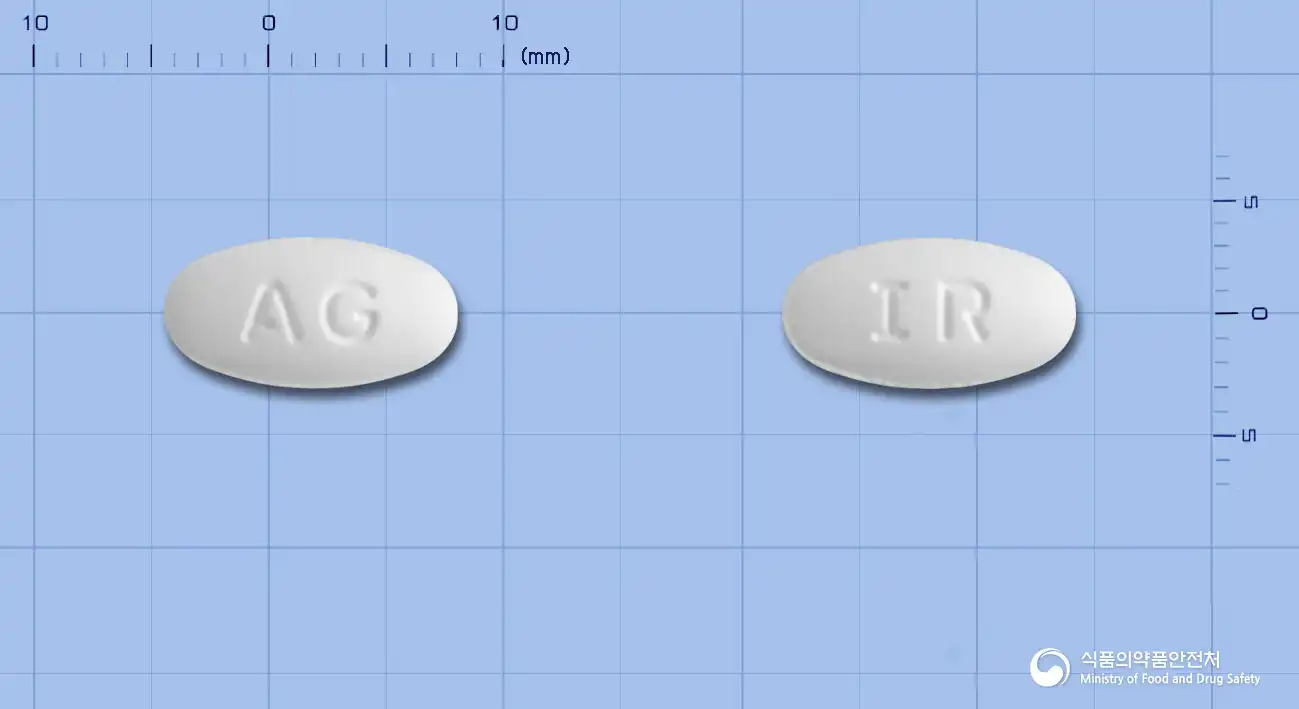
Irbesartan 150mg
Tablet · Prescription medication
Anguk Pharmaceutical Co., Ltd.
Irbesartan 150mg
Prescription medication
Bionex Co., Ltd.
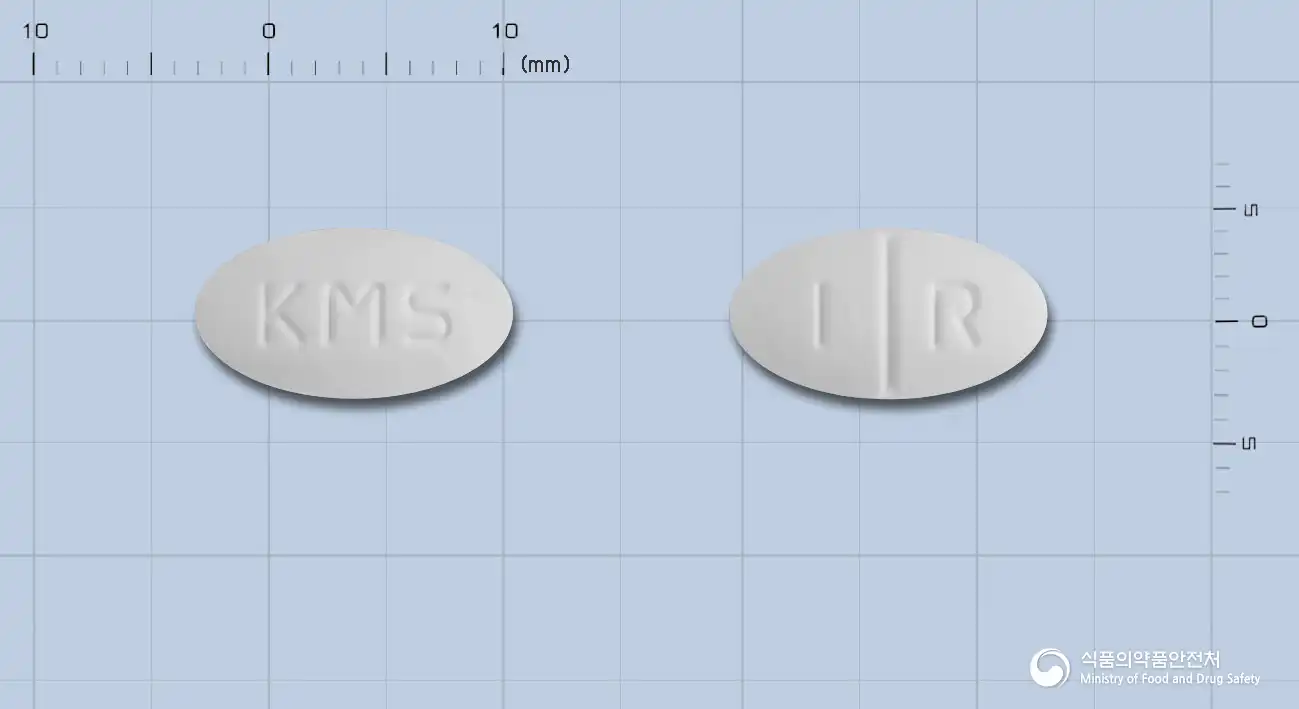
Irbesartan 150mg
Tablet · Prescription medication
KMS Pharmaceutical Co., Ltd.
Even with the same ingredient, the dose and directions can differ by strength and dosage form. Talk to a doctor or pharmacist before switching from a medication you are already taking.
No questions yet.
For anything that needs medical judgment, consult a doctor or pharmacist.
This drug information is based on data provided by the Korea Ministry of Food and Drug Safety.
Consult a doctor or pharmacist for accurate dosage, administration, and usage instructions.