
 한국어
 English
 日本語
 中文(简体)
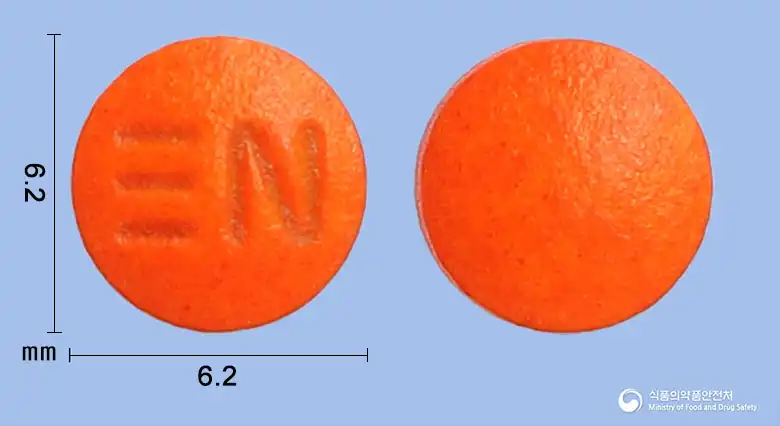
Dosage form image
Viewing nowImagimed MR Sustained-release Tablet 35mg (Trimetazidine Hydrochloride)
Trimetazidine Hydrochloride
Prescription medication
Korea SanDoos Co., Ltd.
MFDS item code 201706856 · Approved 2017.08.28
This product's status changed to Company closed on 2023.07.11. It may no longer be sold, so consult a doctor or pharmacist before taking it.
Adjunctive treatment of symptoms of stable angina in adults with inadequate response to or intolerance of first-line therapy
This medicine is used in combination with other medications to relieve symptoms in patients with stable angina that is not adequately controlled or has intolerable side effects as a first-line anti-anginal treatment.
Adults: Take 35mg twice daily, with breakfast and dinner. Patients with renal impairment: Patients with moderate renal impairment (creatinine clearance 30-60 ml/min) should take 35mg once daily with breakfast.
This medication is not intended for use in cases where angina suddenly worsens, and it should not be used on the first day or prior to hospitalization if there are serious heart issues. If angina symptoms occur, the patient must have their condition reassessed at a hospital and an appropriate treatment method must be determined. People allergic to this medication or its components should not take it. Additionally, individuals with movement disorders such as Parkinson's disease, tremors, or restless leg syndrome should not take this medication. Patients with severely impaired kidney function may also be at risk when using this medication and should avoid it. Those with moderately reduced kidney function or elderly patients over 75 years of age should take extra caution when using this medication. Dizziness or headaches are common symptoms when taking this medication. Rarely, symptoms such as a rapid heartbeat or low blood pressure may occur, and gastrointestinal disturbances, skin rashes, or itching may also be present. This medication can worsen symptoms of Parkinson's disease; therefore, elderly patients should undergo regular examination by a neurologist. If movement disorder symptoms occur, the patient should immediately discontinue the medication and consult a physician. Most symptoms recover after stopping the medication, but if symptoms persist for more than 4 months, specialist care is required. It may not be safe to take this medication during pregnancy, so it is advisable to avoid taking it if possible. It is also recommended not to use this medication during breastfeeding, as it is uncertain whether this drug passes into breast milk. The safety and efficacy of this medication in children under the age of 18 have not been established, so it is not recommended. Elderly patients with reduced kidney function may retain the medication in their bodies longer, so doses may need to be adjusted. If this medication is overdosed, there is no specific antidote, and symptomatic treatment should be provided. Dizziness or drowsiness may occur during use, so caution should be taken when driving or operating machinery. This medication should be kept out of reach of children, and expired medications should not be taken.
dizziness, headache, symptoms of Parkinson's disease (tremors, akinesia, rigidity), gait instability, restless legs syndrome, other movement-related disorders, sleep disorders (insomnia, drowsiness), palpitations, premature contractions, tachycardia, arterial hypotension, anxiety, drowsiness, orthostatic hypotension associated with falls, flushing, abdominal pain, diarrhea, dyspepsia, nausea, vomiting, constipation, rash, itching, urticaria, acute generalized exanthematous pustulosis (AGEP), angioedema, asthenia, agranulocytosis, thrombocytopenia, thrombocytopenic purpura, hepatitis
Not everyone experiences these, and they can vary from person to person.
This medication should be stored in a tightly closed container that is air-tight, and it is best kept at room temperature between 1°C and 30°C. Storing it this way helps maintain the medicine's effectiveness for a longer period.
Brownish-pink, double convex, round sustained-release film-coated tablet
100 tablets (10 tablets/PTP × 10)
Even with the same ingredient, strength, dosage form and how it is taken can differ.
Trimetazidine Hydrochloride
Prescription medication
Korea SanDoos Co., Ltd.
Trimetazidine Hydrochloride 20mg
Tablet · Prescription medication
Sammann Pharmaceutical Co., Ltd.

Trimetazidine Hydrochloride 35mg
Tablet · Prescription medication
Korea Servier Co., Ltd.

Trimetazidine Hydrochloride 20mg
Tablet · Prescription medication
Korea Servier Co., Ltd.

Trimetazidine Hydrochloride 20mg
Tablet · Prescription medication
Celltrion Pharmaceutical Co., Ltd.
Trimetazidine Hydrochloride 35mg
Tablet · Prescription medication
Albozen Korea Co., Ltd.
Even with the same ingredient, the dose and directions can differ by strength and dosage form. Talk to a doctor or pharmacist before switching from a medication you are already taking.
No questions yet.
For anything that needs medical judgment, consult a doctor or pharmacist.
This drug information is based on data provided by the Korea Ministry of Food and Drug Safety.
Consult a doctor or pharmacist for accurate dosage, administration, and usage instructions.