
 한국어
 English
 日本語
 中文(简体)
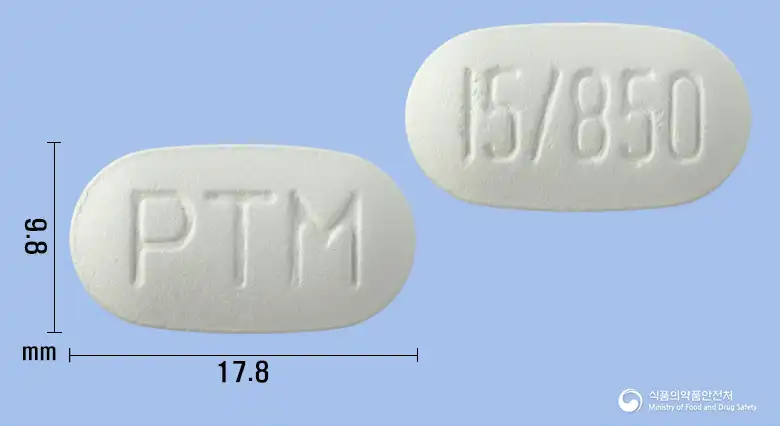 Viewing nowCombination
Pictomin Tablet
Pioglitazone Hydrochloride 16.53mg · Metformin Hydrochloride 850mg
Tablet · Prescription medication · Combination
Kyungdong Pharmaceutical Co., Ltd.
MFDS item code 201706791 · Approved 2017.08.23 · Insurance code 648103990
Improvement of glycemic control in type 2 diabetes mellitus
This medicine is used in conjunction with dietary and exercise therapy to help patients with insulin-resistant diabetes control their blood sugar levels. It can be administered especially when blood sugar control is insufficient with pioglitazone or metformin alone. In addition, it is used as an alternative to the combination therapy with pioglitazone and metformin. Nutritional counseling, weight loss, and regular exercise are very important for managing type 2 diabetes, and using this medicine alongside these lifestyle modifications can enhance blood sugar control. This medicine improves diabetes treatment through effective blood sugar management.
For the treatment of patients with type 2 diabetes mellitus, the dose of this medicine should be individualized based on efficacy and tolerability, without exceeding the maximum doses of each component: pioglitazone 30mg and metformin 2500mg. The initial dose of this medicine should be based on the patient's current treatment regimen. 1. Patients whose blood glucose is not adequately controlled with metformin or pioglitazone monotherapy: The dose should be based on the current dose of metformin or pioglitazone. Start with 1 tablet of this medicine daily, and gradually adjust the dose after assessing the adequacy of the treatment response. 2. Patients switching from combination therapy with pioglitazone and metformin: Patients switching from combination therapy with pioglitazone and metformin to this medicine may start at their previous doses of pioglitazone and metformin. No studies have been conducted to evaluate the safety and efficacy of switching from another oral hypoglycemic agent to this medicine. Any change in treatment for type 2 diabetes mellitus may cause changes in blood glucose control; therefore, caution should be exercised and appropriate monitoring should be performed. 3. Patients with renal impairment: All dose adjustments should be based on careful assessment of renal function. In general, older adults, debilitated patients, and malnourished patients should not be titrated up to the maximum dose of this medicine. After this medicine is administered to a patient, or when the dose is increased, the patient must be carefully monitored for adverse reactions associated with fluid retention. This medicine should generally be administered in divided doses with meals; this can reduce gastrointestinal adverse reactions caused by metformin. Sufficient time is needed to assess the adequacy of the treatment response. Ideally, the response to treatment should be assessed using glycated hemoglobin (HbA1C), which is a better indicator of long-term blood glucose control than fasting plasma glucose (FPG). HbA1c reflects blood glucose levels over the previous 2 - 3 months. In clinical use of this medicine, if blood glucose control measured by FPG has not worsened, administration for an appropriate period (8-12 weeks) is recommended to assess changes in HbA1C.
This medicine can cause severe lactic acidosis and hypoglycemia; if these symptoms occur, consult a doctor immediately. Lactic acidosis is a rare but very serious complication that carries a higher risk in patients with poor kidney function or heart disease. Regular checks on liver and kidney function should be conducted during treatment to ensure there are no abnormalities. Excessive alcohol intake may increase the risk of side effects from this medicine; therefore, it is advisable to avoid drinking. Patients with heart failure or severely impaired heart function should not take this medicine. Caution should be exercised when administering this medication to patients with a history of bladder cancer, and any symptoms such as hematuria or urination disorders should be reported to a doctor. Women who are pregnant or nursing should not take this medicine, and its safety has not been established in children. Older adults are at an increased risk of kidney function decline, so dose adjustments and regular function checks are necessary. During treatment, blood sugar and glycosylated hemoglobin levels should be monitored periodically to assess blood sugar control. Possible side effects include indigestion, diarrhea, headaches, edema, and weight gain; if symptoms are severe, consult healthcare professionals. If undergoing surgery or contrast tests, the use of this medicine should be stopped in advance, and resuming can occur only after confirming normal kidney function. There may be interactions with other medications, so it is essential to inform healthcare professionals of all medications being taken, especially when combined with drugs affecting kidney function.
Not everyone experiences these, and they can vary from person to person.
This medicine may be sensitive to air or moisture and should be stored in a tightly sealed container. Avoid storing in extremely hot or cold places; it is best to keep it at room temperature between 1 and 30 degrees Celsius.
White to grayish-white, oblong, convex film-coated tablets
28 tablets (7 tablets/Alu-Alu X 4)
Even with the same ingredient, strength, dosage form and how it is taken can differ.
Viewing nowCombinationPioglitazone Hydrochloride 16.53mg · Metformin Hydrochloride 850mg
Tablet · Prescription medication · Combination
Kyungdong Pharmaceutical Co., Ltd.
Pioglitazone Hydrochloride 16.53mg · Metformin Hydrochloride 850mg
Tablet · Prescription medication · Combination
Celltrion Pharmaceutical Co., Ltd.
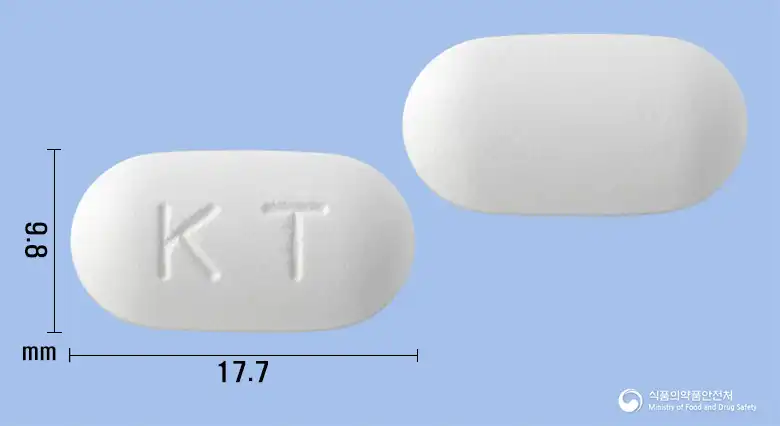 Combination
Metformin Hydrochloride 850mg · Pioglitazone Hydrochloride 16.53mg
Tablet · Prescription medication · Combination
Genewon Science Co., Ltd.
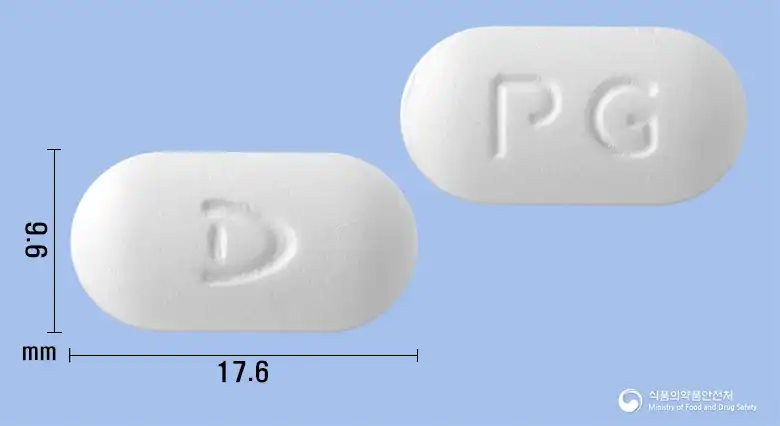 Combination
Metformin Hydrochloride 850mg · Pioglitazone Hydrochloride 16.53mg
Tablet · Prescription medication · Combination
Dalim Biotech Co., Ltd.
Metformin Hydrochloride · Pioglitazone Hydrochloride
Prescription medication · Combination
Nexpam Korea Co., Ltd.
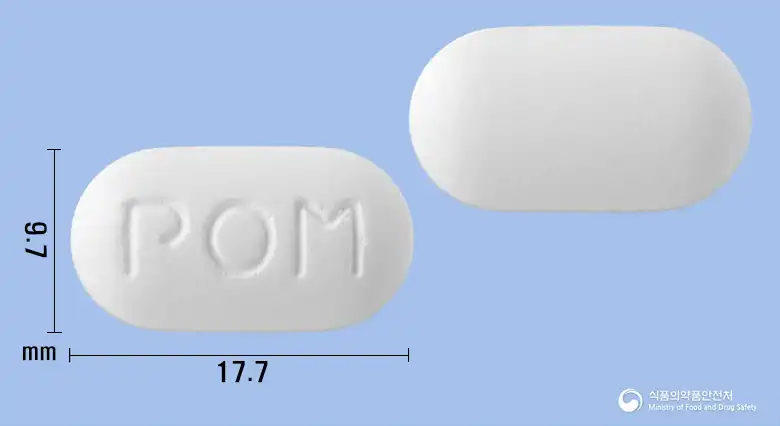 Combination
Pioglitazone Hydrochloride 16.53mg · Metformin Hydrochloride 850mg
Tablet · Prescription medication · Combination
Korea Prime Pharmaceutical Co., Ltd.
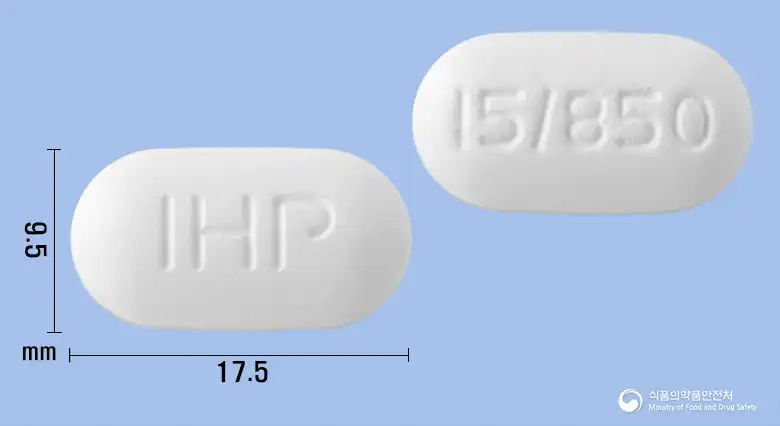 Combination
Metformin Hydrochloride 850mg · Pioglitazone Hydrochloride 16.53mg
Tablet · Prescription medication · Combination
Ilhwa Co., Ltd.
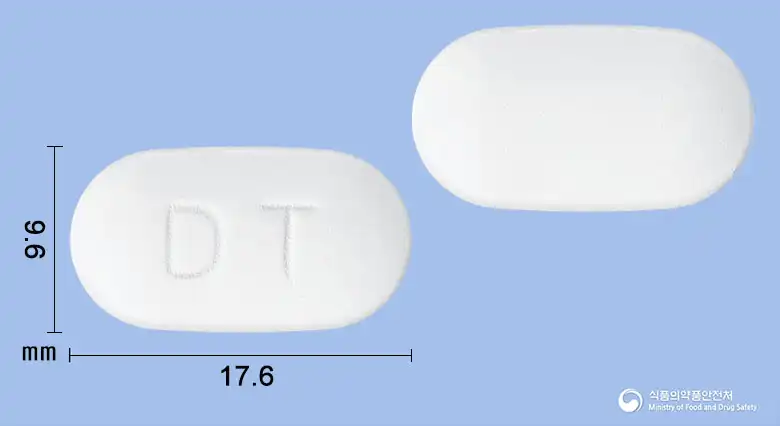 Combination
Pioglitazone Hydrochloride 16.53mg · Metformin Hydrochloride 850mg
Tablet · Prescription medication · Combination
Medica Korea Co., Ltd.
Even with the same ingredient, the dose and directions can differ by strength and dosage form. Talk to a doctor or pharmacist before switching from a medication you are already taking.
No questions yet.
For anything that needs medical judgment, consult a doctor or pharmacist.
This drug information is based on data provided by the Korea Ministry of Food and Drug Safety.
Consult a doctor or pharmacist for accurate dosage, administration, and usage instructions.