
 한국어
한국어 English
 日本語
日本語 中文(简体)
 Viewing now
Fenofibrate Tablets (Fenofibrate)
Fenofibrate 160mg
Tablet · Prescription medication
Dongkook Pharmaceutical Co., Ltd.
MFDS item code 201706753 · Approved 2017.08.22 · Insurance code 653403870
Improvement of primary hyperlipidemia (hypercholesterolemia, hypertriglyceridemia)
This medication is used to treat primary hyperlipidemia, specifically hypercholesterolemia (type IIa), combined hypercholesterolemia and hypertriglyceridemia (type IIb, type III), as well as hypertriglyceridemia (type IV). This drug helps reduce the risk of cardiovascular diseases by controlling blood lipid levels. It is designed to effectively lower cholesterol and triglyceride levels in patients with hyperlipidemia. Regular blood tests are important to monitor its efficacy and adverse reactions during treatment. When taken safely, it can provide positive assistance in managing blood lipid levels.
As Fenofibrate, 160 mg should be taken orally once daily immediately after meals. It must be taken in conjunction with dietary changes, and should be taken right after meals rather than on an empty stomach.
This medication should not be used in patients with impaired liver function. Patients with moderate to severe renal impairment should also not take this medication. It is safest for pregnant women or those who may become pregnant, as well as nursing mothers, to avoid this medication. Patients who have had allergic reactions to this drug or its components should avoid taking it. Individuals with gallbladder disease or a history of gallstone formation should also refrain from using this medication. Care is needed for patients who have experienced photosensitivity when using fibrate drugs or ketoprofen. This medication is not to be administered to children. It is advisable for patients with biliary cirrhosis or pancreatitis to avoid this drug as well. Patients with genetic disorders affecting lactose breakdown, as well as those allergic to soybean oil, soy, or peanuts, should avoid taking this drug. Patients with mild renal impairment should use this medication cautiously by reducing the dose or extending the dosing interval. Patients with abnormal liver function tests or a history of liver issues should use this medication cautiously. Patients with hypoalbuminemia or a history of gallstones should be observed closely while taking this medication. There is an increased risk of adverse reactions for those taking this medication alongside anticoagulants or certain hyperlipidemic agents, especially in the elderly. This drug may affect liver function, so regular liver function tests should be conducted, and if abnormal findings occur, dose adjustment or discontinuation may be necessary. Immediate consultation with a physician is required if symptoms of gallstones or pancreatitis appear. Skin rashes, itching, and photosensitivity reactions may occur, so attention should be given to UV protection when outdoors. If muscle pain, fatigue, or dizziness occur, notify medical staff immediately, and discontinuation may be necessary in severe cases. As this medication regulates blood lipid levels, regular blood tests are necessary to confirm treatment efficacy. There may be interactions with other medications; thus, consultation with a physician is essential, especially when taking anticoagulants, diabetes medications, or certain hyperlipidemic agents. During pregnancy or breastfeeding, this medication should not be used to ensure the safety of the fetus and infant. Children and the elderly should be dosed with frequent monitoring of kidney and liver function status. There are no specific detoxifying agents for overdose, so prescribed dosages must be adhered to and stored out of reach of children.
Not everyone experiences these, and they can vary from person to person.
This medication should be kept in a tightly sealed container to prevent exposure to air or moisture, and it is recommended to store it at room temperature between 1 degree Celsius and 30 degrees Celsius. This helps maintain the drug’s effectiveness and ensures safe usage.
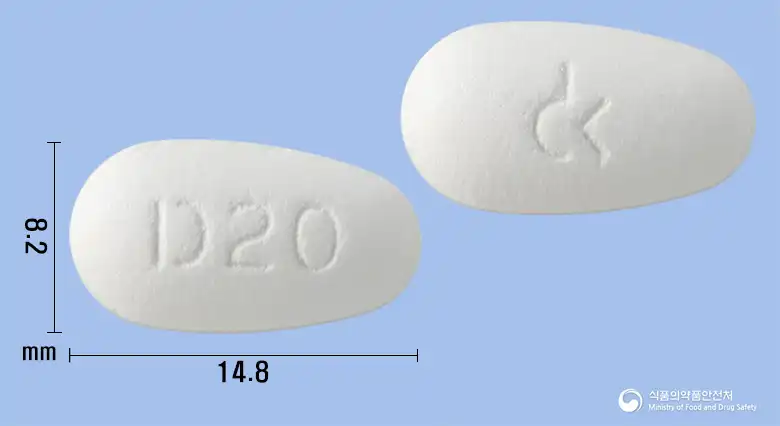
White rectangular film-coated tablet
100 tablets (10 tablets/PTP x 10)
Even with the same ingredient, strength, dosage form and how it is taken can differ.
Viewing nowFenofibrate 160mg
Tablet · Prescription medication
Dongkook Pharmaceutical Co., Ltd.
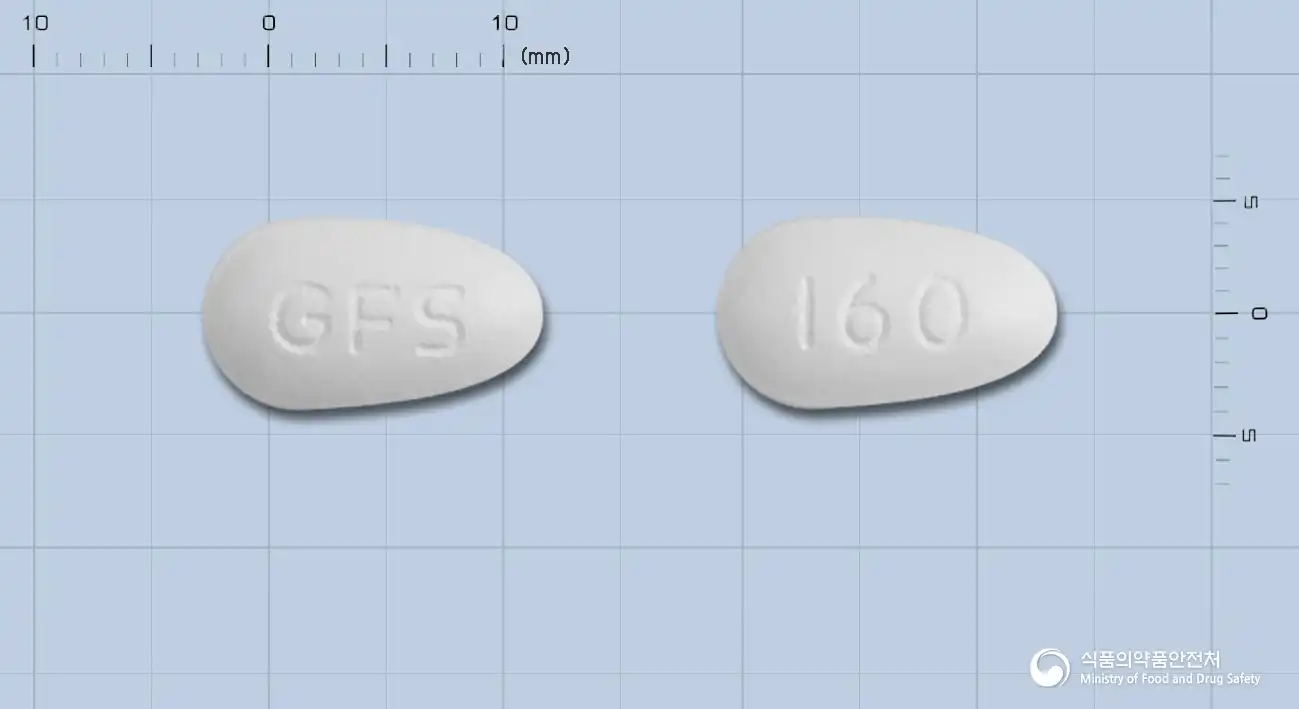
Fenofibrate 160mg
Tablet · Prescription medication
Samchundang Pharm Co., Ltd.
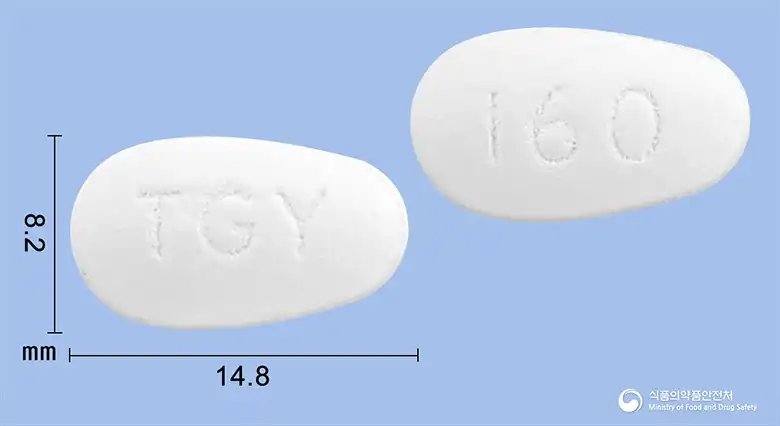
Fenofibrate 160mg
Tablet · Prescription medication
Yu Yeong Pharmaceutical Co., Ltd.
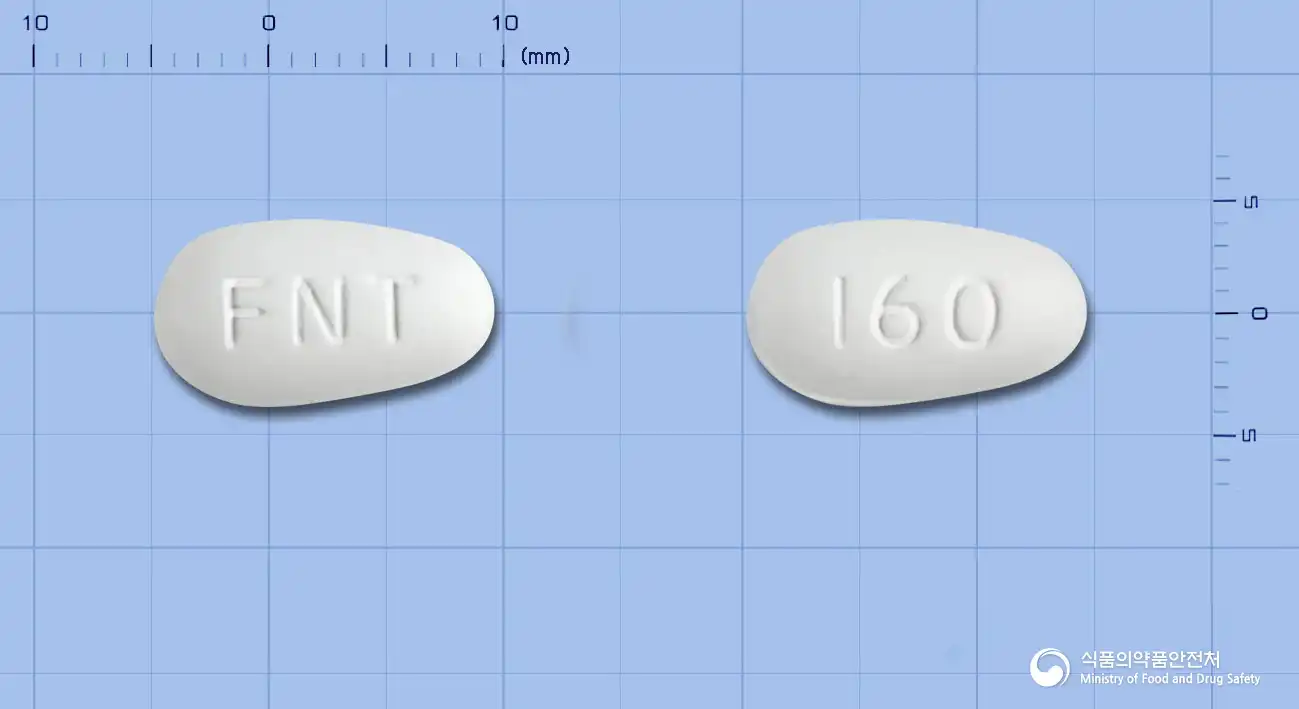
Fenofibrate 160mg
Tablet · Prescription medication
Kyung Dong Pharmaceutical Co., Ltd.
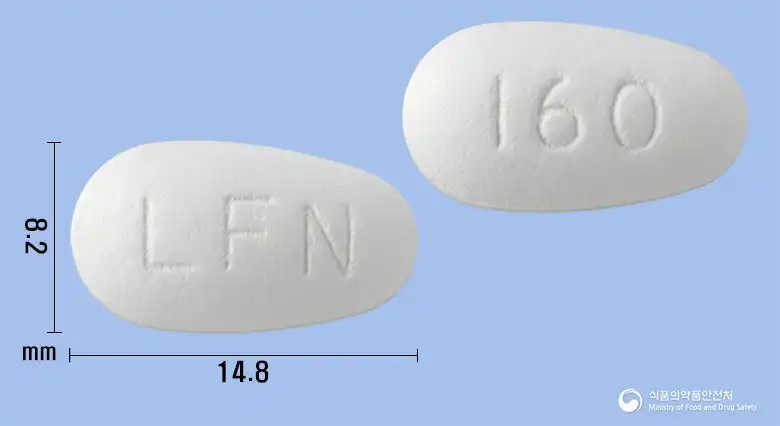
Fenofibrate 160mg
Tablet · Prescription medication
Jinyang Pharmaceutical Co., Ltd.
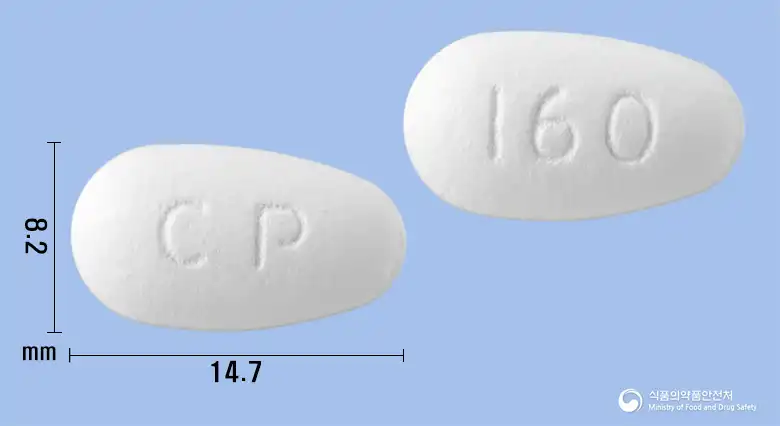
Fenofibrate 160mg
Tablet · Prescription medication
CMG Pharmaceutical Co., Ltd.
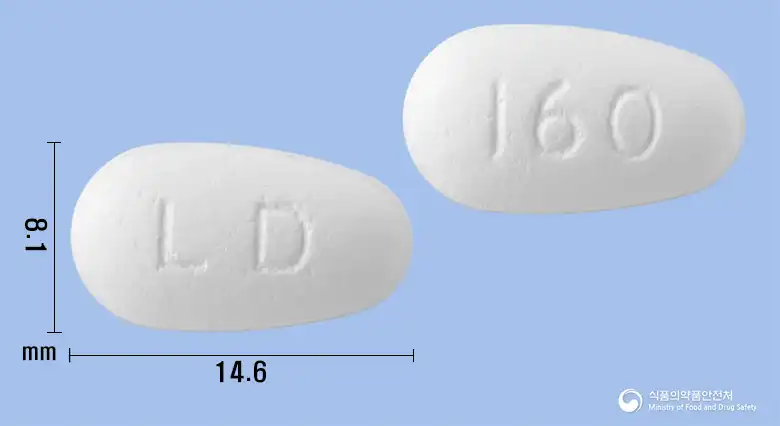
Fenofibrate 160mg
Tablet · Prescription medication
Korea Hyutecs Pharmaceutical Co., Ltd.
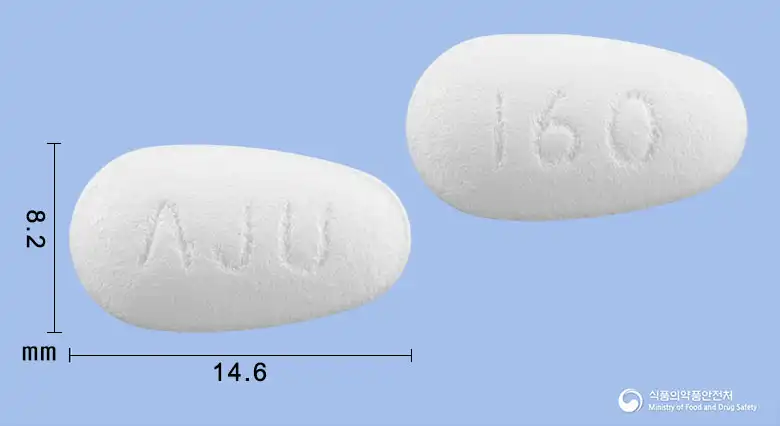
Fenofibrate 160mg
Tablet · Prescription medication
Aju Pharmaceuticals Co., Ltd.
Even with the same ingredient, the dose and directions can differ by strength and dosage form. Talk to a doctor or pharmacist before switching from a medication you are already taking.
No questions yet.
For anything that needs medical judgment, consult a doctor or pharmacist.
This drug information is based on data provided by the Korea Ministry of Food and Drug Safety.
Consult a doctor or pharmacist for accurate dosage, administration, and usage instructions.