
 한국어
한국어 English
 日本語
日本語 中文(简体)
 Viewing now
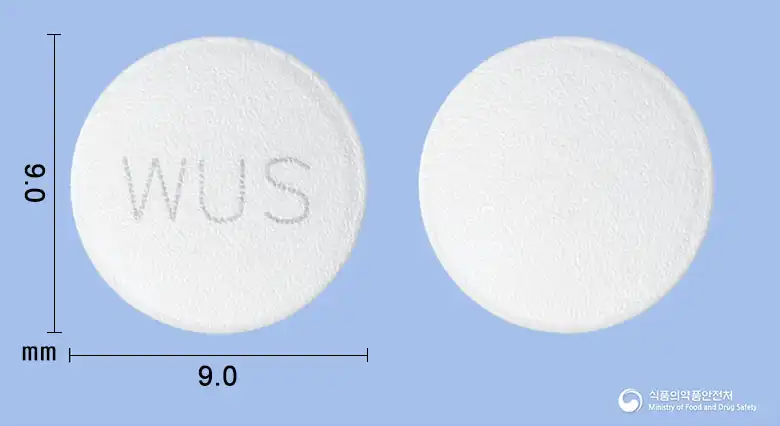
Saphole Tablet 100 mg (Sarpogrelate Hydrochloride)
Sarpogrelate Hydrochloride 100mg
Tablet · Prescription medication
Withus Pharmaceutical Co., Ltd.
MFDS item code 201706746 · Approved 2017.08.22 · Insurance code 660703130
Improvement of ischemic symptoms (ulcer, pain) in chronic arterial occlusion
This medication is used to improve ischemic symptoms such as ulcers, pain, and coldness caused by chronic arterial occlusion. Chronic arterial occlusion includes Buerger's disease, obstructive arteriosclerosis, and diabetic peripheral vascular disease. This drug helps improve blood circulation and alleviates symptoms, reducing discomfort for patients. By improving ischemic symptoms, it greatly helps enhance the quality of daily life. Thus, it is effective for the improvement of various symptoms due to chronic arterial occlusion.
As Sarpogrelate Hydrochloride, administer 100 mg orally after meals three times a day. Adjust according to symptoms.
This medication should not be used in patients with bleeding. Special caution is required for those with bleeding risks such as hemophilia or gastrointestinal ulcers. It is safer not to take this medication during pregnancy or for women who might become pregnant. Nursing mothers should also avoid usage if possible. Women who are menstruating or patients with a tendency to bleed should use this medication carefully. Additionally, patients taking anticoagulants or platelet aggregation inhibitors may have an increased risk of bleeding, so caution is necessary. Patients with severe renal impairment and the elderly require dosage adjustment and observation as it may affect the excretion and metabolism of this drug. During the period of taking this medication, one should carefully observe for symptoms of bleeding, liver dysfunction, or allergic reactions. If any of these symptoms occur, consult a physician immediately. Gastrointestinal symptoms such as vomiting, heartburn, and abdominal pain may occur, and central nervous system symptoms such as drowsiness or headache may also appear. Regular blood tests are recommended to check for bleeding risks or liver function status. When taken with other anticoagulants or platelet inhibitors, the risk of bleeding may increase, so it is essential to inform healthcare providers. The safety of this medication has not been established in children, so it is advisable not to use it in pediatric patients. This medication should be kept out of the reach of children and not transferred to other containers.
Gastrointestinal bleeding (hematemesis and melena), cerebral hemorrhage, subcutaneous bleeding, agranulocytosis, anemia, thrombocytopenia, leukopenia, acute hepatitis, liver dysfunction, jaundice, urticaria
Not everyone experiences these, and they can vary from person to person.
This medication may be sensitive to air or moisture, so it should be stored in a tightly closed container. It is recommended to maintain a storage temperature between 1 and 30 degrees Celsius at room temperature. Doing so will help maintain the drug's effectiveness and ensure its safe use.
White round film-coated tablet
30 tablets/bottle, 100 tablets/bottle
Even with the same ingredient, strength, dosage form and how it is taken can differ.
Viewing nowSarpogrelate Hydrochloride 100mg
Tablet · Prescription medication
Withus Pharmaceutical Co., Ltd.
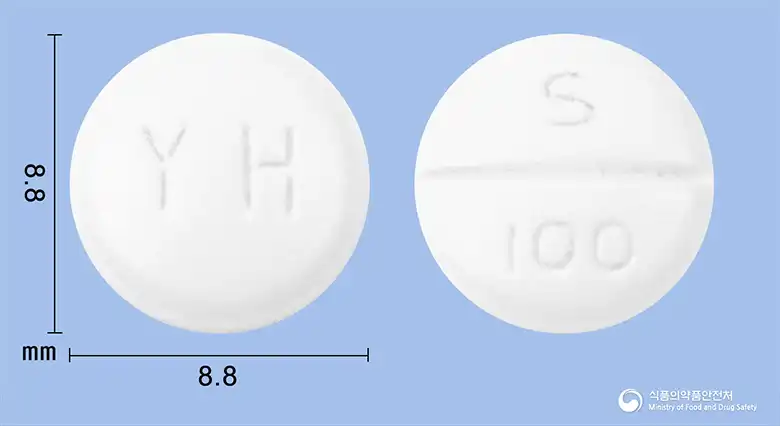
Sarpogrelate Hydrochloride 100mg
Tablet · Prescription medication
Yuhan Corporation
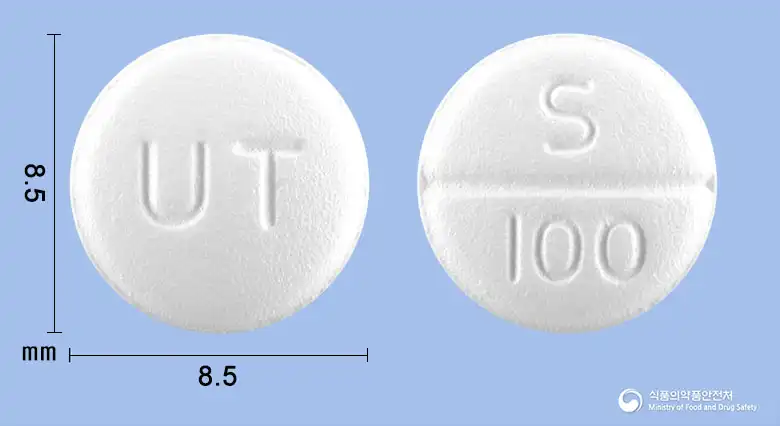
Sarpogrelate Hydrochloride 100mg
Tablet · Prescription medication
Korea United Pharmaceutical Co., Ltd.
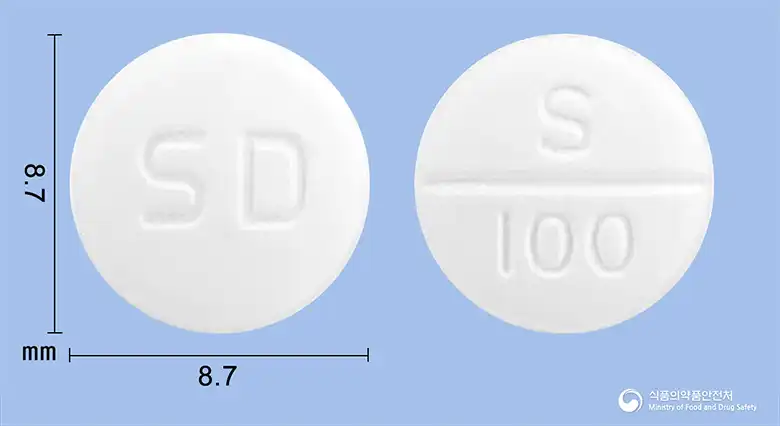
Sarpogrelate Hydrochloride 100mg
Tablet · Prescription medication
(Co., Ltd.) Pharmgen Science
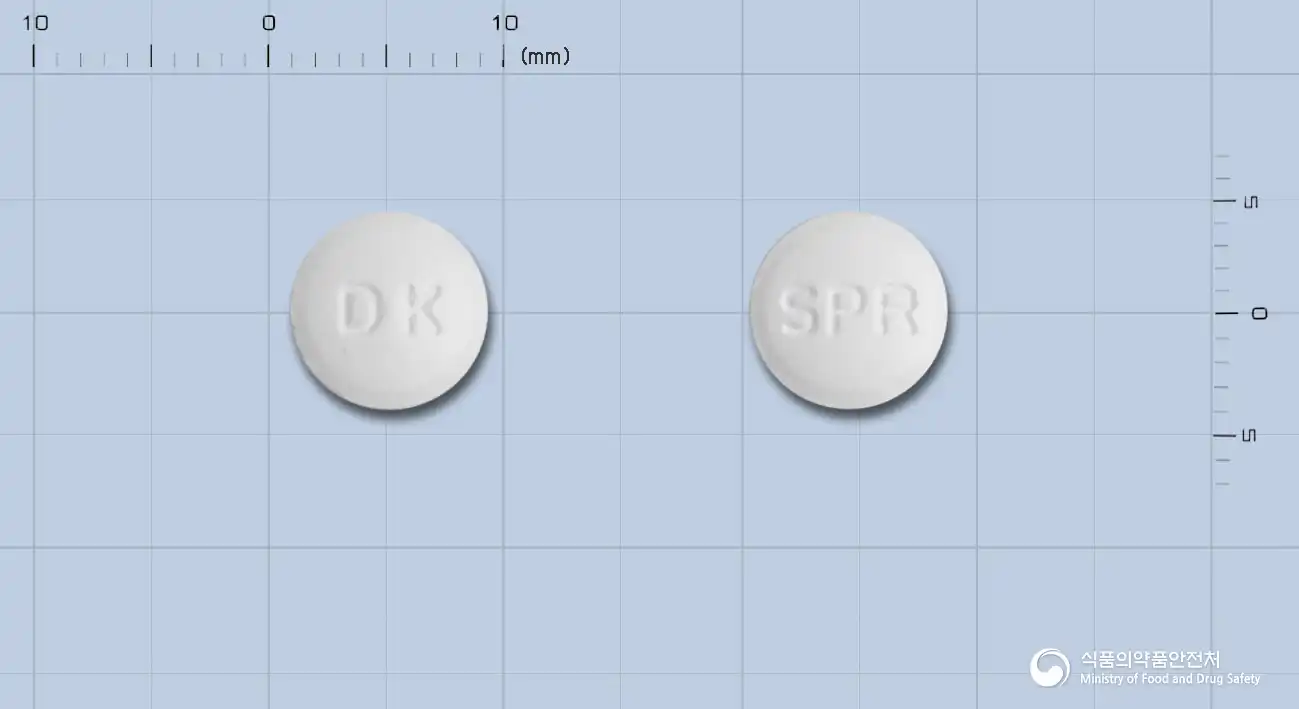
Sarpogrelate Hydrochloride 100mg
Tablet · Prescription medication
Dongkook Pharmaceutical Co., Ltd.
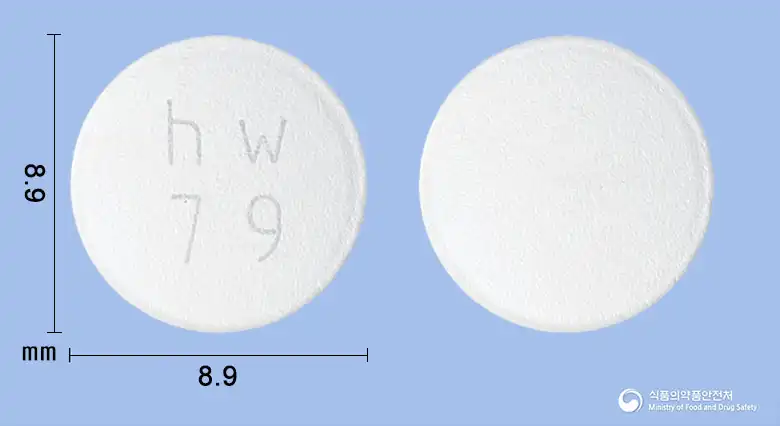
Sarpogrelate Hydrochloride 100mg
Tablet · Prescription medication
Haewon Pharmaceutical Co., Ltd.
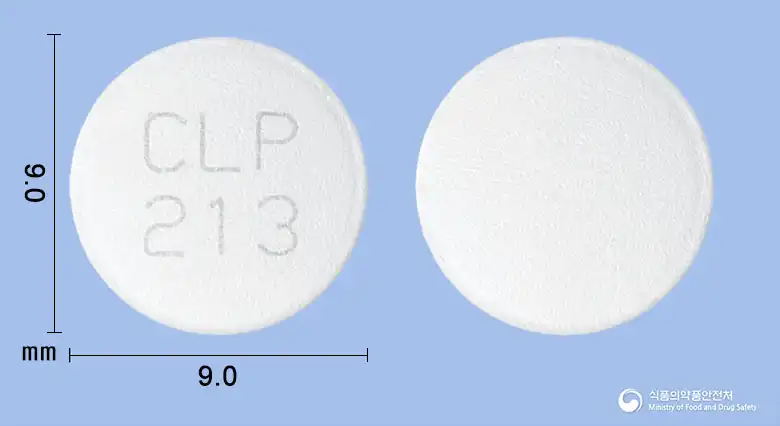
Sarpogrelate Hydrochloride 100mg
Tablet · Prescription medication
Celltrion Pharmaceutical Co., Ltd.
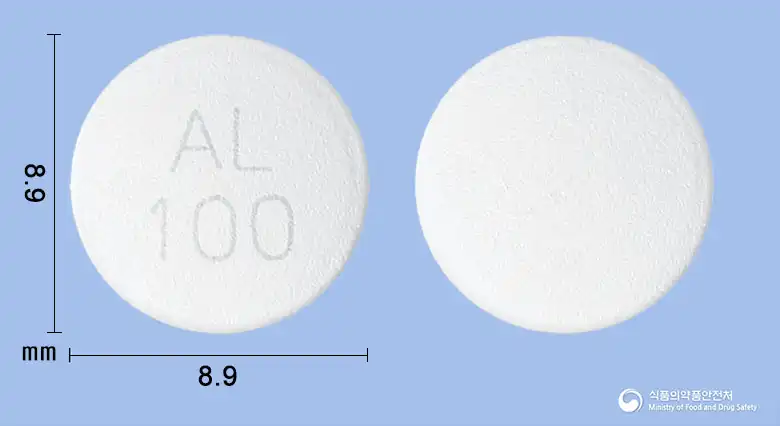
Sarpogrelate Hydrochloride 100mg
Tablet · Prescription medication
Allico Pharmaceuticals Co., Ltd.
Even with the same ingredient, the dose and directions can differ by strength and dosage form. Talk to a doctor or pharmacist before switching from a medication you are already taking.
No questions yet.
For anything that needs medical judgment, consult a doctor or pharmacist.
This drug information is based on data provided by the Korea Ministry of Food and Drug Safety.
Consult a doctor or pharmacist for accurate dosage, administration, and usage instructions.