
 한국어
 English
 日本語
 中文(简体)
 Viewing now
Cronisin Soft Capsules (Clonixin Lysine)
Clonixin Lysinate 125mg
Soft capsule · OTC medication
TerraGen Etex Co., Ltd.
MFDS item code 201706689 · Notified 2017.08.21
Relief of mild to moderate pain (such as headache, toothache, and muscle pain)
This medication is used to relieve mild symptoms or moderate pain. It is particularly effective for reducing muscle pain, neuralgia, and pain occurring after trauma or surgery. It is also effective for common pains such as headaches, toothaches, and earaches. This medication alleviates pain, helping to reduce discomfort for patients and enabling a more comfortable life. Therefore, it is used for pain relief.
Adults: Take 125∼250 mg of clonixin lysinate orally 3 times daily.
This medication may cause gastrointestinal bleeding in individuals who regularly consume more than three alcoholic beverages a day, so it is essential to consult a doctor or pharmacist. This medication can affect the cardiovascular system, increasing the risk of serious thromboembolic events such as myocardial infarction or stroke, so individuals with cardiovascular diseases or risk factors should exercise caution. It may also impact the gastrointestinal tract, leading to serious issues such as bleeding, ulcers, or perforation in the stomach or intestines; hence, particularly elderly individuals or those on prolonged therapy should be vigilant about symptoms. Patients with a history of peptic ulcers, gastrointestinal issues caused by medication, drug allergies, or a history of asthma or allergic reactions should not take this medication. Women who are pregnant or may become pregnant, those with severe liver or kidney dysfunction, and heart failure patients should avoid this medication. Caution is advised when taken with other non-steroidal anti-inflammatory drugs (NSAIDs), ACE inhibitors, aspirin, diuretics, lithium, methotrexate, anticoagulants, and others, as the risk of side effects can increase. Individuals with a history of peptic ulcers, hypertension, fluid retention, asthma, liver dysfunction, or kidney dysfunction should consult a doctor or pharmacist before taking this medication. During use, if symptoms such as nausea, vomiting, abdominal pain, bleeding, skin rash, anemia, liver dysfunction, drowsiness, or headache occur, discontinue use immediately and consult a specialist. This medication should be taken at the lowest effective dose for the shortest duration, with regular blood tests and monitoring liver and kidney functions for any adverse reactions. Breastfeeding women should stop breastfeeding or discontinue medication, as this medication might be excreted in breast milk. Keep this medication out of the reach of children, and it is safe to avoid transferring it to other containers.
Not everyone experiences these, and they can vary from person to person.
Do not take this medication with other non-steroidal anti-inflammatory drugs (NSAIDs), ACE inhibitors or angiotensin II receptor antagonists, aspirin, diuretics, lithium, methotrexate, coumarin anticoagulants (such as warfarin), ciclosporin, tacrolimus, antiplatelet agents, or selective serotonin reuptake inhibitors (SSRIs), corticosteroids. Patients taking misoprostol should consult before taking this medication.
This medication may be sensitive to air and moisture, so it must be stored in a tightly sealed container. It is recommended to maintain storage temperatures between 1°C and 30°C at room temperature. Storing it this way will help maintain the medication's efficacy and safety for use.
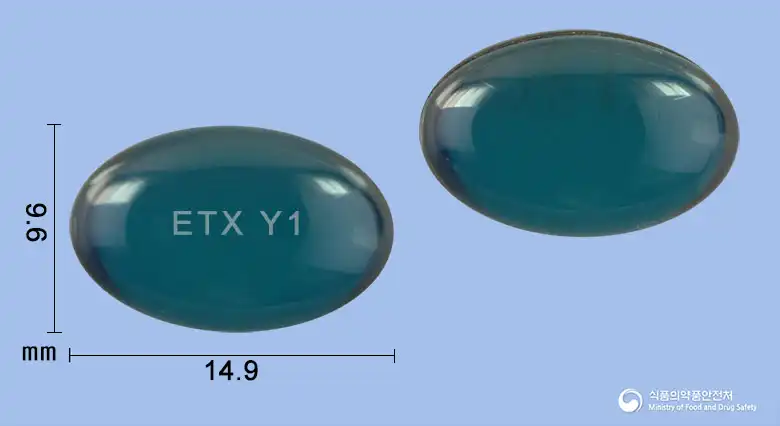
A blue transparent oval soft capsule containing a light yellow transparent liquid.
10 capsules (10 capsules/PTPX1)
Even with the same ingredient, strength, dosage form and how it is taken can differ.
Viewing nowClonixin Lysinate 125mg
Soft capsule · OTC medication
TerraGen Etex Co., Ltd.
Clonixin Lysinate 125mg
OTC medication
International Pharmaceutical Co., Ltd.

Clonixin Lysinate 125mg
Tablet · OTC medication
Youngil Pharmaceutical Co., Ltd.

Clonixin Lysinate 125mg
Tablet · OTC medication
Daehwa Pharmaceutical Co., Ltd.

Clonixin Lysinate 125mg
Tablet · OTC medication
GiEl Pharma Co., Ltd.

Clonixin Lysinate 125mg
Tablet · OTC medication
Highple Life Sciences Co., Ltd.
Clonixin Lysinate 250mg
Tablet · OTC medication
Hyple Life Sciences Co., Ltd.
Clonixin Lysinate 125mg
OTC medication
Youngpoong Pharmaceutical Co., Ltd.
Even with the same ingredient, the dose and directions can differ by strength and dosage form. Talk to a doctor or pharmacist before switching from a medication you are already taking.
No questions yet.
For anything that needs medical judgment, consult a doctor or pharmacist.
This drug information is based on data provided by the Korea Ministry of Food and Drug Safety.
Consult a doctor or pharmacist for accurate dosage, administration, and usage instructions.