
 한국어
 English
 日本語
 中文(简体)
 Viewing now
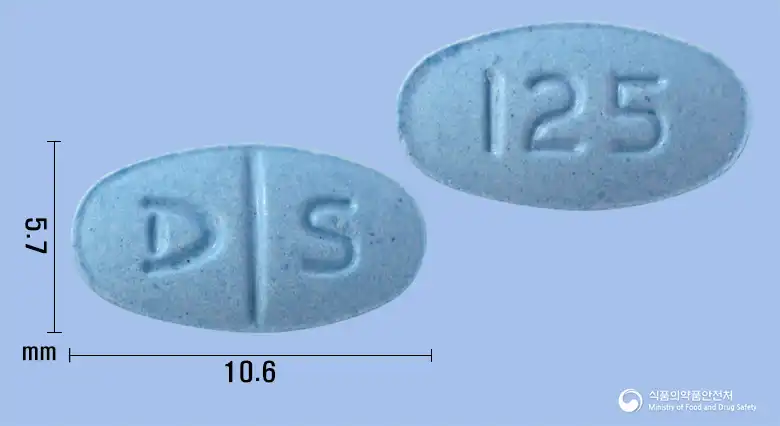
Thyroxine Sodium 125 Micrograms (Levothyroxine Sodium Hydrate)
Levothyroxine Sodium Hydrate 0.125mg
Tablet · Prescription medication
Darim Biotech Co., Ltd.
MFDS item code 201706645 · Approved 2017.08.17 · Insurance code 664602230
Treatment of thyroid disorders (e.g., hypothyroidism and myxedema)
This medication is used to treat conditions caused by hypothyroidism, such as myxedema and cretinism.
Adults: The usual dose is 25-400㎍ of levothyroxine sodium orally once daily. The usual initial dose is 25-100㎍, and the maintenance dose is 100-400㎍. The dose may be adjusted appropriately according to age and symptoms.
This medication is a supplement or replacement for thyroid hormones; using it for weight loss in individuals with normal thyroid function may be ineffective and dangerous. Special caution should be taken if taken with sympathomimetic appetite suppressants, as serious cardiac toxicity may occur. Patients with heart disease, excessive thyroid function, or adrenal insufficiency conditions may worsen if this medication is taken and should not be administered. Additionally, patients with lactose intolerance or specific genetic metabolic disorders should not take this medication. Patients with specific conditions such as hypertension, angina, diabetes, and elderly patients should be administered with caution, starting with a low dose and gradually increasing it. In cases of overdose, symptoms such as rapid heartbeat, arrhythmia, insomnia, headaches, loss of appetite, and muscle pain may appear, and immediate consultation with medical personnel is required. This medication may cause liver dysfunction or hypersensitivity reactions; if rashes or symptoms of liver dysfunction occur, discontinue use and consult a physician. Many drug interactions exist while taking this medication, especially when used with anticoagulants, hypoglycemic agents, antacids, anticonvulsants, and estrogen preparations, so informing medical personnel may require dose adjustments. Continuing this medication during pregnancy is important to maintain thyroid function, and caution should also be exercised while breastfeeding. In pediatric cases, early treatment of hypothyroidism is crucial for development, and careful dosage adjustments are necessary as excessive dosing may cause growth issues. Elderly patients should start with a low dose to reduce cardiac burden and gradually increase it safely. Routine thyroid function tests should be performed while taking this medication, and discontinuing supplements containing biotin before testing can help improve test accuracy. In cases of overdose, induced vomiting, gastric lavage, and treatment according to symptoms may be required; in severe cases, oxygen supplementation and beta-blocker treatments may be necessary.
Not everyone experiences these, and they can vary from person to person.
This medication is sensitive to light; it should be stored in a container that does not allow light to enter. Additionally, it is important to store it at a cool temperature below 25 degrees Celsius to maintain its efficacy.
Blue oval tablet
100 tablets/bottle, 300 tablets/bottle
Even with the same ingredient, strength, dosage form and how it is taken can differ.
Viewing nowLevothyroxine Sodium Hydrate 0.125mg
Tablet · Prescription medication
Darim Biotech Co., Ltd.
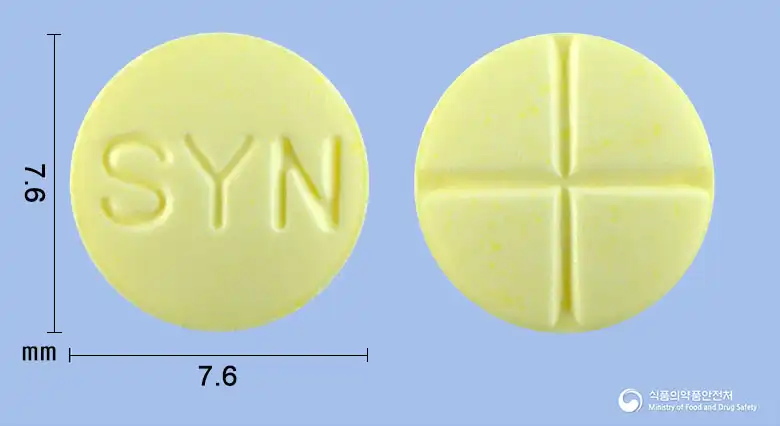
Levothyroxine Sodium Hydrate 0.1mg
Tablet · Prescription medication
Bukwang Pharmaceutical Co., Ltd.
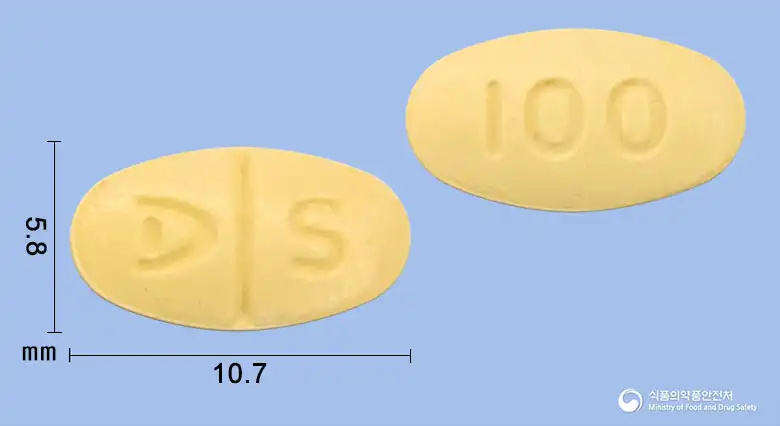
Levothyroxine Sodium Hydrate 0.1mg
Tablet · Prescription medication
Darim Biotech Co., Ltd.
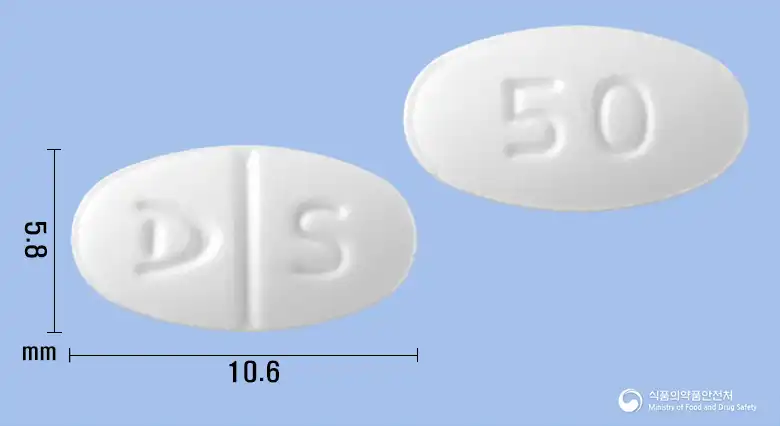
Levothyroxine Sodium Hydrate 0.05mg
Tablet · Prescription medication
Darim Biotech Co., Ltd.
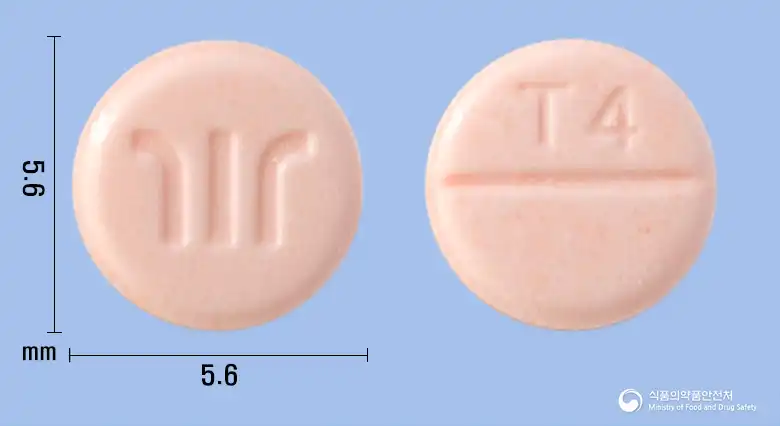
Levothyroxine Sodium Hydrate 0.05mg
Tablet · Prescription medication
Bukwang Pharmaceutical Co., Ltd.
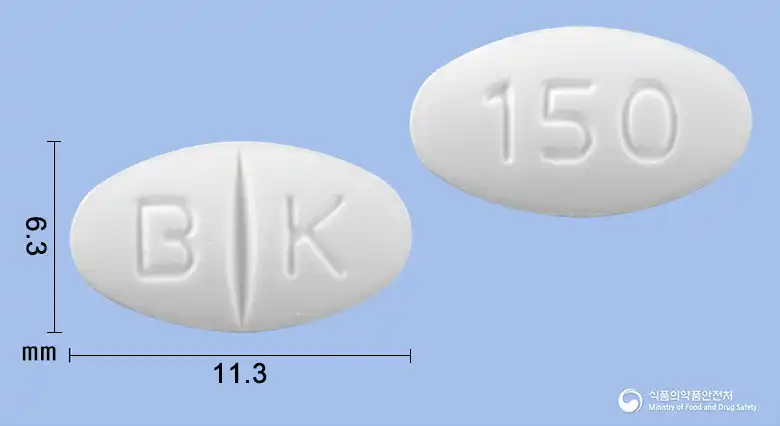
Levothyroxine Sodium Hydrate 0.15mg
Tablet · Prescription medication
Bukwang Pharmaceutical Co., Ltd.
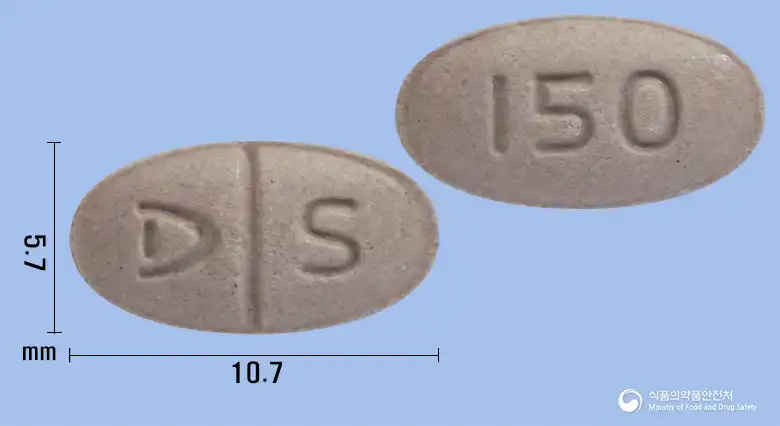
Levothyroxine Sodium Hydrate 0.15mg
Tablet · Prescription medication
Darim Biotech Co., Ltd.
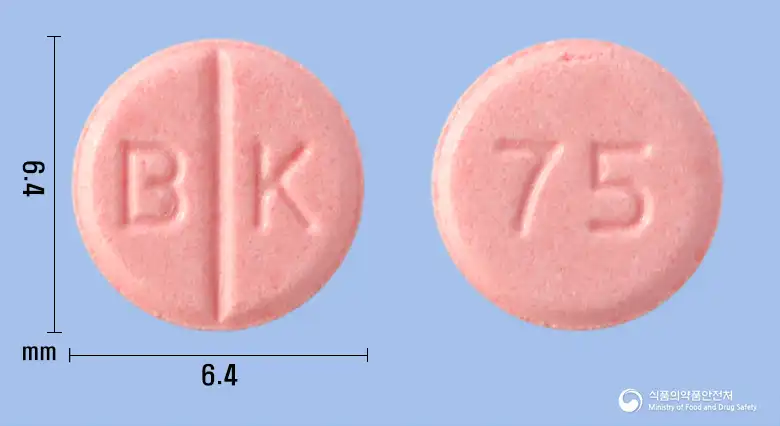
Levothyroxine Sodium Hydrate 0.075mg
Tablet · Prescription medication
Bukwang Pharmaceutical Co., Ltd.
Even with the same ingredient, the dose and directions can differ by strength and dosage form. Talk to a doctor or pharmacist before switching from a medication you are already taking.
No questions yet.
For anything that needs medical judgment, consult a doctor or pharmacist.
This drug information is based on data provided by the Korea Ministry of Food and Drug Safety.
Consult a doctor or pharmacist for accurate dosage, administration, and usage instructions.