
 한국어
 English
 日本語
 中文(简体)
Dosage form image
Viewing nowSelftojeong 75mg (Naflupidine)
Naftopidil 75mg
Tablet · Prescription medication
Celltrion Pharmaceutical Co., Ltd.
MFDS item code 201706573 · Approved 2017.08.14
This product's status changed to Approval withdrawn on 2024.09.30. It may no longer be sold, so consult a doctor or pharmacist before taking it.
Improvement of urinary symptoms caused by benign prostatic hyperplasia
This medication is used to improve urination disorders caused by benign prostatic hyperplasia.
In adults, start with naftopidil 25mg once daily. If the effect is insufficient, gradually increase the dose to 50~75mg at intervals of 1~2 weeks, administered orally once daily after a meal. The dose may be adjusted appropriately according to symptoms, but the maximum daily dose is 75mg.
This medicine should not be used in patients who have had allergic reactions to its components. Additionally, this medicine contains lactose, so it should not be given to patients with genetic issues such as galactose intolerance, Lapp lactase deficiency, or glucose-galactose malabsorption. Care should be taken when using this medicine in patients with impaired liver function, severe heart disease, severe cerebrovascular disorders, and in elderly patients. In particular, as this medicine is primarily excreted by the liver, elderly patients may experience delayed drug excretion due to decreased liver function, leading to increased blood concentration. Caution should be exercised when taking it in conjunction with PDE5 inhibitors used for treating cardiovascular diseases, as there is a risk of excessively low blood pressure. Patients with orthostatic hypotension should also be cautious about blood pressure changes while using this medicine. Dizziness, lightheadedness, hypotension, and gastrointestinal discomfort may occur during the use of this medicine, and if symptoms are severe, medical advice should be sought. If liver dysfunction or jaundice symptoms appear, treatment should be stopped immediately and healthcare personnel should be informed. Overdosing on this medicine may lead to excessively low blood pressure, so prescribed dosages should be adhered to. During the initial treatment or when the dose is suddenly increased, dizziness or lightheadedness due to orthostatic hypotension may occur, so care should be taken when performing tasks at heights or driving. If taken with antihypertensive drugs, blood pressure changes should be closely monitored, and drug dosages should be adjusted if necessary. Keep out of reach of children and ensure that the tablet is consumed directly from the packaging. Swallowing the packaging can cause damage to the esophageal mucosa or serious complications. This medicine helps relieve symptoms but is not a treatment for the underlying cause, so alternative treatment options should be considered if it is ineffective. Elderly patients may be more susceptible to side effects due to decreased liver function, so their condition should be closely monitored during treatment.
Dizziness, staggering, lightheadedness, hypotension, discomfort in the stomach, liver dysfunction, jaundice, fainting, loss of consciousness, hypersensitivity, rash, itching, hives, polymorphic erythema, headache, heaviness in the head, lethargy, drowsiness, tinnitus, numbness, tremors, taste disturbance, feeling of fog in the head, flushing, warmth, arrhythmia, tachycardia, diarrhea, constipation, dry mouth, nausea, vomiting, bloating, abdominal pain, elevated AST (GOT), elevated ALT (GPT), elevated LDH, elevated ALP, decreased platelet count, blurred vision, intraoperative iris tension reduction syndrome, discoloration, edema, incontinence, chills, eyelid edema, shoulder stiffness, nasal congestion, erectile dysfunction, gynecomastia, chest pain, speech impairment, hemorrhoids, worsening of urinary dysfunction, hematuria, pyuria, cystitis, decreased urine flow, urinary tract infection, urethral pain, worsening of frequency of urination, insomnia, back pain, weakness, fever, fatigue, ejaculation disorder, increased sweating, skeletal pain, shingles, bladder carcinoma, angina, cerebral infarction, bronchiectasis, retrograde ejaculation
Not everyone experiences these, and they can vary from person to person.
Store this medicine in a tightly sealed container that is protected from light. It is best to maintain a storage temperature between 1 and 30 degrees Celsius.
Yellowish to light yellow round tablets
30 tablets/bottle, 300 tablets/bottle
Even with the same ingredient, strength, dosage form and how it is taken can differ.
Naftopidil 75mg
Tablet · Prescription medication
Celltrion Pharmaceutical Co., Ltd.
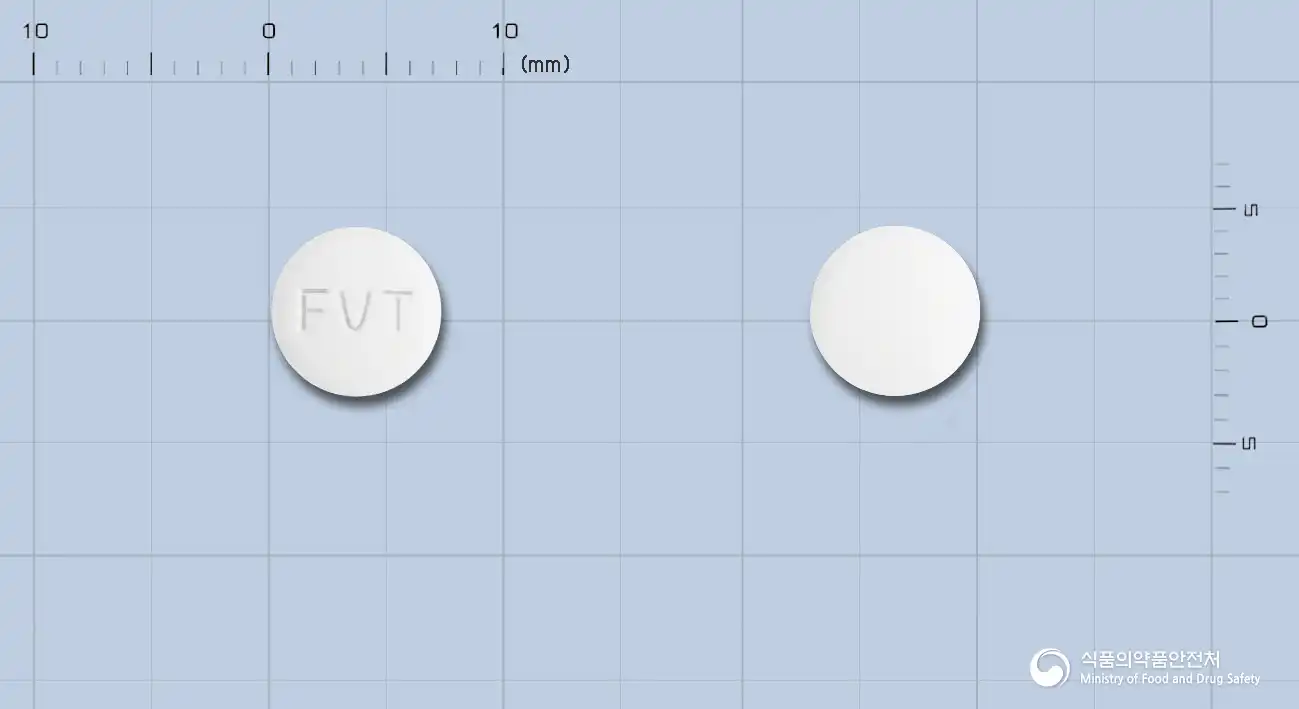
Naftopidil 25mg
Tablet · Prescription medication
Dong-A ST Co., Ltd.
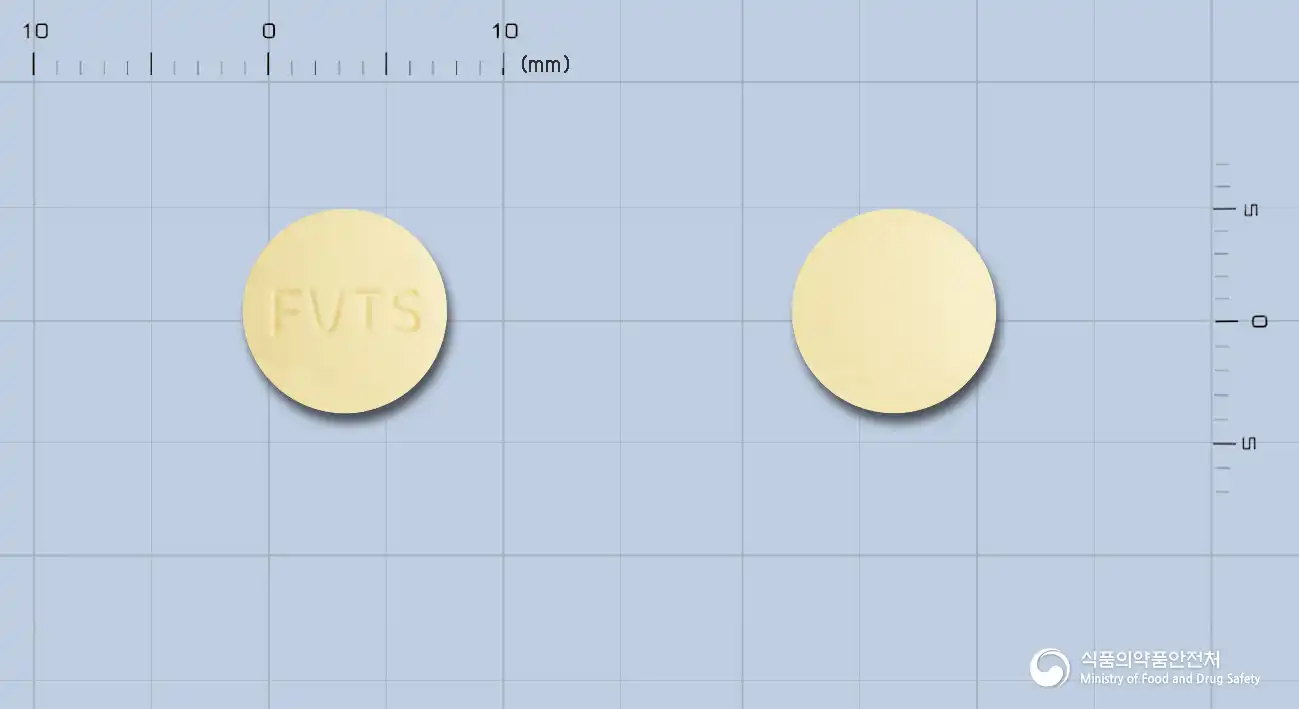
Naftopidil 75mg
Tablet · Prescription medication
Dong-A ST Co., Ltd.
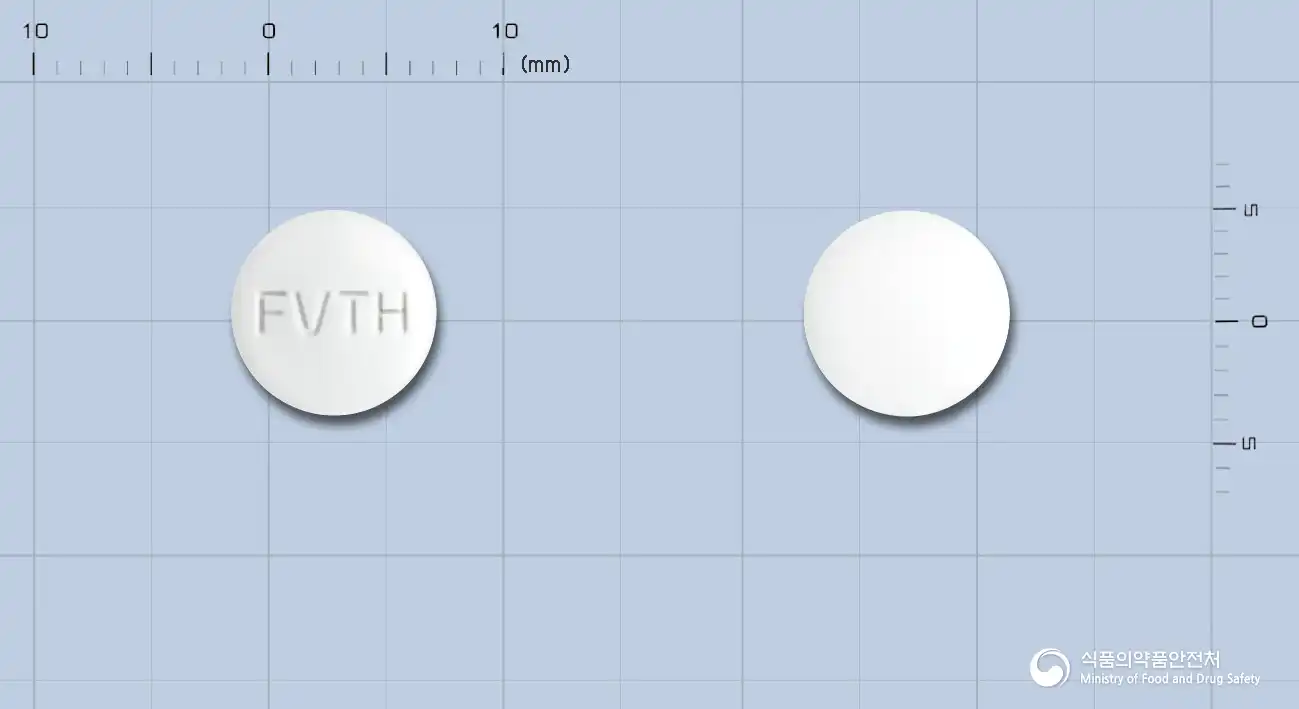
Naftopidil 50mg
Tablet · Prescription medication
Dong-A ST Co., Ltd.
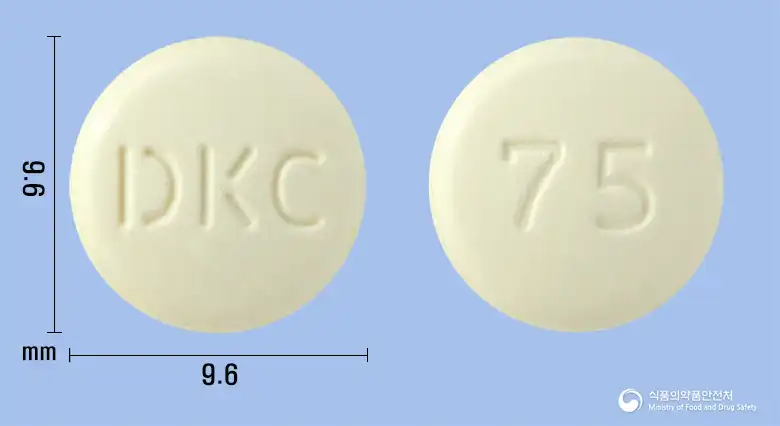
Naftopidil 75mg
Tablet · Prescription medication
Dongku Bio Pharmaceutical Co., Ltd.
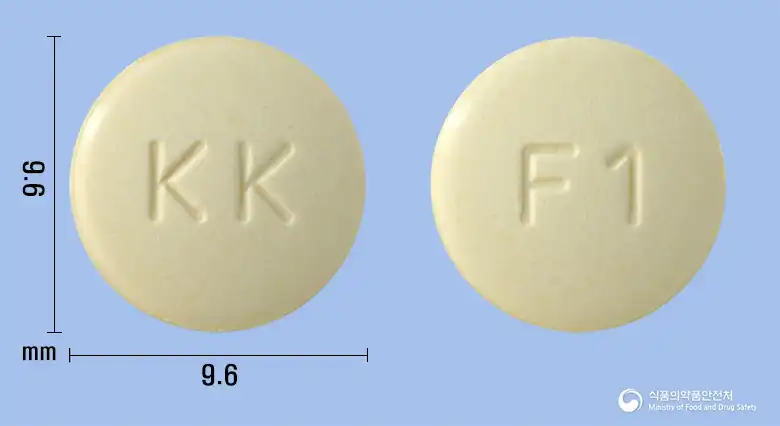
Naftopidil 75mg
Tablet · Prescription medication
Genewon Science Co., Ltd.
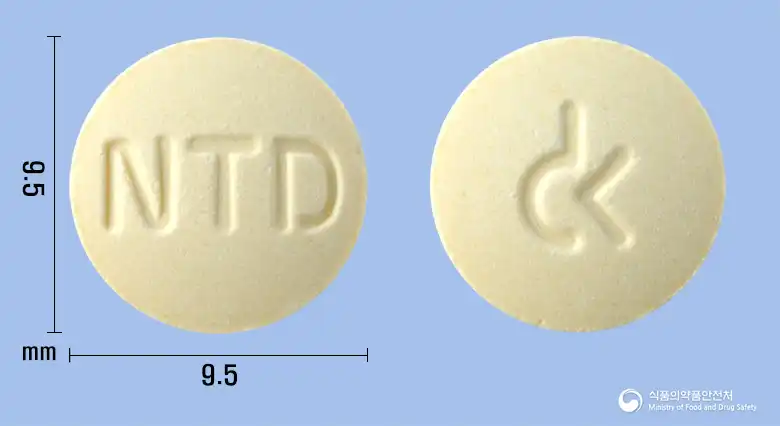
Naftopidil 75mg
Tablet · Prescription medication
Dongkuk Pharmaceutical Co., Ltd.
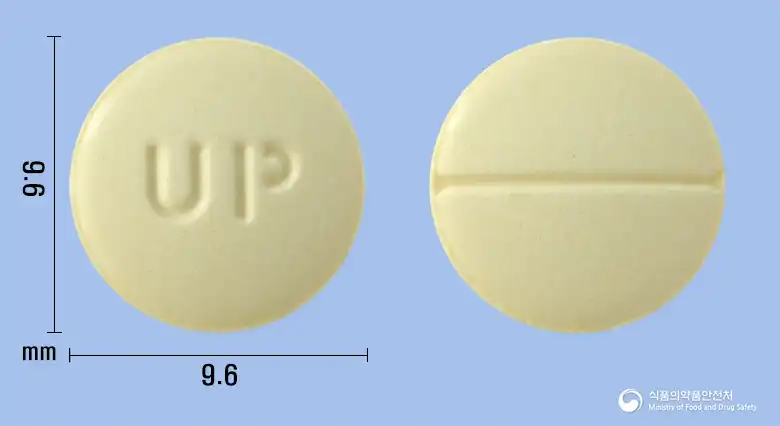
Naftopidil 75mg
Tablet · Prescription medication
Genupharm Co., Ltd.
Even with the same ingredient, the dose and directions can differ by strength and dosage form. Talk to a doctor or pharmacist before switching from a medication you are already taking.
No questions yet.
For anything that needs medical judgment, consult a doctor or pharmacist.
This drug information is based on data provided by the Korea Ministry of Food and Drug Safety.
Consult a doctor or pharmacist for accurate dosage, administration, and usage instructions.