
 한국어
 English
 日本語
 中文(简体)
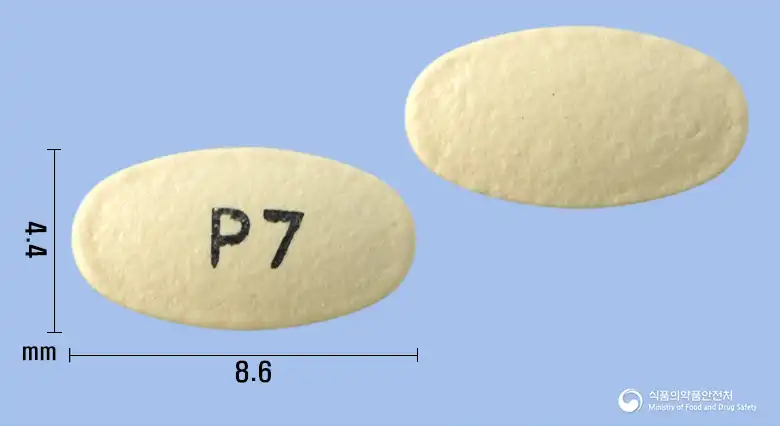 Viewing now
Pantora Tablet 20 mg (Pantoprazole Sodium Sesquihydrate)
Pantoprazole Sodium Sesquihydrate 22.55mg
Tablet · Prescription medication
Celltrion Pharmaceutical Co., Ltd.
MFDS item code 201706572 · Approved 2017.08.14 · Insurance code 693902610
Treatment of gastroesophageal reflux, prevention of recurrent reflux esophagitis, and prevention of NSAID-induced ulcers
This medicine helps treat mild gastroesophageal reflux disease and associated symptoms like heartburn, acid reflux, and dysphagia. It also has a stabilizing effect when used long-term for maintenance therapy to prevent recurrence of reflux esophagitis. It is also used to prevent the development of ulcers in the stomach and duodenum for patients who need to take non-steroidal anti-inflammatory drugs long-term. In summary, this drug effectively alleviates symptoms of gastroesophageal reflux disease, prevents recurrence, and is effective for ulcer prevention.
1. Treatment of mild reflux esophageal disease and associated symptoms: Administer 20 mg of pantoprazole orally once daily before breakfast. Symptom relief generally occurs within 2 ∼ 4 weeks, and healing can usually be achieved with 4 weeks of treatment. If healing is not achieved, an additional 4 weeks of treatment may result in healing. 2. Long-term maintenance therapy to prevent recurrence of reflux esophagitis: Administer 20 mg of pantoprazole once daily before breakfast. If recurrence occurs, increase the dose to 40 mg of pantoprazole daily, then reduce it to 20 mg daily again after healing. 3. Prevention of gastroduodenal ulcers caused by nonsteroidal anti-inflammatory drugs in patients who must receive continuous nonsteroidal anti-inflammatory drug therapy: Administer 20mg of pantoprazole once daily. • No dose adjustment is necessary in elderly patients or patients with renal impairment. • Patients with hepatic impairment In patients with severe hepatic impairment, do not exceed 20 mg of this medicine once daily.
This drug should not be used in certain patients. Individuals who are allergic to this drug or any of its components or have previously experienced hypersensitivity should not take it. Additionally, patients taking certain antiviral medications, such as Atazanavir or Nelfinavir, pregnant women, women who may become pregnant, nursing mothers, and patients taking medications containing Rilpivirine should avoid using this medication. Various side effects may occur while taking this medication. In the digestive system, symptoms can include upper abdominal pain, constipation, abdominal bloating, diarrhea, nausea, vomiting, belching, and dry mouth. Systemically, fatigue, weakness, lethargy, swelling, elevated body temperature, and fever may occur. Liver function abnormalities can lead to elevated liver enzyme levels or jaundice, and severe liver damage may also occur. In the immune system, serious allergic reactions such as anaphylactic shock may appear. In terms of muscle and bone, arthralgia, myalgia, and rarely, rhabdomyolysis or fractures have been reported. In the nervous system, potential symptoms include headache, dizziness, visual disturbances, and taste disturbances, while psychologically, insomnia, depression, hallucinations, and confusion may occur. The skin may show reactions such as itching, rashes, urticaria, and serious skin reactions such as Stevens-Johnson syndrome. Long-term use may lead to impaired vitamin B12 absorption and an increased risk of fractures, so caution is needed. This drug suppresses gastric acid secretion, thus potentially interfering with the absorption of some medications. Particular caution should be exercised when taking it with iron supplements, antiviral drugs, and certain anticancer drugs. Patients with severely impaired liver function should limit their dosage and receive regular liver function tests when taking it long-term. It is advisable not to use this drug in early pregnancy, and nursing mothers should also avoid it. There is insufficient experience to recommend its use in children under 12 years old. Do not chew or crush the tablet; it should be swallowed whole, and when used long-term, it is essential to use the minimum dosage and duration as directed by a physician. There are no known specific symptoms of overdose, but if symptoms do occur, immediate consultation with medical personnel is advised. This drug should be kept out of the reach of children and should not be transferred to another container for safety. Lastly, there is a possibility of polyp formation in the gastric mucosa with long-term use, so regular examinations may be necessary.
Anaphylaxis, anaphylactic shock, angioedema, bronchospasm, acute interstitial nephritis, urticaria, upper abdominal pain, constipation, bloating, diarrhea, gastric polyps, nausea, vomiting, belching, dry mouth, fatigue, asthenia, lethargy, edema, elevated body temperature, fever, increased liver enzyme levels, elevated bilirubin, liver failure, jaundice, arthralgia, myalgia, rhabdomyolysis, bone fracture, headache, dizziness, visual disturbances, dysgeusia, insomnia, sleep disturbances, depression, hallucinations, confusion, disorientation, interstitial nephritis, pruritus, skin erythema, angioedema, mucous membrane syndrome, Stevens-Johnson syndrome, erythema multiforme, toxic epidermal necrolysis, Lyell's syndrome, photosensitivity, hyperglycemia, agranulocytosis, leukopenia, thrombocytopenia, pancytopenia, gynecomastia, hyperlipidemia, lipid increase, weight change, hyponatremia, hypomagnesemia, increased CK, anxiety, lethargy, back pain, bronchitis, chest pain, increased cough, dyspepsia, dyspnea, flu-like symptoms, gastroenteritis, gastrointestinal disorders, tension and anxiety, infection, migraine, cervical pain, pain, pharyngitis, rectal disorders, rhinitis, increased AST, sinusitis, upper respiratory infection, frequent urination, urinary tract infection, boil, allergic reaction, chills, abscess, facial edema, general edema, warmth, hernia, abnormal clinical laboratory test results, malaise, moniliasis, tumor, nonspecific drug reaction, abnormal ECG findings, angina, arrhythmia, atrial fibrillation, coronary artery disease, congestive heart failure, bleeding, hypertension, hypotension, myocardial infarction, myocardial ischemia, palpitations, retinal vascular disease, syncope, tachycardia, phlebitis, thrombosis, vasodilation, decreased appetite, aphthous stomatitis, colitis, duodenitis, swallowing difficulties, enteritis, esophageal bleeding, esophagitis, gastric-duodenal tumors, gastric-duodenal bleeding, gastric-duodenal moniliasis, gingivitis, halitosis, hematemesis, increased appetite, melena, oral ulcer, oral moniliasis, periodontal abscess, periodontitis, rectal bleeding, gastric ulcer, abnormal bowel movements, tongue discoloration, ulcerative colitis, diabetes, goiter, gallbladder pain, hyperbilirubinemia, cholecystitis, cholelithiasis, jaundice, hepatitis, increased ALP, anemia, petechial hemorrhage, eosinophilia, iron deficiency anemia, leukocytosis, leukopenia, thrombocytopenia, dehydration, gout, thirst, weight gain, weight loss, arthritis, bone disease, joint disease, leg cramps, bursitis, tendinitis, abnormal dream, confusion, convulsions, dry mouth, dysarthria, hyperactivity, decreased libido, agitation, neuralgia, neuritis, neurological disorders, paresthesia, decreased reflexes, abnormal perception, tremor, asthma, nosebleed, hiccups, laryngitis, respiratory distress, pneumonia, voice alteration, acne, alopecia, contact dermatitis, eczema, fungal dermatitis, bleeding, herpes simplex, herpes zoster, lichen planus dermatitis, papular rash, skin disorders, skin ulcers, sweating, amblyopia, cataract, hearing loss, diplopia, ear pain, paralysis, glaucoma, otitis externa, tinnitus, albuminuria, balanitis, mastalgia, cystitis, menstrual irregularity, urination disorders, epididymitis, hematuria, erectile dysfunction, kidney stones, renal colic, enuresis, prostatic disorders, pyelonephritis, scrotal edema, urethral pain, urethral disorders, urogenital abnormalities, vaginitis, Clostridium difficile-associated diarrhea, hypocalcemia, hypokalemia, DRESS syndrome, microscopic colitis, systemic lupus erythematosus, cutaneous lupus erythematosus
Not everyone experiences these, and they can vary from person to person.
This medication is sensitive to light and should be stored in a container that blocks light. Additionally, it is important to store it at temperatures between 1 to 30 degrees Celsius to maintain its effectiveness.
Yellow enteric-coated oval tablets
30 tablets/bottle
Even with the same ingredient, strength, dosage form and how it is taken can differ.
Viewing nowPantoprazole Sodium Sesquihydrate 22.55mg
Tablet · Prescription medication
Celltrion Pharmaceutical Co., Ltd.
Pantoprazole Sodium Sesquihydrate 45.1mg
Injections · Prescription medication
Takeda Korea Pharmaceutical Co., Ltd.
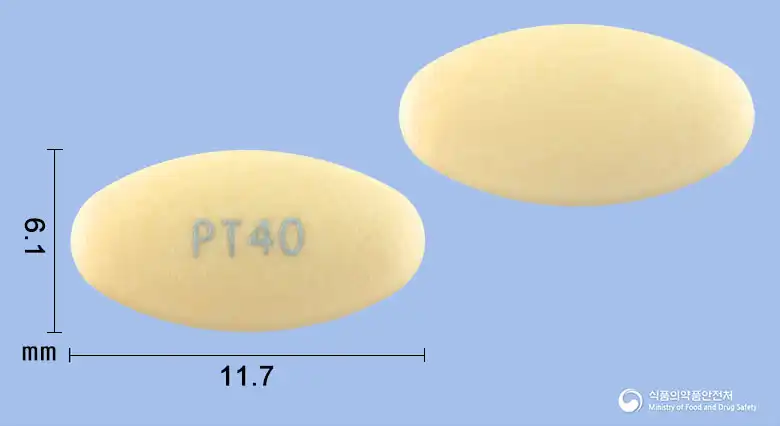
Pantoprazole Sodium Sesquihydrate 45.1mg
Tablet · Prescription medication
Dong-A ST Co., Ltd.
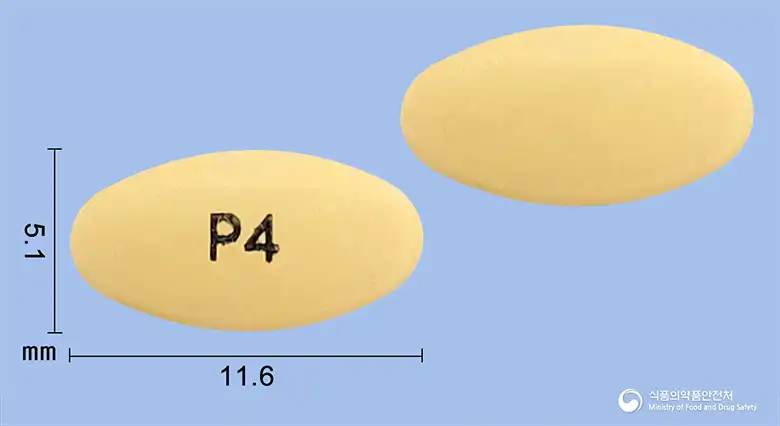
Pantoprazole Sodium Sesquihydrate 45.1mg
Tablet · Prescription medication
Youngjin Pharmaceutical Co., Ltd.
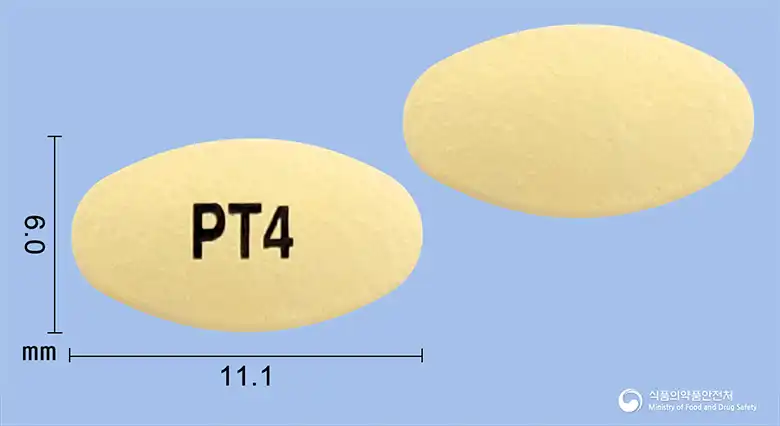
Pantoprazole Sodium Sesquihydrate 45.1mg
Tablet · Prescription medication
Albozen Korea Co., Ltd.
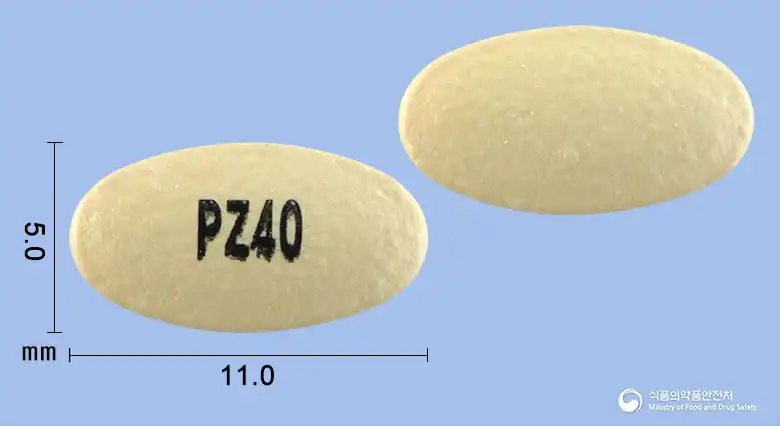
Pantoprazole Sodium Sesquihydrate 45.1mg
Tablet · Prescription medication
Daewoo Pharmaceutical Co., Ltd.
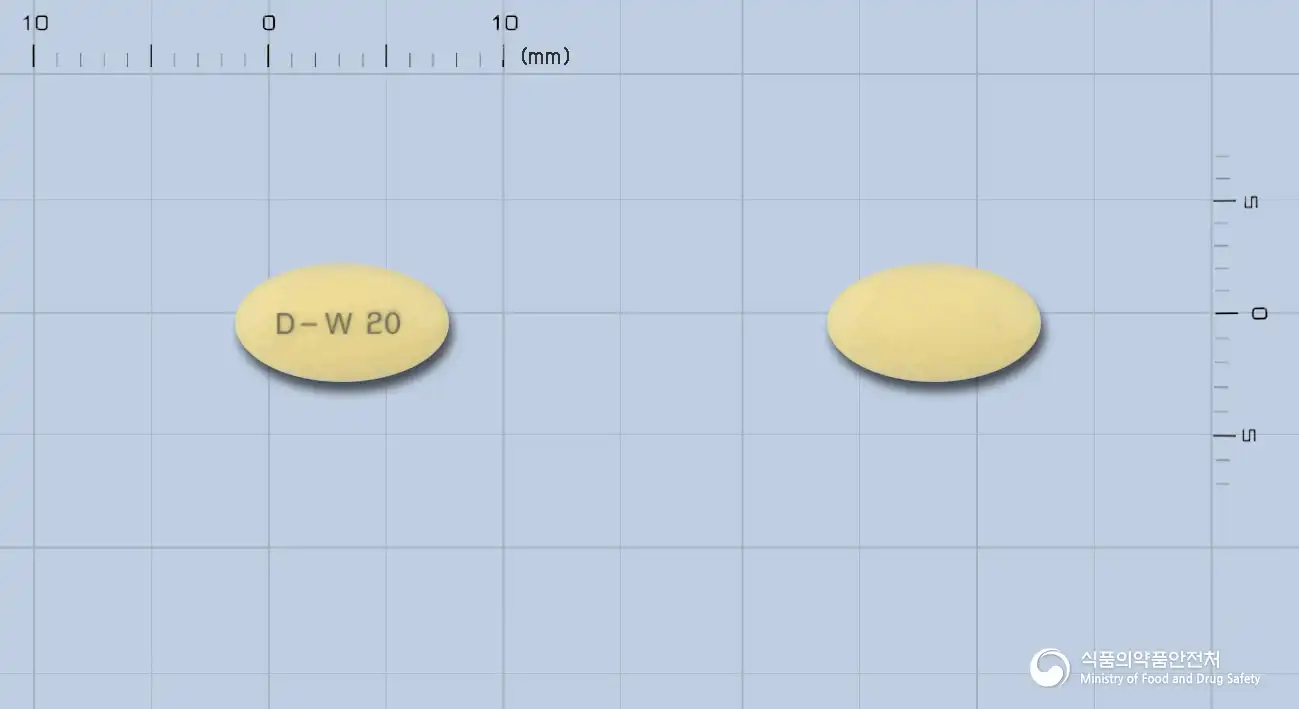
Pantoprazole Sodium Sesquihydrate 22.6mg
Tablet · Prescription medication
Dongwha Pharm Co., Ltd.
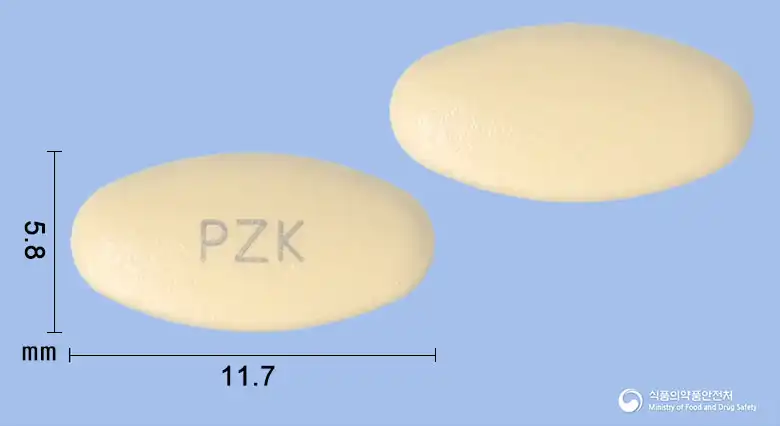
Pantoprazole Sodium Sesquihydrate 45.1mg
Tablet · Prescription medication
Genewon Sciences Co., Ltd.
Even with the same ingredient, the dose and directions can differ by strength and dosage form. Talk to a doctor or pharmacist before switching from a medication you are already taking.
No questions yet.
For anything that needs medical judgment, consult a doctor or pharmacist.
This drug information is based on data provided by the Korea Ministry of Food and Drug Safety.
Consult a doctor or pharmacist for accurate dosage, administration, and usage instructions.