
 한국어
 English
 日本語
 中文(简体)
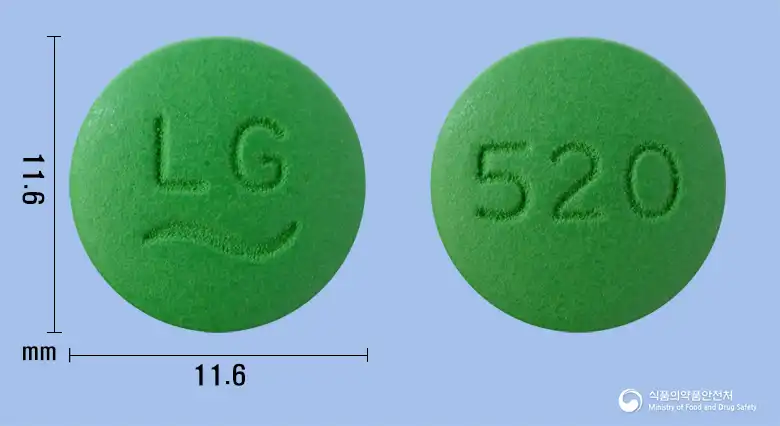 Viewing nowCombination
Jemirose 50/20 mg
Gemigliptin Tartrate Sesquihydrate 68.9mg · Rosuvastatin Calcium Micronized 20.8mg
Tablet · Prescription medication · Combination
LG Chem, Ltd.
MFDS item code 201706397 · Approved 2017.07.31 · Insurance code 668903200
Alternative combination therapy for patients receiving gemigliptin and rosuvastatin concomitantly
This medication is used as a combination replacement therapy for patients who need to be treated with both gemigliptin tartaric acid and rosuvastatin calcium.
This medicine is for use in adults only. For convenience, patients taking gemigliptin and rosuvastatin concomitantly may switch to this medicine (a combination product containing the same amounts of each active ingredient) and take it once daily.
This medication should not be used in certain patients. For example, patients who are allergic to this medication or its components, patients with type 1 diabetes, patients with severe liver dysfunction, patients with muscle diseases, and women who are pregnant or breastfeeding should not be administered this medication. Additionally, this medication is not recommended for patients with significantly reduced kidney function or those taking certain immunosuppressants. Women who may become pregnant should use appropriate contraception and this medication should only be administered after considering the risks to the fetus. Patients currently taking other diabetes medications such as sulfonylureas, patients with heart failure, patients with impaired liver function, or patients with a history of acute pancreatitis should be administered with caution. Muscle pain or weakness may occur, so if any muscle-related symptoms arise, the doctor should be notified immediately and an examination should be conducted. In particular, the risk of muscle damage may increase when taking high doses. This medication may also affect liver function, so it is important to have regular liver function tests before and during treatment. Moreover, this medication may interact with other drugs, so if you are taking other medications, you must inform your doctor or pharmacist. It is safe for pregnant or breastfeeding women to avoid taking this medication, and its safety in children and adolescents has not been established. For elderly patients, liver and kidney function may be compromised, so careful monitoring and cautious administration are necessary. There is no specific antidote for overdose, and appropriate treatment should be received based on the symptoms. Finally, although this medication is known not to significantly affect driving or operating machinery, caution is advised due to potential symptoms such as dizziness.
Diarrhea, dyspepsia, gastritis, pharyngitis, hyperglycemia, musculoskeletal pain, facial paralysis, ear and labyrinth disorders, sudden hearing loss, muscle spasms, cholelithiasis, polyuria, arthralgia, bacteriuria, upper respiratory tract infection, increased serum amylase levels, increased lipase levels, fever, urinary tract infection, hypoglycemia, dizziness, nausea, constipation, headache, back pain, increased serum CPK levels, bullous pemphigoid, acute pancreatitis, chronic obstructive pulmonary disease, asthma exacerbation, dyspnea, fatigue, chest pain, angina, soft tissue infection, intracranial hemorrhage, systemic weakness, intragastric air retention, gastric ulcer, gum swelling, dental disease, periodontitis, polyneuropathy, sensory disturbances, eye twitching, neuralgia, spinal stenosis, phlegm disorders, sinusitis, rash, fungal dermatitis, eczema, urticaria, seborrheic dermatitis, skin disease, hepatitis, increased gamma-GT, fatty liver, electrolyte imbalance, skeletal pain, osteoporosis, osteoarthritis, ligament disorders, cystitis, increased serum creatinine, acute renal failure, proteinuria, neurogenic bladder, urethral stenosis, motion sickness, unspecified ear disorders, tinnitus, glaucoma, allergic conjunctivitis, loss of appetite, anemia, folate deficiency, iron deficiency anemia, palpitations, arrhythmias, hypertension exacerbation, increased blood pressure, insomnia, increased ALT, increased AST, itching, rash and urticaria, myalgia, myopathy, rhabdomyolysis, weakness, immune-mediated necrotizing myopathy, thrombocytopenia, jaundice, Stevens-Johnson syndrome, eosinophilia and drug reaction syndrome with systemic symptoms, lupus-like syndrome, muscle rupture, arthralgia, hematuria, edema, depression, sleep disorders, interstitial lung disease, sexual dysfunction, gynecomastia, fatal and non-fatal liver failure, acute renal failure, oliguria
Not everyone experiences these, and they can vary from person to person.
This medication is sensitive to light, so it should be stored in an opaque container. Additionally, to maintain the effectiveness of the medication, it is important to store it at room temperature between 1 degree and 30 degrees Celsius.
Dark green round film-coated tablet
56 tablets (14 tablets/PTP x 4), 28 tablets (14 tablets/PTP x 2)
Even with the same ingredient, strength, dosage form and how it is taken can differ.
Viewing nowCombinationGemigliptin Tartrate Sesquihydrate 68.9mg · Rosuvastatin Calcium Micronized 20.8mg
Tablet · Prescription medication · Combination
LG Chem, Ltd.
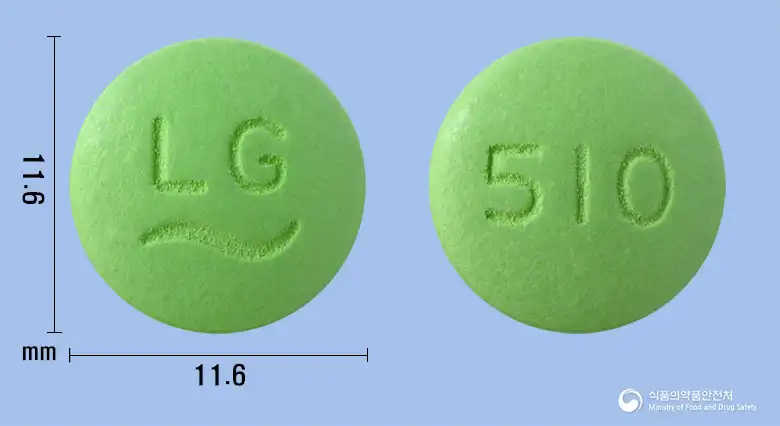 Combination
Gemigliptin Tartrate Sesquihydrate 68.9mg · Rosuvastatin Calcium Micronized 10.4mg
Tablet · Prescription medication · Combination
LG Chem, Ltd.
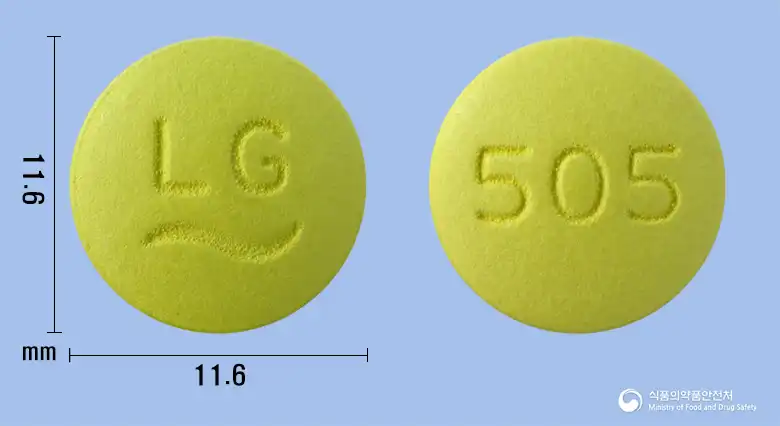 Combination
Gemigliptin Tartrate Sesquihydrate 68.9mg · Rosuvastatin Calcium Micronized 5.2mg
Tablet · Prescription medication · Combination
LG Chemical Co., Ltd.
Even with the same ingredient, the dose and directions can differ by strength and dosage form. Talk to a doctor or pharmacist before switching from a medication you are already taking.
No questions yet.
For anything that needs medical judgment, consult a doctor or pharmacist.
This drug information is based on data provided by the Korea Ministry of Food and Drug Safety.
Consult a doctor or pharmacist for accurate dosage, administration, and usage instructions.