
 한국어
 English
 日本語
 中文(简体)
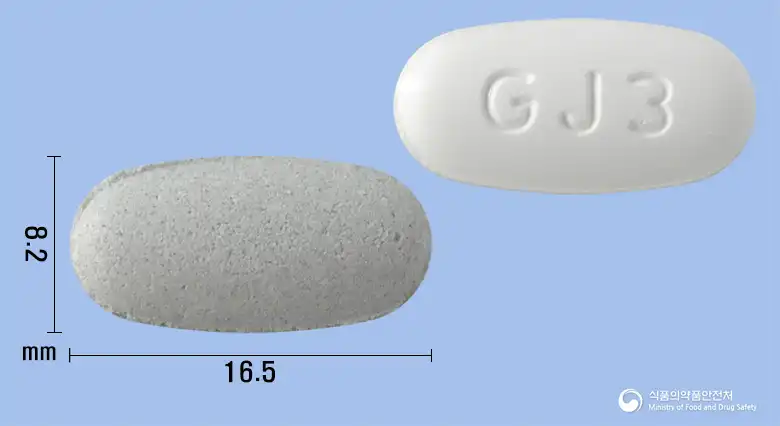 Viewing nowCombination
TwinTel Tablet 80/5mg
Telmisartan Powder 23.9% 334.72mg · Telmisartan 80mg +1 more
Tablet · Prescription medication · Combination
Gooju Pharmaceutical Co., Ltd.
MFDS item code 201706197 · Approved 2017.07.26 · Insurance code 669804920
Treatment of essential hypertension not controlled with monotherapy
This medication is used for patients with essential hypertension who do not adequately control blood pressure with monotherapy of amlodipine or telmisartan. Specifically, it is used in combination therapy when blood pressure control is difficult with a single drug treatment, to manage blood pressure more effectively. This helps maintain stable blood pressure and reduces the risk of cardiovascular diseases.
The recommended dose of this medicine is 1 tablet once daily, taken with water regardless of meals. It is recommended to take it at the same time each day, if possible (e.g., in the morning). Before starting this medicine, it is recommended to adjust the dose using the individual components (amlodipine or telmisartan); however, if blood pressure is not controlled with the individual components as follows, switching directly to this medicine may be considered. - 40/5 mg: Administer to patients whose blood pressure is not adequately controlled with amlodipine 5 mg or telmisartan 40 mg. - 80/5 mg: Administer to patients whose blood pressure is not adequately controlled with amlodipine 5 mg or this medicine at 40/5 mg. - 40/10 mg: Administer to patients whose blood pressure is not adequately controlled with amlodipine 10 mg. ◦ Patients with renal impairment: No dose adjustment is necessary in patients with mild or moderate renal impairment; however, in patients with severe renal impairment, it is recommended to start treatment at a low dose and increase the dose gradually. Periodic monitoring of serum potassium and creatinine levels is also recommended. Telmisartan is not removed by hemodialysis. ◦ Patients with hepatic impairment: The daily dose of telmisartan should not exceed 40 mg in patients with mild or moderate hepatic impairment. ◦ Elderly patients: The usual amlodipine regimen is recommended for elderly patients, but caution should be exercised when increasing the dose (see section ‘3. Administration with caution in the following patients’). In patients aged 75 years or older, amlodipine clearance is reduced; therefore, start treatment at a low dose and increase the dose gradually.
Pediatric patients 18 years of age or younger: The use of this medicine is not recommended because its safety and efficacy have not been established.
This medication can pose serious risks to the fetus, especially in the second and third trimesters, and should not be taken by women who are pregnant or may become pregnant. It is contraindicated in patients with allergies to the ingredients, severely impaired liver function, obstructive biliary disease, severe hypotension, and acute heart-related diseases. Patients with weakened liver function, gastrointestinal diseases, impaired kidney function, the elderly, etc., should use this medication cautiously, and dosage adjustments may be required. Side effects such as dizziness, edema, and hypotension may occur during treatment, so caution is needed, and if adverse symptoms are severe, immediate consultation with healthcare providers is necessary. Because it can suddenly lower blood pressure, patients, especially those who are depleted of fluids or salt, should be cautious, as hypotension symptoms may occur at the start of treatment. This medication may interact with some other medicines, so if you are taking other medications, be sure to inform your healthcare provider. Breastfeeding women should not take this medication, and if they become pregnant while using it, they should stop immediately and receive alternative treatment. It is not recommended for children under 18 years of age due to the insufficient establishment of safety and efficacy. In case of overdose, severe hypotension or heart problems may occur, so be careful not to exceed the dose, and seek immediate medical assistance if any abnormal symptoms arise. This medication should be stored out of reach of children and it is advisable not to open the packaging until immediately before administration.
Dizziness, peripheral edema, syncope, upper respiratory tract infection, pharyngitis, sinusitis, urinary tract infection, cystitis, sepsis, anemia, thrombocytopenia, eosinophilia, leukopenia, hypersensitivity, anaphylactic reaction, hyperkalemia, hypoglycemia, hyponatremia, hyperglycemia, depression, insomnia, anxiety, confusion, drowsiness, headache, migraine, sensory disturbances, sensory loss, taste disturbances, tremors, extrapyramidal disorders, hypertonia, visual disturbances, diplopia, vertigo, tinnitus, palpitations, bradycardia, tachycardia, myocardial infarction, ventricular tachycardia, arrhythmia, atrial fibrillation, flushing, hypotension, orthostatic hypotension, vasculitis, cough, dyspnea, rhinitis, change in bowel habits, diarrhea, constipation, abdominal pain, dyspepsia, nausea, vomiting, dry mouth, gingival hypertrophy, abdominal discomfort, pancreatitis, gastritis, liver dysfunction, hepatic disorder, hepatitis, jaundice, elevated liver enzymes, pruritus, hyperhidrosis, rash, hair loss, purpura, skin discoloration, eczema, erythema, angioedema, toxic dermal eruption, drug rash, urticaria, erythema multiforme, exfoliative dermatitis, Stevens-Johnson syndrome, photosensitivity reaction, joint swelling, muscle cramps, arthralgia, myalgia, low back pain, limb pain, tendon pain, renal dysfunction, urinary disorders, polyuria, nocturia, erectile dysfunction, gynecomastia, edema, asthenia, fatigue, chest pain, malaise, influenza-like illness, elevated liver enzymes, increased blood creatinine, weight gain, weight loss, elevated blood uric acid, increased blood creatine phosphokinase, decreased hemoglobin, interstitial lung disease, interstitial pneumonia, eosinophilic pneumonia, hepatocellular carcinoma, cerebral infarction, congestive heart failure, musculoskeletal pain, neck pain, nasopharyngitis, upper abdominal discomfort, upper abdominal pain, positional dizziness, hypotension, tachycardia, acute renal failure, excessive peripheral vasodilation, reflex tachycardia, systemic hypotension, shock state, shock, delayed-type non-cardiogenic pulmonary edema
Not everyone experiences these, and they can vary from person to person.
This medication is sensitive to light and should be stored in a container that does not allow light in. It is safe to store at room temperature between 1 degree and 30 degrees Celsius. Therefore, it is important to avoid direct sunlight until the medication is used and not to keep it in extremely hot or cold places.
<For domestic use> This is a bi-convex oval double tablet that is white and light gray. <For export> This is a rectangular tablet that is white or off-white.
30 tablets (10 tablets/PTP*3)
Even with the same ingredient, strength, dosage form and how it is taken can differ.
Viewing nowCombinationTelmisartan Powder 23.9% 334.72mg · Telmisartan 80mg +1 more
Tablet · Prescription medication · Combination
Gooju Pharmaceutical Co., Ltd.
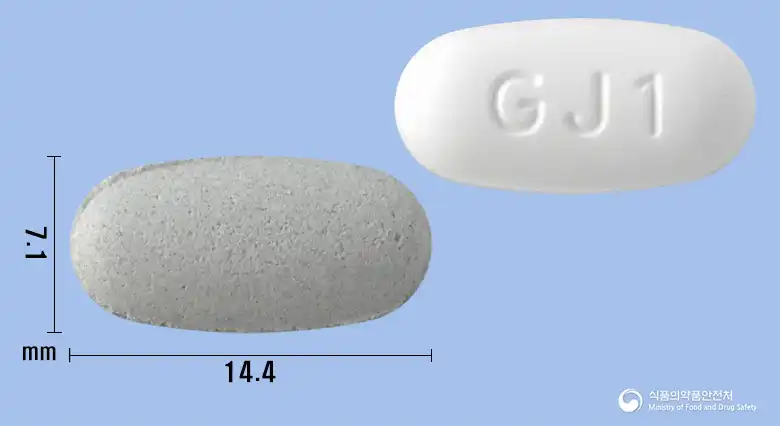 Combination
Telmisartan Powder 23.9% 167.36mg · Telmisartan 40mg +1 more
Tablet · Prescription medication · Combination
Kujoo Pharmaceutical Co., Ltd.
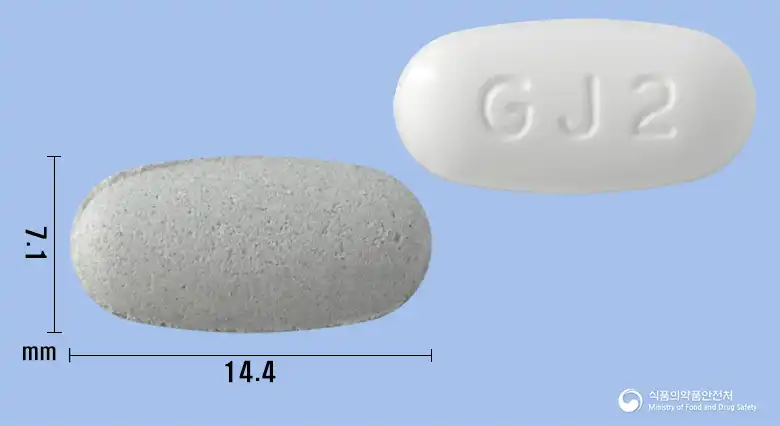 Combination
Telmisartan Powder 23.9% 167.36mg · Telmisartan 40mg +1 more
Tablet · Prescription medication · Combination
Gujoo Pharmaceutical Co., Ltd.
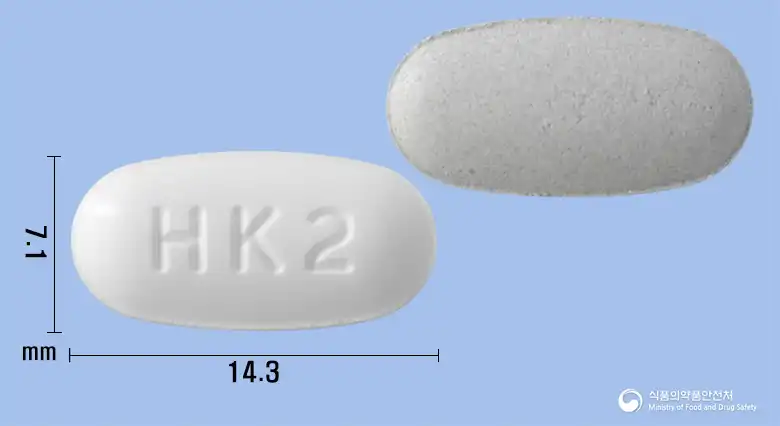 Combination
Telmisartan 167.36mg · Telmisartan Powder 23.9% 167.36mg +1 more
Tablet · Prescription medication · Combination
Korea Chorus Co., Ltd.
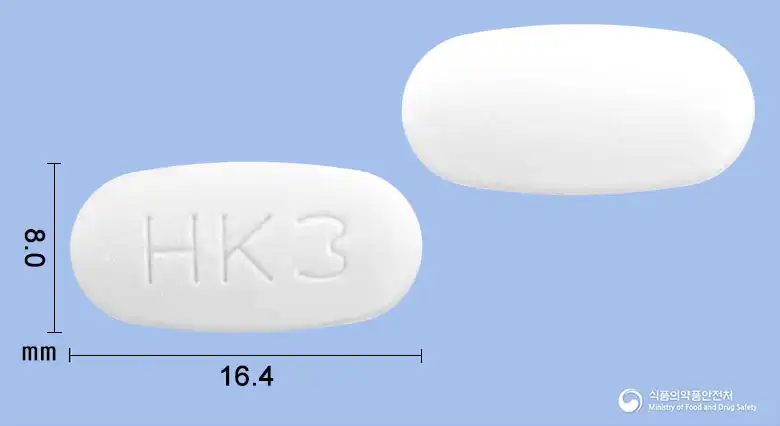 Combination
Telmisartan 80mg · Telmisartan Powder 23.9% 334.72mg +1 more
Tablet · Prescription medication · Combination
Korea Chorus Co., Ltd.
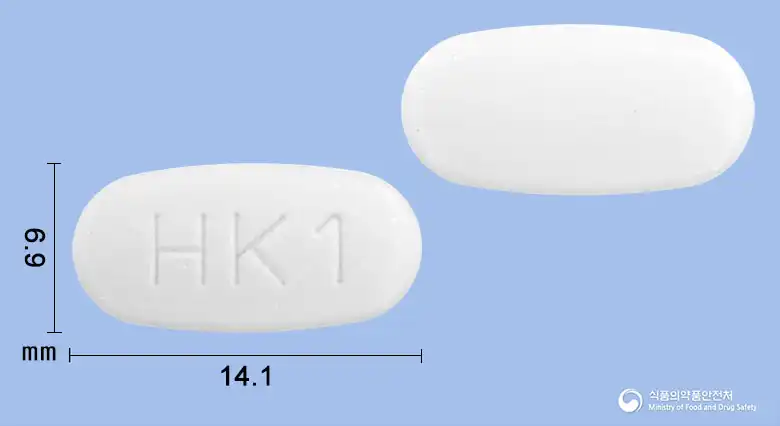 Combination
Telmisartan 40mg · Telmisartan Powder 23.9% 167.36mg +1 more
Tablet · Prescription medication · Combination
Korea Chorus Co., Ltd.
Even with the same ingredient, the dose and directions can differ by strength and dosage form. Talk to a doctor or pharmacist before switching from a medication you are already taking.
No questions yet.
For anything that needs medical judgment, consult a doctor or pharmacist.
This drug information is based on data provided by the Korea Ministry of Food and Drug Safety.
Consult a doctor or pharmacist for accurate dosage, administration, and usage instructions.