
 한국어
 English
 日本語
 中文(简体)
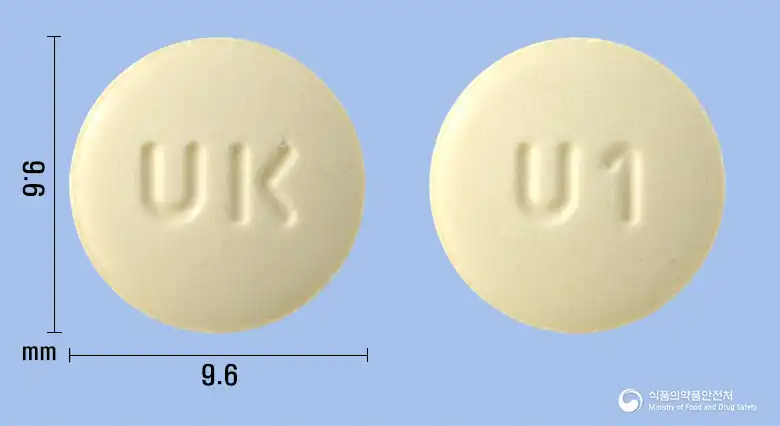 Viewing now
Univas Tablet 75mg (Naftopidil)
Naftopidil 75mg
Tablet · Prescription medication
Korea Union Pharmaceutical Co., Ltd.
MFDS item code 201706188 · Approved 2017.07.26
Improvement of urinary symptoms caused by benign prostatic hyperplasia
This medication is used to improve urinary disorders caused by benign prostatic hyperplasia.
In adults, start treatment with naftopidil at 25 mg once daily. If the effect is insufficient, gradually increase the dose to 50–75 mg at intervals of 1–2 weeks, and administer orally once daily after a meal. The dose may be adjusted as appropriate according to symptoms, but the maximum daily dose is 75 mg.
This medication should not be used in patients who have had allergic reactions to any of its components. Furthermore, since it contains lactose, it should not be administered to patients with lactose intolerance, hereditary lactose deficiency, or glucose-galactose malabsorption. Caution should be exercised in patients with compromised liver function, serious heart or cerebrovascular conditions, and in the elderly. Particularly in the elderly, medication elimination may be delayed due to decreased liver function, necessitating careful monitoring. If taken in conjunction with other antihypertensive medications, caution must be exercised as blood pressure may become excessively low. Patients with orthostatic hypotension should also be careful when using this medication. While taking this medication, symptoms such as dizziness, lightheadedness, or reduced blood pressure may occur; if these symptoms appear, immediate consultation with a physician is required. Serious side effects such as liver dysfunction, jaundice, or loss of consciousness may also occur; if any abnormal symptoms arise, discontinue use and seek appropriate treatment. This medication may cause severe hypotension in cases of overdose, so it is important to adhere to the prescribed dosage. Care should be taken during the initial dosing period or when suddenly increasing the dose, as symptoms of dizziness or orthostatic hypotension may occur; it is advisable to avoid hazardous tasks or driving. Keep out of reach of children and take the medication from the packaging. Swallowing the packaging may damage the esophageal mucosa, so caution is necessary. This medication is a symptomatic treatment, and if symptoms do not improve, alternative treatment methods should be considered. There may be interactions with other medications, so it is crucial to inform your physician or pharmacist if you are taking other medications.
Not everyone experiences these, and they can vary from person to person.
This medication is light-sensitive and should be stored in a container that prevents light exposure. Additionally, it is best stored at room temperature, between 1°C and 30°C, to maintain the medication's efficacy and safety.
Yellowish-white to light yellow circular tablets
30 tablets/bottle, 300 tablets/bottle
Even with the same ingredient, strength, dosage form and how it is taken can differ.
Viewing nowNaftopidil 75mg
Tablet · Prescription medication
Korea Union Pharmaceutical Co., Ltd.
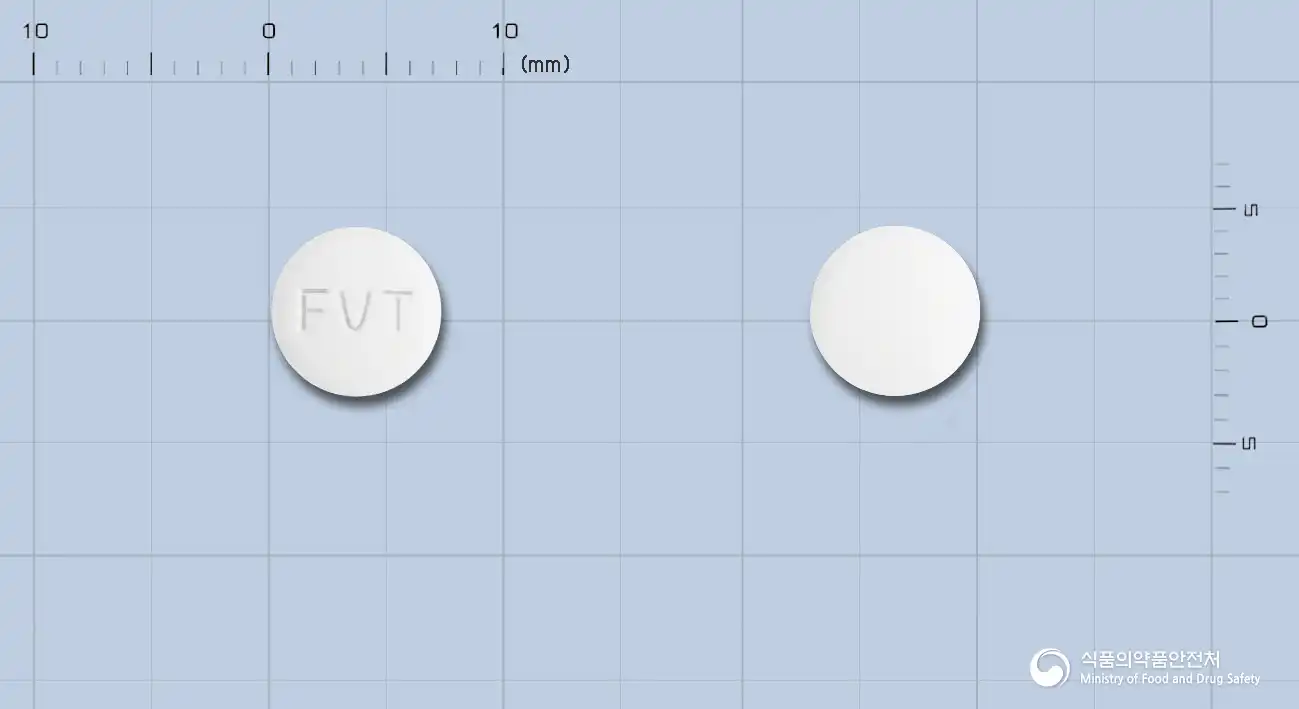
Naftopidil 25mg
Tablet · Prescription medication
Dong-A ST Co., Ltd.

Naftopidil 75mg
Tablet · Prescription medication
Dong-A ST Co., Ltd.

Naftopidil 50mg
Tablet · Prescription medication
Dong-A ST Co., Ltd.
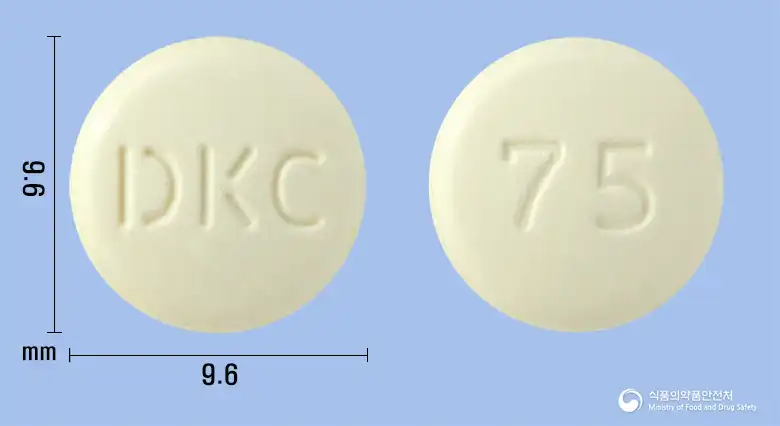
Naftopidil 75mg
Tablet · Prescription medication
Dongku Bio Pharmaceutical Co., Ltd.
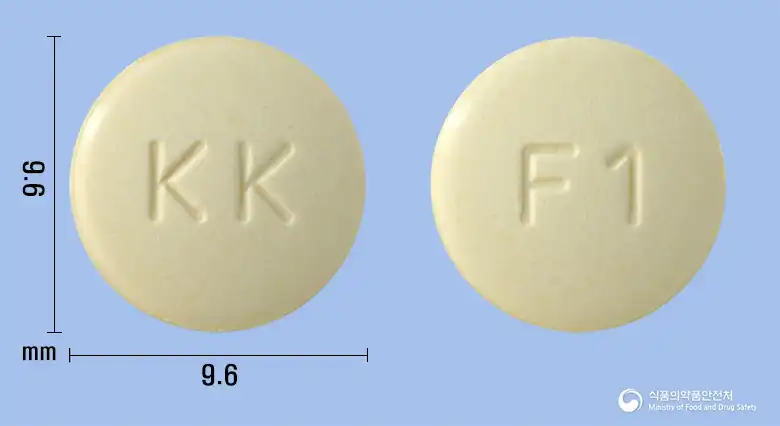
Naftopidil 75mg
Tablet · Prescription medication
Genewon Science Co., Ltd.
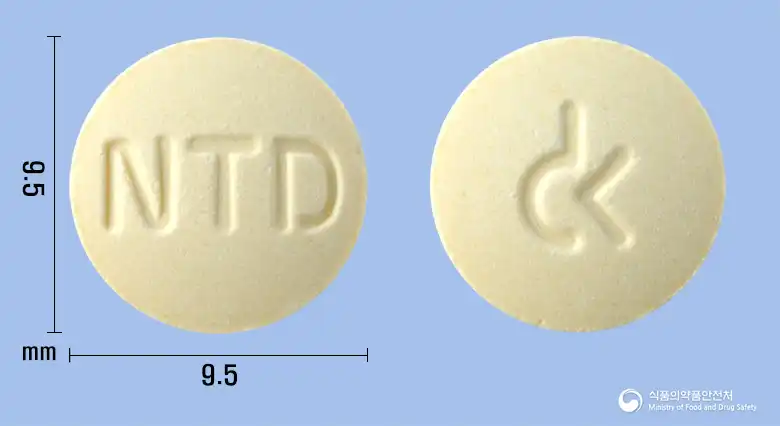
Naftopidil 75mg
Tablet · Prescription medication
Dongkuk Pharmaceutical Co., Ltd.
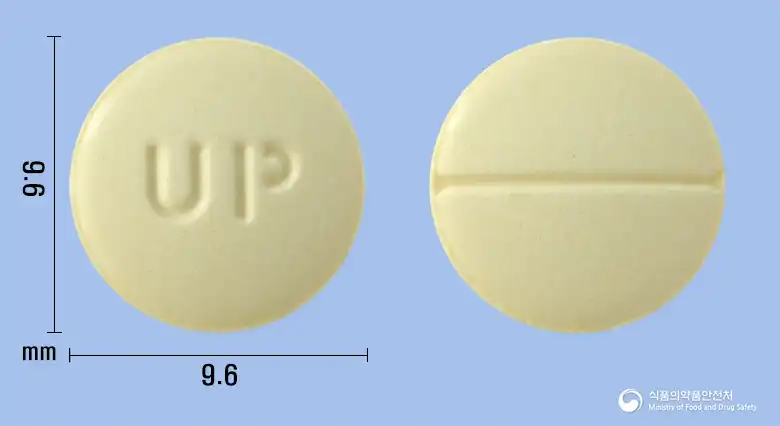
Naftopidil 75mg
Tablet · Prescription medication
Genupharm Co., Ltd.
Even with the same ingredient, the dose and directions can differ by strength and dosage form. Talk to a doctor or pharmacist before switching from a medication you are already taking.
No questions yet.
For anything that needs medical judgment, consult a doctor or pharmacist.
This drug information is based on data provided by the Korea Ministry of Food and Drug Safety.
Consult a doctor or pharmacist for accurate dosage, administration, and usage instructions.