
 한국어
한국어 English
 日本語
日本語 中文(简体)
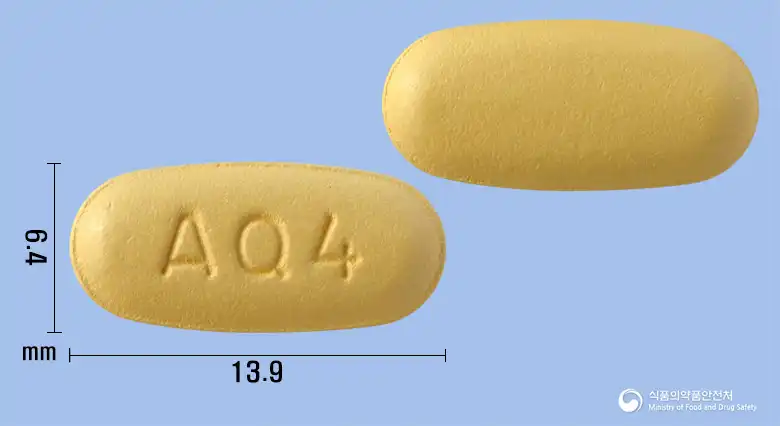 Viewing nowCombination
Amosartan Q Tablets 5/100/5 mg (Amlodipine, Losartan, Rosuvastatin)
Amlodipine Camsylate 7.84mg · Rosuvastatin Calcium 5.2mg +1 more
Tablet · Prescription medication · Combination
Hanmi Pharmaceutical Co., Ltd.
MFDS item code 201705687 · Approved 2017.07.14 · Insurance code 643507870
(Hypertension, hyperlipidemia) Effect of reducing the risk of cardiovascular disease through blood pressure and cholesterol control
This medication is used for patients who need to take amlodipine/losartan combination therapy along with rosuvastatin. The amlodipine/losartan combination is suitable for the initial treatment of patients with essential hypertension who find it difficult to control blood pressure with monotherapy or for stage 2 hypertension patients. On the other hand, rosuvastatin is used as an adjunct in cases of hypercholesterolemia and mixed dyslipidemia, especially when diet alone does not control it, and helps delay the progression of atherosclerosis. Additionally, this medication is effective in reducing the risk of stroke, myocardial infarction, and vascular revascularization in high-risk cardiovascular patients. Therefore, this medication is used to improve the treatment of patients with both hypertension and hypercholesterolemia.
This medication is administered only to adults, and the dosage should be individualized based on the efficacy and tolerability of amlodipine/losartan combination therapy and rosuvastatin for each patient. ○ Amlodipine/Losartan Combination The recommended dose of the amlodipine/losartan combination is 1 tablet once daily for adults, taken with water without regard to meals. Typically, this medication 5/50 mg is administered once daily, and if blood pressure remains uncontrolled after two weeks of treatment, it may be increased.
This medication can cause serious harm to the fetus if taken during pregnancy, especially in the second and third trimesters, so pregnant women or women who may become pregnant should not take it. Patients with low blood volume, such as those taking diuretics, need to be careful when initially using this medication, as there is a risk of too low blood pressure. Patients allergic to any component of this medication, those with certain genetic disorders, or those with severe liver or kidney dysfunction should avoid taking it. Elderly patients, those with hyperkalemia, liver or heart problems, and those with a history of myopathy should use this medication cautiously and may require regular monitoring. This medication can cause muscle pain, muscle weakness, and rarely serious muscle damage. If any unusual symptoms occur in the muscles, consult a doctor immediately. This medication may affect liver function; therefore, regular liver function tests should be conducted, and if symptoms of liver damage occur, discontinue use immediately. Interactions may occur when taken with other drugs. It is essential to inform the healthcare provider of all medications being taken, especially caution is needed with potassium-sparing diuretics, specific antibiotics, antifungals, and immunosuppressants. Pregnant or breastfeeding women should not take this medication, and if breastfeeding, it should be discussed with medical personnel since it can be passed into breast milk. While using this medication, blood pressure, kidney function, electrolyte levels, etc., should be monitored regularly to check for abnormalities, and any changes in symptoms should be reported to healthcare providers immediately. Additionally, this medication contains lactose, so patients with lactose intolerance should not take it, and it is advisable to avoid alcohol while taking this medication.
Hives, severe swelling (edema), chest tightness, difficulty breathing, cold sweat, pallor (severe allergic reaction), severe rash with fever, blisters, skin peeling, pain in oral/ocular mucosa (severe skin adverse reactions), shortness of breath or difficulty breathing, asthma attack, breathing difficulties accompanied by cough and fever (respiratory issues), yellowing of skin or eyes (jaundice), extreme lethargy (liver dysfunction (jaundice)), thyroid disorder
Not everyone experiences these, and they can vary from person to person.
Store this medication in a tightly sealed container protected from air and moisture. It is essential to maintain a storage temperature between 1 and 30 degrees Celsius.
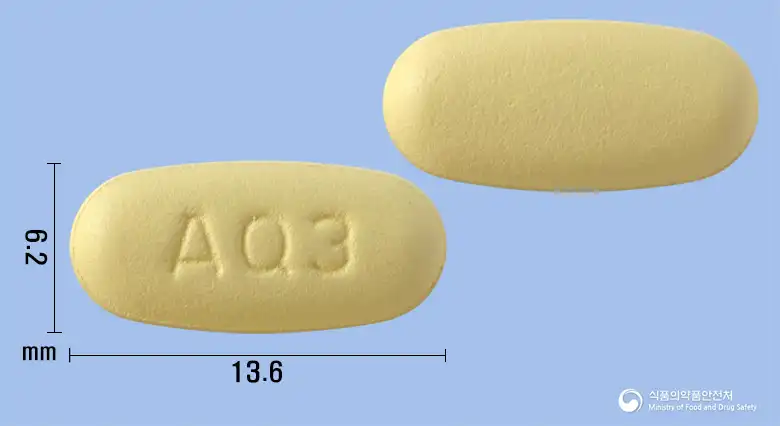
Pale yellow-brown oval film-coated tablets
30 tablets/bottle, 100 tablets/bottle, 30 tablets/box [10 tablets/PTPx3]
Even with the same ingredient, strength, dosage form and how it is taken can differ.
Viewing nowCombinationAmlodipine Camsylate 7.84mg · Rosuvastatin Calcium 5.2mg +1 more
Tablet · Prescription medication · Combination
Hanmi Pharmaceutical Co., Ltd.
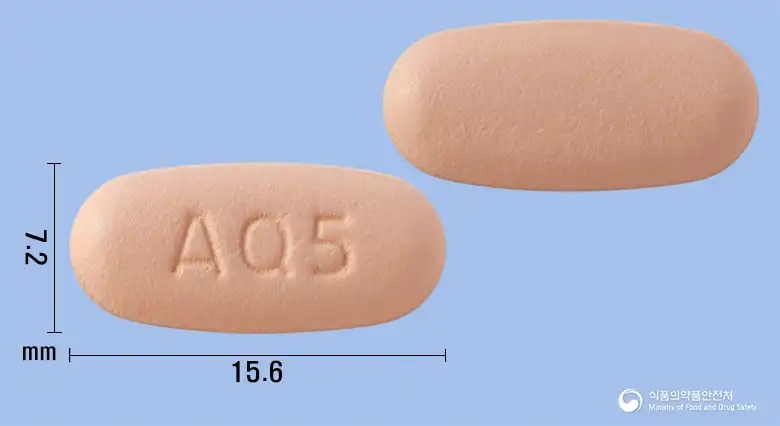 Combination
Amlodipine Camsylate 7.84mg · Rosuvastatin Calcium 10.4mg +1 more
Tablet · Prescription medication · Combination
Hanmi Pharmaceutical Co., Ltd.
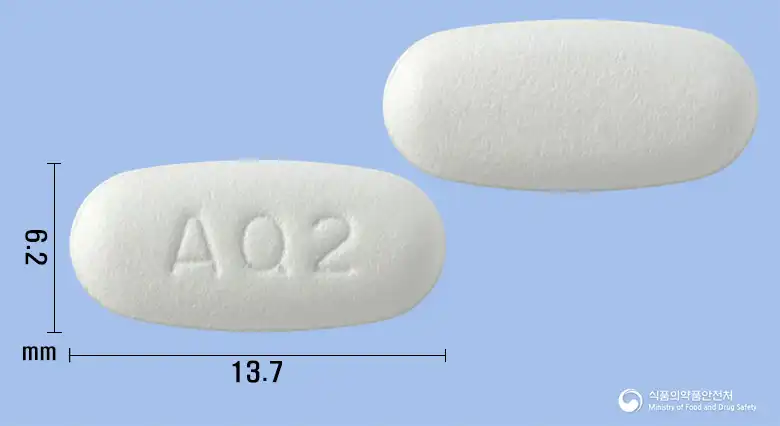 Combination
Amlodipine Camsylate 7.84mg · Rosuvastatin Calcium 10.4mg +1 more
Tablet · Prescription medication · Combination
Hanmi Pharmaceutical Co., Ltd.
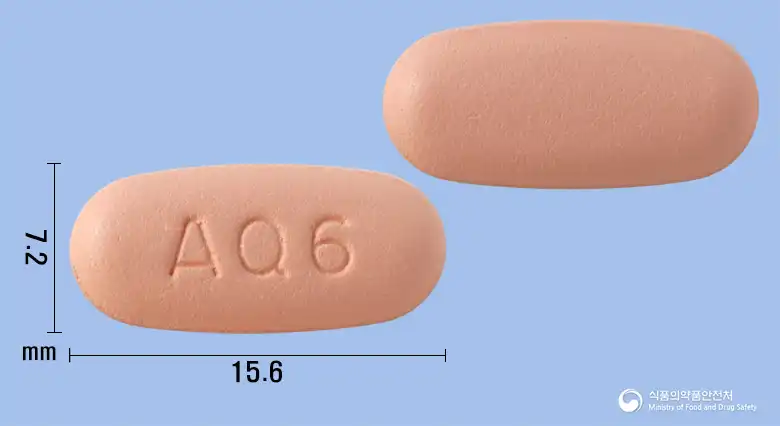 Combination
Amlodipine Camsylate 7.84mg · Rosuvastatin Calcium 20.8mg +1 more
Tablet · Prescription medication · Combination
Hanmi Pharmaceutical Co., Ltd.
 Combination
Amlodipine Camsylate 7.84mg · Rosuvastatin Calcium 5.2mg +1 more
Tablet · Prescription medication · Combination
Hanmi Pharmaceutical Co., Ltd.
 Combination
Amlodipine Camsylate 7.84mg · Rosuvastatin Calcium 20.8mg +1 more
Tablet · Prescription medication · Combination
Hanmi Pharmaceutical Co., Ltd.
Even with the same ingredient, the dose and directions can differ by strength and dosage form. Talk to a doctor or pharmacist before switching from a medication you are already taking.
No questions yet.
For anything that needs medical judgment, consult a doctor or pharmacist.
This drug information is based on data provided by the Korea Ministry of Food and Drug Safety.
Consult a doctor or pharmacist for accurate dosage, administration, and usage instructions.