Medication info

Skela Tablet

Prescription medicationTablet경구Approval withdrawn
Ingredient · strength
Angelica Gigas Root·Chaenomelis Fructus·Saposhnikovia Root·Dipsaci Radix·Acanthopanax Root Bark·Achyranthes Root·Clematidis Radix·Cinnamon Bark·Gentianae Macrophyllae Radix·Cnidium Rhizome·Gastrodia Rhizome·Safflower 25% Ethanol Soft Extract (3.5→1)›405.4mg / 1 tablet
Manufacturer / importer
(주)바이넥스
Appearance
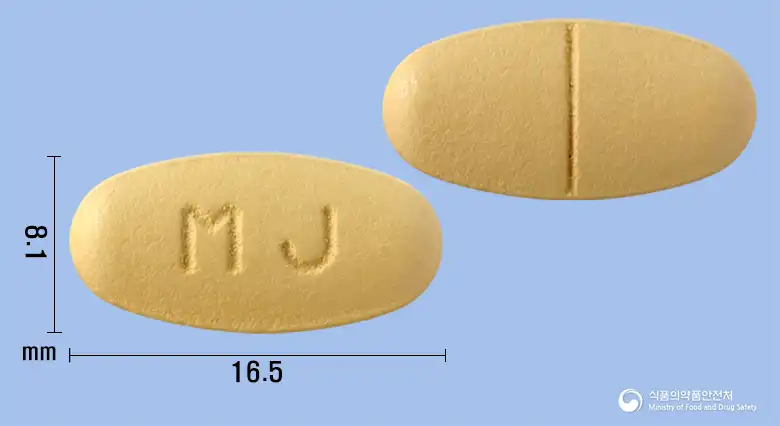
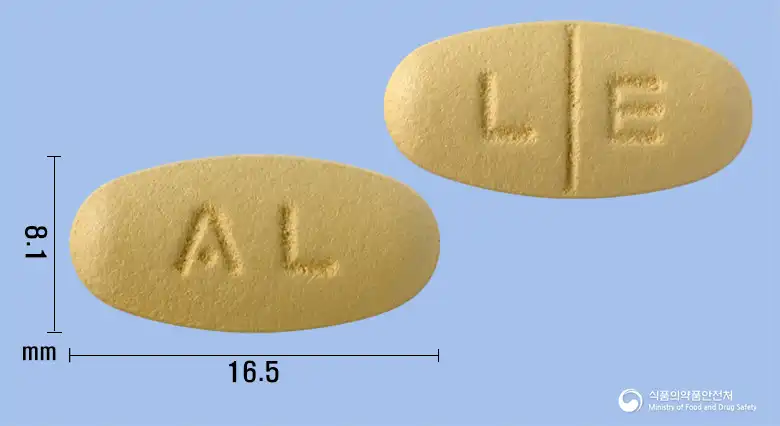
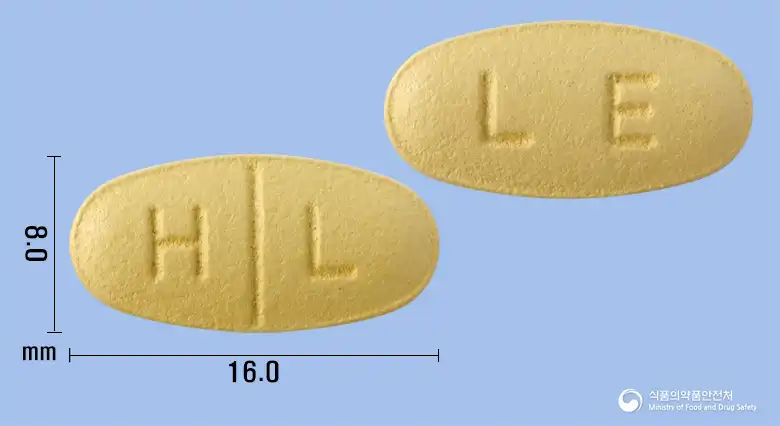
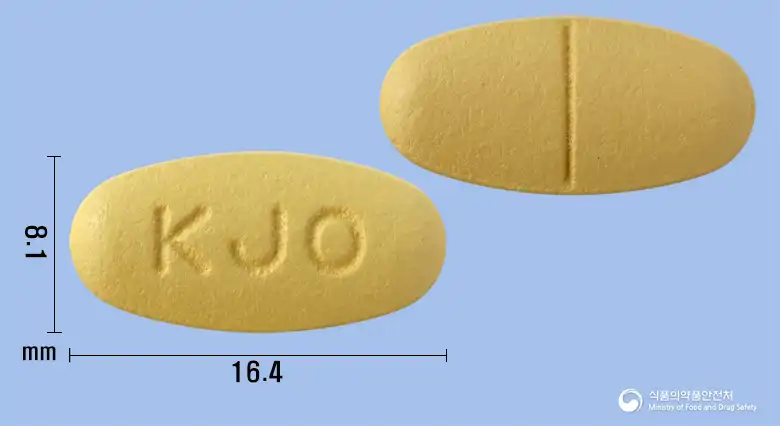
Yellow oval film-coated tablets
Packaging
30 tablets/bottle, 300 tablets/bottle
Approval status
Approval withdrawn

MFDS item code 201705509 · Approved 2017.07.11

This product's status changed to Approval withdrawn on 2025.03.11. It may no longer be sold, so consult a doctor or pharmacist before taking it.

Summary

Main use
Symptomatic relief of osteoarthritis
Who takes it
Adults
Adult dose
Adults take 1 tablet, twice a day

Ingredients

Manufacturer
(주)바이넥스

Efficacy & effects

Symptomatic relief of osteoarthritis

  • Symptoms of osteoarthritis
View approved original text

Osteoarthritis is a disease that causes wear of the cartilage in the joints leading to pain and limited movement. This medication helps relieve pain and inflammation caused by osteoarthritis. It improves joint mobility and reduces discomfort in daily life. Regular use may aid in maintaining joint function. Therefore, it is used for the relief of osteoarthritis symptoms.

How to take

Adult dose

Adults take 1 tablet, twice a day

Precautions

This medication should not be administered to certain patients. Patients with a history of allergy or hypersensitivity to this medication or its components, patients with peptic ulcers, patients with severe cardiovascular diseases, and patients with severely impaired liver or kidney function should not use this medication. Additionally, patients who have previously shown allergic reactions to similar medications, pregnant women or women who may become pregnant, and patients allergic to soybean oil, soy, or peanuts should not take this medication. This medication should be used cautiously in some patients. Patients with a history of peptic ulcers, cardiovascular diseases, liver or kidney disorders, bronchial asthma, and those taking psychotropic drugs should be particularly careful when using this medication. Furthermore, patients with lipid metabolism disorders such as hyperlipidemia, diabetic dyslipidemia, and pancreatitis should also be given this medication cautiously. While taking this medication, gastrointestinal symptoms such as heartburn, indigestion, dry mouth, nausea, and diarrhea may occur. Abnormal reactions such as facial or generalized swelling, fatigue, and leukopenia observed in blood tests have also been reported. Rarely, headache, upper respiratory infections, and blurred vision may occur. Patients who take this medication for a long time or on a regular basis need regular tests for liver function, kidney function, and blood testing, and must immediately consult a doctor if abnormal symptoms occur. In particular, if heartburn or swelling symptoms occur, greater caution should be exercised, and frequent alcohol consumption may increase the risk of gastrointestinal bleeding. This medication is less experienced when used in combination with other non-steroidal anti-inflammatory drugs or corticosteroids, so caution is needed when combining them. If dizziness or drowsiness occurs while taking this medication, it is safer to avoid driving or operating machinery. Pregnant or breastfeeding women are advised not to take this medication; if breastfeeding, they should discontinue use and consult a specialist. The safety and efficacy of this medication have not been established in children or adolescents, so its use is not recommended. In older adults, adverse reactions may occur more frequently, so it should be administered cautiously with careful monitoring of the patient's condition. In case of overdose, it is essential to visit a hospital immediately for precise diagnosis and treatment. This medication should be kept out of reach of children, and care should be taken not to transfer it to another container as it may lead to deterioration in quality.

Side effects and when to seek care immediately

Serious side effects

  • Hives
  • facial swelling
  • generalized edema
  • gastrointestinal bleeding
  • pyelonephritis
  • pneumonia
  • intracranial hemorrhage
  • mitral valve dysfunction
  • urinary difficulty

Mild side effects

  • Heartburn
  • indigestion
  • dry mouth
  • nausea
  • diarrhea
  • weakness
  • hypertriglyceridemia
  • hypercholesterolemia
  • transaminitis
  • increased ALT
Show 13 more
  • increased AST
  • itching
  • leukopenia
  • neutropenia
  • chest discomfort
  • headache
  • upper respiratory infections
  • blurred vision
  • dizziness
  • drowsiness
  • gastritis
  • gastroesophageal reflux
  • peripheral edema

Not everyone experiences these, and they can vary from person to person.

Storage

This medication should be stored in a tightly sealed container to protect it from air and moisture. It is best stored at room temperature between 1 to 30 degrees Celsius. Proper storage can help maintain the effectiveness of the medication for a longer time.

Appearance and packaging

Appearance

Yellow oval film-coated tablets

Package unit

30 tablets/bottle, 300 tablets/bottle

Same-ingredient medicines

Even with the same ingredient, strength, dosage form and how it is taken can differ.

Even with the same ingredient, the dose and directions can differ by strength and dosage form. Talk to a doctor or pharmacist before switching from a medication you are already taking.

Questions about this medicine

No questions yet.

For anything that needs medical judgment, consult a doctor or pharmacist.

Related searches

Search tags

Suggested searches

This drug information is based on data provided by the Korea Ministry of Food and Drug Safety.
Consult a doctor or pharmacist for accurate dosage, administration, and usage instructions.