
 한국어
 English
 日本語
 中文(简体)
Summary
- Main use
- Relief of pain (headache, toothache, etc.), joint pain, and fever associated with colds
- Who takes it
- Adults · Children
- Adult dose
- Adults: Take 1 tablet per dose, up to 3 times daily as needed. Take doses at intervals of 4~6 hours. A maximum of 1200mg (3 tablets of this medicine) may be taken within 24 hours.
- Child dose
- Children aged 12 years and older: Take 1 tablet per dose, up to 3 times daily as needed. Take doses at intervals of 4~6 hours. A maximum of 1200mg (3 tablets of this medicine) may be taken within 24 hours.
Ingredients
- Manufacturer
- Il-Yang Pharmaceutical Co., Ltd.
Efficacy & effects
Relief of pain (headache, toothache, etc.), joint pain, and fever associated with colds
- Joint pain
- low back pain
- headache
- toothache
- menstrual pain
- post-traumatic pain
- fever
View approved original textHide original text
This medication is effective for various types of pain such as joint pain caused by rheumatoid arthritis or osteoarthritis, low back pain, headaches, toothaches, and menstrual pain. It is also used to relieve pain following trauma and fever caused by colds. Therefore, it helps improve symptoms of pain and fever.
How to take
Adult dose
Adults: Take 1 tablet per dose, up to 3 times daily as needed. Take doses at intervals of 4~6 hours. A maximum of 1200mg (3 tablets of this medicine) may be taken within 24 hours.
Child dose
Children aged 12 years and older: Take 1 tablet per dose, up to 3 times daily as needed. Take doses at intervals of 4~6 hours. A maximum of 1200mg (3 tablets of this medicine) may be taken within 24 hours.
Precautions
This drug may increase the risk of gastrointestinal bleeding in individuals who regularly consume more than three alcoholic beverages daily, so it is essential to consult with a doctor or pharmacist. This drug can affect the cardiovascular system; thus, individuals at risk for heart disease or stroke need to be cautious before taking it and should monitor for unusual symptoms during prolonged use. Serious issues such as gastrointestinal bleeding, ulcers, or perforations may arise, so elderly patients or long-term users should be particularly careful, and high-risk groups should consider other treatment methods. Individuals with a history of gastrointestinal ulcers or bleeding, severe liver, kidney, or heart dysfunctions, or those allergic to any components of this drug should not take it. This drug should also be avoided by those in late pregnancy, undergoing cancer treatment, or who have specific blood disorders. Do not exceed the recommended dosage, and it is safer not to take it concurrently with other non-steroidal anti-inflammatory drugs. During breastfeeding, this drug may be passed into breast milk and cause adverse reactions in infants, so breastfeeding should be discontinued or consultation with a physician is necessary. Individuals with blood disorders, liver impairments, kidney disorders, heart diseases, hypertension, or a history of hypersensitivity must consult a professional before use. This drug may reduce the effect of aspirin and increase the risk of gastrointestinal bleeding when taken together, so caution is advised. Additionally, it may interact with various medications, so it’s important to consult a professional if you are taking other medications. If allergic reactions or severe skin rash, difficulty breathing, or low blood pressure symptoms occur while taking this medication, discontinue use immediately and seek medical attention. This drug should ideally be taken for the shortest duration possible and at the lowest effective dose, with regular check-ups for long-term use. In cases of overdose, symptoms such as dizziness, nausea, vomiting, liver dysfunction, and renal failure may occur, so caution is advised. Keep this medicine out of the reach of children, store it in its original container, and do not transfer it to another container without proper authorization.
Side effects
Gastrointestinal bleeding, severe cardiovascular thrombotic reactions, myocardial infarction, stroke, gastrointestinal hemorrhage, ulcer, perforation, shock, anaphylactic reactions, mimicry of concerns, chills, dyspnea, hypotension, decreased hematocrit, decreased hemoglobin, anemia, aplastic anemia, hemolytic anemia, agranulocytosis, neutropenia, leukopenia, thrombocytopenia, impaired platelet function, eosinophilia, peptic ulcer, gastrointestinal ulcer, perforation, ulcerative colitis, blood in stools, gastritis, pancreatitis, hematemesis, Crohn's disease, loss of appetite, nausea, vomiting, abdominal pain, dyspepsia, diarrhea, upper abdominal discomfort, epigastric pain, thirst, stomatitis, abdominal distension, oral ulcers, constipation, melena, mucocutaneous syndrome, toxic epidermal necrolysis, photosensitivity reactions, drug rash, acute generalized pustular eruption, angioedema, vesicular dermatitis, erythema multiforme, papular rash, skin redness, vesicles, rash, hepatitis, jaundice, liver dysfunction, hepatic impairment, hypersensitivity, asthma attacks, urticaria, eczema, purpura, rash, pruritus, asthma, bronchoconstriction, dyspnea, wheezing, scotoma, hearing loss, tinnitus, taste disturbances, dizziness, drowsiness, depression, headache, cerebrovascular accident, irritability, aseptic meningitis, meningitis, hypotension, hypertension, palpitations, heart failure, myocardial infarction, angina pectoris, acute renal failure, oliguria, hematuria, proteinuria, hyperkalemia, interstitial nephritis, nephrotic syndrome, renal papillary necrosis, decreased urine output, generalized edema, lethargy, Conn's syndrome, periorbital edema, facial edema, fatigue, fever, nosebleeds, edema, peripheral edema, dizziness, loss of consciousness, seizures, respiratory depression, hypotension
Not everyone experiences these, and they can vary from person to person.
Interactions
Drug interactions
Do not take this medication with other non-steroidal anti-inflammatory drugs or high-dose methotrexate. Consult with a doctor or pharmacist when taking high-dose methotrexate, low-dose aspirin, ACE inhibitors, lithium, furosemide and thiazide diuretics, anticoagulants (such as warfarin), and selective serotonin reuptake inhibitors.
Storage
Store this medication in a tightly sealed container to protect it from air and moisture. It is important to maintain a storage temperature between 1°C and 30°C at room temperature. Storing it this way will help maintain the drug's efficacy and safety for a long time.
Appearance and packaging
Appearance
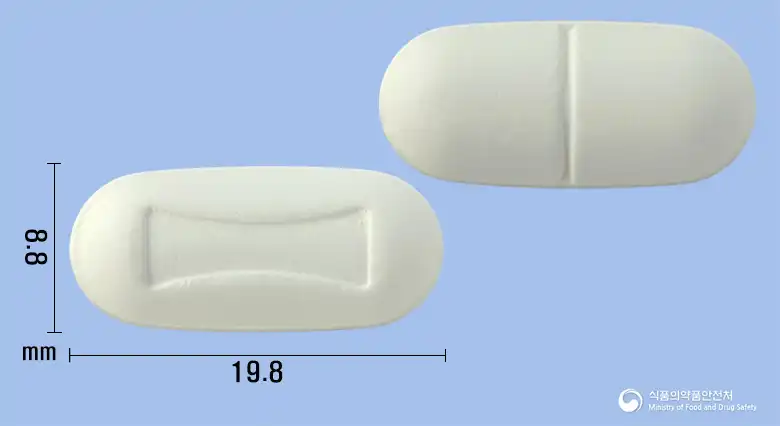
White, oval-shaped film-coated tablet
Package unit
10 tablets/package
Questions about this medicine
No questions yet.
For anything that needs medical judgment, consult a doctor or pharmacist.