
 한국어
한국어 English
 日本語
日本語 中文(简体)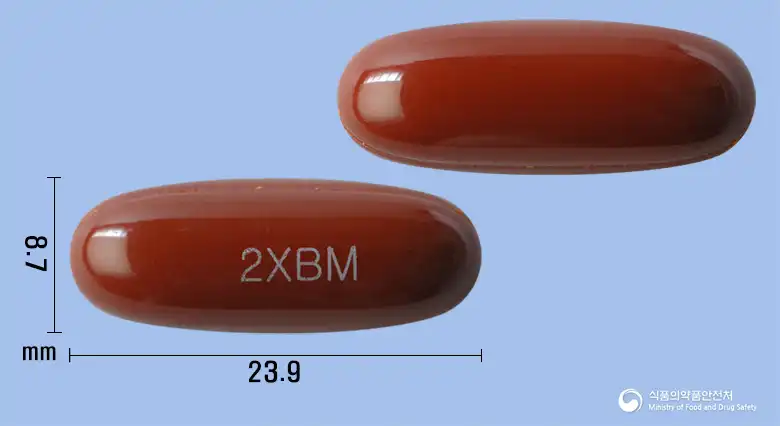
Summary
- Main use
- Relief of peripheral circulation disorders (shoulder and neck stiffness, numbness in hands and feet, etc.) and neuralgia, alleviation of skin inflammation such as stomatitis, prevention of bone growth disorders
- Who takes it
- Adults
- Adult dose
- For individuals aged 12 years and older, take 1 capsule twice daily
Ingredients
- Tocopherol Acetate500mg / 1 capsule
- Magnesium Oxide250mg / 1 capsule
- Pyridoxine Hydrochloride40mg / 1 capsule
- Thiamine Nitrate30mg / 1 capsule
- Benfotiamine20mg / 1 capsule
- Nicotinamide10mg / 1 capsule
- Cholecalciferol Concentrate Oil0.5mg / 1 capsule
- Gamma-Oryzanol5mg / 1 capsule
- Manufacturer
- 코스맥스파마(주)
Efficacy & effects
Relief of peripheral circulation disorders (shoulder and neck stiffness, numbness in hands and feet, etc.) and neuralgia, alleviation of skin inflammation such as stomatitis, prevention of bone growth disorders
- Physical fatigue
- decreased physical strength
- shoulder stiffness
- neck stiffness
- numbness in hands and feet
- cold extremities
- neuralgia
- myalgia
- arthralgia
- angular cheilitis
- cheilitis
- stomatitis
View approved original textHide original text
This medication helps supply vitamins D, E, B1, and B6 in cases such as physical fatigue, during pregnancy and lactation, physical weakness during and after illness, growth periods, and older age. It also aids in relieving symptoms such as shoulder and neck stiffness and cold extremities associated with peripheral circulation disorders and menopause. It alleviates pain such as neuralgia, myalgia, arthralgia, as well as skin and oral inflammation symptoms like angular cheilitis, cheilitis, stomatitis, glossitis, eczema, and dermatitis. Additionally, it is used to improve beriberi and eye fatigue, relieve muscle cramps due to magnesium deficiency, and complement bone and tooth development issues, along with preventing rickets.
How to take
Adult dose
For individuals aged 12 years and older, take 1 capsule twice daily
Precautions
This medication should not be taken by patients with hypercalcemia (high calcium levels in the blood), sarcoidosis (an unknown cause multi-system inflammatory disease), or those with kidney disease. Additionally, individuals who have had allergic reactions to this medication or its components, infants under 12 months, patients with kidney stones or severe kidney failure symptoms, and those allergic to soybean oil, soy, or peanuts should also avoid it. It is advisable to avoid taking this medication alongside certain medicines such as phosphates, calcium salts, oral tetracycline preparations, antacids, and levodopa. If currently undergoing other treatments, pregnant, possibly pregnant, or nursing, it is essential to consult with healthcare professionals. Individuals with heart or circulatory disease, kidney impairment, hypoproteinemia, a history of kidney stones, or lipid metabolism disorders should also consult with a specialist before taking this medication. This medication contains a dye called Yellow No. 5; those allergic or hypersensitive to this component should take caution. If symptoms such as abdominal discomfort, diarrhea, constipation, rash, nausea, vomiting, cardiac irregularities, or central nervous system abnormalities occur during use, immediately discontinue and consult healthcare professionals. Furthermore, alterations in menstrual cycle or prolonged bleeding may increase the risk of thrombosis when taken with certain contraceptives, thus caution is advised. High-dose use may lead to side effects such as peptic ulcers, blood glucose control disorders, liver damage, and hyperuricemia, with edema or heart failure symptoms potentially appearing. Combining with certain diuretics may raise blood potassium levels, necessitating caution. If overdosed or symptoms do not improve after a month of use, consultation with a specialist is required. This medication must be used at the prescribed dosage and frequency; it is advisable to avoid consuming teas containing tannins, such as green tea or black tea, before and after taking it. Patients at risk of lipid overload should regularly monitor blood lipid levels and adjust dosages as necessary. Additionally, keep this medication out of the reach of children, avoid direct sunlight, and store in a cool, dry, and airtight place. Finally, do not transfer this medication to another container to prevent misuse.
Side effects and when to seek care immediately
Serious side effects
Heart contraction failure (cardiac arrest), central nervous system function decline
Mild side effects
Abdominal discomfort, diarrhea, constipation, rash, redness, nausea, vomiting, loose stools, red spots, menstruation occurring earlier or being heavier than normal, prolonged bleeding, sensory neuropathy or neuropathic symptoms, nausea, vomiting, hypernatremia, congestive heart failure, edema (swelling)
Not everyone experiences these, and they can vary from person to person.
Interactions
Drug interactions
This medication should not be taken with phosphates, calcium salts, oral tetracycline preparations, antacids, or levodopa. If used alongside oral contraceptives containing estrogen, anti-aldosterone agents, triamterene, or intravenous lipid preparations, consult with a doctor or pharmacist.
Food interactions
Avoid taking this medication with or before and after consuming teas containing tannins, such as green tea or black tea.
Storage
This medication may be sensitive to air or moisture, so it must be stored in a sealed container. It is advisable to maintain a storage temperature between 1 to 30 degrees Celsius to safely preserve the drug's efficacy.
Appearance and packaging
Appearance
A reddish-brown oblong soft capsule containing a whitish emulsified content
Package unit
10 capsules (10 capsules/PTP X 1), 60 capsules (10 capsules/PTP X 6), 120 capsules (10 capsules/PTP X 12)
Questions about this medicine
No questions yet.
For anything that needs medical judgment, consult a doctor or pharmacist.