
 한국어
 English
 日本語
 中文(简体)
 Viewing nowCombination
Amozalatan Plus Tablet 5/100/12.5 mg (Amlodipine, Losartan, Chlorthalidone)
Amlodipine Camsylate 7.84mg · Chlorthalidone 12.5mg +1 more
Tablet · Prescription medication · Combination
Hanmi Pharmaceutical Co., Ltd.
MFDS item code 201705043 · Approved 2017.06.29 · Insurance code 643507790
Treatment of essential hypertension
In patients with essential hypertension whose blood pressure is not sufficiently controlled by combination therapy of amlodipine and losartan, additional treatment options should be considered. Essential hypertension is a form of hypertension where the exact cause of elevated blood pressure is unknown, primarily managed with medications that dilate blood vessels and lower blood pressure. Amlodipine helps lower blood pressure by dilating blood vessels, while losartan helps to control blood pressure by preventing vascular constriction. However, if blood pressure cannot be controlled even with combination therapy, the physician may recommend adjustments to the medication dosage or the addition of other drugs. Continuous blood pressure management is important to reduce the risk of cardiovascular diseases, thus regular check-ups and appropriate treatment are necessary.
Take 1 tablet once daily with water, regardless of food. If possible, it is recommended to take it at the same time each day (e.g., in the morning). Before administering this medicine, it is recommended that the dose of the individual components (losartan and amlodipine as monotherapy or combination therapy) be adjusted. For patients whose blood pressure is not controlled with amlodipine/losartan combination therapy, administer this medicine 5/50/12.5 mg and adjust the dose at intervals of 2 weeks or longer, taking the patient’s blood pressure response into account. The maximum dose of this medicine is 5/100/25 mg. For patients receiving an amlodipine/losartan combination product and chlorthalidone as a single agent concomitantly, they may switch to this medicine (a combination product with the same amounts of each active ingredient) for convenience.
This medication can cause serious harm, especially to the fetus and newborn, during pregnancy, and should be discontinued immediately if pregnancy is confirmed. Patients with impaired liver function or progressing liver disease should be cautious, as serious issues like hepatic coma could arise when taking this medication. Patients with severe kidney disease may experience elevated blood nitrogen levels due to this medication's diuretic components, and it should be used with caution due to the risk of drug accumulation. Patients allergic or hypersensitive to any of the ingredients contained in this medication should not use it, nor should pregnant women or breastfeeding mothers. It is also safe to avoid administering this drug to patients with severe hypotension, severe liver failure, kidney failure, and certain heart diseases. Care should be taken when administering this medication to the elderly, and patients with elevated potassium levels or severely impaired kidney function should be monitored closely. Blood pressure can drop sharply, so patients with heart or cerebral vascular diseases should monitor blood pressure changes closely. This medication may cause electrolyte imbalances in the blood, necessitating regular blood tests and condition monitoring. Side effects such as dizziness, headache, indigestion, fatigue, and hypotension may occur, so if any abnormal symptoms arise, consulting healthcare professionals is advised. During treatment, potassium supplements or products containing potassium should not be taken indiscriminately, and the potential for interactions with other drugs should be discussed with a healthcare professional. Pregnant and nursing women are advised to discontinue breastfeeding while taking this medication. Safety and efficacy in pediatric patients, especially those under 18 years, have not been established and are therefore not recommended. In cases of overdose, symptoms such as hypotension, coma, and muscle cramps may occur, and immediate medical attention is required. This medication should be stored in a tightly sealed container, away from direct sunlight and moisture, and out of the reach of children.
Not everyone experiences these, and they can vary from person to person.
This medication must be stored in a tightly sealed container to prevent exposure to air or moisture. It is recommended to maintain the storage temperature between 1 and 30 degrees Celsius.
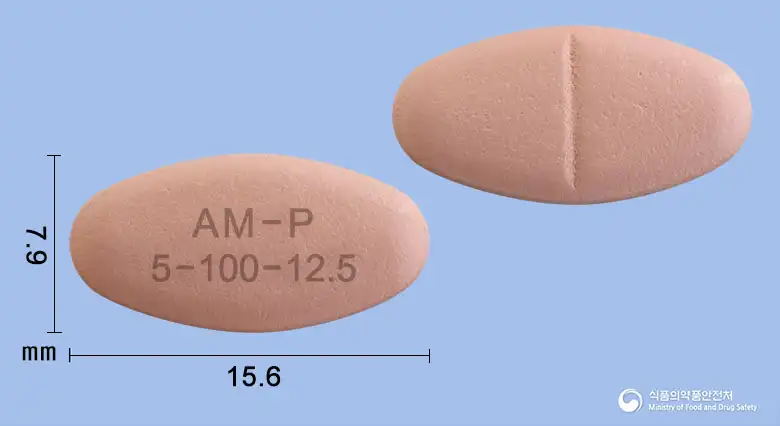
Pink oval film-coated tablet
30 tablets/bottle
Even with the same ingredient, strength, dosage form and how it is taken can differ.
Viewing nowCombinationAmlodipine Camsylate 7.84mg · Chlorthalidone 12.5mg +1 more
Tablet · Prescription medication · Combination
Hanmi Pharmaceutical Co., Ltd.
 Combination
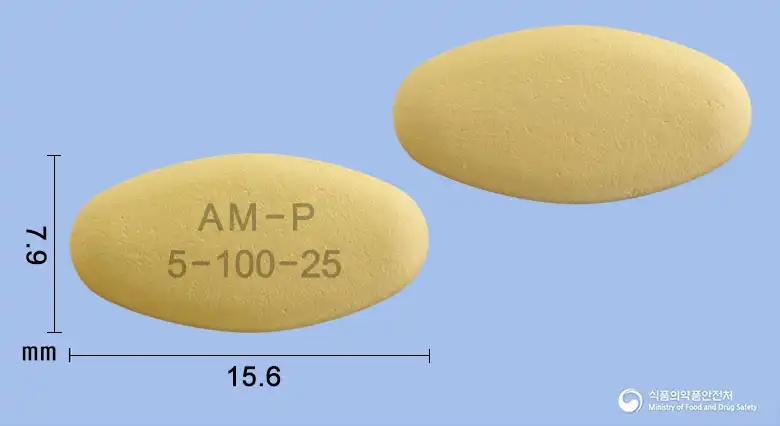
Amlodipine Camsylate 7.84mg · Chlorthalidone 25mg +1 more
Tablet · Prescription medication · Combination
Hanmi Pharmaceutical Co., Ltd.
 Combination
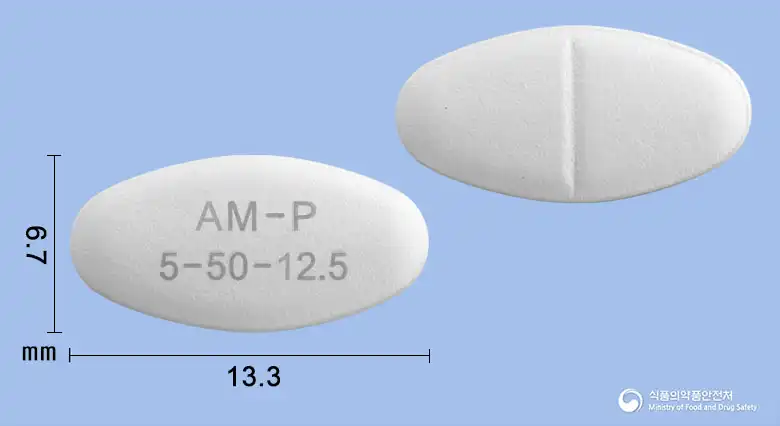
Amlodipine Camsylate 7.84mg · Chlorthalidone 12.5mg +1 more
Tablet · Prescription medication · Combination
Hanmi Pharmaceutical Co., Ltd.
Even with the same ingredient, the dose and directions can differ by strength and dosage form. Talk to a doctor or pharmacist before switching from a medication you are already taking.
No questions yet.
For anything that needs medical judgment, consult a doctor or pharmacist.
This drug information is based on data provided by the Korea Ministry of Food and Drug Safety.
Consult a doctor or pharmacist for accurate dosage, administration, and usage instructions.