
 한국어
한국어 English
 日本語
日本語 中文(简体)
 Viewing now
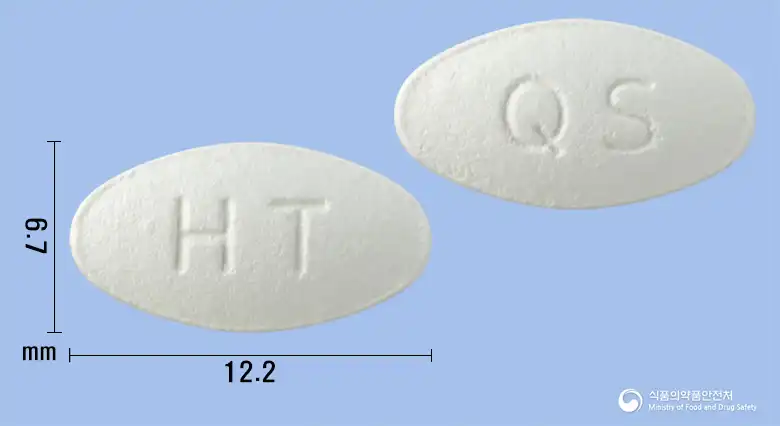
Quinstar Tablet (Raloxifene Hydrochloride)
Raloxifene Hydrochloride 60mg
Tablet · Prescription medication
Hanmi Pharmaceutical Co., Ltd.
MFDS item code 201702791 · Approved 2017.05.31 · Insurance code 649103510
Treatment and prevention of osteoporosis in postmenopausal women
This medication is used for the treatment and prevention of osteoporosis which commonly occurs in postmenopausal women. After menopause, women experience a decrease in estrogen, leading to weakened bones and an increased risk of fractures; therefore, it is important to strengthen bone density and reduce the likelihood of fractures. This drug helps maintain and strengthen bone health to prevent and treat issues related to osteoporosis.
As Raloxifene Hydrochloride, the recommended dosage is 60 mg orally once daily.
This drug may increase the risk of venous thromboembolism, which is the formation of blood clots in blood vessels. Particularly, if there is a condition that limits movement, the intake of this medication should be stopped and can be resumed after recovery. Since it is primarily metabolized in the liver, patients with poor liver function are advised not to use this drug. It is not suitable for women before menopause, and caution is required for postmenopausal women at risk of stroke. It should not be used for the prevention of cardiovascular diseases, and the combination with estrogen preparations is not recommended. Pregnant women or those who may become pregnant, as well as nursing mothers, should not take this medication. Patients with a history of thrombosis, liver disease, unexplained uterine bleeding, or suspected endometrial cancer should also refrain from using this drug. This drug should not be used in cases of certain genetic disorders such as lactose intolerance. Patients with high triglyceride levels or kidney dysfunction should consult their doctor prior to administration. During treatment, symptoms such as leg cramps, facial flushing, peripheral edema, and cold symptoms may occur. Due to the risk of thrombosis, any unusual symptoms should be reported to a medical professional immediately. Additionally, patients with a history of breast cancer require thorough consultation and examination before using this medication. This drug is intended for use only in women who have undergone menopause; it should not be administered to men or children. In cases of overdose, symptoms may include leg cramps and dizziness, but there is no specific antidote. Caution is also needed when combined with other medications, particularly it is advisable not to take it with cholestyramine. Supplementing calcium and vitamin D may help if there is a deficiency, and improving smoking or drinking habits is recommended. This medication should be kept out of reach of children and should not be stored in different containers.
Deep vein thrombosis, pulmonary embolism, retinal vein thrombosis, superficial venous thrombophlebitis, stroke, death associated with deep vein thrombosis and pulmonary embolism, thrombocytopenia, hypertension, arterial thromboembolism, retinal vein occlusion, stroke, increased mortality rate due to stroke
Not everyone experiences these, and they can vary from person to person.
This medication should be stored in a tightly sealed container to prevent exposure to air and moisture. The appropriate storage temperature is in a cool place between 15 to 30 degrees.
White oval film-coated tablets
28 tablets (14 tablets/PTP packaging x 2)
Even with the same ingredient, strength, dosage form and how it is taken can differ.
Viewing nowRaloxifene Hydrochloride 60mg
Tablet · Prescription medication
Hanmi Pharmaceutical Co., Ltd.
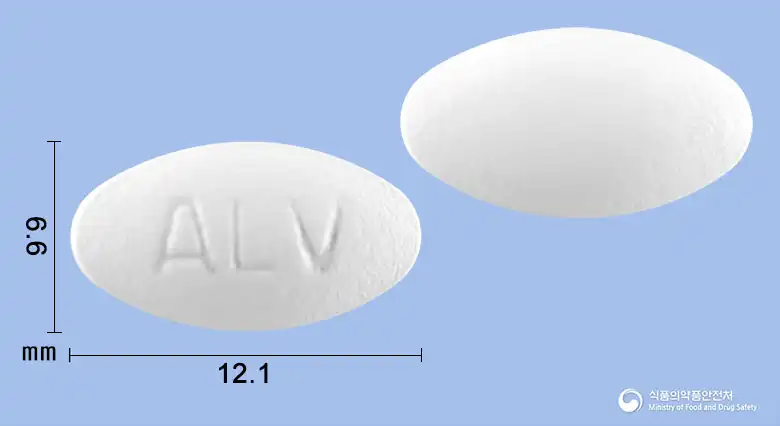
Raloxifene Hydrochloride 60mg
Tablet · Prescription medication
Alvogen Korea Co., Ltd.
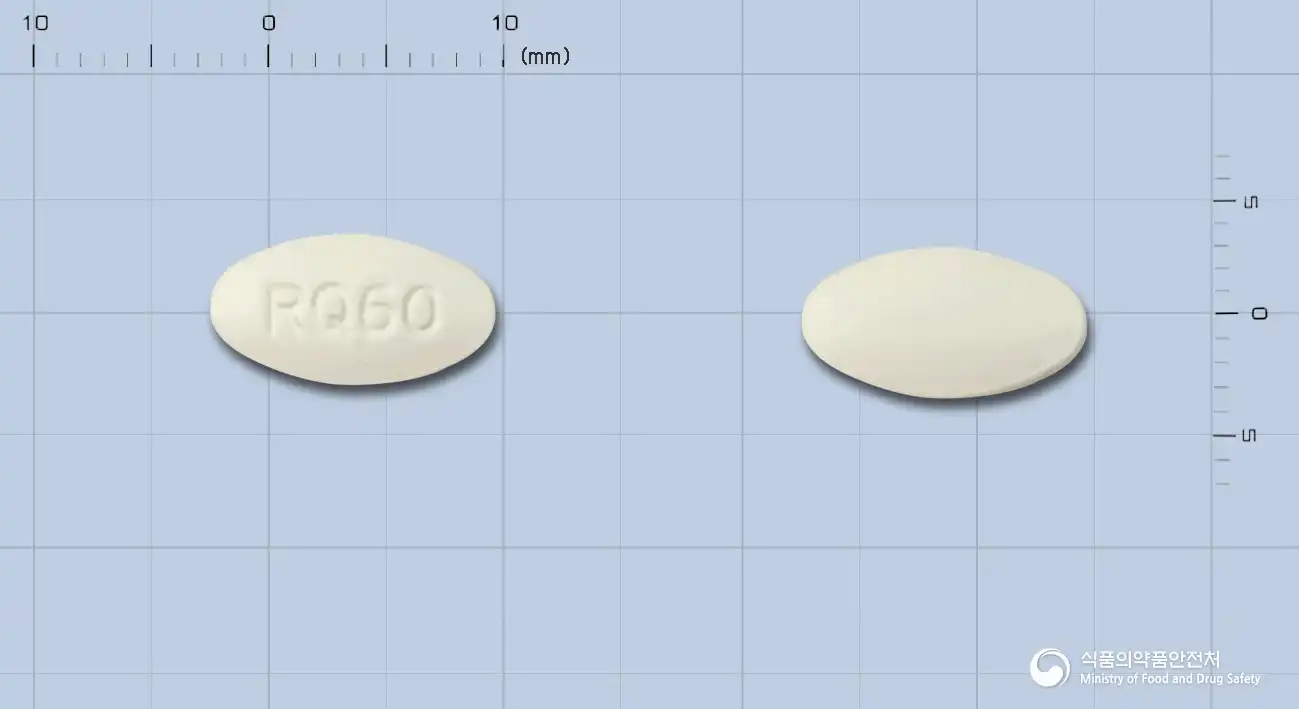
Raloxifene Hydrochloride Monohydrate 62.12mg
Tablet · Prescription medication
Jongkundang Co., Ltd.
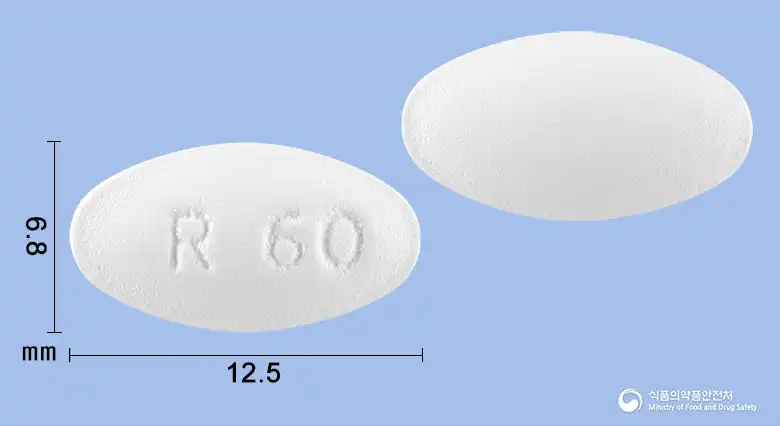
Raloxifene Hydrochloride 60mg
Tablet · Prescription medication
Hanmi Pharmaceutical Co., Ltd.
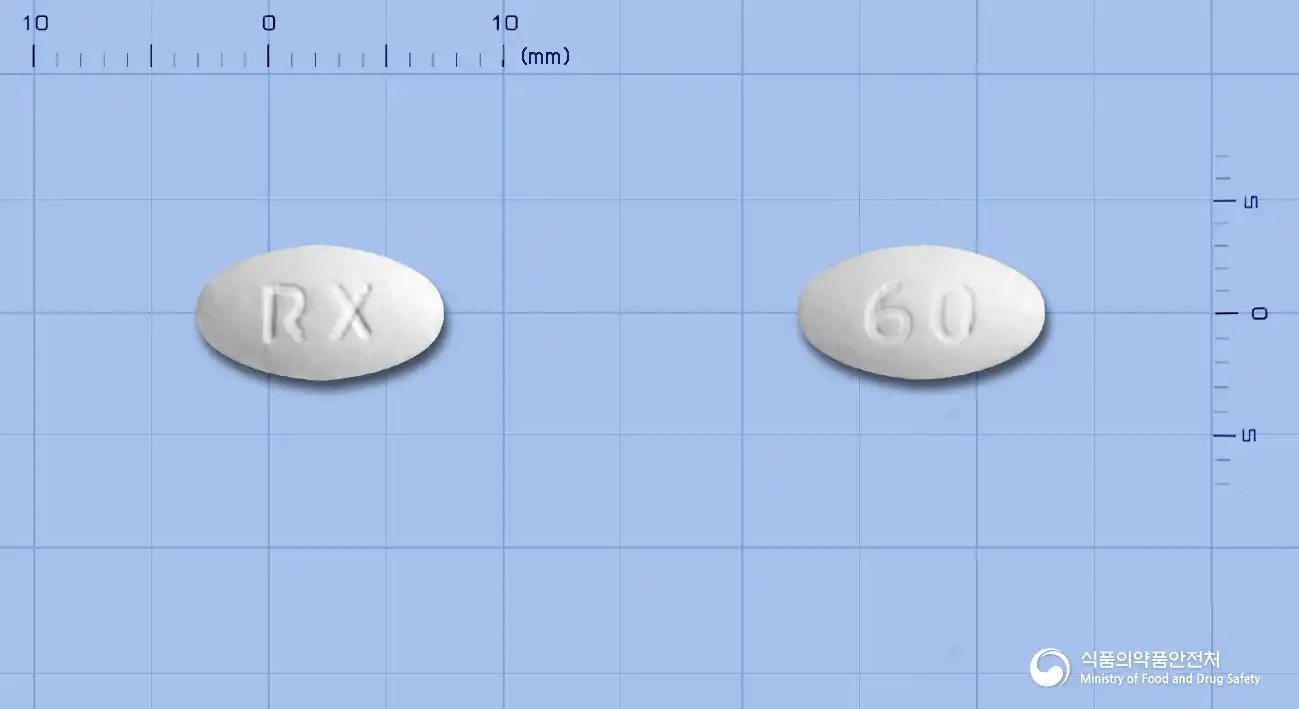
Raloxifene Hydrochloride 60mg
Tablet · Prescription medication
Huons Co., Ltd.
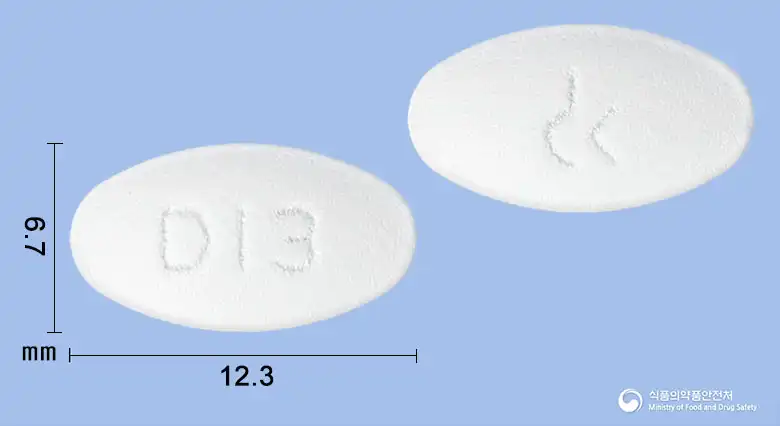
Raloxifene Hydrochloride 60mg
Tablet · Prescription medication
Dongkuk Pharmaceutical Co., Ltd.
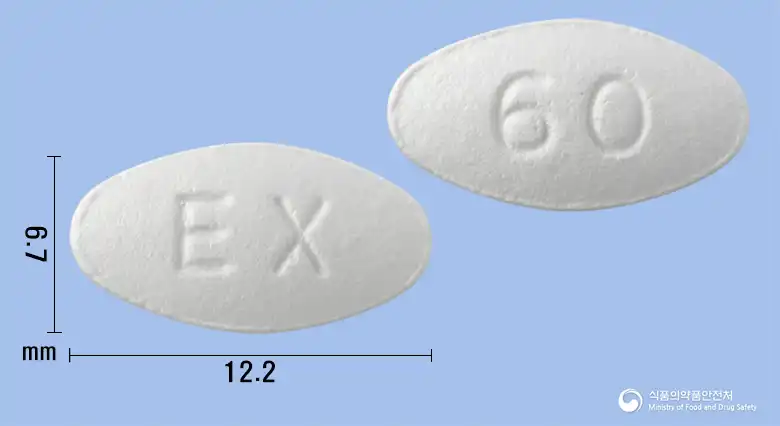
Raloxifene Hydrochloride 60mg
Tablet · Prescription medication
Ilsung IS Co., Ltd.
Raloxifene Hydrochloride
Prescription medication
Searle Pharmaceuticals Co., Ltd.
Even with the same ingredient, the dose and directions can differ by strength and dosage form. Talk to a doctor or pharmacist before switching from a medication you are already taking.
No questions yet.
For anything that needs medical judgment, consult a doctor or pharmacist.
This drug information is based on data provided by the Korea Ministry of Food and Drug Safety.
Consult a doctor or pharmacist for accurate dosage, administration, and usage instructions.