
 한국어
 English
 日本語
 中文(简体)
Dosage form image
Viewing nowIdalbi Tablet 40 mg (Azilsartan Medoxomil Potassium)
Potassium Azilsartan Medoxomil 42.68mg
Tablet · Prescription medication
Celltrion Pharmaceutical Co., Ltd.
MFDS item code 201702622 · Approved 2017.05.26
This product's status changed to Approval withdrawn on 2024.03.21. It may no longer be sold, so consult a doctor or pharmacist before taking it.
Treatment of essential hypertension
Essential hypertension is a condition where blood pressure is persistently high. This medication is used to control blood pressure and prevent cardiovascular complications.
1) Adults The recommended initial dose of this medicine is 40 milligrams once daily, with or without food. If blood pressure is not adequately controlled at this dose, the dose may be increased to a maximum of 80 milligrams daily. The blood pressure-lowering effect appears within 2 weeks after starting treatment and reaches its maximum effect at about 4 weeks. If blood pressure is not controlled with this medicine alone, additional blood pressure-lowering effects may occur when it is used in combination with other antihypertensive agents [diuretics (e.g., chlorthalidone, hydrochlorothiazide) or calcium channel blockers]. 2) Elderly patients No initial dose adjustment is necessary when administering this medicine to patients aged 65 years and older. For very elderly patients (aged 75 years and older) at risk of hypotension, an initial dose of 20 milligrams may be considered. 3) Patients with renal impairment No dose adjustment is necessary in patients with mild to moderate renal impairment. Use with caution in patients with severe renal impairment or end-stage renal disease (ESRD), as there is no experience with the use of this medicine in these patients. Azilsartan is not removed by hemodialysis. 4) Patients with hepatic impairment This medicine is not recommended in patients with severe hepatic impairment because it has not been studied in these patients. Experience with its use in patients with mild to moderate hepatic impairment is limited; close monitoring is recommended, and an initial dose of 20 milligrams may be considered. 5) Patients with intravascular volume depletion In patients with reduced salt levels or a risk of effective circulating blood volume depletion (e.g., those with vomiting or diarrhea or receiving high doses of diuretics), initiate treatment with this medicine under close medical supervision and consider an initial dose of 20 milligrams.
The safety and efficacy of this medicine in children and adolescents under 18 years of age have not been established.
This medication can cause serious harm to the fetus or newborn if used by women in the second and third trimesters of pregnancy. Therefore, it should be discontinued immediately upon confirmation of pregnancy. It should not be used by individuals allergic to this medication or any of its ingredients, pregnant women, and patients with certain kidney diseases or diabetes. In patients with compromised cardiac function or severe renal impairment, or those with narrowed renal arteries, this medication should be used cautiously, and blood pressure and kidney function should be monitored frequently. Taking this medication with other antihypertensives may increase the risk of side effects such as hypotension, hyperkalemia, and decreased renal function, so co-administration should be avoided. Patients with reduced blood volume or low salt levels may experience hypotension at the outset of treatment, so their status needs to be carefully assessed before administration, and appropriate measures should be taken if necessary. Taking this medication alongside potassium-sparing diuretics or potassium supplements may dangerously elevate serum potassium levels, necessitating periodic monitoring of potassium levels. This medication may cause side effects such as dizziness, hypotension, nausea, rash, and fatigue, particularly in the elderly or patients with impaired renal function, where the likelihood of side effects is increased. Caution is advised when driving or operating machinery, as dizziness or drowsiness may occur. Patients taking lithium or nonsteroidal anti-inflammatory drugs (NSAIDs) should consult their doctor, as side effects or efficacy changes may occur. Pregnant or nursing women are advised to avoid using this medication, especially during breastfeeding, as the drug may be transmitted through breast milk and its safety has not been established. In case of overdose, hypotension and dizziness may occur, and medical attention should be sought immediately for appropriate treatment. This medication should be kept out of reach of children and stored in its original packaging away from light and moisture.
Not everyone experiences these, and they can vary from person to person.
This medication should be stored in a container that protects it from light and air, at a temperature between 1°C and 30°C. It is also important to avoid storing it in humid locations.
White or nearly white round tablet
PTP packaging: 14 tablets, 28 tablets, 30 tablets, 56 tablets, 90 tablets, 98 tablets per carton
Even with the same ingredient, strength, dosage form and how it is taken can differ.
Potassium Azilsartan Medoxomil 42.68mg
Tablet · Prescription medication
Celltrion Pharmaceutical Co., Ltd.
Potassium Azilsartan Medoxomil 21.34mg
Tablet · Prescription medication
Celltrion Pharmaceutical Co., Ltd.
Potassium Azilsartan Medoxomil 85.36mg
Tablet · Prescription medication
Celltrion Pharmaceutical Co., Ltd.
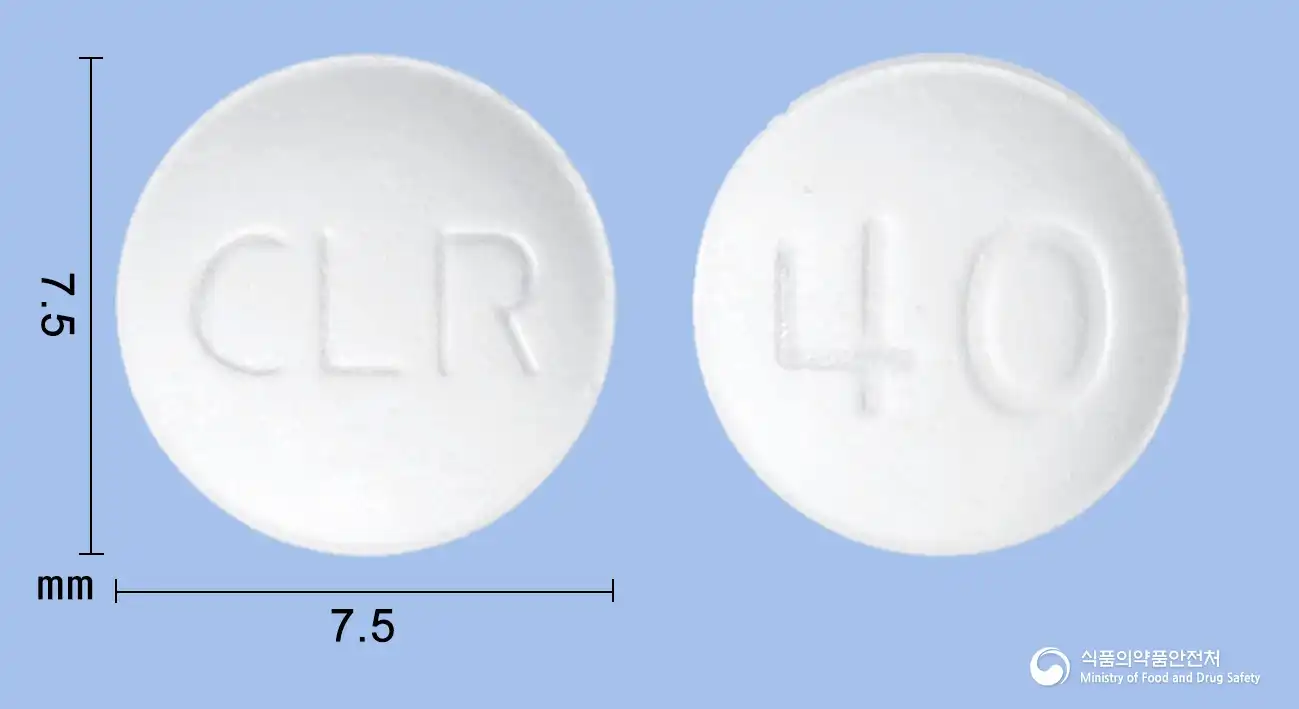
Potassium Azilsartan Medoxomil 42.68mg
Tablet · Prescription medication
Celltrion Healthcare Co., Ltd.
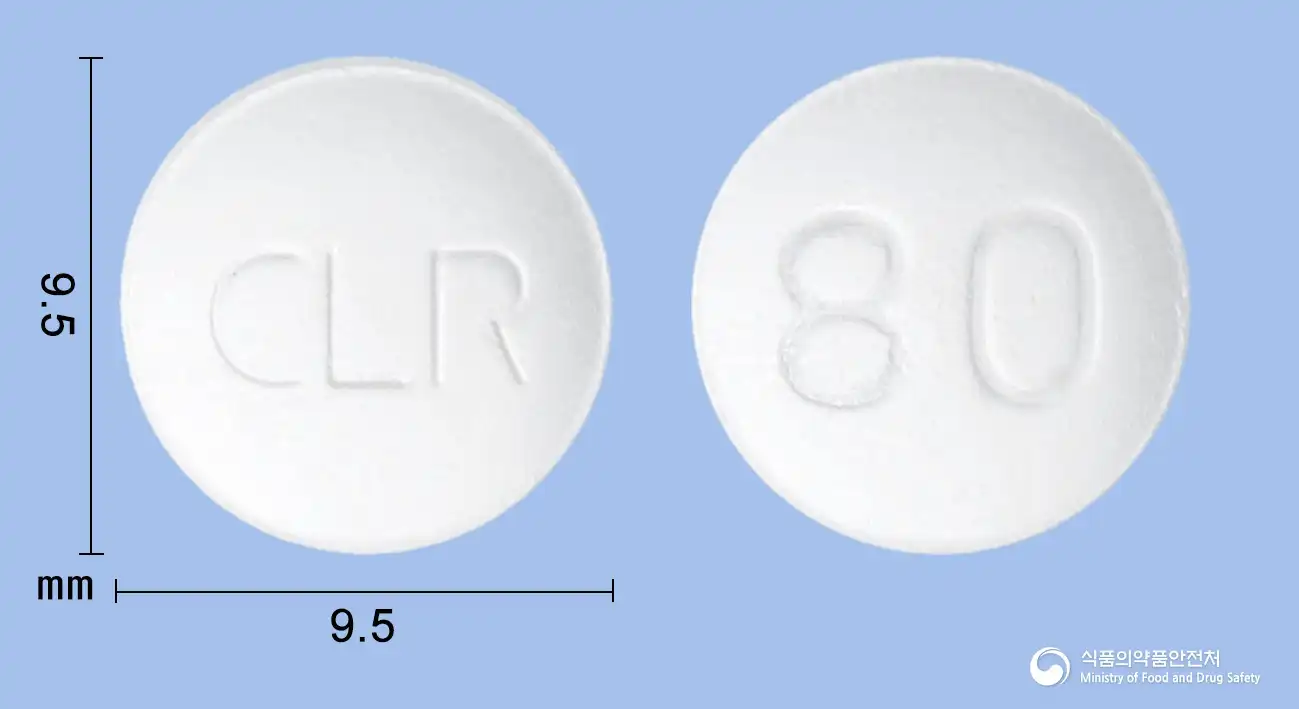
Potassium Azilsartan Medoxomil 85.36mg
Tablet · Prescription medication
Celltrion Pharmaceutical Co., Ltd.
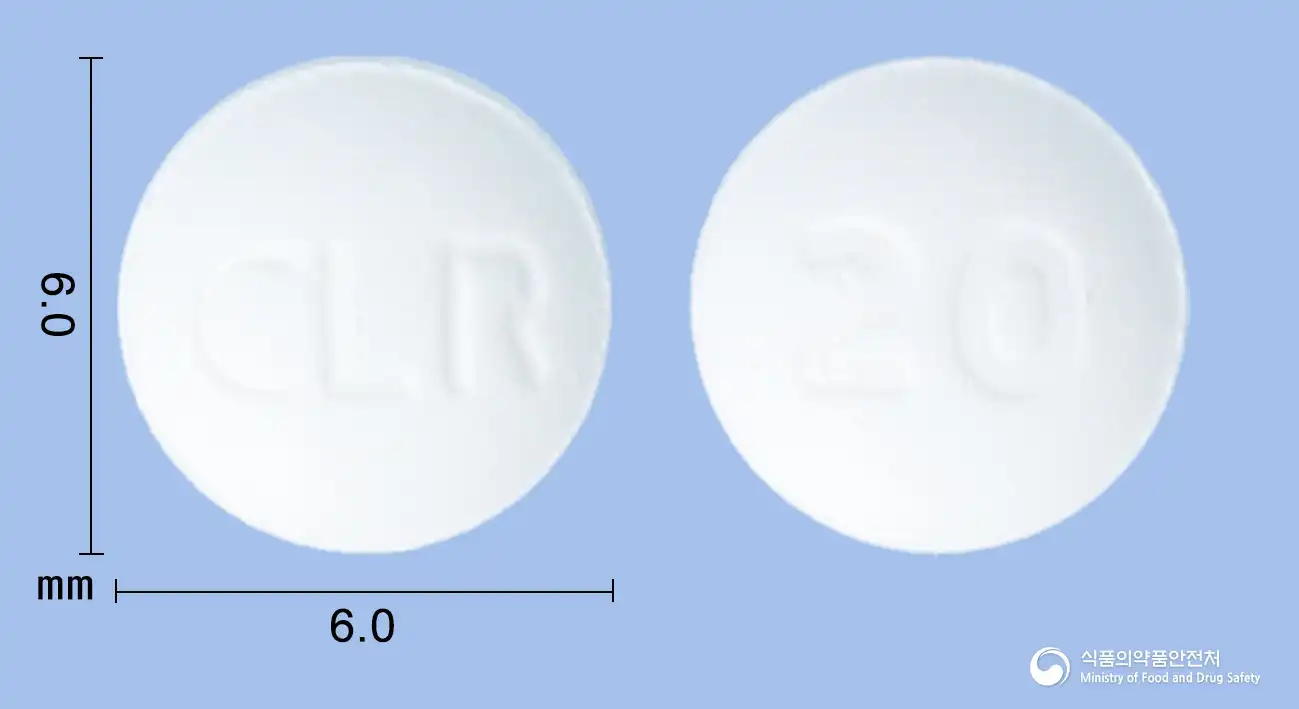
Potassium Azilsartan Medoxomil 21.34mg
Tablet · Prescription medication
Celltrion Pharmaceutical Co., Ltd.
Even with the same ingredient, the dose and directions can differ by strength and dosage form. Talk to a doctor or pharmacist before switching from a medication you are already taking.
No questions yet.
For anything that needs medical judgment, consult a doctor or pharmacist.
This drug information is based on data provided by the Korea Ministry of Food and Drug Safety.
Consult a doctor or pharmacist for accurate dosage, administration, and usage instructions.