
 한국어
 English
 日本語
 中文(简体)
Dosage form image
Viewing nowCombinationApidamol Extended-Release Capsule
Dipyridamole 200mg · Aspirin 25mg
Prescription medication · Combination
Jeil Pharmaceutical Co., Ltd.
MFDS item code 201702433 · Approved 2017.05.17
This product's status changed to Approval withdrawn on 2025.07.21. It may no longer be sold, so consult a doctor or pharmacist before taking it.
Prevention of recurrent stroke in patients with transient cerebral ischemia or thrombotic stroke
This medication helps reduce the risk of recurrent stroke in patients who have experienced transient ischemic attacks or ischemic strokes due to thrombosis. By taking it continuously, it is beneficial for health management, preventing the occurrence of recurrent stroke.
The recommended dose of this medicine is 1 capsule twice daily. Generally, swallow 1 capsule whole with or after breakfast and 1 capsule whole with or after dinner. Do not chew. Do not substitute this medicine with separate single-ingredient products containing dipyridamole and aspirin.
Because there is limited experience with the use of this medicine in children, it is recommended that it not be administered to children 16 years of age or younger.
This medication should be used with caution by individuals who regularly consume more than three alcoholic beverages a day as it increases the risk of gastrointestinal bleeding, and consultation with a physician or pharmacist is necessary. This medication should not be administered to individuals with certain conditions or a history of allergies. For instance, those allergic to this medication or other salicylates, suffering from gastric ulcer, duodenal ulcer, blood coagulation disorders, severe heart disease, asthma, children with viral infections, or those with severe liver or kidney disorders should not take it. Additionally, individuals with hypotension, heart-related diseases, chronic gastrointestinal disorders, decreased liver or kidney functions, asthma, those on anticoagulants, and the elderly should be particularly cautious when using this medication. Various side effects such as headache, dizziness, dyspepsia, gastrointestinal bleeding, skin rash, blood abnormalities, liver dysfunction, and kidney damage may occur, and any abnormal symptoms should prompt immediate discontinuation of the medication and consultation with a physician. Particularly, allergic reactions, asthma attacks, severe skin reactions, and increased bleeding risk may occur due to the aspirin component, so caution is required. This medication may interact with other drugs, so if taking other medications such as anticoagulants, antihypertensives, or antidiabetics, it is essential to inform your physician or pharmacist. During pregnancy, especially in late pregnancy, this medication can pose risks to both the fetus and mother, so women who are pregnant or may become pregnant must consult a physician before use. Lactating women should also consult a specialist as this medication may pass into breast milk. It is not recommended for children, especially those under the age of 16, as the safety of this medication has not been sufficiently established, and it should not be administered to children with influenza or chickenpox. In cases of overdose, symptoms may include cardiovascular symptoms, central nervous system abnormalities, gastrointestinal bleeding, metabolic abnormalities, thus immediate medical attention is necessary for appropriate treatment. Patients taking this medication should inform their physician or dentist if surgery is planned, as there may be a need to discontinue the medication under professional instructions. While it does not affect driving or machinery operation, individual reactions may vary, thus caution is advised. Individuals with asthma or a history of allergies must seek emergency consultation before taking this medication. Symptoms such as rash, fever, or lymph node swelling during use should prompt immediate discontinuation and medical evaluation.
Headache, dizziness, drowsiness, seizures, forgetfulness, confusion, loss of appetite, coma, vertigo, sensory disturbances, lethargy, cerebral hemorrhage, intraparenchymal hemorrhage, intracranial hemorrhage, subarachnoid hemorrhage, taste impairment, agitation, numbness, indigestion, abdominal distension, abdominal pain, vomiting, nausea, diarrhea, constipation, thirst, erosive gastritis, gastric ulcer, duodenal ulcer, gastrointestinal bleeding, rectal bleeding, hemorrhoids, blood in stool, perforation, arthralgia, arthritis, deforming arthropathy, myalgia, exacerbation of coronary artery disease symptoms, tachycardia, hypotension, palpitations, arrhythmia, supraventricular tachycardia, angina, cough, upper respiratory tract infection, hyperventilation, asthma, bronchospasm, hemoptysis, pulmonary edema, facial flushing, rash, urticaria, pruritus, flushing, iron deficiency anemia, prolonged bleeding time, increased bleeding during or after surgery, thrombocytopenia, hematoma, vascular edema, epistaxis, decrease in platelet count, elongation of prothrombin time, platelet dysfunction, purpura, cholelithiasis, jaundice, abnormal liver function, uterine bleeding, renal impairment, renal failure, hematuria, pain, fatigue, pain in the back, anxiety, lethargy, syncope, fever, heat sensation, shoulder stiffness, tinnitus, hearing loss, gum bleeding, hyperglycemia, shock, anaphylactic symptoms, asthma attack, rash, edema, rhinitis symptoms, conjunctivitis, Riel syndrome, drug reaction accompanied by eosinophilia and systemic symptoms, DRESS syndrome, Stevens-Johnson syndrome, exfoliative dermatitis, severe skin reactions, aplastic anemia, anemia, leukopenia, platelet function impairment, hypotension, heartburn, gastralgia, liver dysfunction, renal dysfunction, decreased uric acid excretion, hypoglycemia, hyperventilation, metabolic acidosis, heat sensation, facial flushing, sweating, increased heart rate, anxiety, lethargy, hypotension, pain due to angina, confusion, dizziness, nausea, acid-base imbalance, electrolyte imbalance, hypoglycemia, rash, gastrointestinal bleeding, hyperventilation, tinnitus, vomiting, auditory impairment, confusion state, mental confusion, seizures, dyspnea, sweating, dehydration, high fever, coma
Not everyone experiences these, and they can vary from person to person.
This medication should be stored in a tightly sealed container to prevent exposure to air or moisture, and it is recommended to keep it in a cool place between 1 to 25 degrees Celsius.
Capsule with a dark reddish upper part and light yellow lower part, containing white to almost white round aspirin tablets that are convex on both sides and bright yellow dipyridamole pellets.
30 capsules/bottle, 300 capsules/bottle
Even with the same ingredient, strength, dosage form and how it is taken can differ.
Dipyridamole 200mg · Aspirin 25mg
Prescription medication · Combination
Jeil Pharmaceutical Co., Ltd.
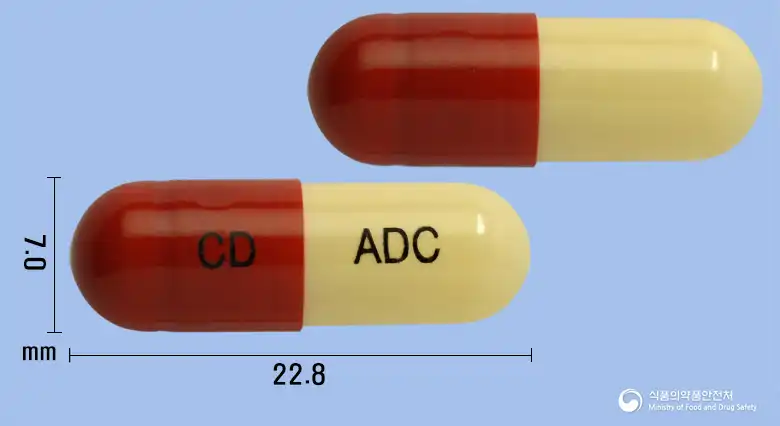 Combination
Dipyridamole 200mg · Aspirin 25mg
Prescription medication · Combination
Chodang Pharmaceutical Co., Ltd.
 Combination
Dipyridamole 200mg · Aspirin 25mg
Prescription medication · Combination
Korea Pharmaceutical Co., Ltd.
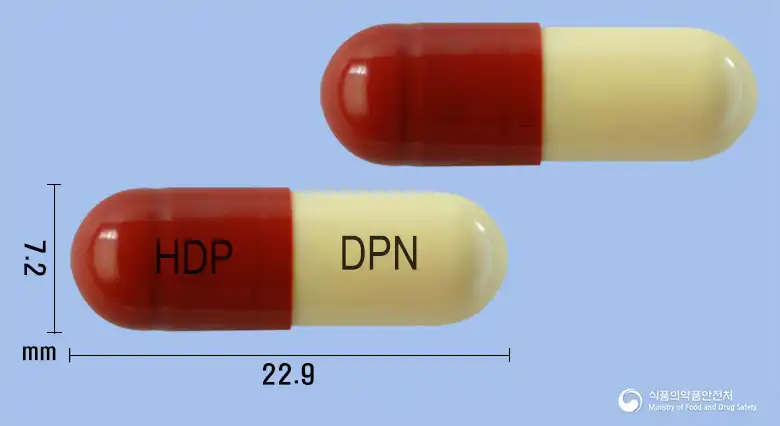 Combination
Dipyridamole 200mg · Aspirin 25mg
Prescription medication · Combination
Hyundai Pharmaceutical Co., Ltd.
Even with the same ingredient, the dose and directions can differ by strength and dosage form. Talk to a doctor or pharmacist before switching from a medication you are already taking.
No questions yet.
For anything that needs medical judgment, consult a doctor or pharmacist.
This drug information is based on data provided by the Korea Ministry of Food and Drug Safety.
Consult a doctor or pharmacist for accurate dosage, administration, and usage instructions.