
 한국어
한국어 English
 日本語
日本語 中文(简体)
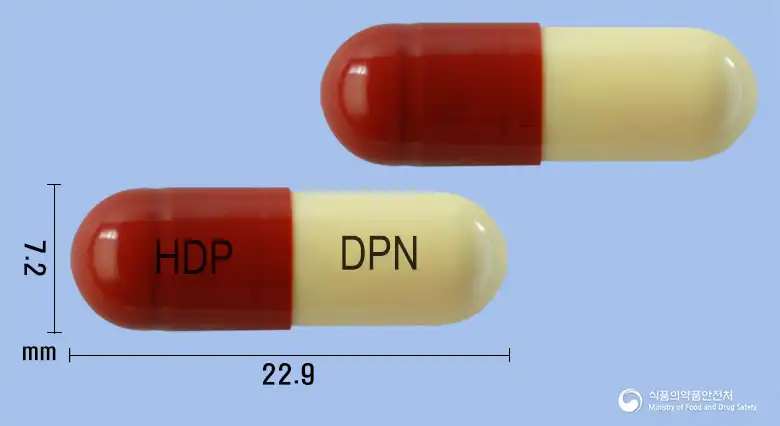 Viewing nowCombination
Diphynox Sustained Release Capsule
Dipyridamole 200mg · Aspirin 25mg
Prescription medication · Combination
Hyundai Pharmaceutical Co., Ltd.
MFDS item code 201702432 · Approved 2017.05.17
Effectiveness in reducing the risk of stroke recurrence
This medication is used to reduce the risk of stroke recurrence in patients who have experienced transient ischemia or ischemic stroke caused by a thrombus.
1 capsule per dose, 2 times a day. Each morning and evening, take 1 capsule whole with food or after a meal; do not chew.
It is recommended not to administer to children under 16 years of age.
This medication should not be taken by individuals who regularly consume more than three glasses of alcohol daily, as this may increase the risk of gastric bleeding; it should be discussed with a physician or pharmacist. Patients allergic to any components of this medication, those with gastric ulcers, a tendency to bleed, heart disease, liver impairment, kidney impairment, and women in late pregnancy should not take this medication. Patients with hypotension, heart disease, coagulation disorders, chronic gastrointestinal conditions, liver or kidney function impairments, asthma, and the elderly should use this medication cautiously and follow their physician's directions. While taking this medication, there may be adverse reactions such as headaches, dizziness, indigestion, gastric bleeding, skin rash, respiratory distress, increased bleeding, and liver function anomalies; if symptoms occur, consult a physician immediately. Particularly due to the aspirin component, allergic reactions, severe skin reactions, and asthma attacks may occur, so caution is required. This medication may interact with certain drugs; therefore, if you are taking anticoagulants, antihypertensive medications, or hypoglycemic agents, you should inform your physician. Do not take this medication during pregnancy, especially in the later stages, and breastfeeding mothers should consult a physician before taking it. Not recommended for children, and the medication can be dangerous for children under 16 years old when suffering from influenza or chickenpox. Serious toxicity symptoms may appear in cases of overdose, so you must adhere to the prescribed dosage, and in case of overdose, visit a medical institution immediately. It is important to inform your physician or dentist about taking this medication before any operations.
Hives, angioedema, chest tightness, difficulty breathing, cold sweat, pallor, severe allergic reactions, severe rash accompanied by high fever, blisters, peeling skin, mucosal pain in mouth/eyes, severe skin reactions, asthma attacks, respiratory distress accompanied by cough and fever, shortness of breath or difficulty breathing, jaundice (yellowing of skin or eyes), profound lethargy, liver abnormalities (jaundice), sudden and very severe headache.
Not everyone experiences these, and they can vary from person to person.
Store this medication in a tightly sealed container to protect it from air and moisture. The suitable storage temperature is between 1°C and 25°C in a cool place.
A capsule with an upper part that is brownish red and a lower part that is light yellow, containing white to almost white convex round aspirin tablets and bright yellow dipyridamole pellets.
30, 60, 300 capsules (bottle)
Even with the same ingredient, strength, dosage form and how it is taken can differ.
Viewing nowCombinationDipyridamole 200mg · Aspirin 25mg
Prescription medication · Combination
Hyundai Pharmaceutical Co., Ltd.
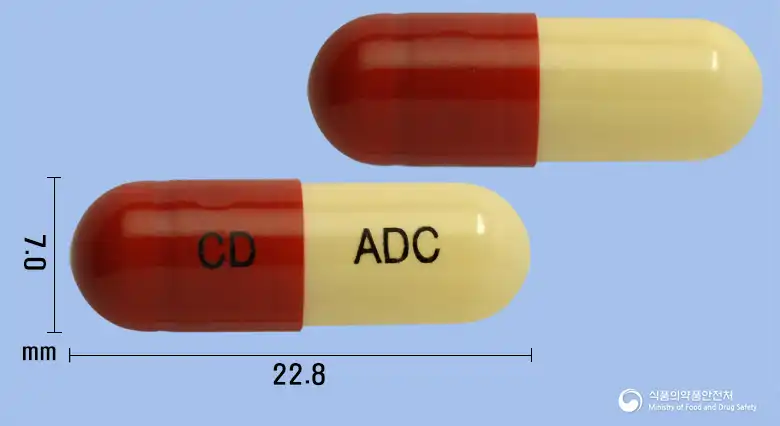 Combination
Dipyridamole 200mg · Aspirin 25mg
Prescription medication · Combination
Chodang Pharmaceutical Co., Ltd.
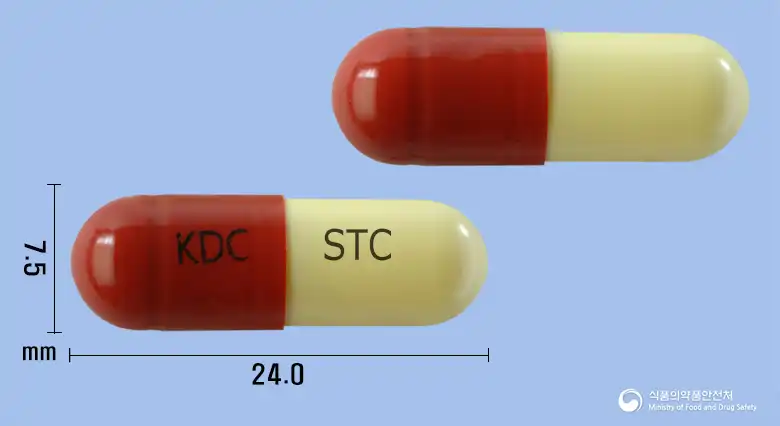 Combination
Dipyridamole 200mg · Aspirin 25mg
Prescription medication · Combination
Korea Pharmaceutical Co., Ltd.
Dipyridamole 200mg · Aspirin 25mg
Prescription medication · Combination
Jeil Pharmaceutical Co., Ltd.
Even with the same ingredient, the dose and directions can differ by strength and dosage form. Talk to a doctor or pharmacist before switching from a medication you are already taking.
No questions yet.
For anything that needs medical judgment, consult a doctor or pharmacist.
This drug information is based on data provided by the Korea Ministry of Food and Drug Safety.
Consult a doctor or pharmacist for accurate dosage, administration, and usage instructions.