
 한국어
한국어 English
 日本語
日本語 中文(简体)
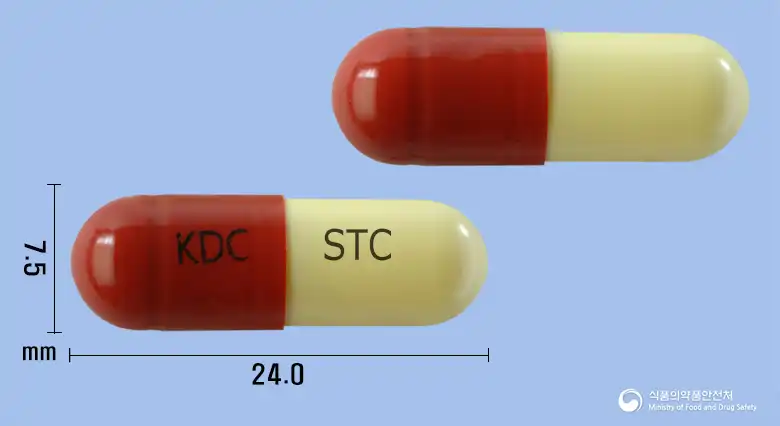 Viewing nowCombination
StrokeStar Extended-Release Capsule
Dipyridamole 200mg · Aspirin 25mg
Prescription medication · Combination
Korea Pharmaceutical Co., Ltd.
MFDS item code 201702431 · Approved 2017.05.17
Effectively reduces the risk of stroke recurrence.
This medication is used to reduce the risk of recurrent stroke in patients who have experienced transient ischemic attacks or ischemic strokes caused by thrombosis. This helps to maintain the patient's health condition steadily and effectively improves the risk of recurrence.
1 capsule per dose, taken twice daily. Generally, take 1 capsule in the morning and 1 capsule in the evening whole with meals or after meals; do not chew.
It is recommended not to administer to children under 16 years of age.
This medication may increase the risk of gastrointestinal bleeding if taken by individuals who regularly consume more than three alcoholic beverages daily, so it is essential to consult with a doctor or pharmacist. Individuals allergic to the components of this medication, or those with gastric ulcers, duodenal ulcers, or a significant tendency to bleed should not take this medication. Those with severe heart disease or aortic valve stenosis, as well as individuals with specific allergic symptoms or asthma should also avoid this medication. This medication should not be administered to children with viral infections as it may rarely cause severe brain and liver diseases. Patients with severely impaired liver or kidney function, hemophilia, or women in late pregnancy should not take this medication. Patients with low blood pressure or unstable heart function, chronic gastrointestinal diseases, and those on anticoagulants should use this medication with caution and follow a physician's directions. While taking this medication, side effects such as headache, dizziness, dyspepsia, gastrointestinal bleeding, skin rashes, and breathing difficulties may occur; if such symptoms appear, it is essential to inform a healthcare professional immediately. Particular caution is necessary due to the risk of allergic reactions or severe skin conditions and bleeding associated with the aspirin component. There may be interactions with other medications while taking this medication, so it is crucial to consult with a physician when taking it with anticoagulants, antihypertensives, antidiabetic medications, etc. It should not be taken during pregnancy, especially in late stages, as it may pose risks to both the fetus and the mother, and during breastfeeding, it should only be administered under a doctor's judgment. This medication is not recommended for children under 16 years of age, particularly those with chickenpox or influenza. In case of overdose, severe toxicity symptoms may occur; therefore, adherence to the prescribed dosage is essential, and in case of overdose, a medical facility should be visited immediately. Before any surgery, it is imperative to inform the healthcare staff about the use of this medication; special attention is not needed for driving or operating machinery. If any unusual symptoms occur while taking this medication, it is important to stop and seek medical professional care immediately.
Hives, angioedema, chest tightness, difficulty breathing, cold sweat, pale skin, severe allergic reactions, severe skin reactions (severe rashes, blistering, peeling skin, mucosal pain in mouth/eyes with high fever), asthma, bronchial dilation, asthma attacks, breathing difficulties, pulmonary edema, jaundice, liver dysfunction, cerebral hemorrhage, intracranial hemorrhage, subarachnoid hemorrhage, paralysis, severe headache, seizures, altered consciousness, visual disturbances.
Not everyone experiences these, and they can vary from person to person.
This medication should be stored in a tightly closed container to protect it from air and moisture. Additionally, it is essential to store it at a cool temperature between 1°C and 25°C to maintain its efficacy.
A capsule with a reddish-brown upper part and a light yellow lower part, containing a white to almost white round, biconvex aspirin tablet and bright yellow dipyridamole pellets.
30 capsules/bottle, 120 capsules/bottle, 300 capsules/bottle
Even with the same ingredient, strength, dosage form and how it is taken can differ.
Viewing nowCombinationDipyridamole 200mg · Aspirin 25mg
Prescription medication · Combination
Korea Pharmaceutical Co., Ltd.
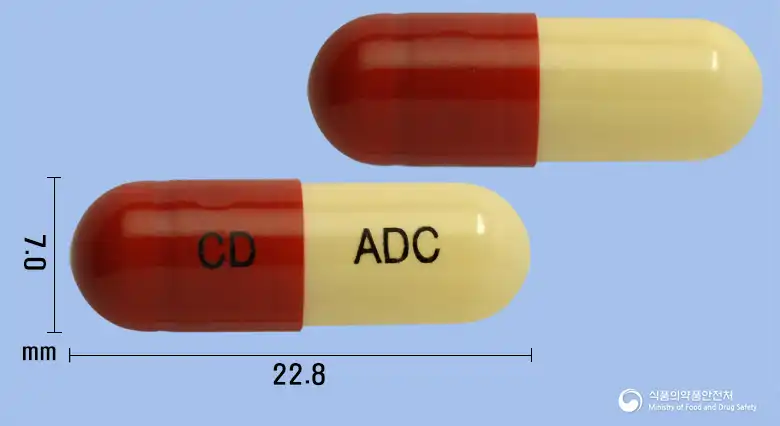 Combination
Dipyridamole 200mg · Aspirin 25mg
Prescription medication · Combination
Chodang Pharmaceutical Co., Ltd.
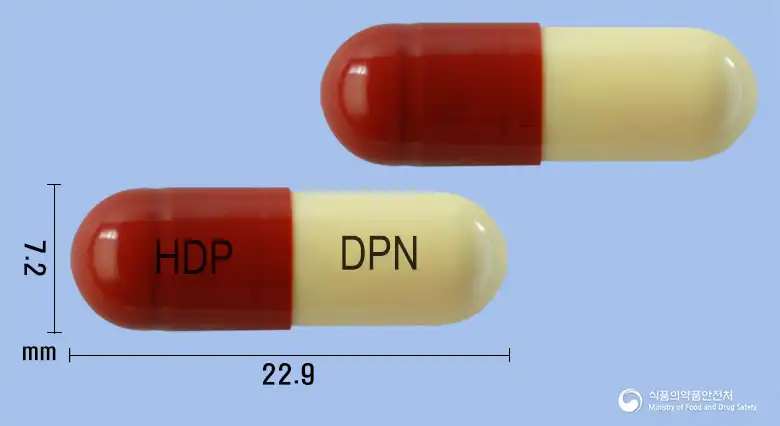 Combination
Dipyridamole 200mg · Aspirin 25mg
Prescription medication · Combination
Hyundai Pharmaceutical Co., Ltd.
Dipyridamole 200mg · Aspirin 25mg
Prescription medication · Combination
Jeil Pharmaceutical Co., Ltd.
Even with the same ingredient, the dose and directions can differ by strength and dosage form. Talk to a doctor or pharmacist before switching from a medication you are already taking.
No questions yet.
For anything that needs medical judgment, consult a doctor or pharmacist.
This drug information is based on data provided by the Korea Ministry of Food and Drug Safety.
Consult a doctor or pharmacist for accurate dosage, administration, and usage instructions.