
 한국어
한국어 English
 日本語
日本語 中文(简体)
 Viewing now
Megadithree 25000 IU Tablets (Colecalciferol Concentrated Powder)
Cholecalciferol Concentrate Powder 250mg
Tablet · Prescription medication
Korea Pharmbio Co., Ltd.
MFDS item code 201701511 · Approved 2017.03.29
Prevention of vitamin D deficiency and adjunct treatment for osteoporosis
This medication helps to prevent and treat vitamin D deficiency. It is also used as an adjunct treatment for osteoporosis in patients who have or are at risk of vitamin D deficiency. Therefore, it plays an important role in maintaining and improving bone health.
Vitamin D deficiency treatment: Adults: 2 tablets (50,000 IU as colecalciferol) once a week for 6 weeks. Maintenance therapy after treatment for vitamin D deficiency: Adults: 1 tablet (25,000 IU as colecalciferol) once every month. In cases of high risk for vitamin D deficiency, under the guidance of a physician, up to 2 tablets (50,000 IU as colecalciferol) may be taken once a month. Vitamin D deficiency prevention: Adults: 1 tablet (25,000 IU as colecalciferol) once a month.
Vitamin D deficiency treatment: Adolescents aged 12 years and older: 1 tablet (25,000 IU as colecalciferol) once every 2 weeks for 6 weeks. Vitamin D deficiency prevention: Adolescents aged 12 years and older: 1 tablet (25,000 IU as colecalciferol) every 6 weeks.
This medicine should not be used in certain patients. Patients who are allergic to any of the ingredients in this medicine or have excess vitamin D, kidney stones, or calcinosis should not take this medicine. Additionally, patients with high blood calcium levels or excessive calcium excretion in urine, as well as those with certain bone diseases or hyperparathyroidism, should also avoid this medication. Patients with severely impaired kidney function could also be at risk if they take this medicine. The medicine should be used with caution in patients with mildly impaired kidney function or those with granulomatous diseases such as sarcoidosis. Such patients should frequently monitor calcium levels in blood and urine and adjust the medication accordingly. While taking this medicine, side effects may occur, including rare instances of skin itching or rashes, hives, and gastrointestinal symptoms like nausea or vomiting. Symptoms of elevated blood calcium levels may also occur, hence awareness is essential. Vitamin D can affect kidney function, so patients with impaired kidney function should regularly monitor calcium and phosphate levels. It is also important to consistently monitor serum calcium levels and kidney function when taken over a long period. Elderly patients or those who frequently suffer from stones and are taking heart medications or diuretics should be especially cautious. When used together with other vitamin D-containing medications, the total intake of vitamin D must be considered to adjust the dosage. Individual calcium status and dietary intake should also be taken into account. This medicine may interact with some medications, including phenytoin, barbiturates, cholestyramine, paraffin oil, glucocorticoids, and thiazide diuretics, so caution is needed when taken together. Especially, as the risk of hypercalcemia may increase, blood calcium levels should be monitored regularly. Pregnant women have limited data regarding the use of this medicine, so they must follow a doctor's instructions. Nursing mothers should also consider the potential presence of this medicine in breast milk, especially regarding the vitamin D intake of their newborns. This medicine is not recommended for children under 12 years of age. In case of overdose, symptoms such as excessive blood calcium levels, nausea, vomiting, thirst, drowsiness, and dizziness may appear, and in the long term, there may be a risk of calcification in blood vessels or organs, so it is essential to stop taking it immediately and seek treatment such as hydration. When storing, it is advisable to keep the medicine in its original packaging, away from light and moisture, at a temperature below 25 degrees Celsius.
Hives
Not everyone experiences these, and they can vary from person to person.
This medicine is sensitive to light, so it should be stored in a container that does not allow light to enter and kept in a cool place at a temperature below 25 degrees Celsius. Proper storage will maintain the effectiveness of the medicine and prevent deterioration.
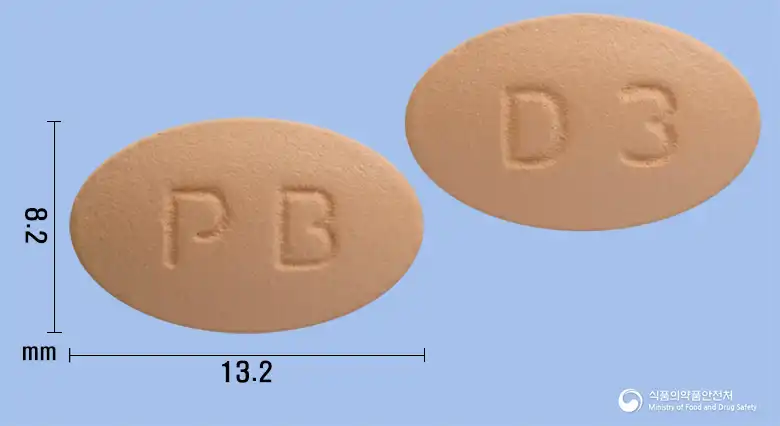
Pink oval film-coated tablet
4 tablets/PTP
Even with the same ingredient, strength, dosage form and how it is taken can differ.
Viewing nowCholecalciferol Concentrate Powder 250mg
Tablet · Prescription medication
Korea Pharmbio Co., Ltd.
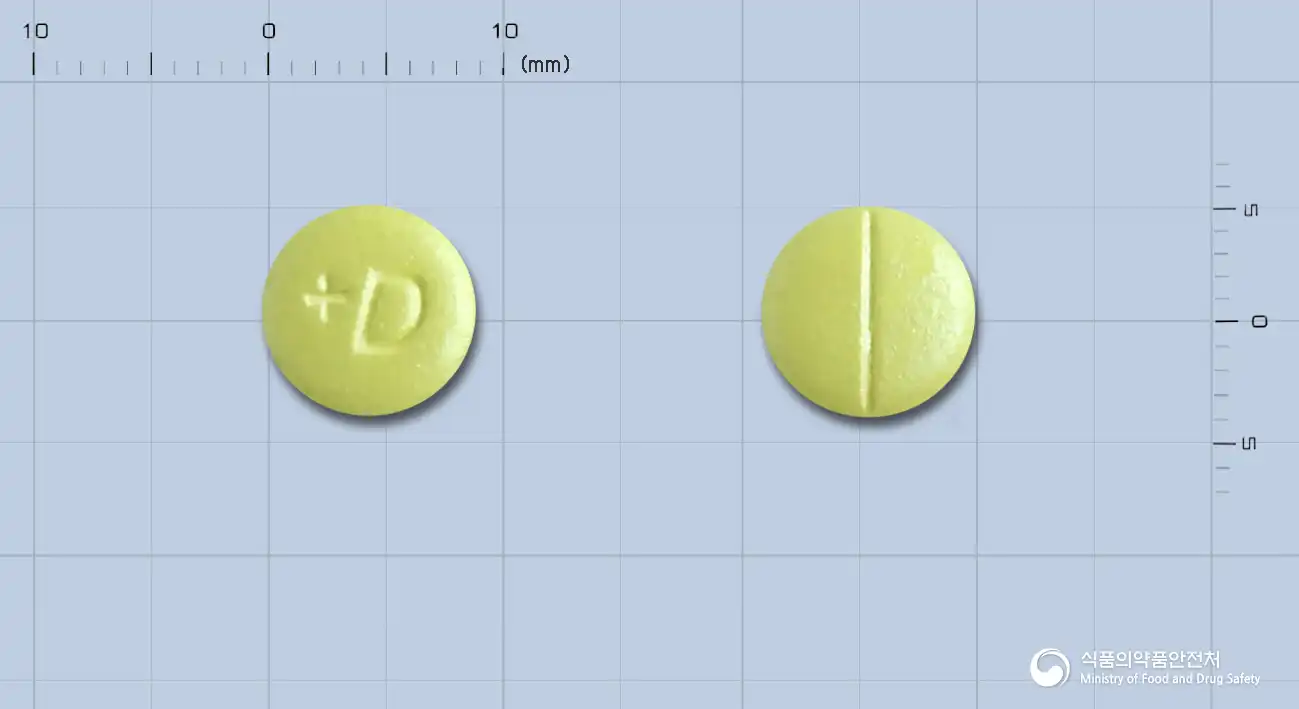
Cholecalciferol Concentrate Powder 10mg
Tablet · OTC medication
Hanool BioPharma Co., Ltd.
Cholecalciferol Concentrate Powder
Prescription medication
Repure Healthcare Co., Ltd.
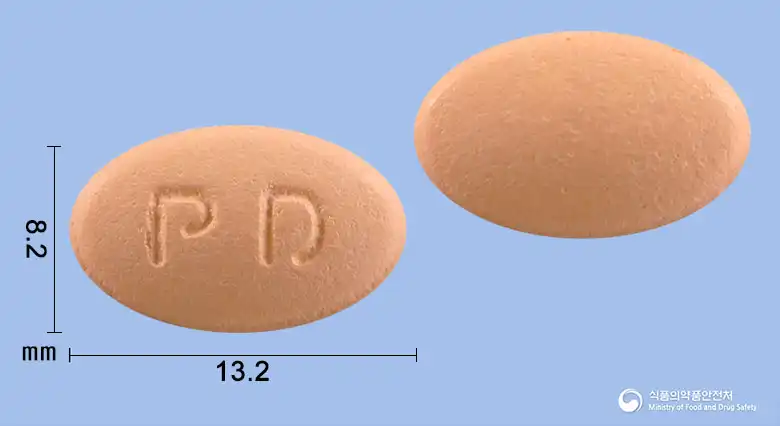
Cholecalciferol Concentrate Powder 250mg
Tablet · Prescription medication
McNulty Pharmaceutical Co., Ltd.
Even with the same ingredient, the dose and directions can differ by strength and dosage form. Talk to a doctor or pharmacist before switching from a medication you are already taking.
No questions yet.
For anything that needs medical judgment, consult a doctor or pharmacist.
This drug information is based on data provided by the Korea Ministry of Food and Drug Safety.
Consult a doctor or pharmacist for accurate dosage, administration, and usage instructions.