
 한국어
 English
 日本語
 中文(简体)
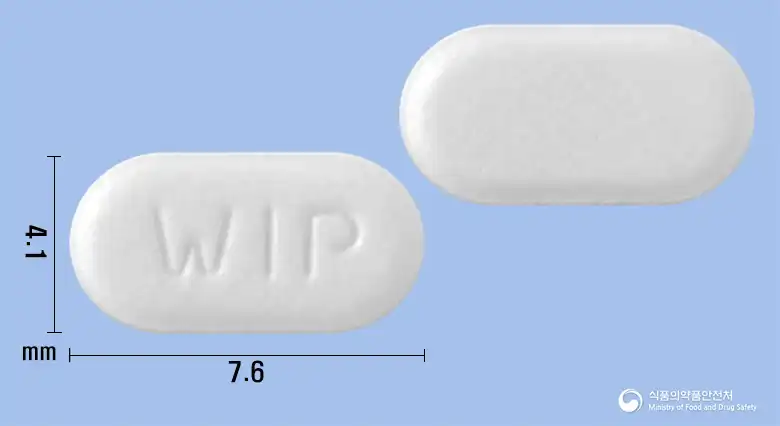 Viewing now
Ezesrol Tablets (Ezetimibe)
Ezetimibe 10mg
Tablet · Prescription medication
Hwanin Pharmaceutical Co., Ltd.
MFDS item code 201701413 · Approved 2017.03.24 · Insurance code 657203040
Improvement of hypercholesterolemia, mixed hyperlipidemia, and homozygous sitosterolemia
This medication is used in conjunction with dietary therapy to lower elevated total cholesterol and low-density lipoprotein cholesterol levels in patients with primary hypercholesterolemia. Additionally, it is administered as an adjunct in patients with hyperlipidemia to improve blood lipid levels, and it can be used in combination with other lipid-lowering agents. In patients with homozygous familial hypercholesterolemia, it can be used as an adjunct to other therapies or combined with statins when treatment effects are insufficient. In patients with homozygous sitosterolemia, it is used in conjunction with dietary therapy to reduce high levels of sitosterol and campesterol. This medication effectively improves lipid levels along with appropriate dietary management, helping to reduce the risk of cardiovascular diseases.
A standard cholesterol-lowering diet should be continued during treatment with this drug. The recommended dose of this drug is 10 mg once daily, with or without food. When this drug is administered concomitantly with an HMG-CoA reductase inhibitor (in patients with primary hypercholesterolemia), initiate concomitant treatment with this drug at the recommended starting dose of the HMG-CoA reductase inhibitor. If the patient is already receiving a high dose of an HMG-CoA reductase inhibitor, administer this drug concomitantly while maintaining the dose of the HMG-CoA reductase inhibitor. When this drug is administered concomitantly with fenofibrate (in patients with mixed hyperlipidemia), administer it with fenofibrate 160mg once daily or 200mg once daily (see Precautions for Use, 4. General Precautions). No dose adjustment is necessary in patients with mild hepatic impairment; however, use of this drug is not recommended in patients with moderate to severe hepatic impairment (see Precautions for Use, 2. Patients Requiring Careful Administration). No dose adjustment is necessary in patients with renal impairment. No dose adjustment is necessary when administered to elderly patients. This drug should be administered at least 2 hours before or at least 4 hours after administration of a bile acid sequestrant (see Precautions for Use, 5. Interactions).
This medication should not be used in patients who are allergic to any of its components. Patients with active liver disease or abnormally high liver enzyme levels should not take this drug along with certain cholesterol-lowering agents. The use of this medication in combination with specific lipid-lowering agents is prohibited in pregnant or breastfeeding women, and women of childbearing potential should exercise special caution. Patients with severely impaired liver function, gallbladder disease, or severe renal dysfunction should avoid concomitant administration of this medication with certain lipid-lowering agents. Due to the inclusion of lactose, this medication is not to be administered to patients with lactose intolerance or related genetic disorders. Patients with moderate or severe liver impairment may experience increased exposure to this medication, leading to unexpected side effects, and thus it is not recommended. In clinical trials, this medication is generally well tolerated; however, side effects such as fatigue, abdominal pain, diarrhea, and myalgia may occur. Particularly when this medication is used in combination with other cholesterol-lowering agents, liver enzyme levels may rise, necessitating regular monitoring of liver function. If any unusual symptoms appear in the muscles, patients should notify their doctor immediately and discontinue use, as serious muscular disorders like myopathy or rhabdomyolysis may occur. Patients with impaired kidney function require more careful monitoring during treatment with this medication. There may be interactions with other medications, so patients should inform their doctor or pharmacist about any concomitant medications. There is no experience using this medication during pregnancy, so the potential risks and benefits of its use during pregnancy should be considered carefully. When breastfeeding, it is advisable not to use this medication unless absolutely necessary, as its effects on the infant are unknown. This medication is not recommended for children under 6 years of age, and it exhibits a safety profile similar to that of adults for children and adolescents over 6 years. It is generally safe for elderly patients, but some elderly individuals may display more sensitive reactions, requiring caution. In case of overdose, there is no specific treatment, and patients should seek appropriate care at a hospital immediately. This medication should be kept out of reach of children and should not be transferred to other containers.
Not everyone experiences these, and they can vary from person to person.
This medication should be stored in a tightly closed container to prevent exposure to air or moisture. It should be kept at room temperature between 1 degree and 30 degrees Celsius.
White to almost white rectangular tablets
30 tablets (10 tablets/PTP X 3)
Even with the same ingredient, strength, dosage form and how it is taken can differ.
Viewing nowEzetimibe 10mg
Tablet · Prescription medication
Hwanin Pharmaceutical Co., Ltd.
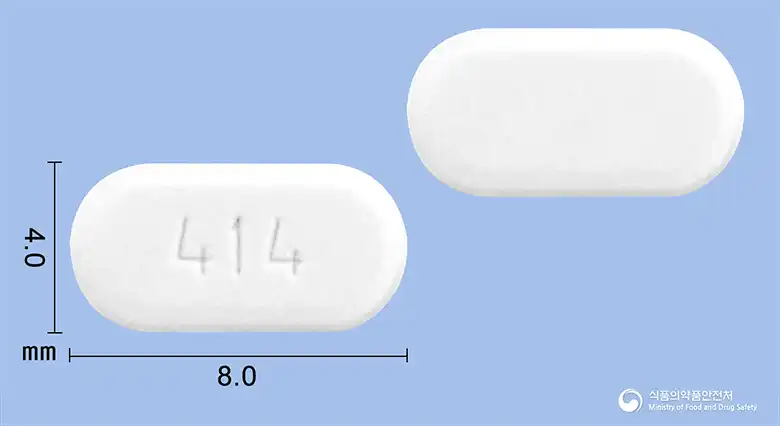
Ezetimibe 10mg
Tablet · Prescription medication
Korea Organon Co., Ltd.
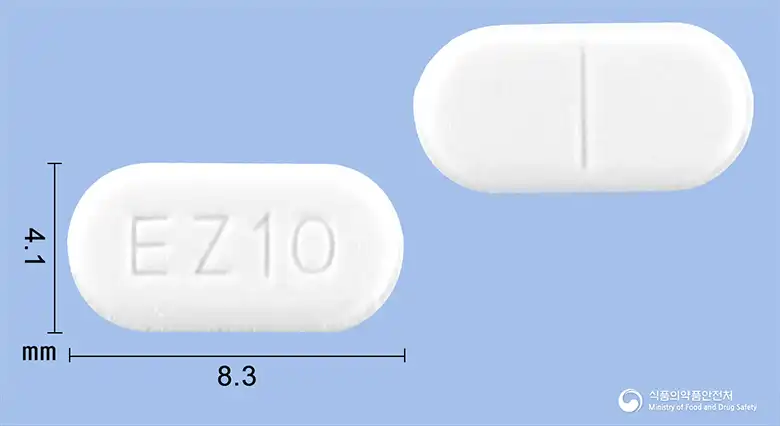
Ezetimibe 10mg
Tablet · Prescription medication
Hanmi Pharmaceutical Co., Ltd.
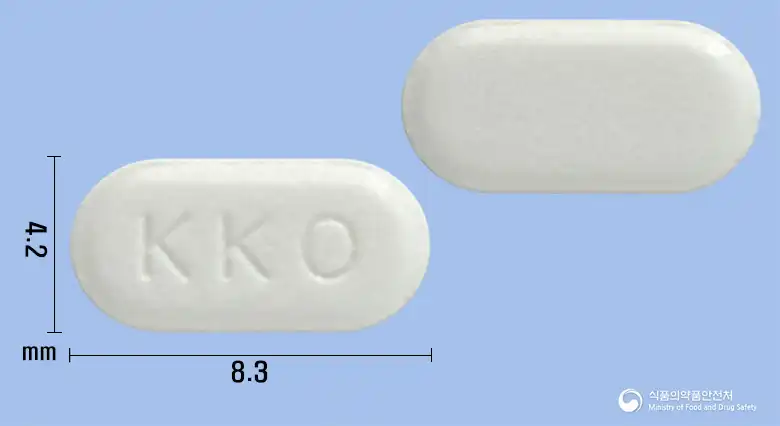
Ezetimibe 10mg
Tablet · Prescription medication
Genewon Science Co., Ltd.
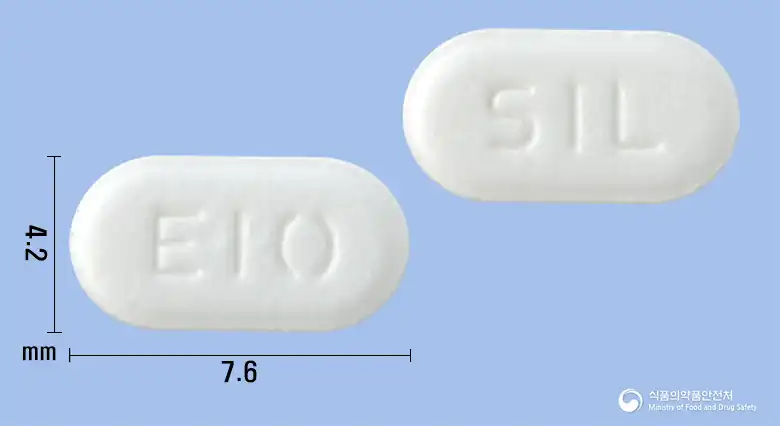
Ezetimibe 10mg
Tablet · Prescription medication
Shin Il Pharmaceutical Co., Ltd.
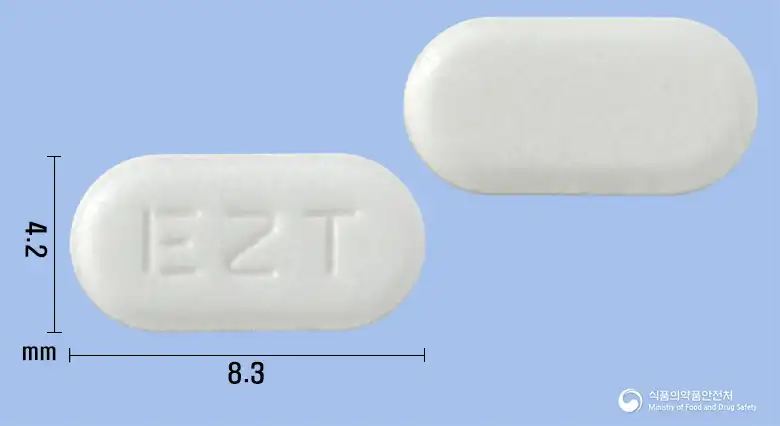
Ezetimibe 10mg
Tablet · Prescription medication
Korea Hutech Pharmaceutical Co., Ltd.
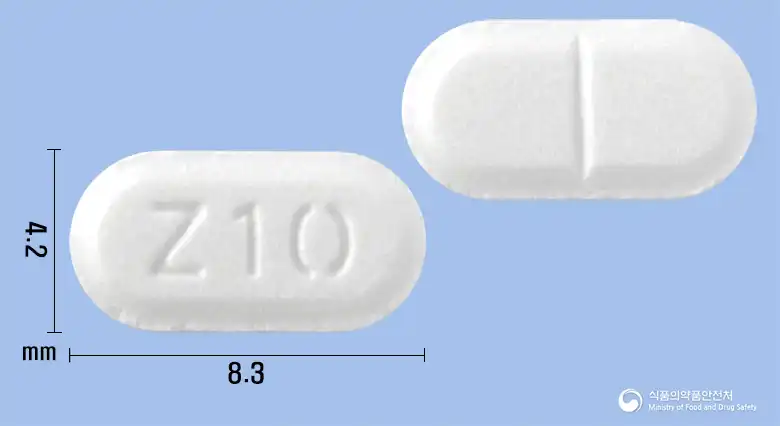
Ezetimibe 10mg
Tablet · Prescription medication
Jinyang Pharmaceutical Co., Ltd.
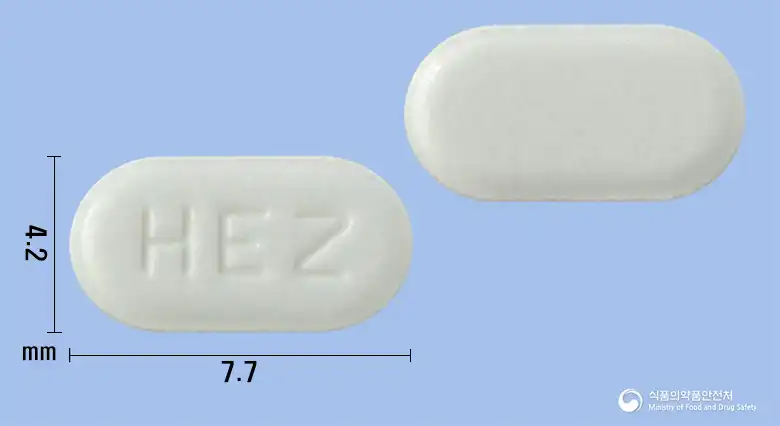
Ezetimibe 10mg
Tablet · Prescription medication
Hana Pharmaceutical Co., Ltd.
Even with the same ingredient, the dose and directions can differ by strength and dosage form. Talk to a doctor or pharmacist before switching from a medication you are already taking.
No questions yet.
For anything that needs medical judgment, consult a doctor or pharmacist.
This drug information is based on data provided by the Korea Ministry of Food and Drug Safety.
Consult a doctor or pharmacist for accurate dosage, administration, and usage instructions.