
 한국어
한국어 English
 日本語
日本語 中文(简体)
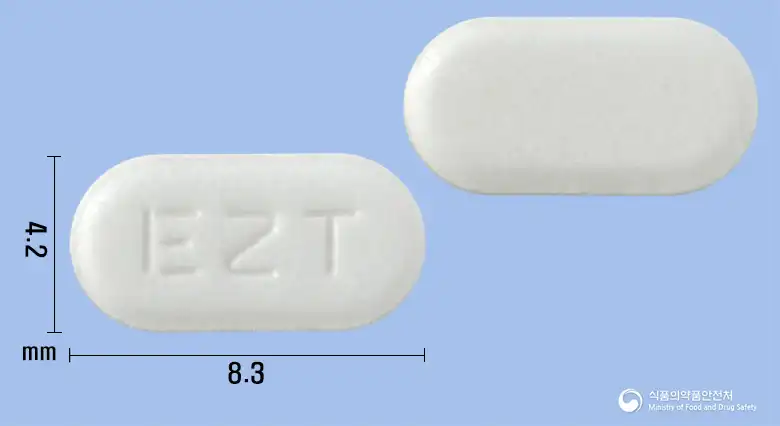 Viewing now
Ezet 10 mg Tablet (Ezetimibe)
Ezetimibe 10mg
Tablet · Prescription medication
Korea Hutech Pharmaceutical Co., Ltd.
MFDS item code 201701412 · Approved 2017.03.24 · Insurance code 649103400
Inhibition of the risk of vascular diseases through reduction of cholesterol and lipid levels in hypercholesterolemia and sitosterolemia
This medication helps lower cholesterol levels in patients with primary hypercholesterolemia and mixed hyperlipidemia. It is especially effective in reducing elevated total cholesterol, low-density lipoprotein cholesterol (LDL-C), and apolipoprotein B (Apo B), and is used either alone or in conjunction with other lipid-lowering agents as an adjunct to dietary therapy. Additionally, in patients with homozygous familial hypercholesterolemia, it is used in combination with other lipid-lowering therapies to manage cholesterol levels. In cases of homozygous sitosterolemia, it aids in lowering plant sterol levels, enhancing therapeutic effects when combined with an appropriate diet. This medication is used when dietary therapy is insufficient in response after eliminating or managing secondary causes of dyslipidemia, with treatment guided by lipid testing results. Overall, this medication plays a crucial role in improving hypercholesterolemia and related dyslipidemic states.
The recommended dose of this medication is 10 mg once daily, administered without regard to meals. When co-administering with HMG-CoA reductase inhibitors, it should be started at the recommended initial dose of the HMG-CoA reductase inhibitor alongside this medication, and if already receiving a high dose of the HMG-CoA reductase inhibitor, the dose of the HMG-CoA reductase inhibitor should be maintained while adding this medication. In combination with fenofibrate, patients with mixed hyperlipidemia should take either 160 mg or 200 mg of fenofibrate once daily (see Usage Precautions 4. General Precautions).
This medication should not be used in patients with an allergic reaction to its components. Co-administration with certain lipid-lowering agents is prohibited in patients with active liver disease or those with persistently elevated liver enzymes of unknown origin. Women who are pregnant or nursing should not use this medication together with certain lipid-lowering agents, and women of childbearing potential should exercise caution. Patients with severely impaired liver function or gallbladder disease should avoid co-administration with certain lipid-lowering agents. Patients with lactose intolerance should refrain from taking this medication due to its lactose content. In patients with moderate to severe liver impairment, the concentration of this medication in the body may increase, which may lead to unexpected side effects; therefore, it should be used with caution. This medication is generally well tolerated, but side effects such as headaches, abdominal pain, diarrhea, fatigue, arthralgia, low back pain, cough, dizziness, constipation, bloating, nausea, muscle pain, vomiting, gastritis, dry mouth, discomfort in the epigastric region, belching, gastrointestinal disturbances, gastroesophageal reflux disease, glossitis, palpitations, congestive heart failure, myocardial ischemia, flushing, sputum, runny nose, limb pain, diabetes, hypoglycemia, anemia, splenomegaly, sweating, rash, and itching may occur. Caution is advised when combining this medication with other lipid-lowering agents, as there may be a slight increase in the risk of elevated liver enzyme levels and muscle-related adverse reactions. If symptoms of musculoskeletal disorders such as myalgia, muscle weakness, or muscle damage occur, the patient should consult a physician immediately, and drug administration should be discontinued if necessary. Patients with severe renal impairment can use this medication without special dosage adjustments; however, caution is advised as renal impairment may increase the risk of myopathy. This medication may interact with specific drugs, so inform your doctor or pharmacist if you are taking other medications. Generally, it is advisable not to use this medication during pregnancy or breastfeeding, and if it is necessary, it should be carefully decided after consulting a specialist. Use is not recommended in children under 6 years of age, and in children over 6 years, pharmacokinetics are similar to adults, but data on long-term use are limited. It can generally be safely used in the elderly, but some elderly individuals may be more sensitive to side effects, so monitoring is required. There is no specific antidote for overdose, so appropriate treatment should be provided based on symptoms. This medication should be stored out of the reach of children and should not be transferred to other containers for safety.
Urticaria, severe swelling (edema), anaphylaxis, hypersensitivity reactions including rash and angioedema, hepatitis, thrombocytopenia, pancreatitis, Stevens-Johnson syndrome (SJS), toxic epidermal necrolysis (TEN), drug reaction with eosinophilia and systemic symptoms (DRESS), severe skin reactions including erythema multiforme (SCARs), drug-induced liver injury, headache (attributed to severe neurological symptoms)
Not everyone experiences these, and they can vary from person to person.
This medication is sensitive to air and moisture, so it should be stored in a tightly sealed container at cool room temperature. It is important to maintain the storage temperature between 1 degree Celsius and 30 degrees Celsius.
White to nearly white, elongated tablets
30 tablets (10 tablets/PTP x 3)
Even with the same ingredient, strength, dosage form and how it is taken can differ.
Viewing nowEzetimibe 10mg
Tablet · Prescription medication
Korea Hutech Pharmaceutical Co., Ltd.
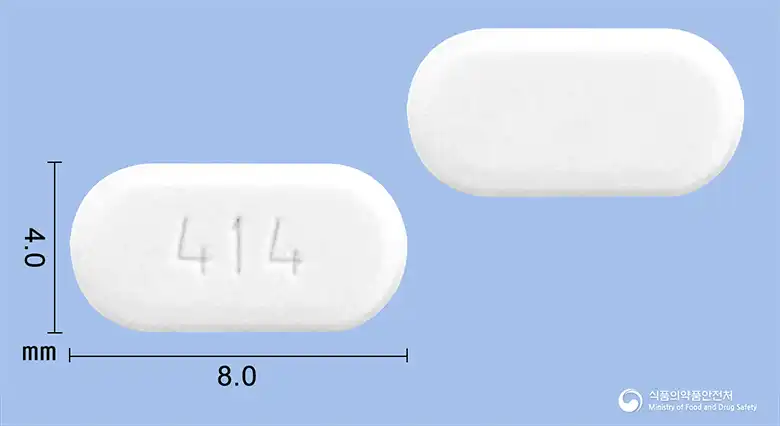
Ezetimibe 10mg
Tablet · Prescription medication
Korea Organon Co., Ltd.
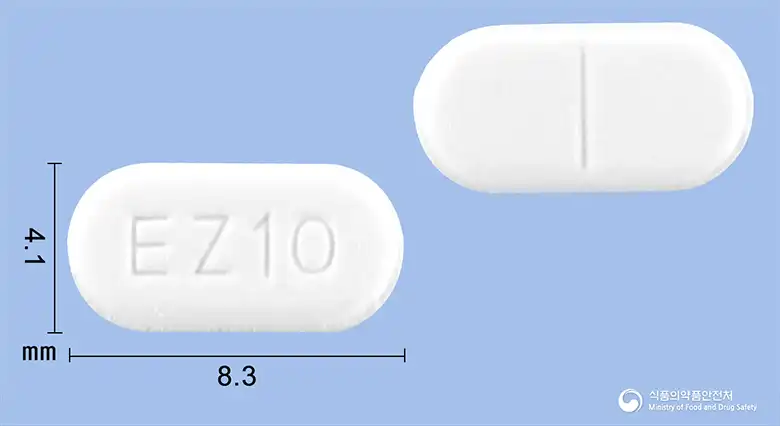
Ezetimibe 10mg
Tablet · Prescription medication
Hanmi Pharmaceutical Co., Ltd.
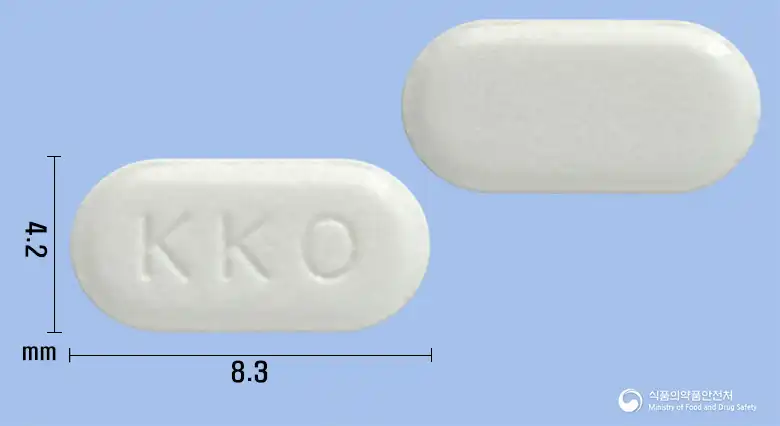
Ezetimibe 10mg
Tablet · Prescription medication
Genewon Science Co., Ltd.
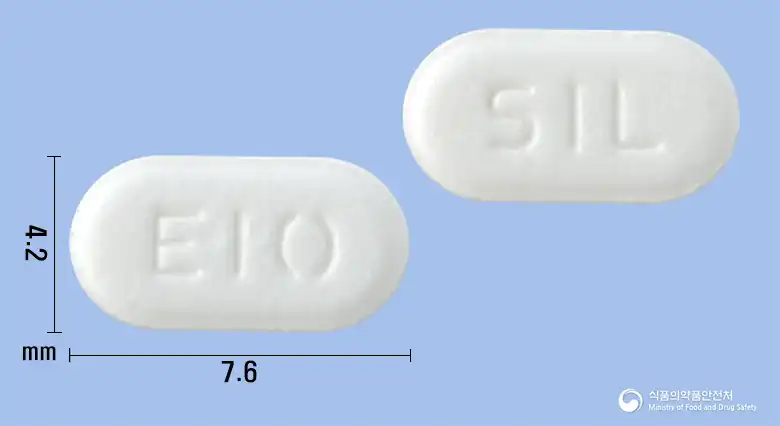
Ezetimibe 10mg
Tablet · Prescription medication
Shin Il Pharmaceutical Co., Ltd.
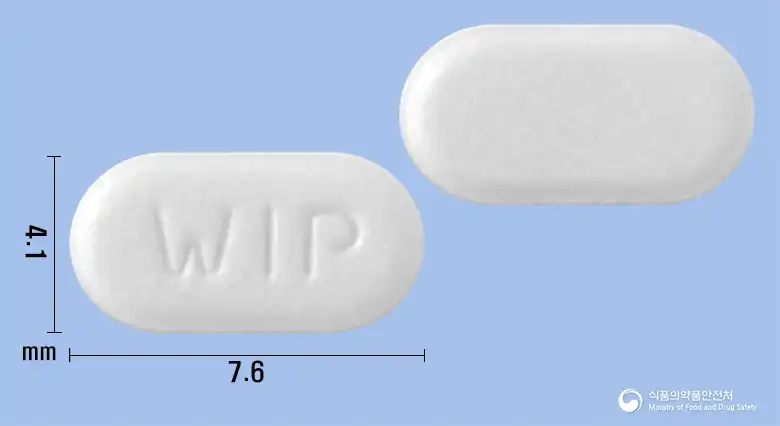
Ezetimibe 10mg
Tablet · Prescription medication
Hwanin Pharmaceutical Co., Ltd.
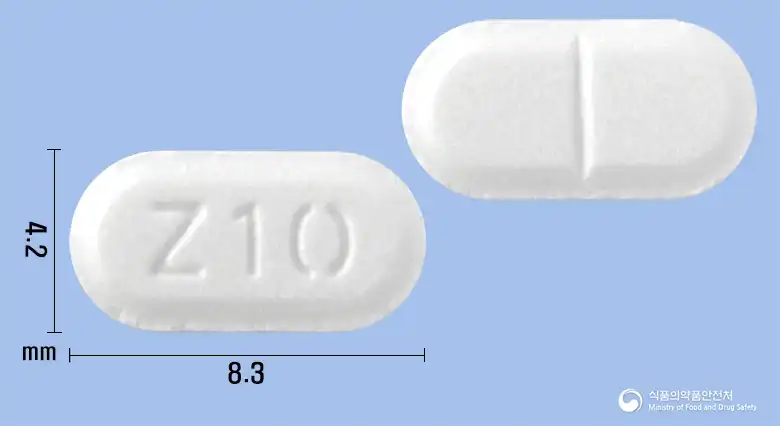
Ezetimibe 10mg
Tablet · Prescription medication
Jinyang Pharmaceutical Co., Ltd.
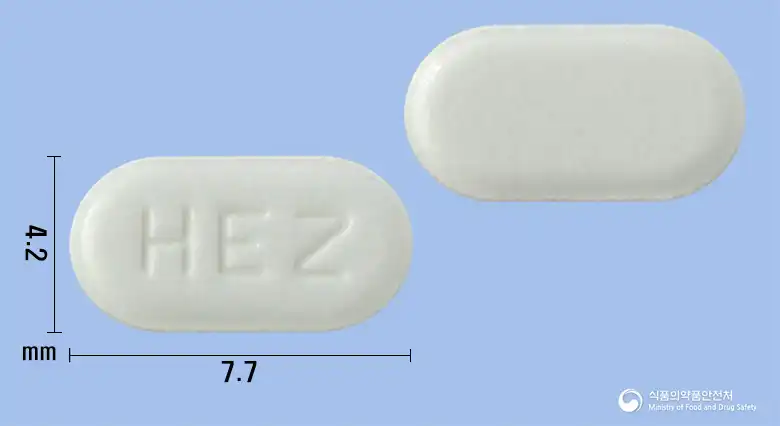
Ezetimibe 10mg
Tablet · Prescription medication
Hana Pharmaceutical Co., Ltd.
Even with the same ingredient, the dose and directions can differ by strength and dosage form. Talk to a doctor or pharmacist before switching from a medication you are already taking.
No questions yet.
For anything that needs medical judgment, consult a doctor or pharmacist.
This drug information is based on data provided by the Korea Ministry of Food and Drug Safety.
Consult a doctor or pharmacist for accurate dosage, administration, and usage instructions.