
 한국어
한국어 English
 日本語
日本語 中文(简体)
 Viewing now
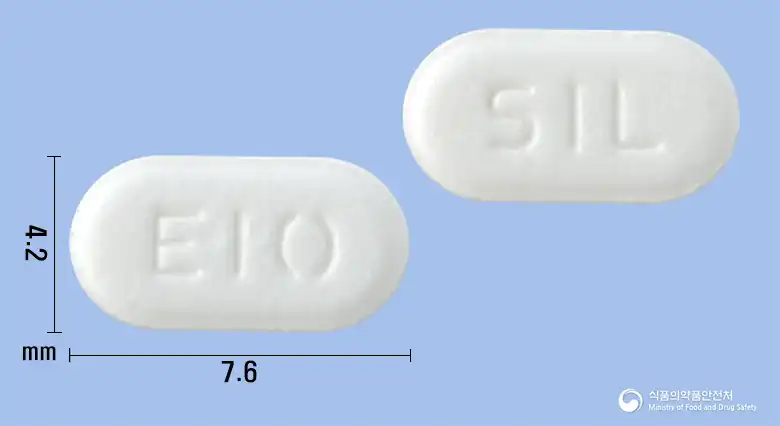
Ethyve Tablet (Ezetimibe)
Ezetimibe 10mg
Tablet · Prescription medication
Shin Il Pharmaceutical Co., Ltd.
MFDS item code 201701195 · Approved 2017.03.09 · Insurance code 653805240
Reduction of cholesterol and lipid levels in hypercholesterolemia (primary, familial) and sitosterolemia to mitigate the risk of cardiovascular disease
This medication is used to help manage elevated cholesterol levels in patients with primary hypercholesterolemia, homozygous familial hypercholesterolemia, and homozygous sitosterolemia. It specifically aids in lowering total cholesterol, low-density lipoprotein cholesterol (LDL-C), and apolipoprotein B levels, and it can be administered in conjunction with dietary modifications or other lipid-lowering agents. In cases of homozygous familial hypercholesterolemia, it is used when other therapies are ineffective or unsuitable. Additionally, this drug plays a crucial role in improving vascular health in hyperlipidemic patients, and appropriate tests should be conducted based on the patient's condition to ensure safe and effective treatment. This medication is used to improve cholesterol levels and treat hyperlipidemia.
The recommended dosage of this medication is 10 mg once daily and should be taken regardless of meals. When combined with HMG-CoA reductase inhibitors for primary hypercholesterolemia patients, treatment may begin with this medication at the recommended initial doses of HMG-CoA reductase inhibitors, and if already receiving high doses of HMG-CoA reductase inhibitors, the dose of HMG-CoA reductase inhibitors should be maintained while this medication is co-administered.
This medication should not be used by patients who have allergies to specific components. Patients with active liver disease or persistently elevated liver enzyme levels should not use this medication along with certain lipid-lowering agents. Pregnant or breastfeeding women should exercise caution as the combination of this medication with some lipid-lowering agents is prohibited. Patients with severe liver dysfunction, gallbladder disease, or severe renal impairment should not use this medication with certain lipid-lowering agents. This medication should not be administered to patients with lactose intolerance or metabolic disorders. The use of this medication is not recommended for patients with moderate to severe liver dysfunction, and regular liver function tests should be performed. Generally, this medication is well-tolerated; however, side effects such as headache, abdominal pain, diarrhea, and muscle pain may occur, and if any unusual symptoms arise, consulting a doctor is advised. The risk of muscle-related side effects may slightly increase when using this medication with certain statin drugs, so immediate reporting of muscle pain or weakness is necessary. Patients with impaired renal function may use this medication, but caution is required in cases of severe renal impairment, and dose adjustments may not be necessary in some situations. There may be interactions with other medications, especially when used in combination with cholestyramine, fibrates, cyclosporine, anticoagulants, etc., so consultation with a doctor is necessary. It is safe not to use this medication during pregnancy or breastfeeding, and women of childbearing age are advised to use appropriate contraception. This medication is not recommended for children under 6 years old, and for those over 6 years old, pharmacokinetic characteristics are similar to adults. Elderly individuals may use this medication, but some may be more sensitive to it, so caution is advised. In the case of overdose, there is no specific antidote available, and appropriate treatment should be administered based on symptoms. This medication should be kept out of reach of children and should not be transferred to other containers.
Hives, severe swelling (edema), anaphylaxis, allergic reactions including rash and angioedema, Stevens-Johnson syndrome, toxic epidermal necrolysis, drug reaction with eosinophilia and systemic symptoms (DRESS), severe skin reactions including erythema multiforme, drug-induced liver injury, hepatitis, pancreatitis, renal failure (kidney disease), headache (possible severe neurological symptoms)
Not everyone experiences these, and they can vary from person to person.
This medication should be stored in a tightly closed container to protect it from air and moisture. Also, do not store the medication in excessively hot or cold places; it is recommended to keep it at room temperature between 1°C and 30°C.
White to almost white oblong tablet
30 tablets (10 tablets/PTPX3)
Even with the same ingredient, strength, dosage form and how it is taken can differ.
Viewing nowEzetimibe 10mg
Tablet · Prescription medication
Shin Il Pharmaceutical Co., Ltd.
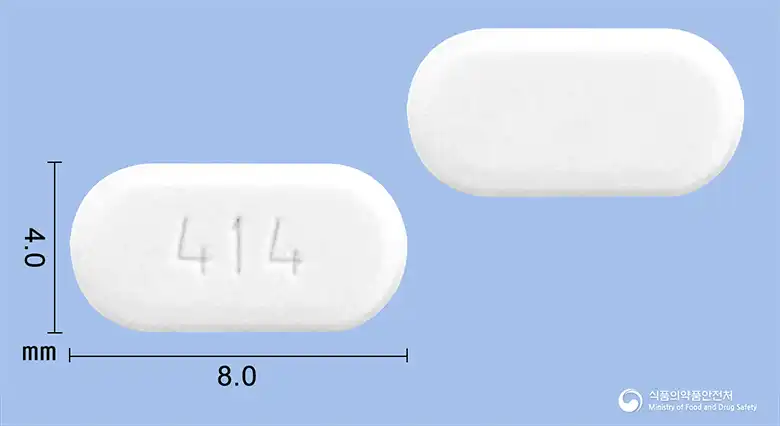
Ezetimibe 10mg
Tablet · Prescription medication
Korea Organon Co., Ltd.
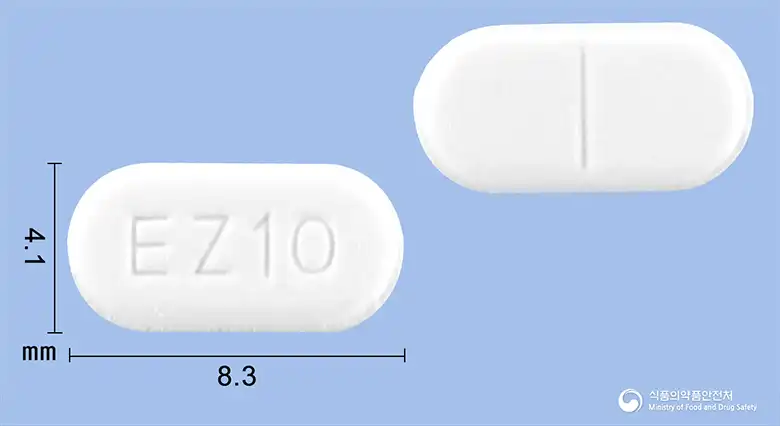
Ezetimibe 10mg
Tablet · Prescription medication
Hanmi Pharmaceutical Co., Ltd.
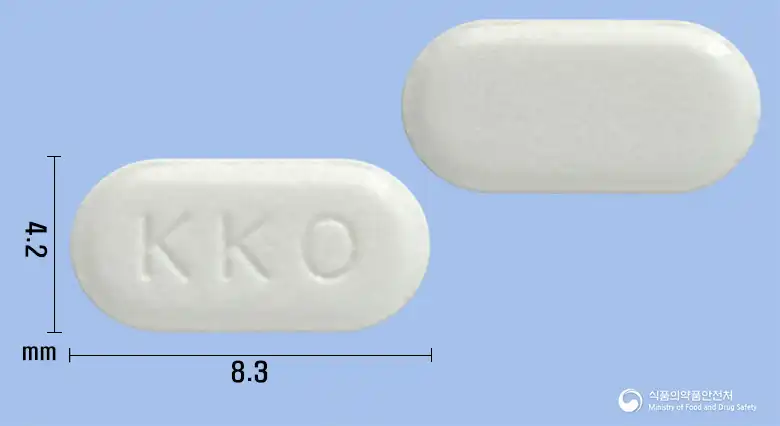
Ezetimibe 10mg
Tablet · Prescription medication
Genewon Science Co., Ltd.
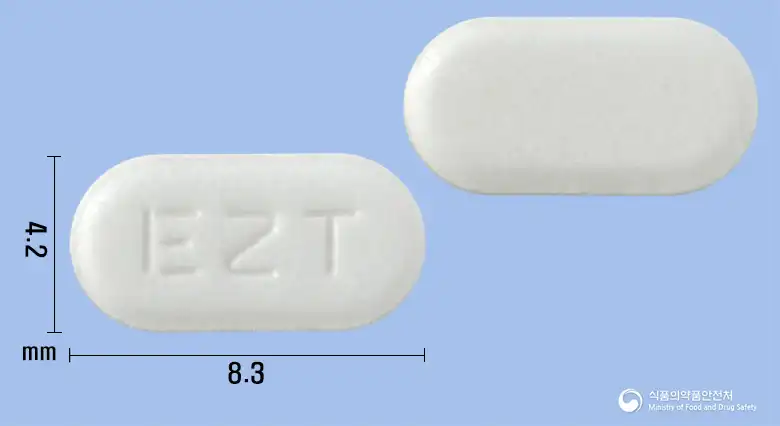
Ezetimibe 10mg
Tablet · Prescription medication
Korea Hutech Pharmaceutical Co., Ltd.
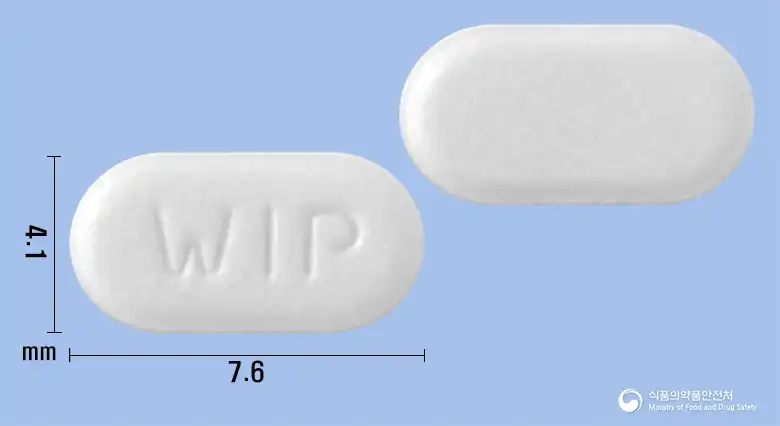
Ezetimibe 10mg
Tablet · Prescription medication
Hwanin Pharmaceutical Co., Ltd.
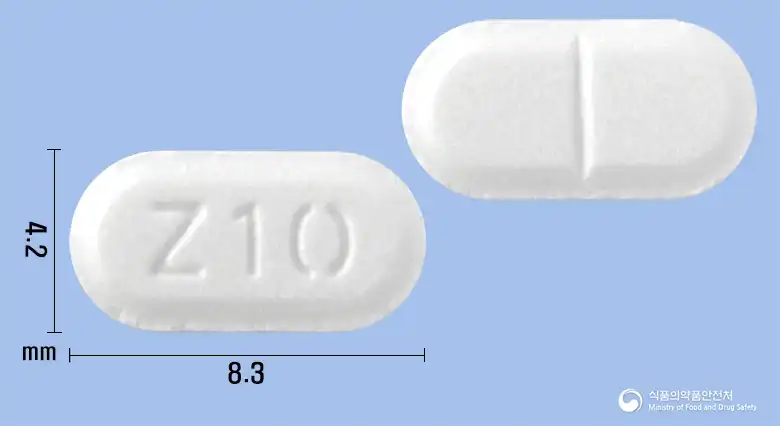
Ezetimibe 10mg
Tablet · Prescription medication
Jinyang Pharmaceutical Co., Ltd.
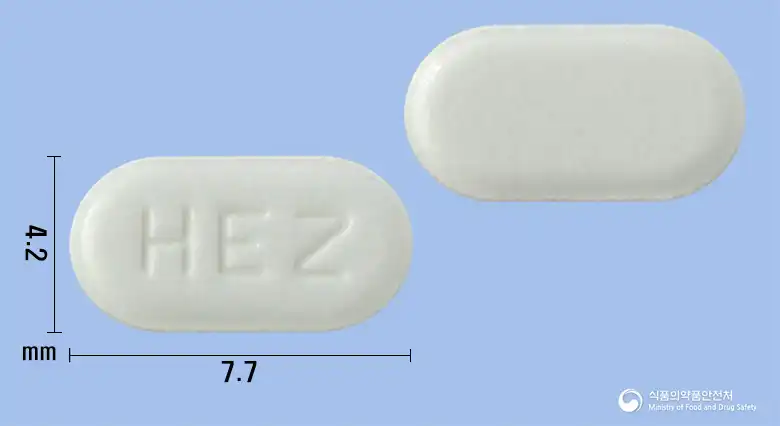
Ezetimibe 10mg
Tablet · Prescription medication
Hana Pharmaceutical Co., Ltd.
Even with the same ingredient, the dose and directions can differ by strength and dosage form. Talk to a doctor or pharmacist before switching from a medication you are already taking.
No questions yet.
For anything that needs medical judgment, consult a doctor or pharmacist.
This drug information is based on data provided by the Korea Ministry of Food and Drug Safety.
Consult a doctor or pharmacist for accurate dosage, administration, and usage instructions.